

- 中国語には、「いいえ」にあたる決まった訳語が一つあるわけではなく、場面によって適切な言葉が変わります。
- 最もよく使われる否定の字は 不(bù)で、動詞や形容詞と組み合わせて、拒否や不同意を表します。
- 表現によって響きは大きく異なります。不用(bùyòng)は丁寧に聞こえますが、不可能(bù kěnéng)はきつく聞こえることがあります。
- 没有(méiyǒu)は、中国語で「いいえ」と言うときに最もよく使われる言い方の一つで、不(bù)はまったく使いません。
- これらの表現のニュアンスの違いを身につければ、中国語がより自然に聞こえ、意図せず相手を不快にさせることも避けられます。
中国語(普通話)を始めたばかりなら、まずは基本の中国語の単語やフレーズから学びたいと思うことでしょう。「こんにちは」や「私の名前は~です」の次に覚えたいのが、中国語での「いいえ」の言い方です。この記事を読むときは、「いいえ」と言わずに最後までどうぞ(🔈 不要 bùyào)!
01 直訳できる言葉がない
「ノー」と言えることは、会話に欠かせないスキルです。中国ではなおさらで、善意のものもそうでないものも含め、あらゆる物を買ったり、あらゆることをしたりしないかという誘いを受ける機会がたくさんあります。南京路にある素敵な中国の茶館に行きませんか?(いいえ。)このLVのバッグを買いませんか?本物だと保証しますよ!(いいえ。)
では、中国語で「ノー」はどう言うのでしょうか。実は、英語の単純な「no」にぴったり対応する中国語はありません。一般的に、否定を表す中国語の単語やフレーズは、状況によって使い分けます。中国で中国語を学ぶ予定なら、こうした表現に早めに慣れておくと、日々のやり取りがずっとスムーズになります。
難しそうに聞こえるかもしれませんが、英語の「no」の言い方も、実は文脈によってある程度変わります。「no way」「impossible」「not a chance」など、状況に応じて「no」の代わりに使える単語やフレーズがいろいろありますよね。
「ノー」の言い方を一つや二つ以上知っておくと、あなたの中国語がより自然に聞こえます。ヒントとして、中国語で「ノー」を言う10の方法を紹介する次のガイドをご覧ください。

02 中国語で「ノー」を言う10の方法
1. 不是 | bùshì | いいえ、違う、〜ではない
中国語で「はい」を表す最も一般的な言い方の一つが 是(shì、〜である)です。そのため、是(shì)に 不(bù、〜ない、いいえ)を付けて否定することが、中国語で「ノー」を言う方法の一つになるのは自然なことです。不是(bùshì)と言うとき、文字どおりには「〜ではない」と言っています。
不是(bùshì)は、たいてい相手の言ったことに同意しない場合や、その内容が事実であることに異議を唱える場合に使います。事実を確認するために質問された場合、不是(bùshì)と答えれば、相手の言ったことが正しくないと伝えられます。
| 中国語 | ピンイン | 英語 |
|---|---|---|
| 你是美国人吗? | Nǐ shì Měiguórén ma? | アメリカ人ですか? |
| 不是,我是英国人。 | Bùshì, wǒ shì Yīngguórén. | いいえ、私はイギリス人です。 |
不是的(bùshì de)も、中国語で「いいえ」と言うときに使えるフレーズです。不是(bùshì)とほぼ同じように使われ、二つはほとんど入れ替えて使えます。
不(bù)と 是(shì)はどちらも第4声(下降調)で発音します。ただし、不(bù)の後ろに続く字の声調も第4声の場合、不 は声調変化を起こし、一時的に第2声(上昇調)になります。そのため、不是 のピンインは bùshì と書かれますが、実際には「búshì」と発音します。
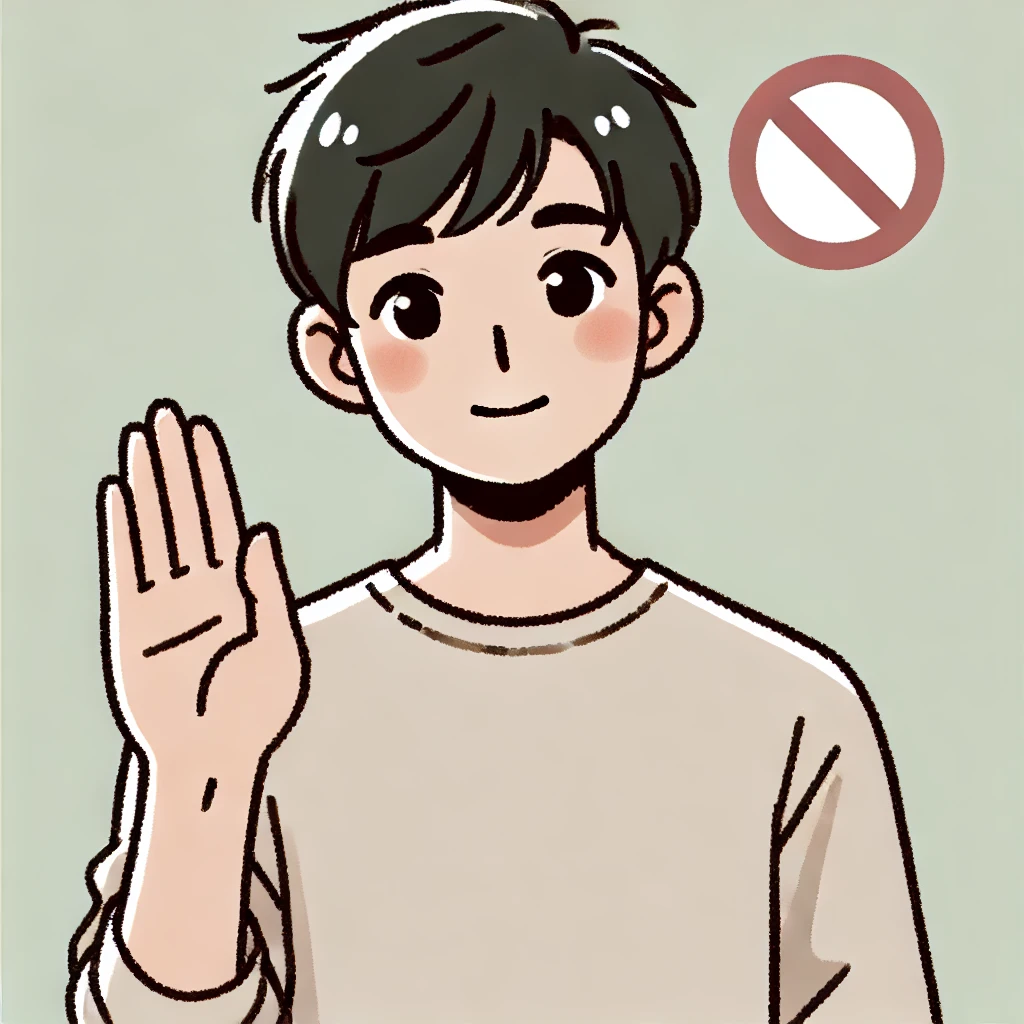
2. 不要 | bùyào | いらない、欲しくない
不要(bùyào)は、中国語で何かを断ったり拒否したりするときによく使う言い方です。何かが欲しくない、何かをしたくないという気持ちを表します。さまざまな場面で、率直でありながら丁寧に断りや否定を伝えることができます。中国では、しつこく勧めてくる市場の売り子さんを断るときなど、不要を使う機会が多いので、中国語の旅行フレーズには欠かせません。
| 中国語 | ピンイン | 英語 |
|---|---|---|
| 你要喝茶吗? | Nǐ yào hē chá ma? | お茶はいかがですか? |
| 不要,谢谢。 | Bùyào, xièxie. | いいえ、結構です。 |
3. 不 | bù | いいえ;〜ない
Plecoのような人気の中国語辞書で、英語の「no」にあたる中国語を調べると、最初に表示されるのはおそらく不(bù)でしょう。例文つきの検索方法など、ほかの調べ方については、オンライン中国語辞書のガイドをご覧ください。
どんな質問にも不(bù)だけで答えても、ネイティブスピーカーには「no」の意味だと伝わりますが、あまり自然には聞こえません。不(bù)だけで返事をすると、かなりぶっきらぼうに、あるいは怒っているようにさえ聞こえることがあります。たとえば、ついさっきけんかをした10代の娘(B)と仲直りしようとしている母親(A)がいるとします。母親が一緒に散歩に行こうと誘いますが、娘はまだ怒っていて、そっけなくこう答えます。
| 中国語 | ピンイン | 英語 |
|---|---|---|
| 我们去散步吧? | Wǒmen qù sànbù ba? | 散歩に行こうか? |
| 不。 | Bù. | 番号 |
4. 不对 | bùduì | 正しくない;間違っている
中国語で对(duì)は「正しい」という意味です。对(duì)の前に不(bù)を付けると、「正しくない」「間違っている」と言えます。一般的に、相手の意見や発言に同意できないときに不对(bùduì)を使えます。
| 中国語 | ピンイン | 英語 |
|---|---|---|
| 这道题的答案是五,对吗? | Zhè dào tí de dá'àn shì wǔ, duì ma? | この問題の答えは5ですよね? |
| 不对,答案是六。 | Bùduì, dá'àn shì liù. | 違うよ、答えは6だよ。 |
对(duì)は第4声(下降調)で発音されるため、对(duì)の前に置かれると、不(bù)の発音は第2声(上昇調)に変わります。そのため、公式のピンインでは今もbùduìと書きますが、発音は「búduì」になります。

5. 不行 | bùxíng | だめ;よくない
行(xíng)は中国語で「OK」「大丈夫」という意味です。上の不是(bùshì)や不对(bùduì)と同じように、行(xíng)の前に不(bù)を付けると否定になります。不行(bùxíng)は、おおよそ「だめ」「大丈夫ではない」と訳せます。
| 中国語 | ピンイン | 英語 |
|---|---|---|
| 我们明天去爬山行吗? | Wǒmen míngtiān qù páshān xíng ma? | 明日ハイキングに行くのはどう? |
| 不行,我明天要上班。 | Bùxíng, wǒ míngtiān yào shàngbān. | それは無理だな。明日は仕事に行かなきゃいけないんだ。 |
对(duì)や不(bù)は第4声(下降調)で発音されますが、行(xíng)は第2声(上昇調)で発音されます。そのため、この2つを組み合わせても不(bù)の発音は変わりません。
6. 不可以 | bù kěyǐ | 〜してはいけない;できない
不可以(bù kěyǐ)も、中国語で「ノー」を伝えるときに使えるフレーズです。「できる」「してもよい」と訳せる可以(kěyǐ)に、否定の字不(bù)が付いた形です。合わせて不可以(bù kěyǐ)は、直訳すると「できない」「してはいけない」となります。依頼や質問に否定で答えるときに、英語の「may not」や「can't」とほぼ同じように使われます。
| 中国語 | ピンイン | 英語 |
|---|---|---|
| 我可以带我的狗进来吗? | Wǒ kěyǐ dài wǒ de gǒu jìnlái ma? | 犬を連れて入ってもいいですか? |
| 不可以,这里不让带狗进来。 | Bù kěyǐ, zhèlǐ bù ràng dài gǒu jìnlái. | いいえ、ここは犬は入れません。 |

7. 不可能 | bù kěnéng | 不可能
もっと強く否定したいですか?そんなときは不可能(bù kěnéng)を使います。このフレーズは、否定を表す字不(bù)に、中国語で「たぶん」「ありうる」を意味する可能(kěnéng)が続いたものです。合わせると不可能(bù kěnéng)となり、「ありえない」「不可能」「とんでもない」という意味になります。
相手の言ったことが全くありえない、あるいは不可能だと伝えたいときに 不可能(bù kěnéng)を使います。文脈によって意味が変わる点にも注意してください。依頼に対して断る返事として使うと、不可能(bù kěnéng)はかなりきつく厳しい響きになり、断るだけでなく、そんな頼みをされたこと自体が不快だという気持ちも伝わります。
| 中国語 | ピンイン | 英語 |
|---|---|---|
| 他们明天能来吗? | Tāmen míngtiān néng lái ma? | あの人たちは明日来られますか? |
| 不可能,他们在外地。 | Bù kěnéng, tāmen zài wàidì. | 無理です。町を離れていますから。 |
8. 不用 | bùyòng | 結構です;必要ない
誰かの申し出を丁寧に断りたいなら、不用(bùyòng)が使えるフレーズです。不用(bùyòng)にも 不(bù)が含まれていますが、構成する文字からは意味を推測しにくい表現です。中国語の 用(yòng)は「使う」という意味なので、不用(bùyòng)は直訳すると「使わない」「使用不要」となります。しかし、実際の意味は「結構です」「必要ありません」に近いものです。このような丁寧な断り方には、たいていお礼の言葉が添えられるので、中国語でのお礼の言い方もあわせて覚えておくとよいでしょう。
不用(bùyòng)を使うほとんどの場面では、不用,不用(bùyòng、bùyòng)のように繰り返して言うこともできます。2回繰り返すと、返事がやわらかく、より遠回しな印象になります。
| 中国語 | ピンイン | 英語 |
|---|---|---|
| 我帮你拿行李吧? | Wǒ bāng nǐ ná xíngli ba? | お荷物をお持ちしましょうか? |
| 不用,谢谢,我自己来。 | Bùyòng, xièxie, wǒ zìjǐ lái. | 大丈夫です、ありがとうございます。自分で持てますから。 |
用(yòng)は第4声(下降調)で発音されるため、不用(bùyòng)というフレーズは実際には「búyòng」と発音されます。

9. 没有 | méiyǒu | 持っていない、〜していない、いいえ
ここまで紹介してきた中国語の「いいえ」の言い方とは違い、没有(méiyǒu)には不(bù)という字が含まれていません。でも、だまされないでください。没有(méiyǒu)は、標準中国語(普通話)で「いいえ」を表すときに最もよく使われる言い方の一つです。
没有(méiyǒu)を構成要素に分けると、「〜ない」を意味する没(méi)と、「持つ」という意味の動詞有(yǒu)になります。つまり、没有(méiyǒu)を直訳すると「持たない」です。当然ながら、没有(méiyǒu)の使い方の一つは、何かを持っていないと伝えることです。また、没有(méiyǒu)は、まだ起こっていないことや、まだしていないことを話すときにも使えます。
| 中国語 | ピンイン | 英語 |
|---|---|---|
| 你有零钱吗? | Nǐ yǒu língqián ma? | 小銭はありますか? |
| 没有,对不起。 | Méiyǒu, duìbuqǐ. | いいえ、すみません。 |
| 你吃过北京烤鸭吗? | Nǐ chīguo Běijīng kǎoyā ma? | 北京ダックを食べたことはありますか? |
| 没有,还没吃过。 | Méiyǒu, hái méi chīguo. | いいえ、まだ食べたことがありません。 |


桂林で中国語を学ぶ、またはオンラインで始める
CLIは、あなたの目標に合わせた中国語指導を行っています。桂林での イマージョンプログラム に参加することも、どこからでも 無料の中国語レッスン から始めることもできます。
10. 不好意思 | bùhǎoyìsi | すみません;失礼します
相手の頼みを丁寧に断りたいときは、不好意思(bùhǎoyìsi)や抱歉(bàoqiàn)を使ってみましょう。どちらも「すみません」という意味です。正しく使うには、頼まれたことができない理由を添えるようにしましょう。謝罪表現を幅広く知りたい方は、カジュアルな謝り方からフォーマルな場面まで網羅した中国語で「ごめんなさい」を言う方法のガイドもご覧ください。
| 中国語 | ピンイン | 英語 |
|---|---|---|
| 你能帮我搬家吗? | Nǐ néng bāng wǒ bānjiā ma? | 引っ越しを手伝ってもらえますか? |
| 不好意思,我那天有事。 | Bùhǎoyìsi, wǒ nà tiān yǒu shì. | すみません、その日は用事があるんです。 |
抱歉(bàoqiàn)は不好意思(bùhǎoyìsi)よりもやや直接的でかしこまった響きがあり、職場などのビジネスの場面で使われることが多い表現です。
| 中国語 | ピンイン | 英語 |
|---|---|---|
| 你能参加明天的会议吗? | Nǐ néng cānjiā míngtiān de huìyì ma? | 明日の会議に出席できますか? |
| 抱歉,我明天出差。 | Bàoqiàn, wǒ míngtiān chūchāi. | 申し訳ありません、明日は出張なんです。 |
03 その他の場面での「いいえ」
中国語で「いいえ」と言う最も一般的な方法は、おそらく、質問の中で最も重要な動詞や形容詞を不(bù)で否定するだけの方法でしょう。この方法を使うには、質問のキーワードを見つけて適切に答えられるように、ある程度の基本的な中国語の語彙が必要です。よく使う動詞や形容詞でこの方法がどう働くか、以下の例で確認しましょう。
誰かに你累吗?(Nǐ lèi ma?「疲れていますか?」)と聞かれたら、キーワードの形容詞累(lèi)を否定して、不累(bù lèi「疲れていません」)と答えられます。動詞でも同じパターンです:你去吗?(行きますか?)→ 不去(行きません)。
| 中国語 | ピンイン | 英語 |
|---|---|---|
| 你饿吗? | Nǐ è ma? | お腹は空いていますか? |
| 不饿。 | Bù è. | 空いていません。 |
| 你喜欢吃辣吗? | Nǐ xǐhuan chī là ma? | 辛い料理は好きですか? |
| 不喜欢。 | Bù xǐhuan. | 好きではありません。 |
04 見て、聞いてみよう
こうした表現が実際の文脈で自然に使われるのを耳にするのは、身につけるための最良の方法の一つです。以下の動画では、標準中国語で「いいえ」を表すいくつかの一般的な言い方を紹介しています。
05 きっぱり断ろう!
「ノー」と言えるようになることは、中国語を学び始めたばかりの人なら誰もが身につけておくべき大切なスキルです。相手の提案や頼みごとを断ると、気分を害してしまうことがよくあります。だからこそ、ここで紹介する中国語の「ノー」の言い方それぞれのニュアンスの違いを押さえておくことが特に重要です。そうすれば、うっかり相手を傷つけてしまうことも避けられます。
基本のパターン(質問文の動詞を使って「いいえ」と答える)を練習するには、無料の中国語コースのレッスン3を試してみてください。すべての解答には音声が付いており、学習者が間違えやすい項目を短いクイズでチェックできます。
どの場面でどの言葉が自然かを肌で感じるには、中国語圏の環境に身を置く完全イマージョンが最良の方法の一つです。レベルを問わず、これらのフレーズを毎日使って、考えなくても口から出てくるようにしましょう。中国語は本当に難しいのかとまだ迷っているなら、その毎日の練習が正直な答えを教えてくれるはずです。
今すぐ中国に行くのが難しい場合は、構造化されたスピーキング練習を取り入れて、自分だけのオンライン・イマージョン環境をつくってみましょう。声調や使い方をその場で直してくれる先生がいれば理想的です。何から始めればよいかわからない方は、無料の中国語レッスンから始めてみてください。
断る表現はもうおなかいっぱい、という方は、中国語の「イエス」の言い方を紹介した記事もぜひご覧ください。また、もっと幅広い学習の習慣づくりをお考えなら、中国語の学習プランガイドが、これらの表現を体系的な学習の流れに組み込む助けになります。
好好学习,天天向上!

06 中国語で「ノー」と言うための必須語彙
このガイドで取り上げた主な表現を、意味と使い方のポイントとともにまとめました。
| 中国語 | ピンイン | 意味・使い方 |
|---|---|---|
| 不是 🔈 | 違う、〜ではない — 事実に関する主張に異議を唱えるときに使う | |
| 不要 🔈 | いらない、結構です — 差し出されたものを断るときに使う | |
| 不 🔈 | 〜ない — 一般的な否定。ただし単独だとぶっきらぼうに聞こえることがある | |
| 不对 🔈 | 正しくない、間違っている — 相手の発言に反対するときに使う | |
| 不行 🔈 | だめ、できない — 断ったり、できないことを伝えたりするときに使う | |
| 不可以 🔈 | 〜してはいけない、できない — 許可されていないときに使う | |
| 不可能 🔈 | ありえない、無理 — 強い拒否。きつく聞こえることがある | |
| 不用 🔈 | 必要ない、結構です — 申し出を丁寧に断る | |
| 没有 🔈 | 持っていない、〜していない — 所有や完了した動作を否定する | |
| 不好意思 🔈 | すみません、ごめんなさい — 丁寧に断る表現で、くだけた場面向け | |
| 抱歉 | 申し訳ありません — 丁寧に断る表現で、よりフォーマルな場面向け |
07 よくある質問
中国語に「ノー」にあたる直訳はありますか?
ありません。英語と違い、中国語には「ノー」にあたるどんな場面でも使える単語が一つあるわけではありません。何を断るのか、事実についての反論なのか、丁寧な辞退なのか、強い拒絶なのかによって、ふさわしい表現が変わります。
標準中国語で「ノー」を表す最も一般的な言い方は何ですか?
不(bù)は標準中国語で最も基本的な否定の字ですが、単独で使われることはほとんどありません。実際の日常会話では、不是(bùshì)、不要(bùyào)、不用(bùyòng)、没有(méiyǒu)などがよく耳にする表現です。
中国語で丁寧に「ノー」と言うにはどうすればいいですか?
不用(bùyòng)と不好意思(bùhǎoyìsi)は、どちらも丁寧に断る言い方です。不好意思や抱歉(bàoqiàn)のようなお詫びの表現に簡単な理由を添えると、中国語の社交の場で相手の面子を保ちつつ自然に断れます。
不(bù)が「bú」のように聞こえることがあるのはなぜですか?
これは標準中国語の声調変化(変調)のルールです。不(bù)は本来第4声ですが、後ろに別の第4声の音節が続くと第2声(bú)に変わります。学習者が知っておくべき標準中国語の声調変化の一つです。
没有(méiyǒu)は、どんな質問に対する「ノー」にも使えますか?
そうとは限りません。没有(méiyǒu)は、所有を否定する(「〜を持っていません」)場合や、完了した動作を否定する(「〜していません」)場合に使います。このリストにある他の表現のような、万能の「ノー」ではありません。