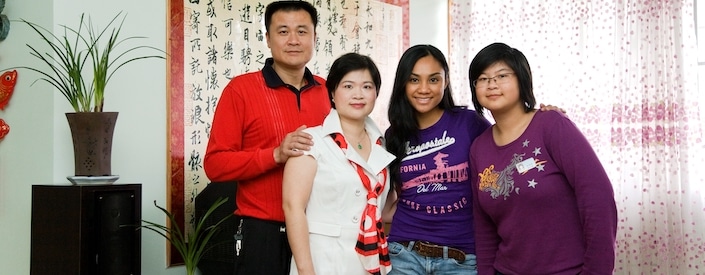
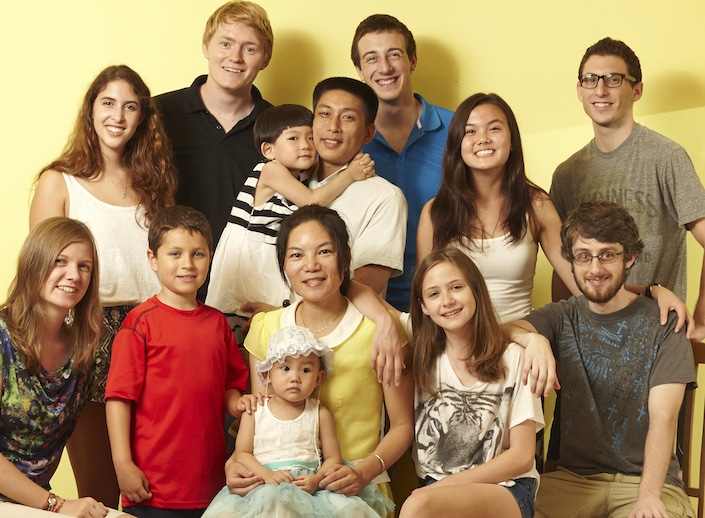
坐了很长时间的飞机以后,我终于到了机场。开始找我的寄宿家庭的时候,我觉得很累也有点儿紧张,因为我不知道会发生什么。能不能好好地跟他们住在一起?要是我不喜欢他们的菜怎么办?
我以前都没离开过家,可是现在到了中国成都!
不久,一位女士走过来,笑着问“你是Brian吗?”
她是赵太太,我寄宿家庭的妈妈。她给我介绍了她的丈夫赵先生,还有她的两个孩子,哥哥和妹妹。
那天我真的很累,所以一到她家,她给我看了我的房间以后,就跟我说晚安了。
虽然赵太太和赵先生,还有他们的孩子都很好,但是我还是很紧张。
第二天早上,我起床起得很早。每个人都坐到桌子旁边的时候,赵先生就叫我吃早饭。那是一碗有鸡蛋和辣椒的面!
“可是......这是早上,早饭......你们吃辣的面?”我不知道说什么了。
赵先生笑了,“对!这是成都的早饭,吃吧!”
我吃了一口那个很不一样的早饭,觉得真的很好吃。
吃完了早饭以后,哥哥问: “Brian,你喜欢打篮球吗?我和我朋友要去打篮球,你想去吗?”
“可以啊!感觉很好玩儿。” 我笑着说。
从那以后,我在中国生活再也不紧张了。
중국어에는 동사 활용이 없다는 말을 들어 보았을 것입니다. 그렇다면 중국어로 과거에 일어난 일은 어떻게 말할까요? 상조사 过 (guò)는 이 질문에 대한 답의 일부입니다.
过 (guo)는 이전에 해 봤거나 경험한 일을 말할 때 씁니다. 다음 구조로 사용합니다.
주어 + 동사 + 过 + 목적어
예를 들어:
我去过法国。
Wǒ qùguo Fǎguó.
나는 프랑스에 가 본 적이 있다.
위 예문에서 过 (guo)는 화자가 전에 프랑스에 가 본 적이 있음을 나타냅니다. 이 문장은 화자가 정확히 언제 프랑스에 갔는지, 몇 번 갔는지는 알려 주지 않습니다. 이 문장으로 알 수 있는 것은 화자가 과거 어느 시점에 적어도 한 번 프랑스에 가 본 경험이 있다는 것뿐입니다.
위 영어 문장에는 활용된 동사 “have”와 “been”, 그리고 “before”라는 단어가 들어 있지만, 중국어에서는 이런 요소가 모두 필요하지 않습니다. 过 (guo) 하나가 이 영어 단어 세 개를 합한 것과 같은 역할을 합니다.
过 (guo)는 의문문에도 자주 쓰입니다. 누군가 전에 어떤 일을 해 본 적이 있는지 알고 싶을 때 유용한 단어입니다.
예를 들어:
你吃过中国菜吗?
Nǐ chīguo Zhōngguó cài ma?
중국 음식을 먹어 본 적 있어요?
위 질문에서 过(guo)는 중국 음식을 먹어 본 경험이 있는지 물을 때 쓰였습니다.
이해를 돕기 위해 중국 음식을 한 번도 먹어 본 적이 없다고 가정해 봅시다. 그렇다면 过(guo)를 부정문에서 어떻게 쓰는지 알아야 합니다. 다음 구조를 활용하세요.
주어 + 没 + 동사 + 过 + 목적어
예를 들어:
我没有吃过中国菜。
Wǒ méiyǒu chīguo Zhōngguó cài.
저는 중국 음식을 먹어 본 적이 없습니다.
위 문장에서 过(guo)는 '한 번도 ~한 적이 없다'로 옮길 수 있으며, 화자가 해당 경험, 즉 중국 음식을 먹어 본 경험이 없음을 나타냅니다.
다른 예문을 살펴보겠습니다.
我没有离开过家。
Wǒ méiyǒu líkāiguo jiā.
저는 집을 떠나 본 적이 한 번도 없습니다.
위 문장에서 过(guo)는 화자가 집을 떠나 본 경험이 없음을 나타냅니다.
중국어에는 문장을 부정할 때 쓰는 말이 没(méi)와 不(bù) 두 가지가 있다는 것은 이미 아실 겁니다. 过(guo)를 써서 과거의 경험을 부정할 때는 반드시 没(méi)를 써야 하고 不(bù)는 쓸 수 없습니다. 둘은 서로 바꿔 쓸 수 없습니다.
虽然...但是(suīrán…dànshì)는 중국어에서 매우 유용하고 흔히 쓰이는 문법 패턴입니다. 영어의 “although”나 “even though”와 비슷합니다.
영어와 마찬가지로 보통 절이 두 개 이상인 문장에서 쓰이며, 첫 번째 절에서 어떤 상황을 제시하고 두 번째 절에서 그와 어긋나거나 상충해 보이는 내용을 말합니다.
영어에서 “although”가 있는 문장은 두 번째 절을 “but”으로 시작할 필요가 없습니다. 하지만 중국어에서는 虽然(suīrán)가 쓰인 문장의 두 번째 절을 반드시 但是(dànshì, 그러나)로 시작해야 합니다. 영어와 중국어의 이 큰 차이에 주의하세요.
可是(kěshì, 그러나)는 但是(dànshì) 대신 쓰이기도 합니다.
예문을 통해 虽然...但是(suīrán…dànshì)를 문장에서 어떻게 쓰는지 알아봅시다.
虽然赵太太很好,但是我还是很紧张。
Suīrán Zhào Tàitai hěn hǎo, dànshì wǒ háishì hěn jǐnzhāng.
자오 부인이 아주 친절했지만, 저는 여전히 긴장이 되었습니다.
위 예문에서 문장의 앞부분은 虽然(suīrán)로 시작하며, 자오 부인이 매우 친절하다는 사실을 제시해 나머지 문장의 배경을 만들어 줍니다.
다음 절에서는 但是(dànshì)를 써서 첫 번째 절의 상황과 다소 어긋나는 사실을 이어 갑니다. 보통은 친절한 사람이 있으면 마음이 편안해지리라 기대하지만, 이 경우 화자는 자오 부인의 친절함에도 불구하고 여전히 긴장하고 있습니다.
다른 예문을 살펴보겠습니다.
她虽然很年轻,但是她已经有自己的公司了。
Tā suīrán hěn niánqīng, dànshì tā yǐjīng yǒu zìjǐ de gōngsī le.
그녀는 아주 어리지만 이미 자기 회사를 갖고 있습니다.
여기서 첫 번째 절은 문장의 주어가 아주 어리다는 사실을 제시합니다. 그리고 문장 후반부에서는 주어가 이미 자기 회사를 가지고 있다는 사실이, 주어가 매우 어리다는 사실과 대비되는 뜻밖의 사실로 제시됩니다.
이 예문에서 虽然(suīrán)는 첫 번째 절의 맨 앞에 오지 않았습니다. 이 예문은 虽然(suīrán)가 첫 번째 절의 주어 앞에 올 수도 있고, 이 경우처럼 주어 뒤에 올 수도 있음을 보여 줍니다.
虽然(suīrán)의 위치는 문장의 의미를 바꾸지 않고 조정할 수 있지만, 但是(dànshì)의 위치는 바꿀 수 없으며 항상 두 번째 절의 맨 앞, 즉 쉼표 바로 뒤에 와야 합니다.
중국어에서 정도보어(程度补语 chéngdù bǔyǔ)는 동사나 형용사의 정도, 범위, 질을 수식하거나 설명할 때 쓰입니다. 이번 문법 포인트에서는 동사와 함께 쓰이는 정도보어를 중점적으로 살펴보겠습니다.
동사와 함께 쓰이는 정도보어는 그 동사가 나타내는 동작의 질을 말하는 방법입니다. 또한 동사가 나타내는 동작이 얼마나 잘, 혹은 얼마나 못 이루어졌는지를 설명할 때도 쓰입니다.
동사 뒤에 쓰일 때 정도보어는 다음과 같은 구조를 따릅니다.
주어 + 동사 + 得 + 정도보어
초급 학습자는 得(de) 자체가 정도보어라고 생각하기 쉽지만 그렇지 않습니다. 사실 得(de)는 구조조사라고 부르는 것으로, 중국어에서 여러 가지 문법 기능을 합니다. 동사와 정도보어를 연결하는 것은 그중 하나일 뿐입니다.
그렇다면 정도보어란 무엇일까요? 보통 정도보어는 부사와 형용사로 이루어진 서술적인 구인 경우가 가장 많습니다.
자주 볼 수 있는 정도보어를 몇 가지 소개합니다.
간단한 예문으로 이 표현들을 어떻게 쓰는지 살펴보겠습니다.
你做得很好。
Nǐ zuò de hěn hǎo.
당신은 아주 잘 해냈어요.
위 문장에서 你(nǐ; 당신)는 주어입니다. 很好(hěn hǎo; 매우 좋다)는 정도보어로, 주어가 동사 做(zuò; 하다)가 나타내는 동작을 얼마나 잘했는지를 알려 줍니다.
조사 得(de)는 동사와 정도보어 很好(hěn hǎo)를 이어 주며, 문장 속 인물이 무언가를 아주 잘했다는 것을 나타냅니다.
다음 예문에서도 같은 구조를 볼 수 있습니다.
这篇文章写得很不错。
Zhè piān wénzhāng xiě de hěn bùcuò.
이 글은 아주 잘 쓰였어요.
여기서 정도보어 很不错(hěn bùcuò; 매우 좋다)는 동사 写(xiě; 쓰다)를 수식하며, 글이 얼마나 잘 쓰였는지를 독자에게 알려 줍니다.
위의 예문은 비교적 간단하지만, 정도보어와 함께 문장에 목적어까지 넣으려고 하면 상황이 조금 까다로워집니다. 중국어에서는 목적어와 정도보어가 둘 다 동사 뒤에 올 수 없기 때문입니다.
문장이 동사 + 정도보어로 끝나도록 하려면, 목적어가 동사 앞에 오도록 두 가지 문법 전략 중 하나를 써야 합니다. 하나는 목적어를 동사 앞에 두는 방법이고, 다른 하나는 동사를 반복하는 방법입니다.
예를 들어 누군가가 영어를 잘한다고 말하고 싶다고 해 봅시다. 이 문장은 두 가지 방식으로 말할 수 있습니다.
你的英文说得很好。
Nǐ de Yīngwén shuō de hěn hǎo.
당신은 영어를 아주 잘합니다.
你说英文说得很好。
Nǐ shuō Yīngwén shuō de hěn hǎo.
당신은 영어를 아주 잘합니다.
위의 두 예문에서 英文(Yīngwén)가 목적어입니다. 영어에서는 보통 “You speak English very well.”처럼 동사 “speak” 뒤에 목적어를 둡니다. 하지만 중국어에서는 得(dé)와 정도보어만 동사 뒤에 올 수 있으므로, 앞서 말한 문법 전략 중 하나를 써서 목적어를 앞으로 옮겨야 합니다.
위의 예문 1에서는 목적어 英文(Yīngwén)가 동사 说(shuō) 앞에 옵니다. 예문 2에서는 동사 说(shuō)가 반복됩니다. 문법은 다르지만 두 문장의 의미는 같습니다.
중국어를 계속 배우다 보면 동사 부분과 목적어 부분으로 이루어진 이합사라는 동사가 있다는 것을 알게 됩니다. 睡觉(shuìjiào; 자다)처럼 이미 배웠을 수도 있는 동사 중에도 이 특별한 범주에 속하는 것이 있습니다.
이런 특별한 동사의 자세한 내용은 나중에 더 배우게 되니 지금은 너무 걱정하지 않아도 됩니다. 지금은 이합사의 동사 부분도 정도보어와 함께 쓰일 때 반복된다는 점만 알아 두세요. 일부 초보자에게는 헷갈릴 수 있습니다.
예를 들어:
我起床起得很早。
Wǒ qǐchuáng qǐ de hěn zǎo.
저는 일찍 일어납니다.
이 예문에서는 이합사 起床(qǐchuáng; 일어나다; 침대에서 일어나다)의 起(qǐ) 부분이 반복됩니다. 동사의 목적어 부분인 床(chuáng)가 문장에서 동사 뒤에 오지 않게 하기 위해서입니다.
坐了很长时间的飞机以后,我终于到了机场。开始找我的寄宿家庭的时候,我觉得很累也有点儿紧张,因为我不知道会发生什么。能不能好好地跟他们住在一起?要是我不喜欢他们的菜怎么办?
我以前都没离开过家,可是现在到了中国成都!
不久,一位女士走过来,笑着问“你是Brian吗?”
她是赵太太,我寄宿家庭的妈妈。她给我介绍了她的丈夫赵先生,还有她的两个孩子,哥哥和妹妹。
那天我真的很累,所以一到她家,她给我看了我的房间以后,就跟我说晚安了。
虽然赵太太和赵先生,还有他们的孩子都很好,但是我还是很紧张。
第二天早上,我起床起得很早。每个人都坐到桌子旁边的时候,赵先生就叫我吃早饭。那是一碗有鸡蛋和辣椒的面!
“可是......这是早上,早饭......你们吃辣的面?”我不知道说什么了。
赵先生笑了,“对!这是成都的早饭,吃吧!”
我吃了一口那个很不一样的早饭,觉得真的很好吃。
吃完了早饭以后,哥哥问: “Brian,你喜欢打篮球吗?我和我朋友要去打篮球,你想去吗?”
“可以啊!感觉很好玩儿。” 我笑着说。
从那以后,我在中国生活再也不紧张了。
 HSK 1 | 우리 아빠는 차 마시는 걸 좋아해요
 HSK 1 | 우리 집 강아지
 HSK 2 | 우리 버스 기사님, 류 씨
 HSK 3 | 중국 남부에서 북부로 이사하기