
要点速览
  • Chinese New Year (春节 Chūnjié), also called the Spring Festival, is the most important holiday in the 中国节假日日历每年一月或二月庆祝。
  • 假期持续15天,正式结束于…… 元宵节 (元宵节 Yuánxiāojié).
  • 常见的传统习俗包括赠送红包、家庭团聚晚餐、装饰灯笼和参拜寺庙。
  • 蒸鱼、饺子、年糕等吉祥食物都蕴含着源于中国文字游戏和文化的象征意义。

或许是最重要的 中国节日, 中国新年 is celebrated worldwide each January or February. Also called the Spring Festival (春节 Chūnjié), it marks the beginning of the new year according to the traditional 中国农历.

中国新年春节庆祝活动
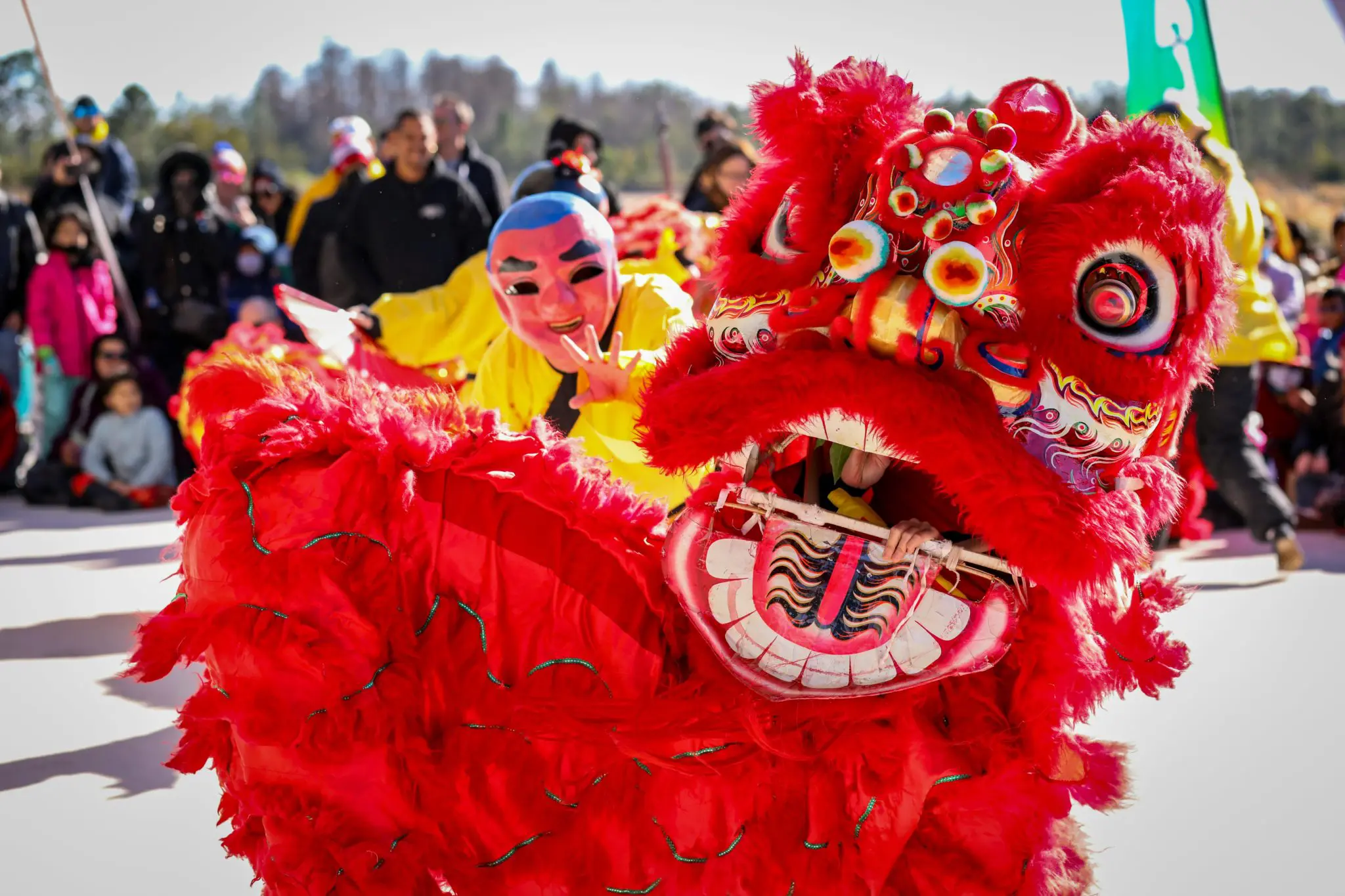
中国新年——春节——是一个为期15天的庆祝活动,以家庭团聚、红色装饰和东亚地区流传数百年的习俗为中心。

春节在15天后正式结束。 元宵节 (元宵节 Yuánxiāo jié). Whether you're learning Mandarin, planning to 在中国学中文如果您对这种非凡的文化传统感到好奇,或者只是想了解它,那么本指南将涵盖从食物和问候到禁忌和星座的一切内容。

春

01 中国人如何庆祝新年?

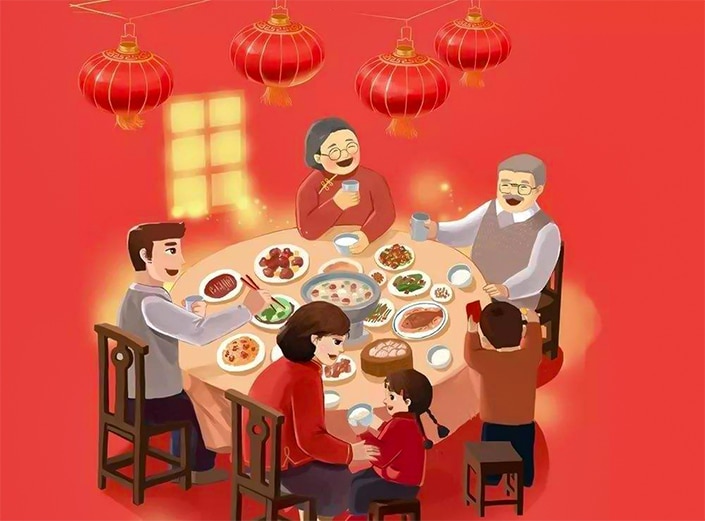
春节是家人团聚、互赠压岁钱的时刻。 红包(红包, hóngbāo)尽情享用美味的中国菜。中国新年是一个为期15天的假期,各地庆祝活动形式不尽相同,但许多习俗在全国范围内是共通的。

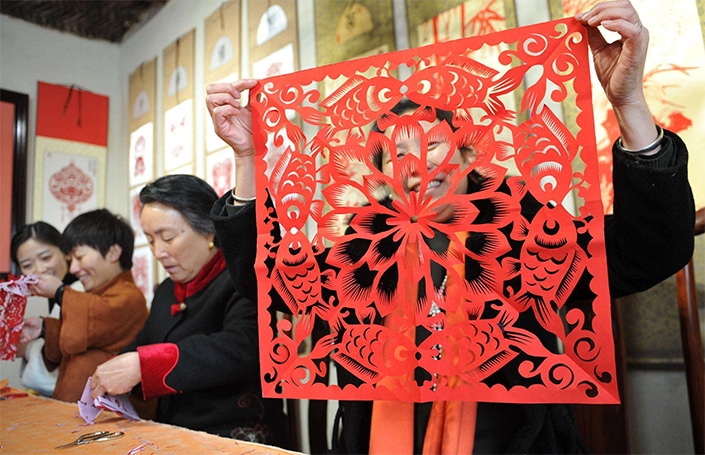
用……装饰房屋是一种常见的做法 中国灯笼在许多家庭中,你还会发现吉祥的 中国文字 还有贴在门上的红纸对联。

红色被认为是吉祥的颜色,因为它据说可以吓走…… 年妖穿新衣服也是一种常见的传统——新年伊始,万物皆需焕然一新。

Chinese New Year is an important time to 拜年 (bàinián, to pay a new year call), so it is common practice to visit relatives and exchange auspicious greetings and 中国礼品,包括曾经风靡一时的幸运红包,里面装满了 中国货币. 虔诚的佛教徒和道教徒也经常到当地寺庙迎接新年。

这个节日甚至影响了邻近文化的传统节日,包括韩国、越南、蒙古和日本。这充分证明了春节在东亚文明中根深蒂固。

春节装饰品和红纸对联,迎接中国新年
春节是一个为期15天的节日,以家庭团聚、红色装饰和服装象征好运、走亲访友、参拜寺庙、互赠礼物和红包等传统习俗为中心,这些习俗对东亚周边文化产生了影响。
食

02 过年吃什么食物?

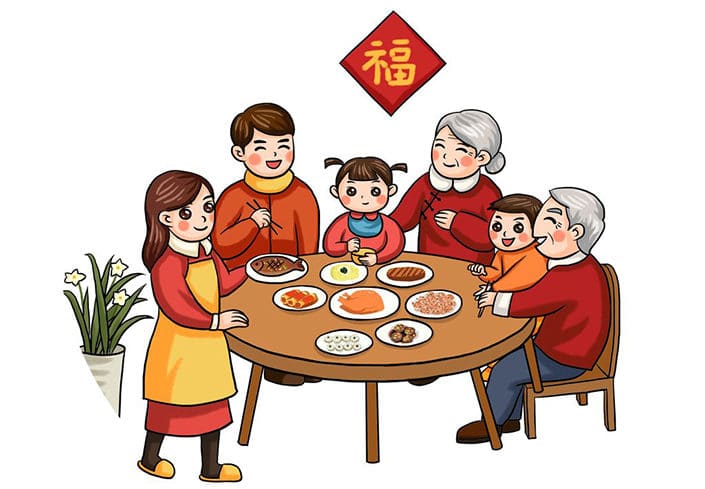
家庭 春节在中国传统文化中占据核心地位,并且与家人团聚有着深厚的渊源。除夕夜 团圆晚宴 (年夜饭 niányèfàn) kick-starts the tradition of family reunions.

事实上,中国春节标志着世界上规模最大的年度人口迁徙。海外华人和中国务工人员纷纷返乡与家人团聚,欢度佳节。

中国新年团圆饭盛宴
春节是一个以家庭为中心的节日,以除夕夜的团圆饭和世界上规模最大的年度人口迁徙为标志,人们纷纷返乡与家人团聚。

虽然中国南北方的传统习俗有所不同,但以下是一些团圆饭上最常见的“吉祥食物”及其象征意义:

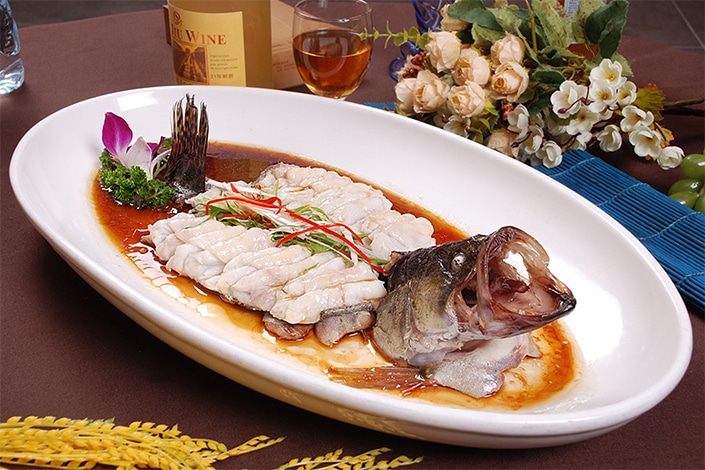
1. Steamed Fish | 蒸鱼 | zhēng yú

The Chinese language is full of homophones (同音词 tóngyīncí) — and many Spring Festival foods get their symbolic meaning from sound. "Fish" (鱼 yú) shares its pronunciation with "surplus" (余 yú), giving rise to the New Year greeting 年年有余 (niánnián yǒuyú), meaning "may you have a surplus of blessings every year."

因此,吃清蒸鱼象征着财富的增长。

春节蒸鱼
Steamed fish (蒸鱼 zhēng yú) is eaten during Chinese New Year because "fish" (鱼 yú) sounds like "surplus" (余 yú), symbolizing year-after-year abundance.

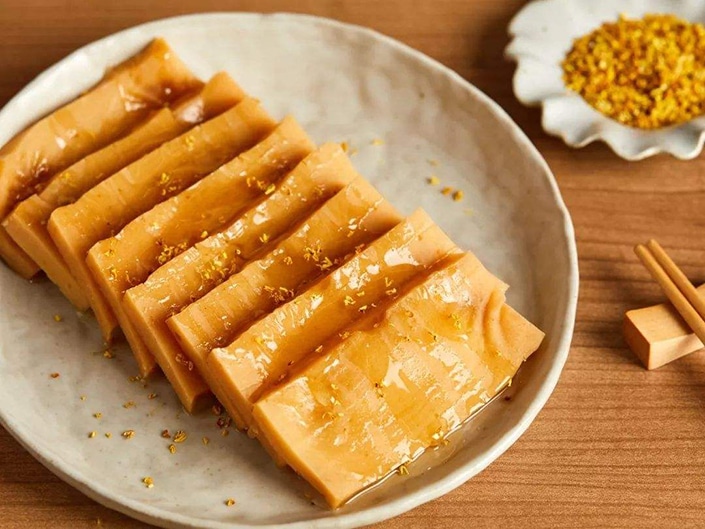
2. New Year Cake | 年糕 | niángāo

Sticky rice cakes symbolize a prosperous year to come, as "cake" (糕 gāo) shares its pronunciation with "high" or "lofty" (高 gāo). This echoes the greeting 年年高升 (niánnián gāoshēng; "advance year after year").

年糕是春节期间必不可少的食品。

春节糯米糕
糯米糕是春节期间必不可少的食物,因为它的名字发音与“高”相似,象征着繁荣和年复一年的进步。

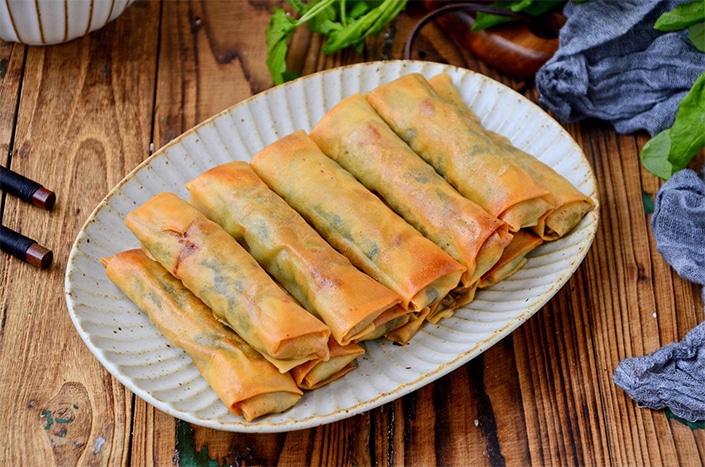
3. Spring Rolls | 春卷 | chūnjuǎn

没有春卷,怎能迎接春天?春卷原本是春季特有的时令食品,吃春卷是庆祝新季节到来的一种方式。

它们的金色也象征着财富和繁荣。

春卷是春节的特色菜。
Spring rolls (春卷 chūnjuǎn) are eaten during Chinese New Year to welcome the arrival of spring, with their golden color symbolizing wealth and prosperity.

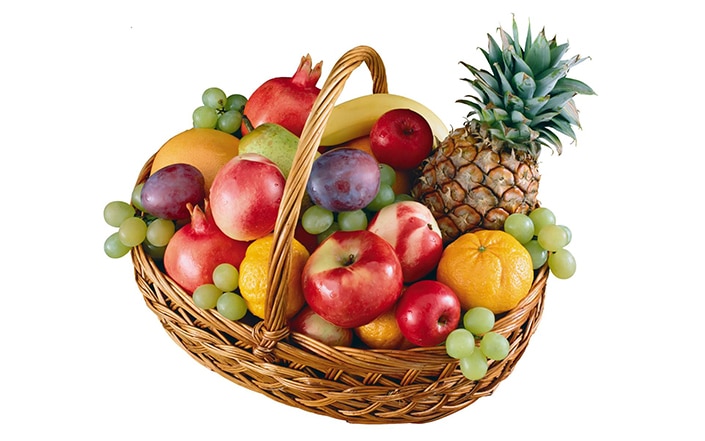
4. Fruits | 水果 | shuǐguǒ

春节期间,人们常常以水果作为甜点和零食享用。水果象征着生命和新的开始,也是新年走亲访友时常见的馈赠佳品。

春节水果
Fruits (水果 shuǐguǒ) are commonly enjoyed and gifted during Spring Festival, symbolizing life, renewal, and new beginnings.

5. Dumplings | 饺子 | jiǎozi

Due to their resemblance to ancient imperial coins (元宝 yuánbǎo), dumplings represent wealth and good fortune. They are one of the most universally beloved Spring Festival foods.

想了解更多关于中国饮食文化的内容,请参阅我们关于中国餐桌礼仪的指南。

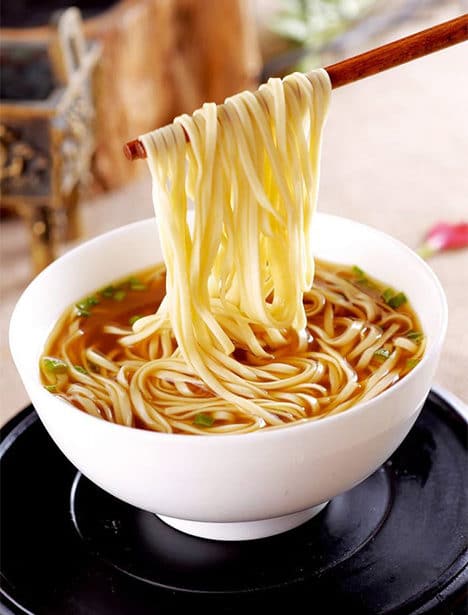
6. "Longevity Noodles" | 长寿面 | chángshòumiàn

这种扁平的粤式鸡蛋面通常在春节等特殊场合供应。 中国的生日它们长长的、未剪断的丝象征着长寿——诀窍是一口吃掉它们而不弄断它们。

春节长寿面
顾名思义,这些长面条象征着长寿和健康长寿。诀窍在于一口吃掉,不要切断。

7. Tangyuan | 汤圆 | tāngyuán

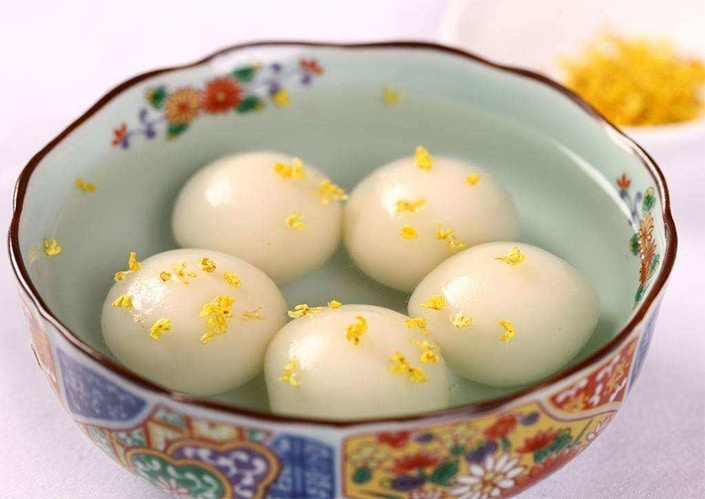
新年假期的第十五天,也是最后一天,人们会庆祝…… 元宵节 (元宵节 Yuánxiāojié). During this time, it is traditional to eat tāngyuán (汤圆) — sweet glutinous rice balls filled with sesame, peanut, or red bean paste.

它们圆形的形状象征着团结和家庭团聚。

元宵节的汤圆
The Lantern Festival marks the final day of Chinese New Year and is celebrated by eating round sweet rice balls (tāngyuán) that symbolize family reunion and togetherness.
语

03 如何用中文说新年快乐

你想用中文祝朋友、同事或爱人新年快乐吗?继续阅读,学习这句喜庆的祝福语以及更多内容。

务必咨询 CLI's 音频拼音表 获得完整的中文发音指南。

文化小知识

In China, people often accompany these greetings with a fist salute (抱拳礼 bàoquánlǐ). This method of greeting is mainly used during formal occasions, so it's best to avoid it during casual encounters.

1. 新年快乐 (Xīnnián Kuàilè) — Happy New Year!

Saying "Xīnnián Kuàilè" is the simplest and most widely recognized way to wish your Chinese friends, family, and colleagues a happy new year. If you're looking to improve your pronunciation, this is a great phrase to practice using CLI's 音频拼音表.

2. 恭喜发财 (gōngxǐ fācái) — May you have a prosperous year!

并肩 新年快乐, this is probably the most popular saying you'll hear around Chinese New Year. It has featured in countless 贺年歌曲 (hènián gēqǔ, Chinese New Year songs) and literally means "congratulations, make a fortune!"

这是一句非常适合用来表达节日气氛的短语。

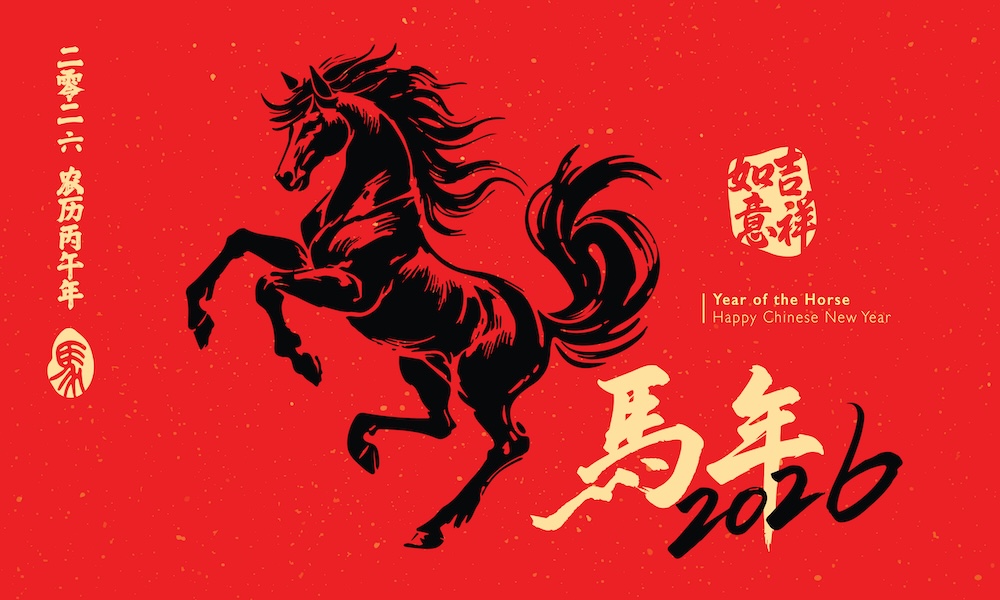
3. 马年大吉 (mǎnián dàjí) — Happy Year of the Horse (2026)

大吉 (dàjí) means "very auspicious" or "very lucky." You can put any zodiac animal before 大吉 as a year-specific greeting.

你也可以说 大吉大利 (dàjídàlì), meaning "good luck and great prosperity." To learn more about this year's sign, see our guide to the 马年.

2026 马年
马年快乐! 马年大吉 (mǎnián dàjí).

4. 岁岁平安 (suìsuì píng'ān) — May you have peace year after year

A wonderful example of Chinese wordplay: breaking something during Chinese New Year is considered a taboo, as it is believed to bring bad luck. However, if something does break, you can say "碎碎平安“(suìsuì píng'ān), which sounds identical to "岁岁平安“(suìsuì píng'ān).

建立 碎 means "to break" and 岁 means "year," this clever homophone transforms bad luck into a peaceful blessing.

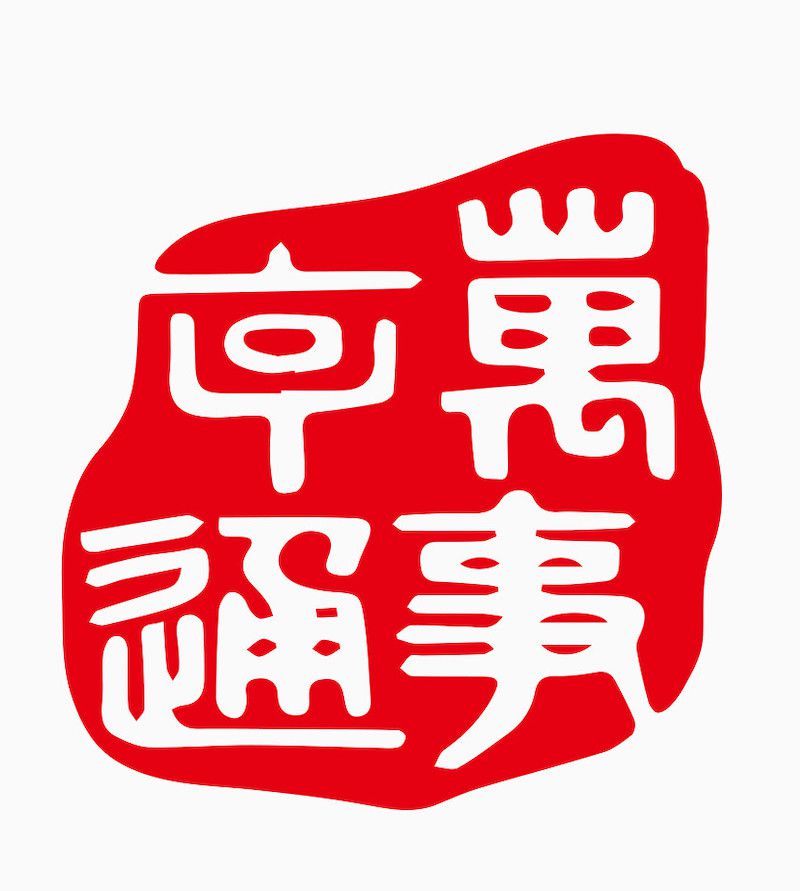
5. 万事如意 (wànshìrúyì) — May all your hopes be fulfilled

万 literally means "ten thousand" or "a great number." When you say 万事如意 to a Chinese friend, you are wishing that all their ten thousand matters (万事) go according to their wishes (如意).

这是你能表达的最真挚的问候之一。

万事如意——愿你所有的希望都实现
万事如意 literally means "may all things go according to your wishes," using 万 to signify "ten thousand" or "a great number."
忌

04 春节期间有哪些禁忌?

抛开所有吉祥的寓意不谈,春节期间也有一些必须避免的禁忌。了解这些禁忌是顺利度过春节的关键。 中国社会习俗 尊敬。

1.不用清洗!

任何“春季大扫除”都必须在新年之前进行,绝不能在新年假期期间进行。这样才能让清理过的空间充满来年新的祝福和好运。

假期期间进行大扫除可能会把新获得的财富扫走。

2. 不穿黑不穿白!

在中国色彩象征中,黑色代表邪恶,白色与死亡和葬礼相关。因此,人们在新年期间会穿戴红色和金色等吉祥的颜色。

3.不剪头发!

发 fā (hair) shares its character and sound with 发财 fā cái (to get rich). Cutting your hair during the new year therefore symbolizes a loss of fortune — a risk no one wants to take.

4. 没有破碎的东西!

碎 suì means "to break," while 岁 suì means "age" or "year." If something does break, saying "碎碎平安“(suì suì píng ān) — which sounds exactly the same as "岁岁平安" ("may you have peace year after year") — is the clever fix.

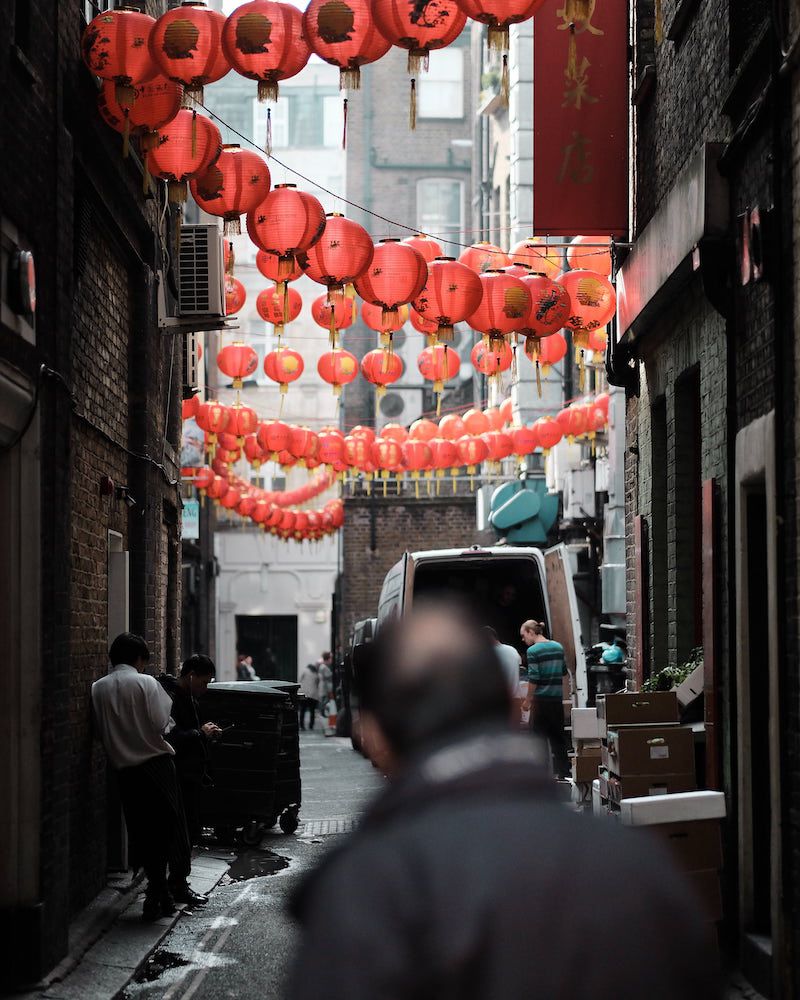
春节期间,巷子里挂满了红灯笼。
春节期间,常见的禁忌包括避免打扫卫生、穿黑色或白色衣服、剪头发或摔东西,因为人们认为这些行为会象征性地赶走新年的好运、财富与和平。
历

05 为什么叫“农历新年”?

“月亮节”一词源于英语,主要是因为这个节日从新月开始,到15天后的满月结束——因此它是基于…… 中国农历. The holiday's Chinese name, 春节 Chūnjié, literally means "Spring Festival."

要更深入地了解月份、闰年、太阳年和黄道周期之间的联系,请参阅我们的详细指南。 农历.

元宵节的满月和灯笼
The term "Lunar" New Year comes from the holiday's basis in the Chinese lunisolar calendar, beginning with the new moon and ending with the full moon, while its Chinese name 春节 (Chūnjié) means "Spring Festival."
生

06 中国生肖动物标志

中国新年也是生肖更迭之时,每年都会对应一个特定的动物。如果您想先对生肖系统有个大致了解,请参阅我们的指南。 中国十二生肖.

To ask your Chinese friends or colleagues what their zodiac animal is, say: "你属什么?(nǐ shǔ shénme?)." 属 (shǔ) means "to belong to" or "to be born in the year of."

In response, say 我属 (wǒ shǔ) + the animal. For example: "我属马“(Wǒ shǔ mǎ, "I was born in the 马年“)。

今年,2026年,是 马年如果您想了解自己的星座,请参阅我们的完整指南。 十二生肖动物 以及他们的性格特征。

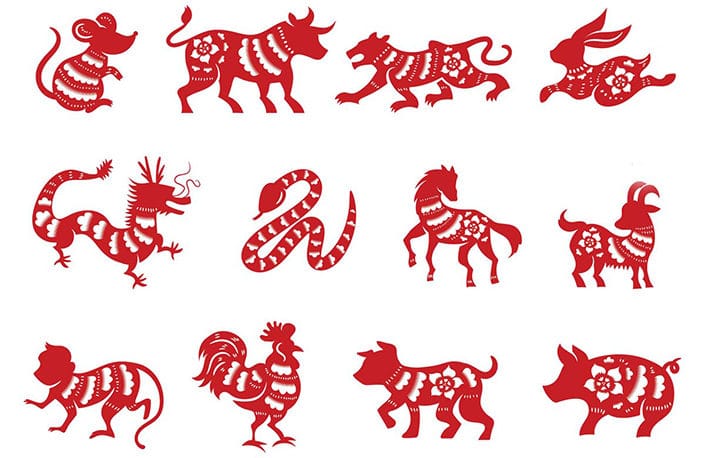
12 种中国生肖动物
Chinese New Year marks the change of the annual zodiac animal. People commonly ask each other about their zodiac sign using phrases like 你属什么 (nǐ shǔ shénme) 以及 我属马 (wǒ shǔ mǎ).
CLI 老师和学生在桂林上一对一中文课

在桂林学中文,或从线上开始

喜爱中文(CLI)围绕你的目标,提供个性化的中文教学。你可以参加我们在桂林的沉浸式项目,也可以在任何地方从一节免费中文课开始。

词

07 春节汉语词汇

以下词汇将帮助您用普通话谈论中国新年。如果您正在拓展词汇量,我们的 中文单词卡片指南 是很好的辅助资源。

中文 拼音 含义
春节 Chūnjié 春节
新年快乐 Xīnnián Kuàilè 新年快乐!
恭喜发财 gōngxǐ fācái 祝您新年快乐,万事如意!
万事如意 wànshìrúyì 愿你所有的愿望都能实现。
岁岁平安 suìsuì píng'ān 愿你年年平安。
马年大吉 mǎnián dàjí 祝您马年快乐(2026)
红包 hóngbāo 红包(内装钱)
年夜饭 niányèfàn 新年团圆晚宴
拜年 bàinián 新年来访
元宵节 Yuánxiāojié 元宵节(春节的最后一天)
春运 chūnyùn 春运出行高峰
生肖 shēngxiào 生肖
年糕 niángāo 新年蛋糕;糯米蛋糕
饺子 jiǎozi 水饺
汤圆 tāngyuán 甜糯米团(元宵节甜点)
庆

08 参加春节庆祝活动并练习您的中文

If you're in China during Spring Festival, there's no better time to experience the holiday firsthand by joining celebrations with friends or colleagues. Keep in mind that many people will be traveling during this period as part of the famous Spring Festival travel rush (春运 chūnyùn). If you'd like to be in China for it, a January start on CLI's 桂林春季学期 让你在 2027 年春节期间也能享受课程,课程将持续到假期结束。

如果您计划旅行——尤其是 乘搭火车 — 务必提前购买门票。

如果你不在中国,可以联系当地的华人社区,参加节日活动,并考虑做志愿者帮忙筹备春节庆祝活动。这是深入体验中国文化和练习地道普通话的绝佳方式。

对于那些想要通过更有条理的方式达到流利水平的人来说,不妨考虑探索一下 CLI's 中文沉浸式课程 在桂林——中国风景最优美、最热情好客的城市之一。如果您正在考虑从国外预订,我们的 在线中文课程 让你在到达之前就能轻松地打下坚实的基础。

中国新年美食和庆祝活动
通过文化活动和社区互动,体验中国新年的魅力。

既然你已经知道了一些中国新年祝福语,那就好好利用它们吧!谨代表…… CLI 球队:

祝大家新年快乐,身体健康,万事如意!
Zhù dàjiā xīnnián kuàilè, shēntǐ jiànkāng, wànshì rúyì!
祝您新年快乐,身体健康,万事如意!

问

09 常见问题

为什么春节每年的日期都不一样?

中国新年紧随其后 中国农历而不是公历。它从农历第一个月的第一天开始,因此它的公历日期每年都会变化——通常在1月下旬到2月中旬之间。

中国新年持续多久?

春节假期持续15天,正式结束于…… 元宵节 农历正月十五。

最常见的中国新年祝福语是什么?

The most widely used greeting is 新年快乐 (Xīnnián Kuàilè), meaning "Happy New Year." 恭喜发财 (gōngxǐ fācái), wishing prosperity, is equally popular.

中国新年有哪些禁忌?

常见的禁忌包括在节日期间打扫房屋、穿黑色或白色的衣服、剪头发、摔东西——所有这些都被认为会在新的一年里带来厄运或赶走好运。