我从来没想过,一个节日可以这么吵。端午节上午,漓江边上挤满了人。大人把孩子举得高高的,卖东西的人大声叫着,远处有人在试鼓。江上停着八条龙舟,又长又细,船头是一个彩色的龙头。我的中国朋友小周说,比赛十点才开始,我们可以先去看看江边的一块大牌子。
I had never imagined a festival could be this loud. On the morning of the Dragon Boat Festival, the bank of the Li River was packed with people. Parents held their children up high, vendors shouted out what they were selling, and somewhere in the distance someone was trying out a drum. Eight dragon boats waited on the river, long and narrow, each with a brightly colored dragon head at the front. My Chinese friend Xiao Zhou said the race wouldn't start until ten, so we could first go and look at a big sign by the river.
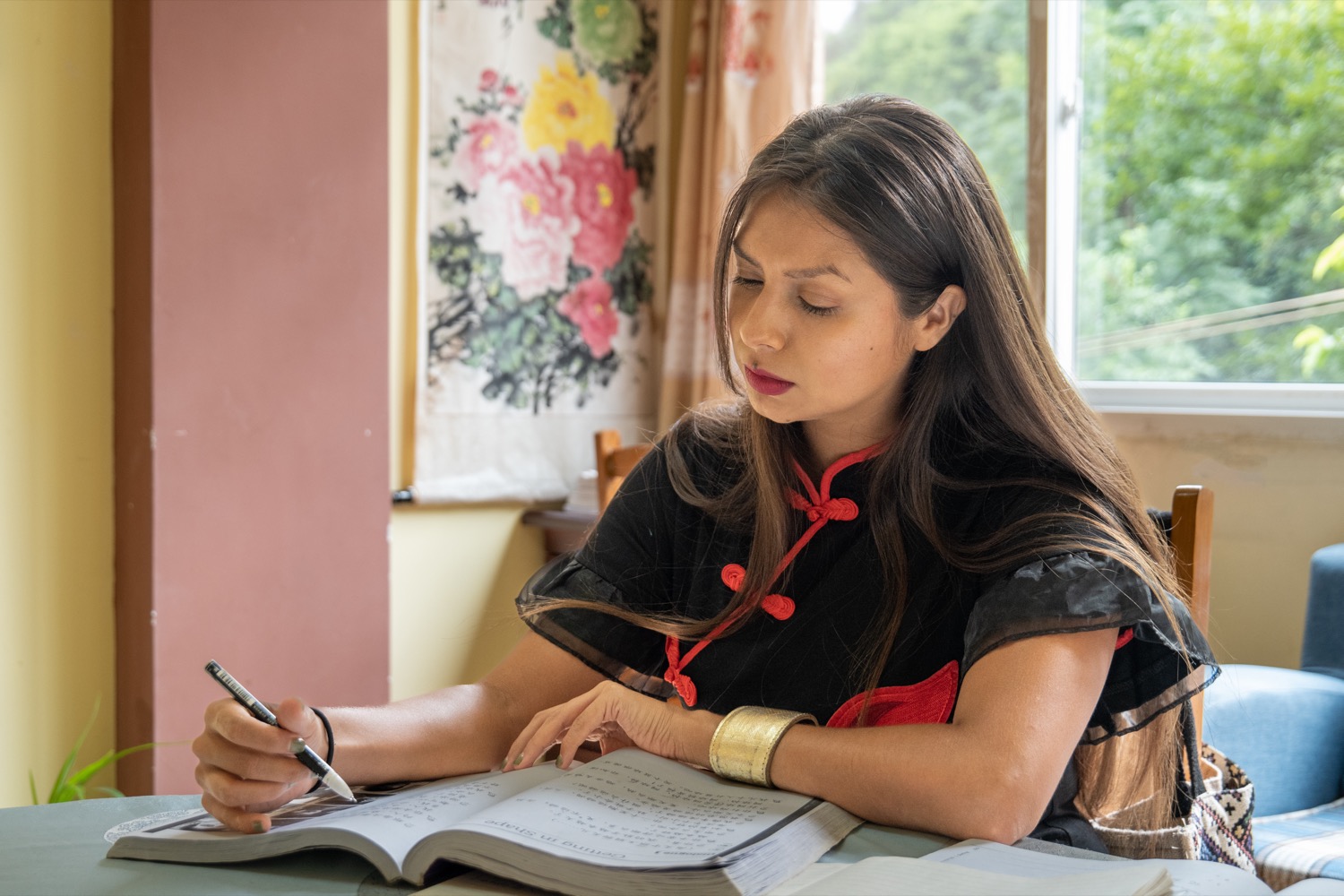
牌子上写着端午节的故事,我一个字一个字地读,不认识的字就问小周。两千多年以前,中国有一个国家叫楚国,楚国有一位大诗人,叫屈原。他非常爱自己的国家,常常给国王提建议,希望楚国变得更强大。可是国王不听,反而相信了坏人,把他赶出了首都。后来,楚国的首都被秦国打下来了,屈原伤心极了,在农历五月初五那天跳进了汨罗江。
The sign told the story of the Dragon Boat Festival. I read it character by character, and whenever I didn't know one, I asked Xiao Zhou. More than two thousand years ago, there was a state in China called Chu, and Chu had a great poet named Qu Yuan. He loved his country deeply and often gave the king advice, hoping to make Chu stronger. But the king wouldn't listen. Instead, he believed bad people and drove Qu Yuan out of the capital. Later, the state of Qin captured the capital of Chu. Qu Yuan was heartbroken, and on the fifth day of the fifth lunar month he threw himself into the Miluo River.
老百姓听说以后,马上划着船到江上去找他,可是怎么找也找不到。大家怕江里的鱼吃屈原的身体,于是把米饭扔进江里,让鱼吃米,别吃屈原。据说,后来人们用叶子把米包起来,这就是最早的粽子;划船找屈原,也慢慢变成了今天的龙舟比赛。我刚读完,江上的鼓声就突然响了起来。
When the ordinary people heard, they rowed their boats out onto the river right away to look for him, but no matter how hard they searched, they couldn't find him. Everyone was afraid the fish in the river would eat Qu Yuan's body, so they threw rice into the river to make the fish eat rice instead of Qu Yuan. People say that later on, people wrapped the rice in leaves, and those were the very first zongzi; rowing out to find Qu Yuan slowly became today's dragon boat races. I had just finished reading when the drums on the river suddenly started to pound.
每条船上坐着二十多个人,最前面有一个人敲鼓。划船的人跟着鼓声一起用力,龙舟像飞一样往前冲。江边的观众一起喊:“加油!加油!”最后,一条红色的龙舟最先到了终点。船上的人高兴得跳了起来,有两个人一下子掉进了水里,又笑着爬回了船上。
More than twenty people sat in each boat, and one person at the very front beat a drum. The rowers pulled together to the beat, and the boats shot forward as if they were flying. The crowd on the bank shouted together, "Go! Go!" In the end, a red dragon boat reached the finish line first. The people in the boat jumped up with joy, and two of them tumbled into the water, then climbed back into the boat, laughing.
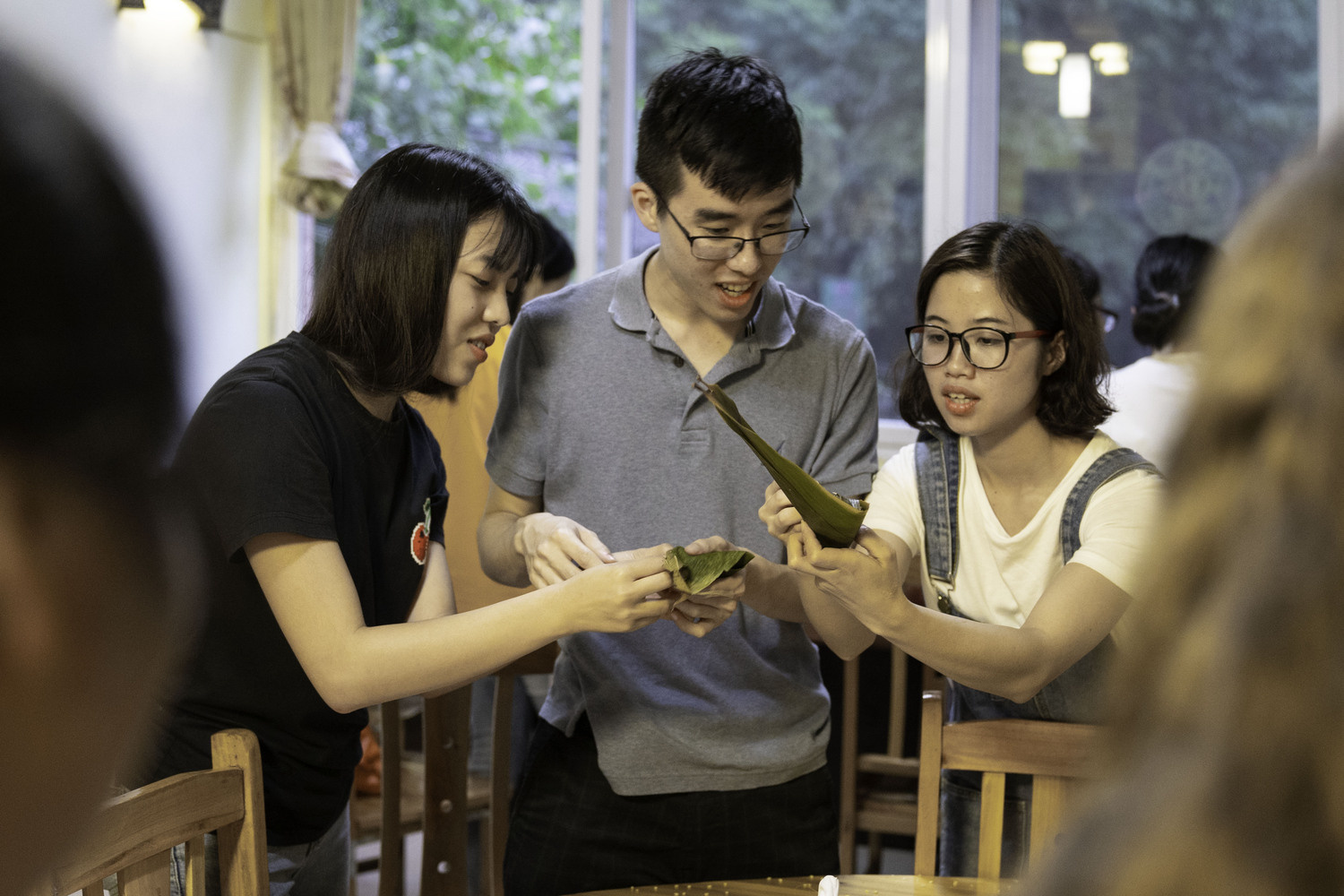
下午,我们回到小周家,周奶奶正坐在桌子旁边包粽子。桌子上放着一大盆白白的糯米和一堆绿色的叶子。奶奶笑着说:“你们来得正好,一起包吧!”她拿起两片叶子,叶子在她手里很快就变成了一个小口袋。她往口袋里放了一些糯米和一块肉,再把它包紧,不到一分钟就包好了一个。我学着她的样子包,可是我包的粽子不是米掉出来,就是叶子一下子开了,看起来像一个生病的小枕头。小周拿起我的“小枕头”,认真地拍了一张照片,说要留着做纪念。
In the afternoon we went back to Xiao Zhou's home, where Grandma Zhou was sitting at the table wrapping zongzi. On the table sat a big bowl of white sticky rice and a pile of green leaves. Grandma smiled and said, "You came at just the right time. Let's wrap them together!" She picked up two leaves, and in her hands they quickly turned into a little pocket. She put some sticky rice and a piece of meat into the pocket, wrapped it up tight, and had one done in under a minute. I copied the way she did it, but with my zongzi, if the rice wasn't falling out, the leaves were popping open, and they looked like sick little pillows. Xiao Zhou picked up one of my "little pillows," solemnly took a photo of it and said he was keeping it as a souvenir.
晚上回到宿舍,我拿出奶奶送给我的粽子——当然,不是我包的那个。粽子还热着,一打开,满屋子都是叶子的香味。明年端午节,我一定要包一个不漏米的粽子。
That evening, back in my dorm, I took out a zongzi Grandma had given me. Not one of mine, of course. It was still warm, and as soon as I opened it, the whole room smelled of the leaves. Next Dragon Boat Festival, I'm going to wrap a zongzi that doesn't leak rice.