“阿姨,一碗米粉!”那天早上,一个外国学生走进了我的小店。我的店在学校旁边,一碗米粉十块钱。他吃完以后,拿出一张一百块的。我有点儿不好意思地说:“我这里没有零钱找你,你扫码吧!”他看着我,好像不知道“扫码”是什么意思。
"Auntie, a bowl of rice noodles, please!" That morning, a foreign student walked into my little shop. My shop is next to a school, and a bowl of noodles costs ten yuan. When he finished eating, he took out a hundred-yuan note. I felt a little bad. "I don't have change for you," I said. "Just scan the code!" He looked at me as if he didn't know what "scan the code" meant.
我拿起桌子上的一张小纸给他看,上面有一个二维码。这时候,旁边的人吃完了,拿出手机扫了一下,就走了。外国学生明白了,可是他说:“我的手机还不能付钱。”我说:“没关系,明天再给吧!”
I picked up a small piece of paper from the table and showed it to him. There was a QR code on it. Just then, the man beside him finished eating, took out his phone, scanned it and left. The student understood, but he said, "My phone can't pay yet." "That's all right," I said. "Pay me tomorrow!"
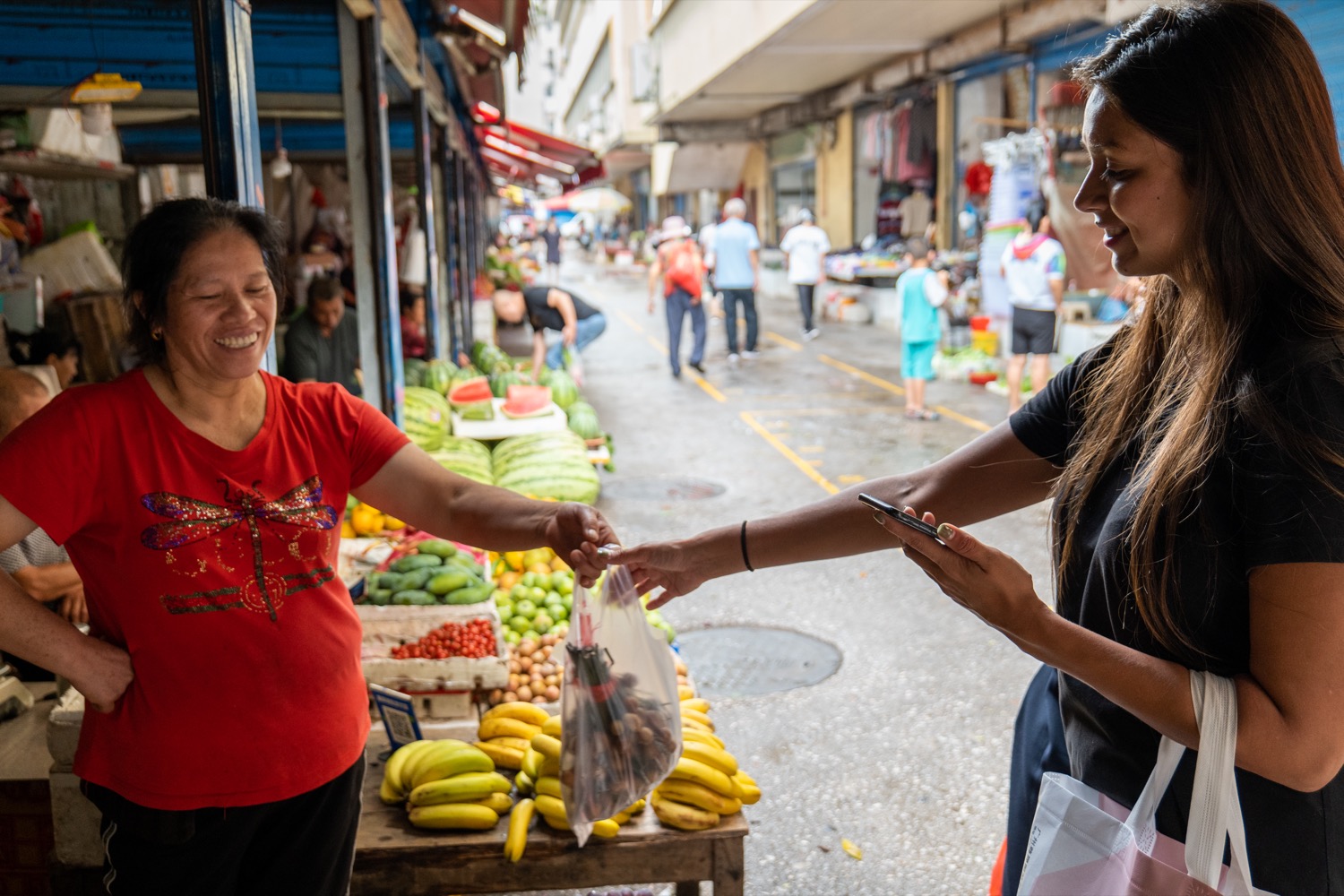
第二天早上,他又来了。他说,他的中国朋友已经教他怎么用手机付钱了。他扫了我的二维码,付了两碗的钱:昨天的和今天的。他告诉我,他以为在中国买东西,一定要用现金。我告诉他,现在很多人出门都不带钱包,只带手机。桂林到处都有二维码,路边卖水果的奶奶也有一张。他不太相信。
The next morning he came back. He said his Chinese friend had already taught him how to pay with his phone. He scanned my QR code and paid for two bowls, yesterday's and today's. He told me he'd thought you had to pay cash when you buy things in China. I told him that these days lots of people don't take a wallet when they go out, only their phones. There are QR codes everywhere in Guilin. Even the grandma selling fruit by the road has one. He didn't really believe me.
那天晚上,他又来吃米粉,高兴地告诉我:“阿姨,您说得对!我发现超市里有,饭馆里有,水果店里也有!”
That evening he came back for noodles again and told me happily, "Auntie, you were right! I found QR codes in the supermarket, in restaurants, even in the fruit shop!"
现在,他每天早上都来吃米粉。他还没进门,就已经拿出了手机。
Now he comes for noodles every morning. Before he's even through the door, his phone is already out.