
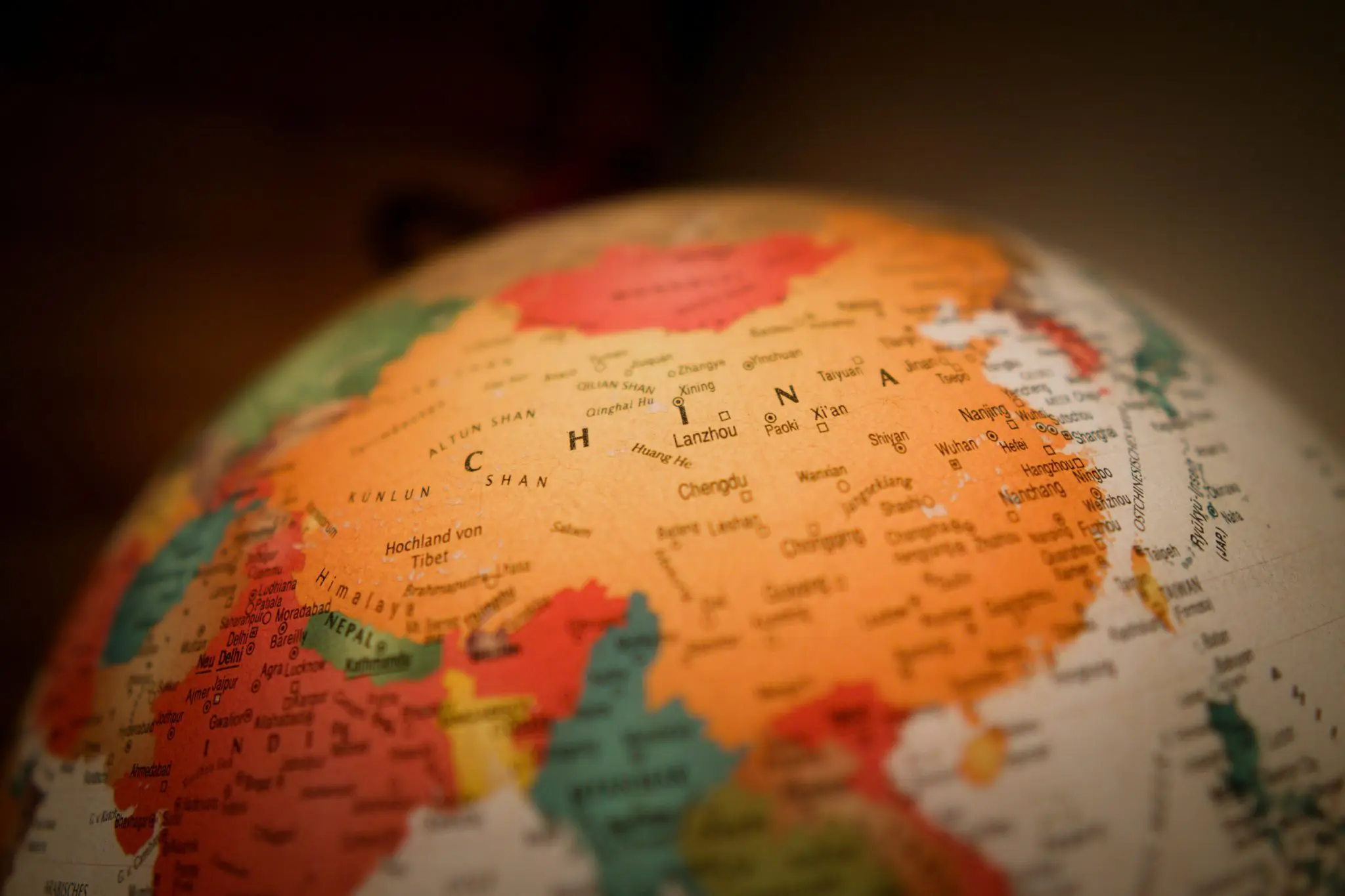
- The Chinese name for China, 中国 (Zhōngguó), literally means “Middle Kingdom,” and Chinese maps reflect this central worldview.
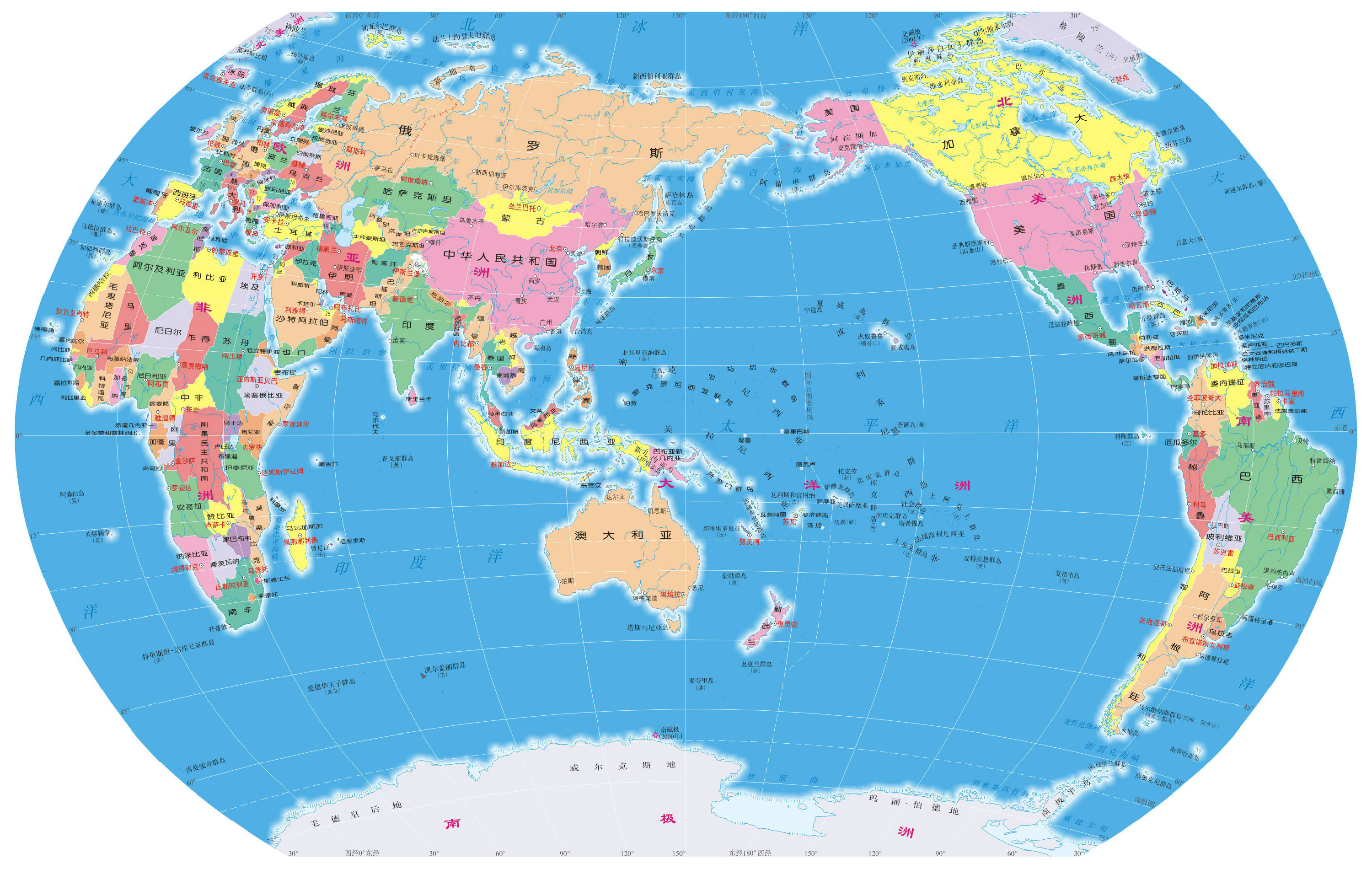
- Chinese world maps typically place China near the center, while Western maps often center on Europe and Africa.
- Modern Chinese maps include sensitive territorial claims such as the South China Sea, the Senkaku/Diaoyu Islands, and parts of the Sino-Indian border.
- Maps made in China use their own GCJ-02 coordinate system, which shifts every point by roughly 100 to 700 meters, so a raw GPS position can look misplaced on them.
- The outline of China is often said to resemble a rooster, 公鸡 (gōngjī).
It’s in the name! The Chinese word for China fuses two characters, 中 (zhōng), meaning middle or central, and 国 (guó), meaning kingdom or country.
Together, these characters form 中国: Middle Kingdom. China’s maps, and arguably much of its sense of its own history and place in the world, can be deduced from these two characters.
01 The center of the universe
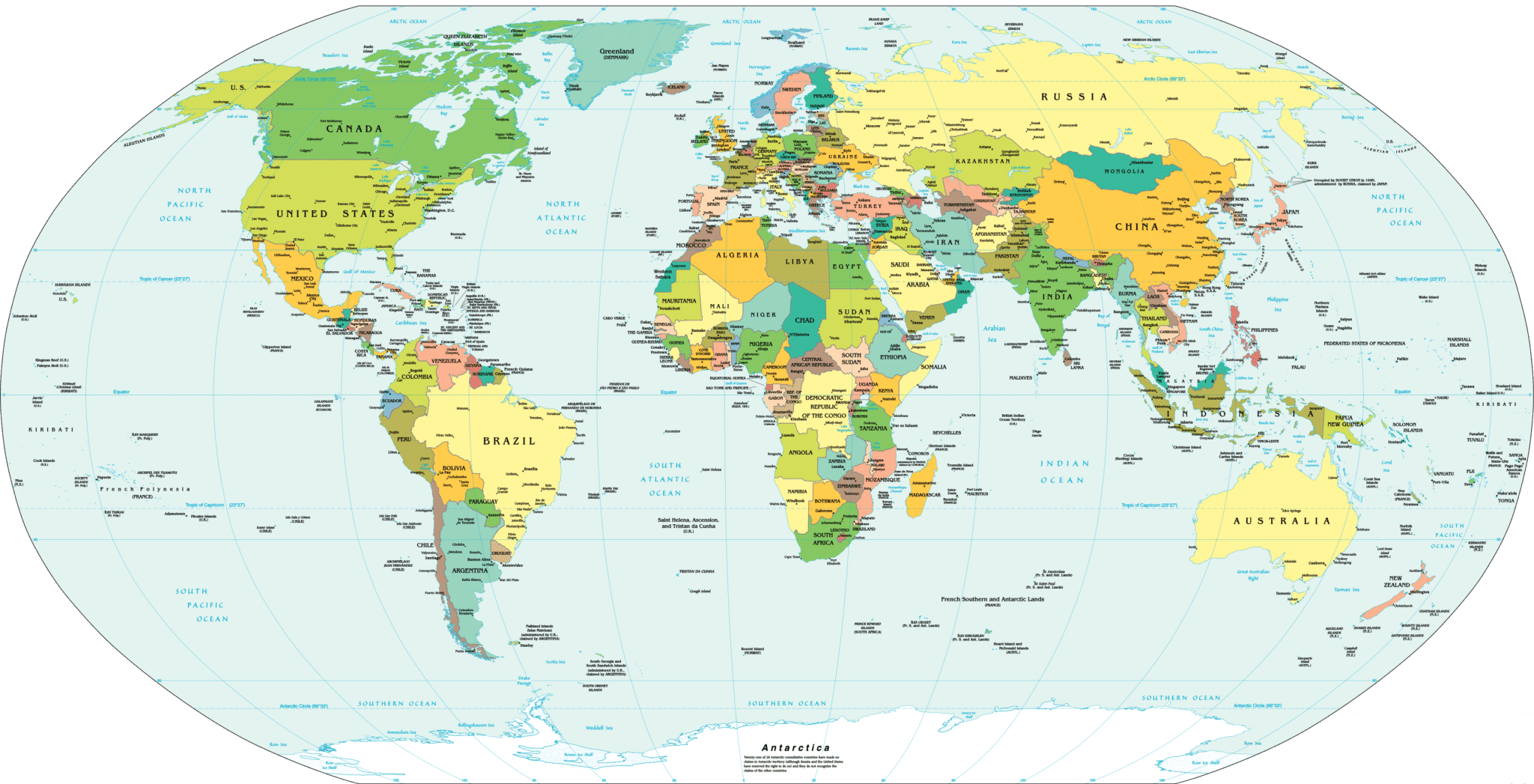
The map common in classrooms throughout the West is known as the “Mercator projection.” It centers the world on Europe and Africa, with Asia off to the east and North and South America over on the west.
To those accustomed to this perspective, the experience of first encountering an authentically Chinese map can be jarring. Europe has been shifted to the margins, while China now commands the privileged spot close to the center.
The West and the rest
Beneath this simple shift of longitude and latitude lies a deeper adjustment in perspective. Since the dawn of European, and subsequently American, global hegemony, inhabitants of Western countries have largely been taught to see themselves at the center of world history.
This version of history permeated everything, including geography and, subsequently, cartography. In this vision of the world the West is the soloist, while the rest are just backup singers.
History doesn't repeat itself, but it often rhymes
China, on the other hand, has a very different understanding of history. The version told in Chinese schools focuses on the many thousands of years during which China was at the civilizational forefront of humankind’s journey.
During much of that time, Western Europe was a relatively unimportant peninsular outcropping. Paper, gunpowder, the compass, movable type, and the printing press are some of the oft-repeated fruits of China’s long recorded history.
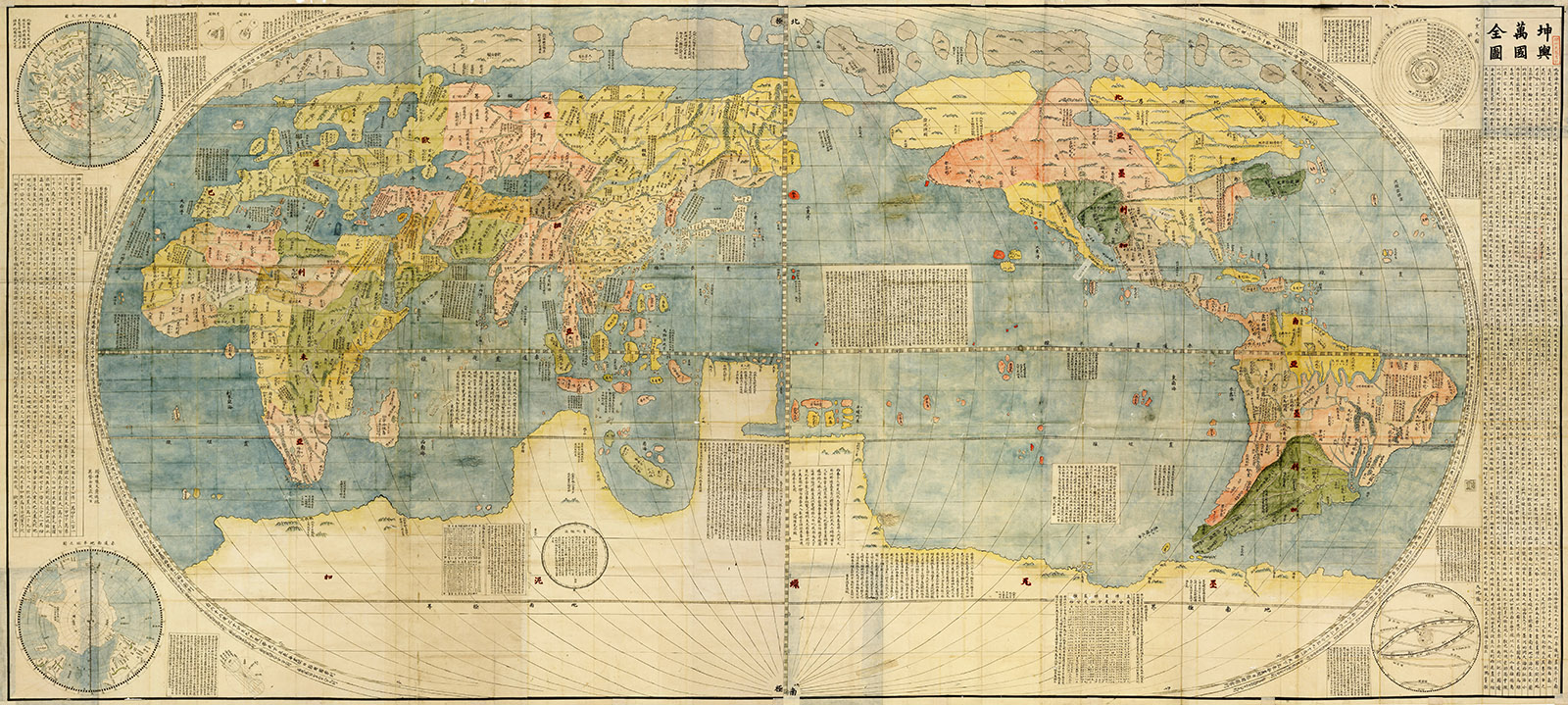
The Kūnyú Wànguó Quántú (坤舆万国全图), the earliest surviving Chinese world map in European style, is an excellent example of this shift in perspective. Drafted in 1602 by Matteo Ricci, a Jesuit missionary, it molds itself to Chinese expectations by showing the Middle Kingdom close to the, well, middle.
In short, the Chinese map reflects the Chinese reality. China is placed near the center because, much like the characters that compose the country’s name, China sits near the center of China’s version of history.
02 Ahoy there! China's territorial sensitivities
China’s intimate experience with colonialism, imperial collapse, and numerous border disputes with its neighbors have made the government of the People’s Republic of China (PRC) quite sensitive to matters of territorial integrity. This focus transfers over to modern Chinese cartography.
South China Sea
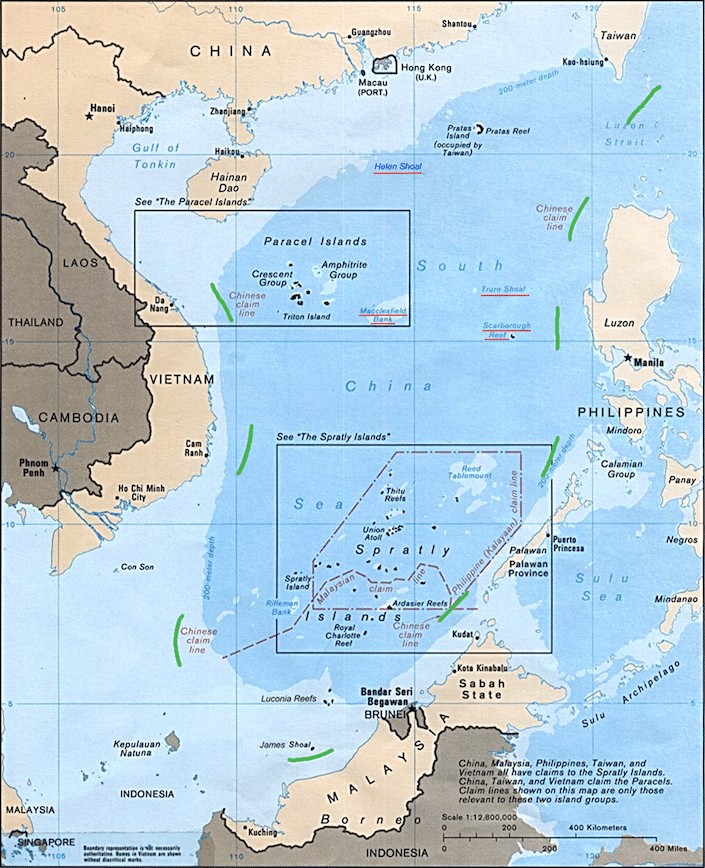
The controversies surrounding who owns what in the South China Sea (南海, Nán Hǎi) have an outsized influence on the appearance of modern Chinese maps. If the map you’re looking at is a made-in-China “real McCoy,” it will undoubtedly include China’s marine claims to the region.
However, China is not alone in its claims. It is joined by a whole gaggle of other Asian countries, including Brunei, the Philippines, Malaysia, Vietnam, and Indonesia, in contesting bits and pieces of the South China Sea.
China’s territorial claims are marked on its maps with the “ten-dash line,” still widely known as the nine-dash line (九段线, jiǔduàn xiàn). Official maps, such as the 2013 vertical map of China and the 2023 standard map, show ten dashes. Beijing has frequently sent naval vessels to face off against intruders on what it considers its territory.
China has also poured thousands of tons of sand into the ocean to create artificial islands for its own sovereign purposes. It isn’t the only country willing to go to great lengths to defend its claims, however.
Various countries, including the Philippines and Vietnam, have been known to aggressively defend their turf. On top of this already-flammable situation one can add another explosive element: the region is rife with pirate organizations, some connected to rebel groups and terrorist networks active in the area.
This land is my land: the Senkaku/Diaoyu Islands
Two other points of geographical contention that help shape modern Chinese world maps are the Senkaku/Diaoyu Islands. Known as the Senkaku Islands in Japan and the Diaoyu Islands (钓鱼岛, Diàoyúdǎo) in China, these uninhabited islands have strained the China-Japan relationship since the early 1970s.
The fact that there is not even a basic agreement about the name hints at how deep the struggle goes. Vivid memories of Japan’s actions during the Second World War, along with the discovery of undersea oil reserves in the 1960s, have only oxygenated this geopolitical fire.
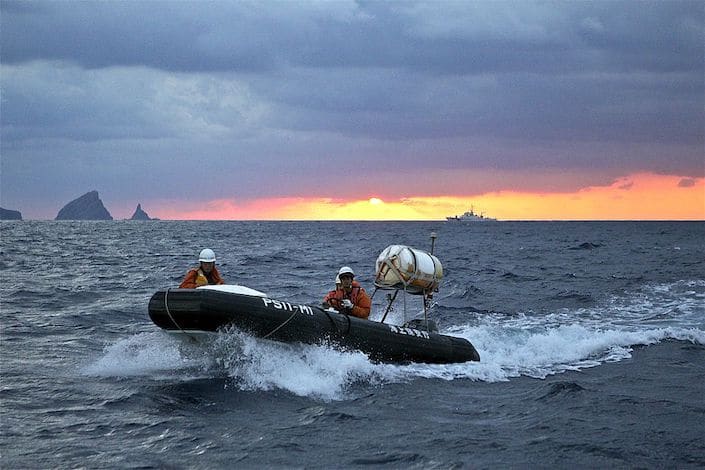
A potentially lethal, high-speed game of “cat-and-mouse” between the Japanese coast guard and Chinese fishing vessels has become increasingly common. Consequently, modern Chinese world maps include the Senkaku/Diaoyu Islands as part of China’s integral territory.
The hills are alive: the Sino-Indian border
The mountainous Sino-Indian border is another area where the average Chinese world map may differ substantially from those used elsewhere. The two major points of conflict are centered around 藏南 (Zàngnán), the area India administers as Arunachal Pradesh, and Aksai Chin (阿克赛钦).
In June 2020, this frozen conflict went molten hot for a frightening couple of days. Border patrols fought hand to hand in the Galwan Valley, a disputed corner of the Himalayas. India announced that 20 of its soldiers died, and in February 2021 China acknowledged four deaths on its side.
Google Maps, along with National Geographic and many other international mapmaking organizations, have opted to split the difference by extending “dashed lines” across both contested territories. Naturally, maps produced in China show unchallenged Chinese control.

Learn Chinese with Cultural Context
CLI offers personalized Chinese instruction built around real language and culture. Join our Immersion Program in Guilin or start online with a free Chinese lesson.
03 Cardinal directions in Chinese mythology
“East or West, home is best,” goes the old saying, but in China each direction also has a story attached. The east, for example, belongs to the Azure Dragon and stands for the start of a new day.
In ancient China, each direction was also tied to a part of the sky and to one of the elements, so it said something about where people stood in nature and the cosmos.
This symbolic thinking still echoes through other parts of Chinese culture, from the orientation of buildings to the principles of feng shui. The four directions are each guarded by a celestial animal tied to a season and one of the Five Elements.
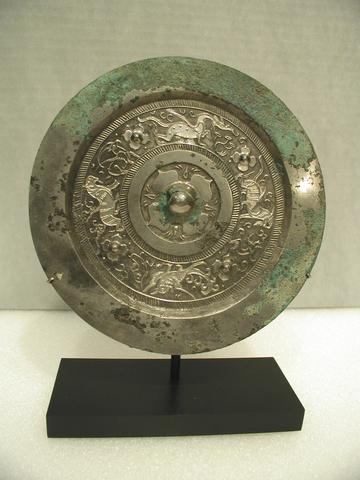
| Chinese | Pinyin | Meaning | Direction | Element | Season |
|---|---|---|---|---|---|
| 青龙 | Azure Dragon | East | Wood (木) | Spring | |
| 朱雀 | Vermilion Bird | South | Fire (火) | Summer | |
| 白虎 | White Tiger | West | Metal (金) | Autumn | |
| 玄武 | Black Tortoise | North | Water (水) | Winter |
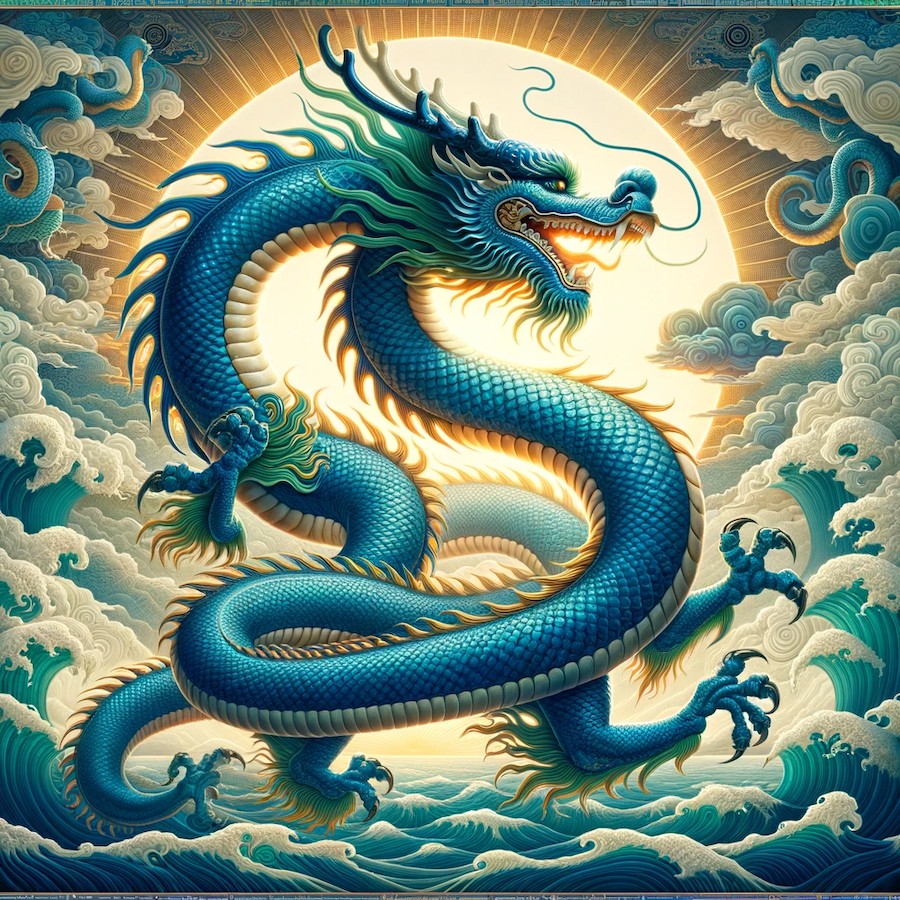
East: the Azure Dragon (青龙, Qīng Lóng)
In the east we encounter the Azure Dragon, the guardian of the spring season. This mythical creature, one of the best known of all Chinese dragons, symbolizes renewal and growth.
The sun rises in the east, so the east stands for beginnings. It is associated with the wood element (木, mù), the element of spring and new growth.
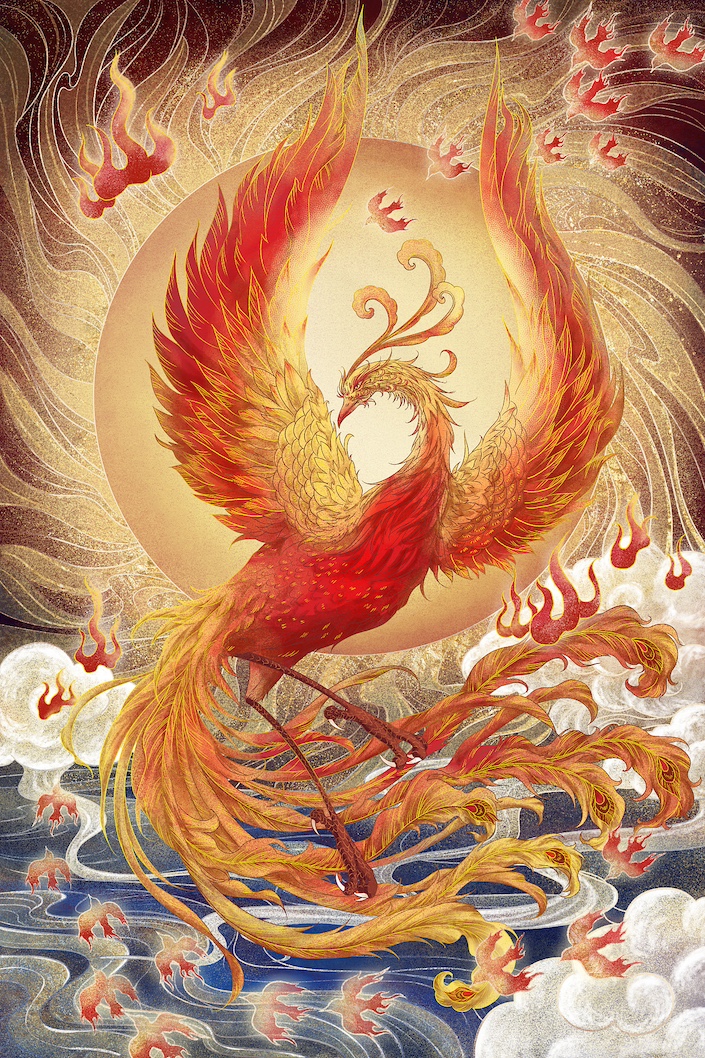
South: the Vermilion Bird (朱雀, Zhū Què)
Turning to the south, the Vermilion Bird, or Phoenix, spreads its fiery wings. This emblem of the summer season represents transformation and rebirth.
In most of China the midday sun sits in the southern sky, so the south is linked to summer heat and to the fire element (火, huǒ), which stands for energy and passion.
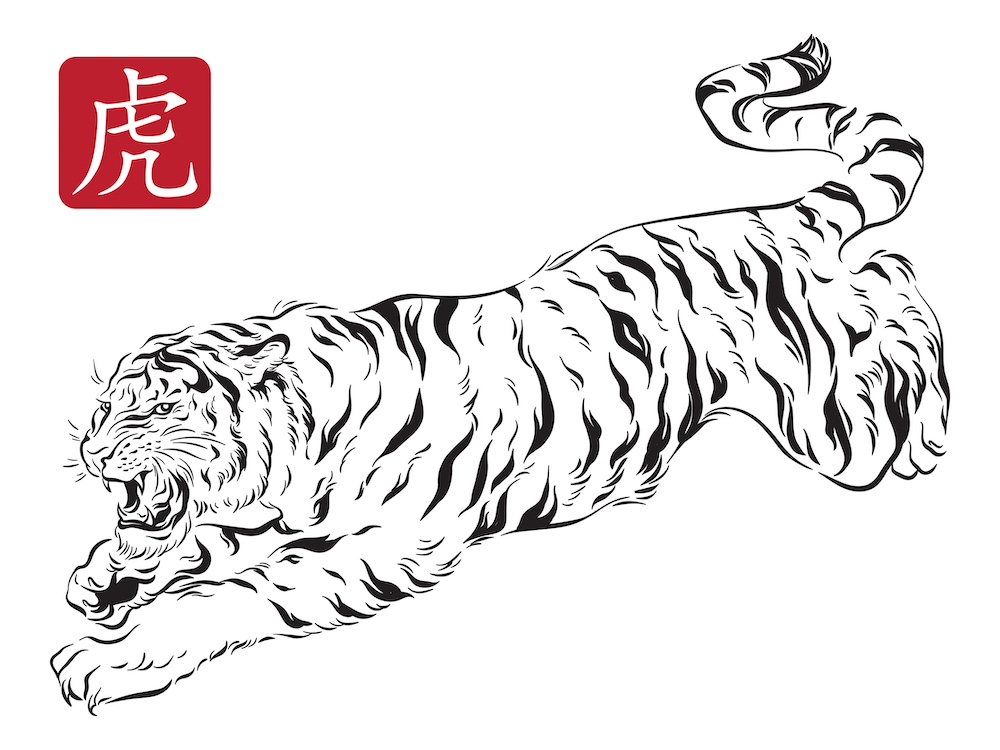
West: the White Tiger (白虎, Bái Hǔ)
As we pivot to the west, the White Tiger, guardian of the autumn season, greets us with its majestic stance. This powerful beast stands for courage and protection, guarding the spirits as the day gives way to night.
The west is associated with the metal element (金, jīn), indicative of strength, resilience, and unyielding determination.
North: the Black Tortoise (玄武, Xuán Wǔ)
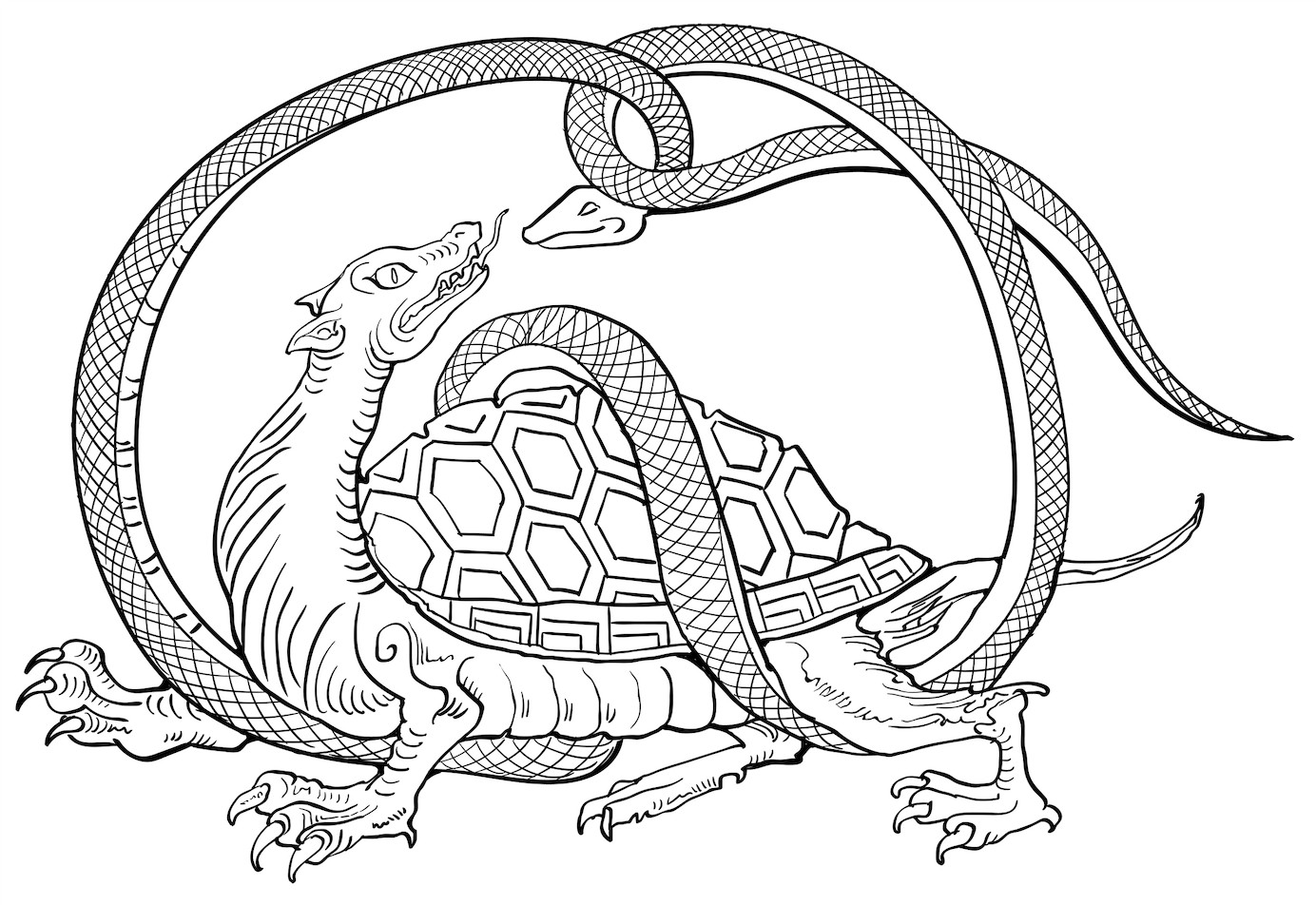
Finally, in the north lies the realm of the Black Tortoise, often depicted with a snake coiling around it. This symbol of the winter season represents wisdom, longevity, and stability.
The north corresponds to the water element (水, shuǐ), denoting adaptability, depth, and the introspective nature of life.
04 X doesn't really mark the spot
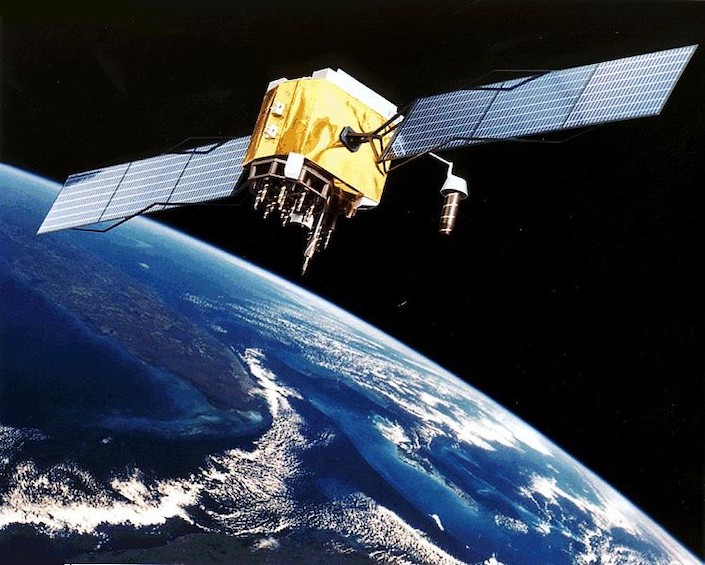
One of the last features to consider when getting a handle on the Chinese cartographic situation is the accuracy, or inaccuracy, of GPS. When browsing a map of China on GPS-powered applications like Google Maps, be forewarned: it might not be as precise as you’d hope.
Get off my lawn!
Under the Surveying and Mapping Law of the People’s Republic of China, first passed in 1992 and revised in 2002 and 2017, foreigners and unregistered groups may not survey or map in China without approval. Since the 2017 revision, a foreign person or organization that breaks this rule can be fined up to 1 million yuan (around $140,000 USD).
According to the law, these data collection regulations are an attempt to ensure that the location data gathered does not “touch upon state secrets or endanger state security.” Those eye-watering fines are quoted in the Chinese yuan (renminbi), China’s official currency.
Nor is this an idle legal threat. In 2009, the PRC government fined a group of UK geology students working in China for “illegal map-making,” and in 2013, mapping authorities in Yunnan province accused Coca-Cola of having “illegally collected classified information with handheld GPS equipment.”
Enter the matrix: WGS-84 vs. GCJ-02
The strings of letters and numbers above are two coordinate systems, the grids that turn a place into latitude and longitude. GPS and most of the world use WGS-84, while maps published in China use GCJ-02.
Your phone’s GPS fix is just as accurate in China as anywhere else. The difference is in the map: before a map of China is published, its coordinates are run through an official formula that deliberately shifts them.
The shift changes from place to place, so you can’t fix it by sliding the whole map over. Put a raw GPS position on a GCJ-02 map (or the reverse) and it lands roughly 100 to 700 meters from where it should be, which is why apps have to convert between the two systems.
Hi, this is your Uber driver
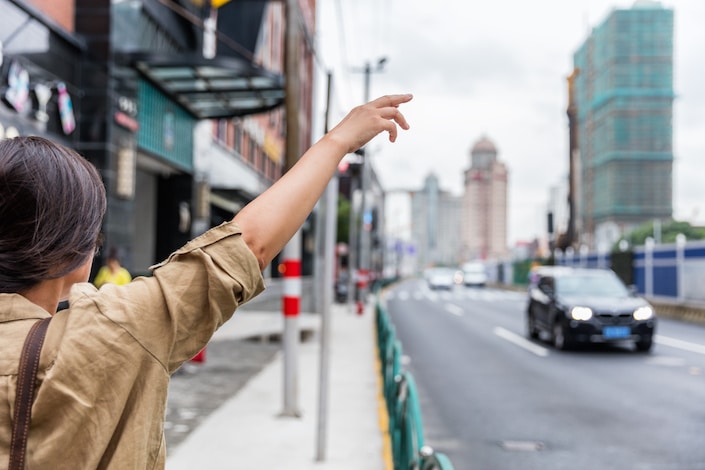
The mapping law and the shifted coordinate system have made Chinese maps hard to line up with GPS data from elsewhere. They have also caused challenges for ride-hailing and bike-sharing apps that rely on accurate coordinates.
The freely available, crowd-sourced coordinate data used by many smartphone applications sits offset on Chinese maps. Only map-making organizations registered with the Chinese government hold the official conversion and may publish maps, so foreign firms must collaborate with one of these organizations to get their apps off the ground.
05 Is that a rooster I see?
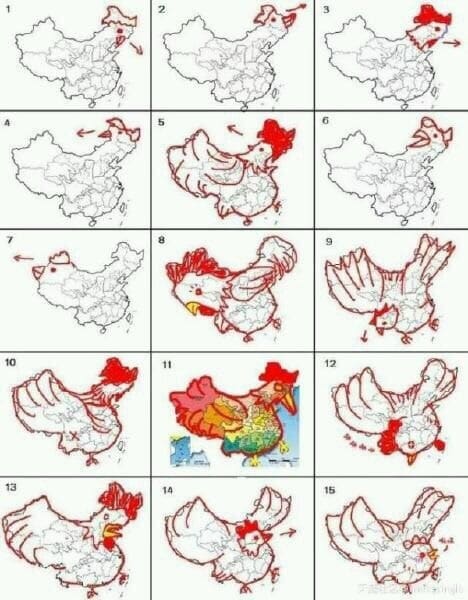
For sticking with us to the end of this wild cartographic journey, here’s a bonus map fact: China’s outline is often said to be shaped like a rooster (公鸡, gōngjī).
Despite the surprise this may at first elicit, it’s common knowledge among in-the-know Chinese citizens and China watchers. The bird is a fitting national symbol, and it’s no coincidence that the Year of the Rooster remains one of the most recognizable signs in the Chinese zodiac.
Take a gander at a map of the country and you’ll quickly see the resemblance. However, that’s where the agreement stops, because exactly where the head is, now that is up for debate.
06 Chinese map vocabulary
The following terms will help you talk about maps, directions, and territory in Chinese, whether you’re reading the news or chatting with friends.
| Chinese | Pinyin | Meaning |
|---|---|---|
| 中国 | China; literally “Middle Kingdom” | |
| 地图 | Map | |
| 世界地图 | World map | |
| 南海 | South China Sea | |
| 九段线 | Nine-dash line (now drawn with ten dashes) | |
| 钓鱼岛 | Diaoyu (Senkaku) Islands | |
| 边界 | Border; boundary | |
| 公鸡 | Rooster | |
| 东 | East | |
| 南 | South | |
| 西 | West | |
| 北 | North |
07 FAQ
Why is China placed in the center of Chinese world maps?
The Chinese name for the country, 中国 (Zhōngguó), means “Middle Kingdom.” Chinese maps reflect this worldview by placing China near the center, much as Western maps tend to center on Europe and Africa.
What is the ten-dash line (nine-dash line)?
The ten-dash line, long known as the nine-dash line (九段线, jiǔduàn xiàn), is the boundary used on Chinese maps to mark China’s claims in the South China Sea. Official Chinese maps have shown ten dashes for decades; the 2013 vertical map and the 2023 standard map brought it wide attention. These claims are contested by several other countries in the region.
Why is GPS sometimes inaccurate in China?
Your phone’s GPS works normally in China, but maps made in China use their own GCJ-02 coordinate system, which shifts every point by roughly 100 to 700 meters. An app that puts a raw GPS position (WGS-84) on a Chinese map without converting it shows you in the wrong place.
Is China really shaped like a rooster?
Many people in China say so. The country’s outline is commonly described as resembling a rooster (公鸡, gōngjī), though people disagree about exactly which part forms the head.
08 Welcome to China!
A Chinese map shows the world from the middle outward, and its borders and dashes tell you where China’s claims stand today. Reading one well takes a bit of history and a bit of Chinese.
Instead of just reading about the maps of China, why not come and get lost in person? The best way to understand these perspectives is to Learn Chinese in China and experience the culture firsthand.
An educational stay at CLI offers a once-in-a-lifetime chance to enjoy cultural, cartographic, and linguistic immersion. And don’t worry, we’ll provide you with accurate directions to help you find the CLI Center with ease. We look forward to welcoming you to Guilin!