
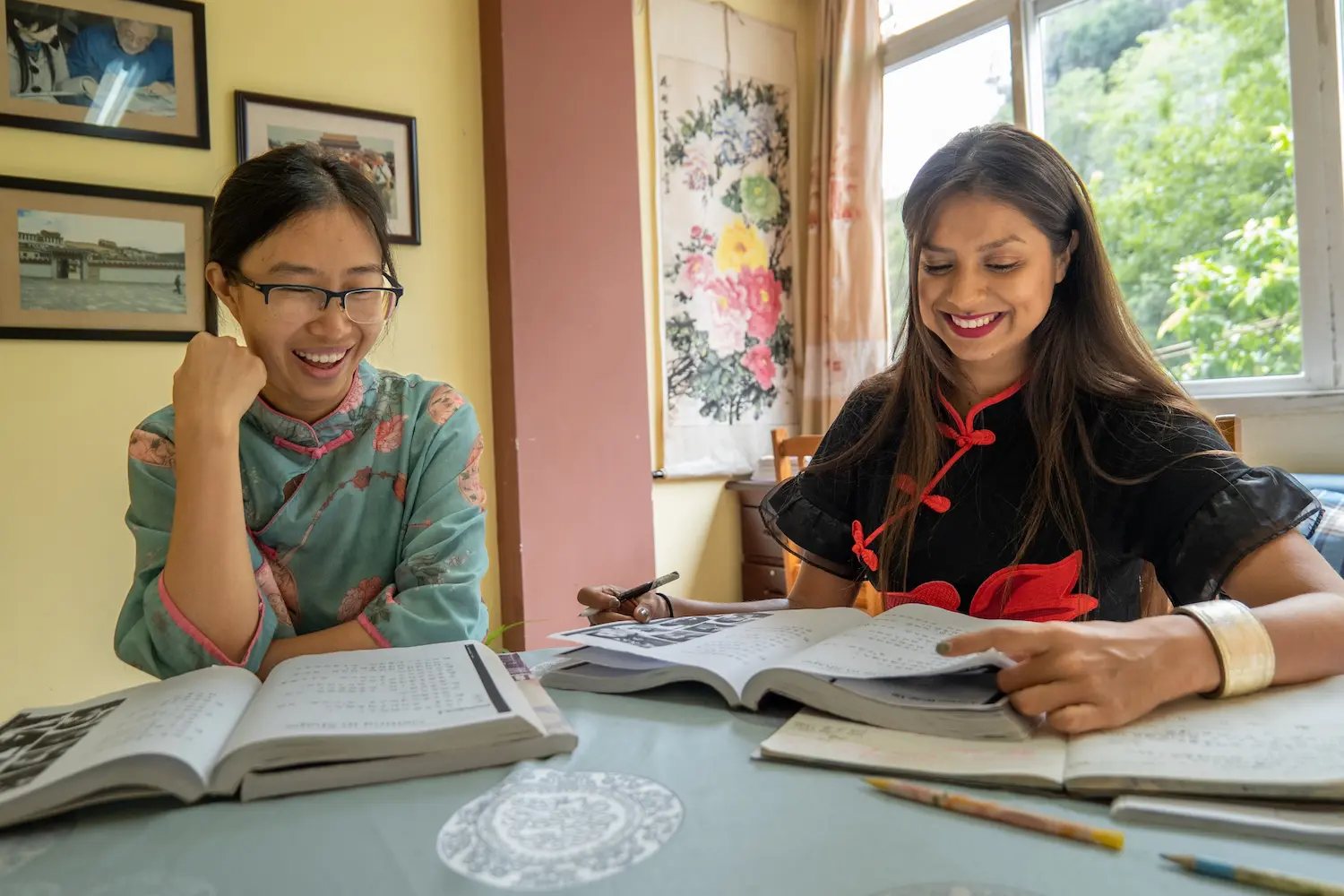
- Teachers' Day (教师节 Jiàoshījié) falls on September 10th each year and is one of China's most culturally significant holidays honoring educators.
- The holiday traces its roots back over 2,000 years to celebrations of Confucius, whose emphasis on education shaped Chinese attitudes toward teachers for centuries.
- The status of teachers in China shifted dramatically during the twentieth century — from respected scholars to marginalized intellectuals and back again after the Reform and Opening-up era.
- Today, Chinese students and families celebrate by giving gifts, attending ceremonies, and visiting former teachers — reflecting a deep cultural reverence for education that remains central to Chinese society.
Every September 10th, China celebrates Teachers' Day (教师节 Jiàoshījié) — a holiday dedicated to recognizing and thanking educators for their contributions throughout the year. On this day, students give gifts, schools hold ceremonies, and communities across the country honor the people who shape the next generation.

01 What Is Teachers' Day in China?
Because education holds deep traditional importance in China, Teachers' Day carries special significance. In essence, it symbolizes the profound respect Chinese society has for educators and scholarship.
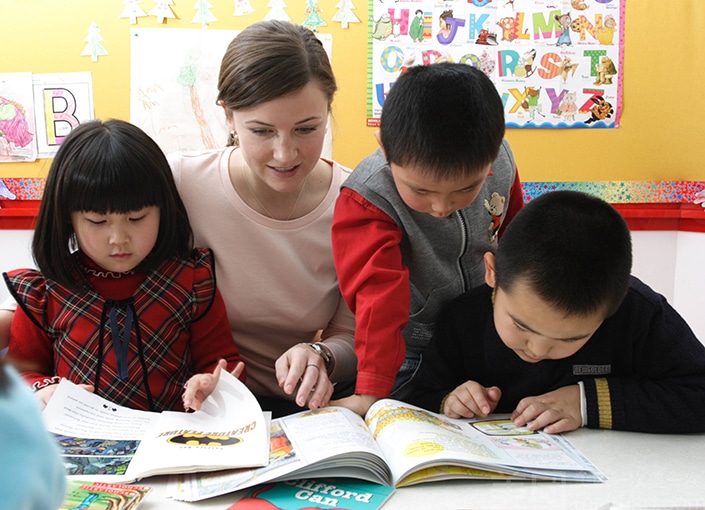
During the holiday, many Chinese schools host ceremonies honoring teachers. These events often echo ancient Confucian rituals. In addition, teachers receive gifts from school administrators, parents, and both current and former students. Some educators even get the day off.
Specifically, Teachers' Day (教师节 Jiàoshījié) takes place every year on September 10th in China.
Do other countries celebrate Teachers' Day?
China isn't the only country that celebrates Teachers' Day. In fact, almost every nation around the world marks some version of the holiday, whether it's the international World Teachers' Day or a regional variation.
However, China's version stands apart. Its Confucian roots and the many transformations it has undergone throughout the country's long, sometimes tumultuous history give it a unique character.
Before exploring how Chinese people celebrate Teachers' Day now, let's first trace the holiday's historical evolution.
02 History of Teachers' Day in Ancient China
Although China didn't designate Teachers' Day as an official holiday until the end of the twentieth century, the tradition behind it stretches back much further.
In fact, the earliest celebration resembling the modern holiday took place informally over 2,000 years ago during the Han dynasty (202 BCE–220 CE). At that time, people held festivities on the 27th day of the eighth lunar month — a date many believed marked the birthday of Confucius, China's most influential educator and philosopher.
Confucius and the origins of teacher respect in China
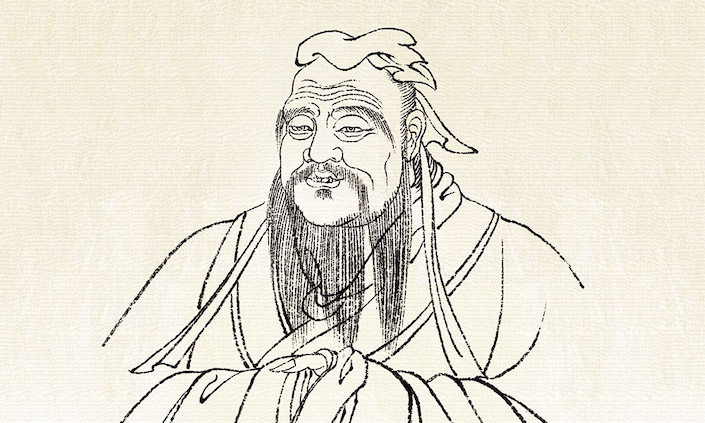
Confucius (551–479 BCE), known as 孔子 (Kǒngzǐ) in Chinese, grew up during the Spring and Autumn Period (770–481 BCE) in modern-day Shandong Province. His family belonged to a middle class of common gentry called 士 (shì) — in other words, they were neither peasants nor aristocrats.
At that time, only children from elite families could access formal education. The curriculum covered the six arts (六艺 liùyì), namely: rituals (礼仪 lǐyí), music (音乐 yīnyuè), archery (射箭 shèjiàn), chariot driving (驾车 jiàchē), literacy (识字 shìzì), and mathematics (计算 jìsuàn).
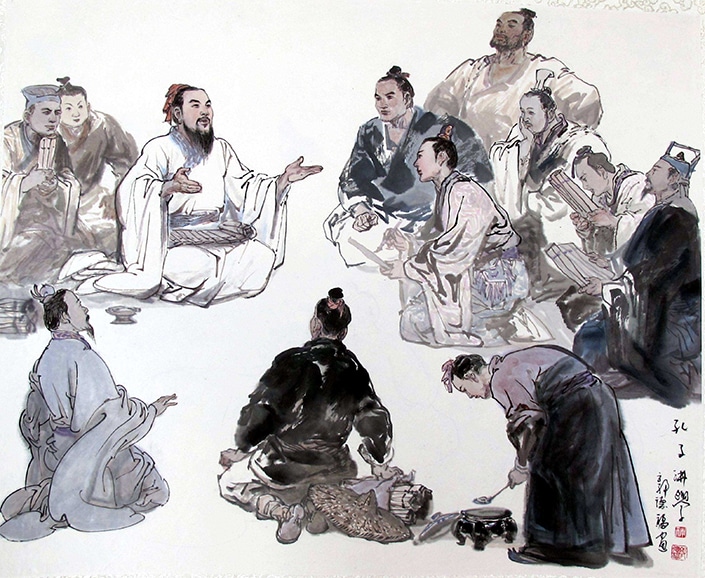
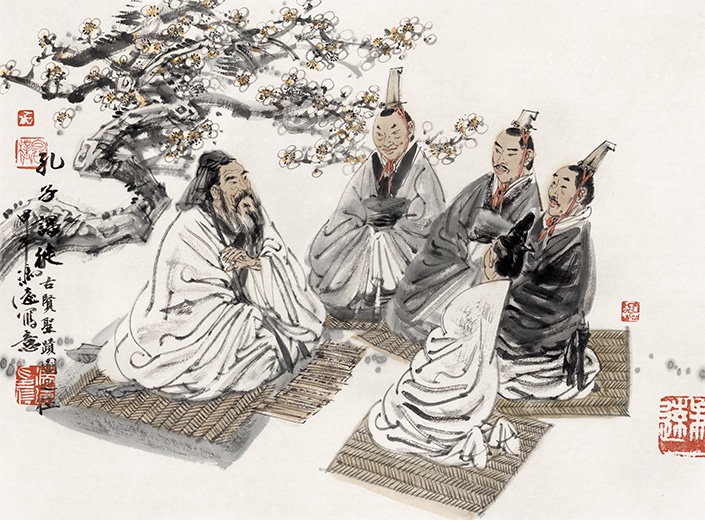
Over time, Confucius rose through various labor and government positions, earning a reputation as a skilled educator and righteous advisor. Besides serving as Minister of Crime in his home state of Lu, he dedicated his life to teaching. Consequently, he established private academies grounded in Confucian ideology and open to students of all social classes.
Above all, he believed education mattered at both the individual and collective level. In his view, effective societies depended on individuals accumulating knowledge.
"I have never grown tired of learning, nor weary in teaching others what I have learned," Confucius wrote in The Analects. Furthermore, the teachings his disciples consolidated in The Four Books and The Five Classics (四书五经 Sìshū Wǔjīng) shaped attitudes toward education in China for centuries to come.
Why ancient Chinese society valued teachers
Many people call Confucius the father of all educators. As a result, his emphasis on education meant that ancient Chinese society generally held teachers in high esteem.
For example, passing the Imperial Examinations (科举考试 kējǔkǎoshì) required comprehensive training in the classics. Because this rigorous test guaranteed successful male candidates a coveted bureaucratic position, many families hired tutors to help their sons prepare.
Typically, parents sent invitation letters to specific teachers. The educator could then accept or decline at their discretion.
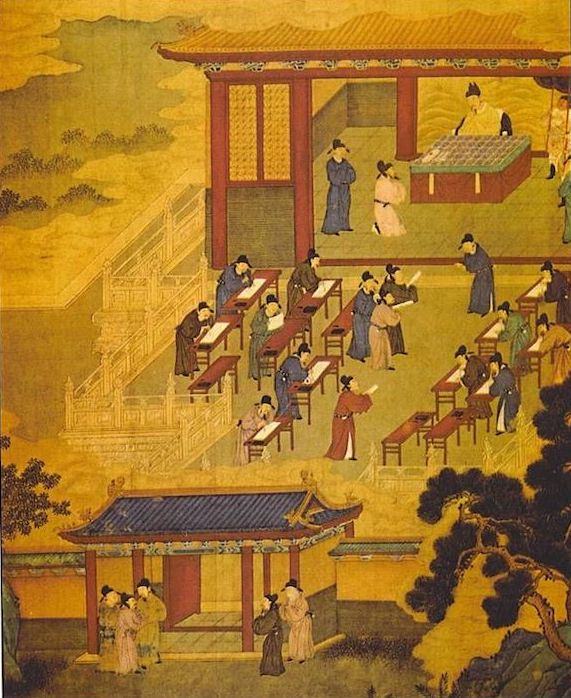
In return, families compensated teachers directly with a customary 束脩 (shùxiū) — a bundle of goods that typically included dried meat (肉干 ròugān) along with other commodities or cash, depending on what the family could afford.
Meanwhile, in the classroom, students showed teachers the utmost respect. They kowtowed and accepted their educators' authority without question. This dynamic reflected the Confucian belief that rigorous education and strict hierarchies together drive harmonious societies.
How ancient China celebrated Teachers' Day
For much of Chinese history, Teachers' Day and celebrations honoring Confucius went hand in hand. Therefore, commemorating the philosopher remained a central holiday tradition across many dynasties.
For instance, emperors and officials marked the occasion by visiting regional Confucian temples (孔庙 kǒngmiào). Thousands of these ancient temples remain open to visitors across China today, and they still house literary collections and cultural relics connected to the sage and his disciples.
From the Tang dynasty (618–907 CE) through the Qing dynasty (1644–1912 CE), provincial capitals hosted formal Confucius Memorial Ceremonies. During these events, the central government gave selected teachers hefty bonuses.
In addition to these ceremonies, officials treated court educators to extravagant banquets. Similarly, teachers around the country received extra compensation in the form of 束脩 (shùxiū).
03 How the Status of Teachers Changed in Modern China
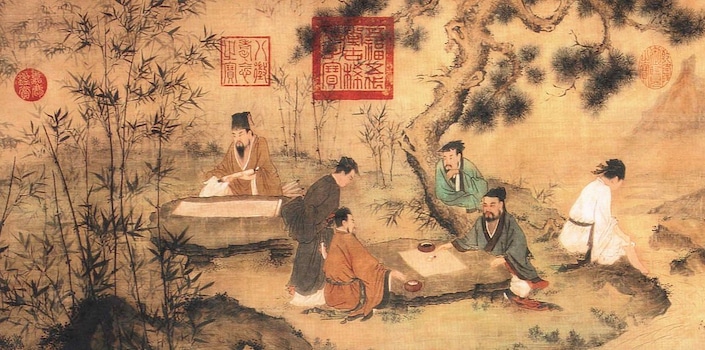
Like many aspects of Chinese society, education underwent major changes throughout the twentieth century. Most notably, the collapse of China's final dynasty, the Qing, in 1911 set off a political transformation that reshaped the role of teachers for decades.
Teachers and education during the communist period
After a bloody civil war, communist leader Mao Zedong proclaimed the People's Republic of China in 1949. In order to strengthen the new socialist system, the government reconfigured class hierarchies.
As a result, officials labeled citizens as either class enemies or honorable workers based on profession and family background. Former property and wealth owners faced hostility, whereas peasants gained new status thanks to their "good" class backgrounds.
However, teachers fit neatly into neither category. Instead, the government classified them as intellectuals requiring reeducation — alongside scholars, writers, and artists. Consequently, to shed their alleged bourgeois roots, teachers had to become strict advocates of socialist ideology.
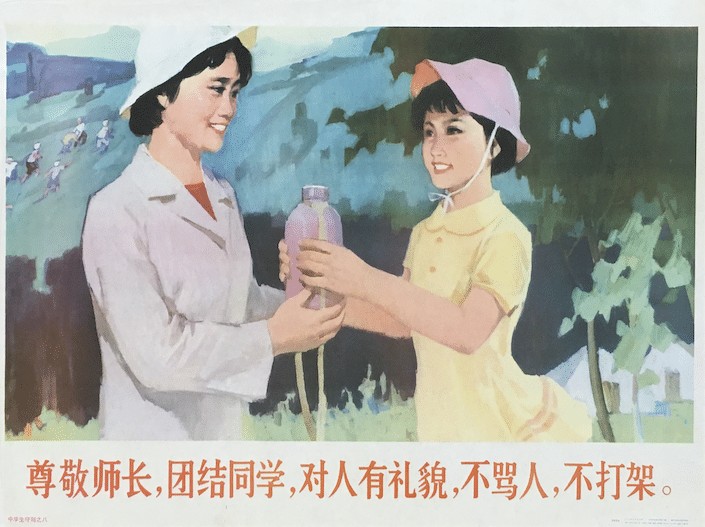
"Our educational policy must enable everyone who gets an education to develop morally, intellectually and physically, and become a cultured, socialist-minded worker," Chairman Mao wrote in his 1957 essay "On the Correct Handling of Contradictions Among the People."
Because of this vision, Maoist ideology became fully integrated into the national curriculum. As a consequence, the line between school education and party propaganda dissolved entirely.
In contrast to the imperial era — when Confucian values of respect and hierarchy governed classrooms — communist leaders rejected those traditions. The government even encouraged students to resist and, in extreme cases, physically attack teachers who appeared insufficiently dedicated to the political cause.
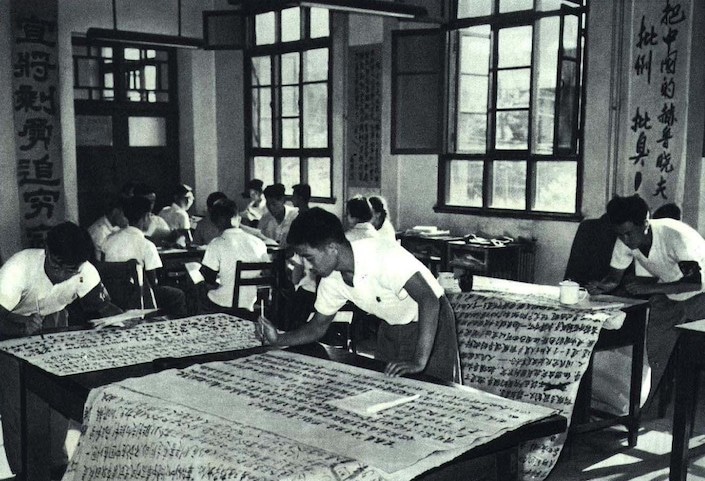
The Cultural Revolution and the Down to the Countryside Movement
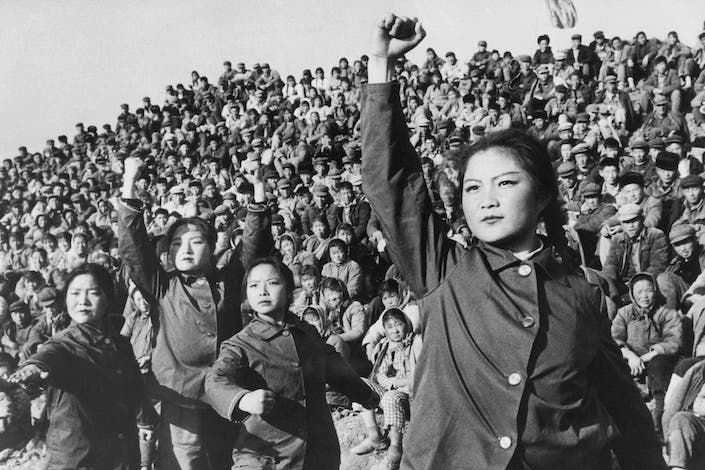
During the Cultural Revolution in the late 1960s and early 1970s, the government pulled many urban youth out of school and sent them to the countryside. This campaign — the 上山下乡运动 (Shàngshān-xiàxiāng Yùndòng), or Down to the Countryside Movement — aimed to reeducate young people through farm labor.
At the same time, authorities suspended merit-based university entrance exams. Instead, schools began admitting students based on class background, political attitudes, and party loyalty.
As a result, some historians argue these changes caused a sharp decline in both education quality and the social standing of teachers.
Reform and Opening-up: how teachers regained their status
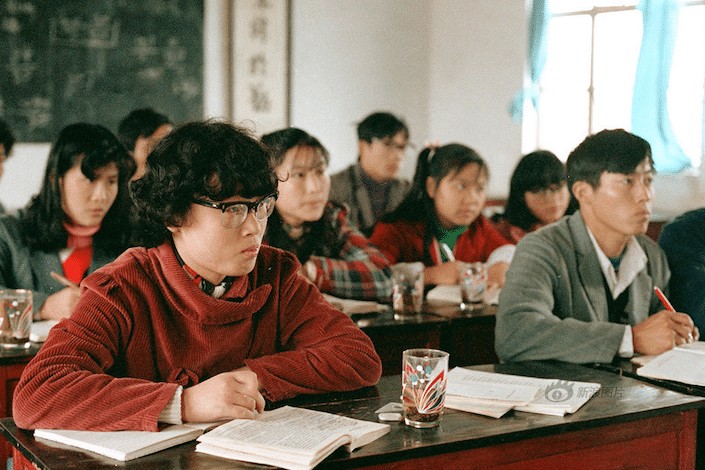
After the Cultural Revolution ended in 1976, new economic reforms known as 改革开放 (Gǎigé Kāifàng) began restoring teachers' social standing. Most importantly, the government no longer treated educators as intellectuals needing reeducation. Instead, it reclassified them as members of the working class.
Moreover, starting in the 1980s, the government launched campaigns to improve teacher housing, salaries, and general welfare.
Additionally, the reinstatement of national entrance exams in 1977 helped reposition educators as cultivators of the nation. Once again, society viewed conventional education as essential to individual and national development.
04 How Teachers' Day Is Celebrated in China Today
Because Chinese society generally views teaching as an honorable profession, it's no surprise that Teachers' Day remains an important holiday.
Although Teachers' Day is not a public holiday in China, people still observe it in many ways. For example, on September 10th, school administrations often give teachers bonuses or a few hours off. In addition, students and families frequently gift teachers with cards, presents, or 红包 (hóngbāo; red envelopes filled with cash).
Furthermore, former students traditionally return to their alma maters to give presents to their favorite former teachers.
In some cases, schools and institutions still hold traditional Confucian-style rituals honoring educators. Watch this video of a Teachers' Day ceremony at the Confucius Temple in Beijing:
How Chinese students and schools treat teachers today
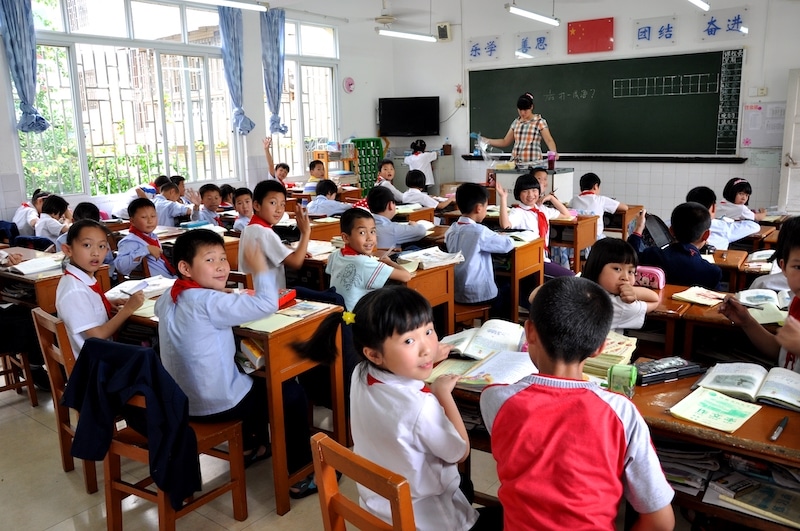
Notably, the respect for teachers extends well beyond a single holiday. At schools across China, for instance, pupils stand up when answering questions, clap when teachers enter classrooms, and bow when speaking with instructors.
On top of that, Chinese teachers enjoy practical perks that many Western educators don't — such as free meals on campus and school-subsidized housing. Similarly, foreign teachers, including English teachers in China, often receive flight reimbursements, furnished apartments, and other benefits.
Overall, this treatment echoes the age-old reverence for learning that defined the imperial era. As a result, Teachers' Day remains one of the most visible ways China celebrates and respects its educators.
05 Celebrate Teachers' Day in China with CLI
At CLI, we recognize just how important teachers are. That's why we celebrate them every day — not just on September 10th! So, join us in Guilin to improve your Chinese and mark Teachers' Day with some of the most talented teachers in China.
Alternatively, you can meet our team online and continue learning about Chinese language and culture from anywhere in the world.
Ultimately, no matter where you are this Teachers' Day, take a moment to thank the educators in your life. 老师们,辛苦了 (Lǎoshīmen, xīnkǔle; Thanks for your hard work, teachers)!

06 Chinese Vocabulary for Teachers' Day
| Chinese | Pinyin | Translation |
|---|---|---|
| 教师节 | Teachers' Day | |
| 老师 | teacher | |
| 辅导老师 | tutor | |
| 师傅 | master | |
| 孔子 | Confucius, China's most prominent philosopher and educator | |
| 六艺 | the six arts or subjects in ancient Chinese education | |
| 儒学 | Confucianism | |
| 科举考试 | imperial examination | |
| 束脩 | customary payment for teachers in ancient China | |
| 朝代 | dynasty | |
| 教育 | education; to educate | |
| 共产党 | Communist Party | |
| 改革开放 | China's economic reform and opening-up | |
| 职业 | profession | |
| 尊敬 | respect | |
| 仪式 | ceremony | |
| 庆祝 | celebrate | |
| 红包 | red envelope filled with cash | |
| 辛苦 | work hard; go to great trouble |