

- Chinese Labor Day, or 国际劳动节 (Guójì Láodòngjié), is celebrated on May 1st and is often called 五一 (Wǔ-Yī) or "May Day."
- Since 2025, Labor Day has included two statutory holiday days (May 1–2), which are combined with adjusted weekends to create a five-day national break.
- In 2026, the Labor Day holiday runs from May 1 to May 5, with Saturday, May 9 designated as a make-up working day.
- The holiday is one of China's busiest travel periods, generating enormous revenue for the domestic tourism industry.
- Despite the holiday's focus on workers, debates about overtime and "996" schedules remain a defining feature of modern Chinese work culture.
Have you ever wondered how Labor Day is celebrated in China, or wanted to understand the modern pressures of Chinese work culture? In this guide, we cover the history of Chinese Labor Day, the official holiday dates and travel customs, and the realities of overtime culture in today's China.
Holidays are also one of the best windows into Chinese language and society. Whether you study remotely or Learn Chinese in China through an immersion program, knowing how holidays like 五一 shape travel, family life, and the working calendar will make your experience of the country far richer.
01 What is Chinese Labor Day? (May Day / 五一 in China)
International Workers' Day, also called Labor Day or 国际劳动节 (Guójì Láodòngjié) in Chinese, is an international holiday generally celebrated on May 1st each year in over 80 countries worldwide. It celebrates the achievements of the workers of the world.
Since this holiday is also celebrated on May 1st in China, it is sometimes referred to as 五一节 (Wǔ-Yī Jié) or simply 五一 (Wǔ-Yī) in Chinese, an alternative name frequently translated into English as "May Day." Note that unlike the lunar dates that govern festivals on the Chinese calendar, Labor Day always falls on the same Gregorian date: May 1st.
02 The history of International Workers' Day in China
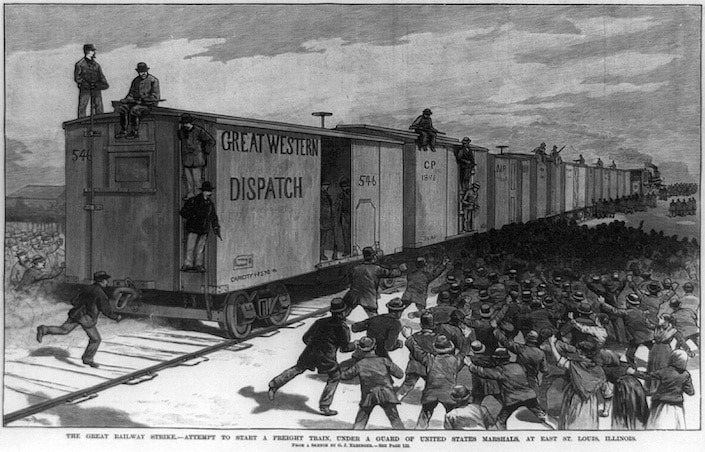
The origins of International Workers' Day began in the United States in 1886, when workers across the country walked out of their jobs in protest of long working hours, demanding an eight-hour day.
This early activism later evolved into a broader fight for more humane labor practices, with a focus on the abolition of child labor, fairer and safer working conditions, expanded workers' rights, and the then-novel idea of having a "weekend."
When did Labor Day become a holiday in China?
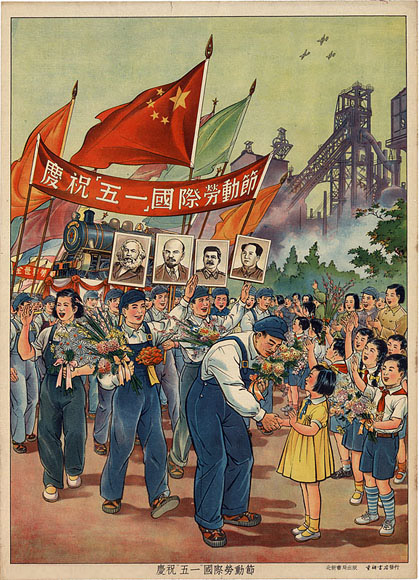
The first Labor Day activity in China is said to have been held on May 1, 1920. Then, between 1921 and 1922, activists established centers to educate ordinary workers, organized unions, and pushed for better conditions for everyday industrial workers.
Just a month after the founding of the People's Republic of China in 1949, the Government Administration Council of the Central People's Government (中央人民政府政务院 Zhōngyāng Rénmín Zhèngfǔ Zhèngwùyuàn) officially declared May 1st to be Labor Day.
03 How long is the Labor Day holiday in China?
Labor Day was originally a one-day holiday in China, but its length has changed many times over the years.
From "Golden Week" to today's five-day break
In 1999, the Chinese State Council (国务院 Guówùyuàn) decided to increase the duration of Labor Day and make it part of a "Golden Week" triad, meaning that it became a seven-day holiday alongside Chinese New Year and National Day. In 2008, however, Labor Day was stripped of its "Golden Week" title and reduced to a much shorter break, before being extended again to four days in 2019 and five days from 2020 onward.
The most important recent change came in November 2024, when the State Council amended China's national holiday regulations. Starting January 1, 2025, Labor Day's statutory paid holiday increased from one day to two days (May 1st and 2nd). Combined with weekend adjustments known as 调休 (tiáoxiū), this officially turns Labor Day into a five-day national break each year.
In 2026, the Chinese Labor Day holiday runs from Friday, May 1 to Tuesday, May 5, for a total of five days off. To compensate, Saturday, May 9, 2026 is designated as an official working day. You can find the full holiday calendar in our guide to Chinese holidays in 2026.

04 How is Labor Day celebrated in China today?
Travel, tourism, and the holiday economy
Labor Day, along with the other extended holidays often referred to as "Golden Weeks," plays a huge economic role in China. The longer paid holiday period means that more and more families are able to use this break to make long-distance family visits or travel for pure leisure.
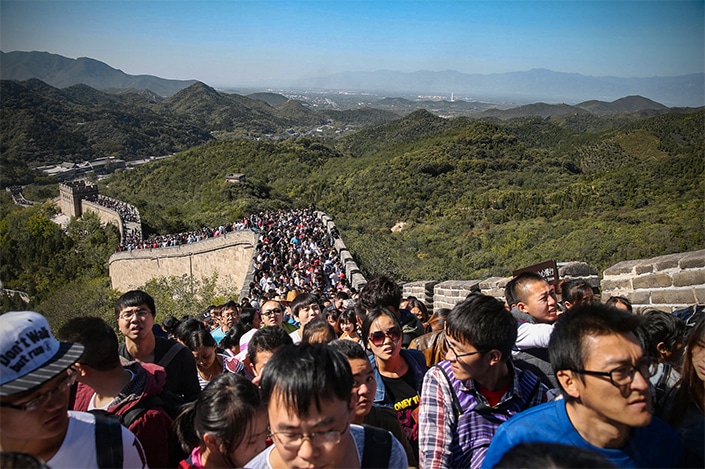
Many businesses also take advantage of this holiday to sell products at discounted prices. It is generally a fun-filled period as people enjoy their break, engaging in a variety of leisure activities such as traveling to their family home, eating out with friends, and visiting domestic attractions. If you're considering joining the crowds, take a look at our guide to the best places to visit in China — just be prepared to book early.
Consequently, the Labor Day holiday is a period of greatly heightened travel activity, which helps support China's domestic tourism market. After the holiday was extended to four days in 2019, travel agencies reported a huge increase in outbound flight bookings, and the five-day format has only intensified this trend. The next major holiday after Labor Day is usually the Dragon Boat Festival, which falls in late May or June.
05 Chinese work culture: 996, overtime, and work-life balance
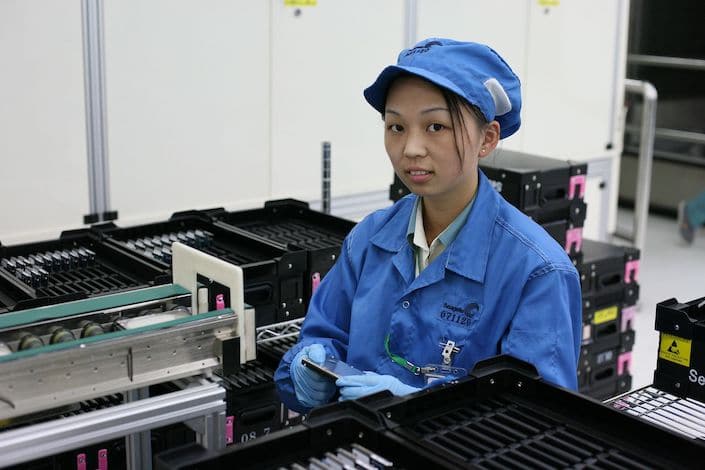
Despite all the hype about a multi-day holiday to celebrate workers, many Chinese office workers (上班族 shàngbānzú) struggle with a heavy workload throughout the year.
What is the 996 work schedule?
If you follow Chinese social media or Chinese news, you have probably heard of the 996 working hour system (996工作制 jiǔjiǔliù gōngzuò zhì). This consists of working 12 hours a day, from 9 a.m. to 9 p.m., six days a week.
996 is a work schedule associated mainly with Chinese tech companies, and it reached its controversial peak when Alibaba founder Jack Ma praised it and encouraged workers to see it as a "blessing," making international headlines in 2019.
Jack Ma's comments gave rise to widespread outrage online, resulting in an anti-996 protest launched on GitHub, Microsoft's Internet hosting platform for software development. This influential event led to broader recognition of the harmful nature of excessive work cultures like 996 across various sectors of Chinese society, from business to academia. In August 2021, China's Supreme People's Court and Ministry of Human Resources jointly declared that 996-style schedules violate the country's labor laws, sparking further discussion about the need to improve Chinese work culture.
Overtime and work-life balance in China
Despite the movement towards a healthier work culture, many workers are still frequently expected to work overtime (加班 jiābān). Technically, according to China's labor laws, a standard work day is eight hours long, with a maximum of 44 hours a week. Any work beyond that requires extra pay for overtime.
However, with many people using apps like WeChat for both personal and professional purposes, it is not uncommon to be expected to answer work-related messages outside of office hours. This creates a rather blurry boundary between work and personal life, leading to burnout and improper rest.
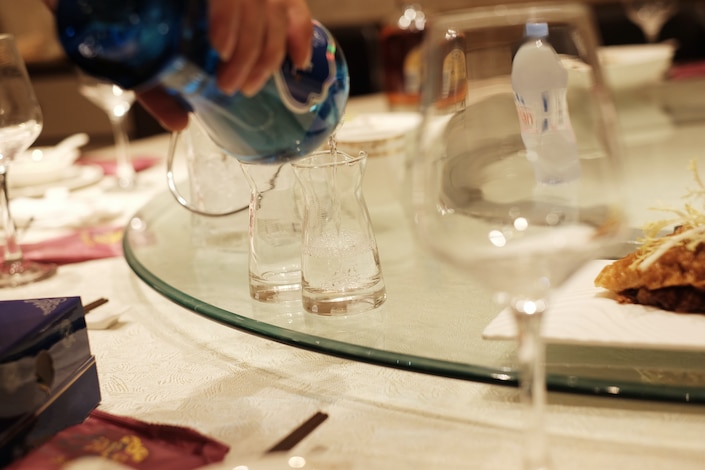
Work-related activities after hours often occur in the form of dinners out with the boss, day trips on the weekend with the team, or KTV nights at the local bar with colleagues. Needless to say, this is not officially considered "work," so no one is expected to receive compensation.
It has been argued that Chinese society and culture are collectivist, meaning that they place greater importance on community, collective collaboration, and harmony. While after-hours activities might be presented as "voluntary," many Chinese working professionals know they must attend in order to show their seriousness about their position and their loyalty to the business they work for.
For a more detailed guide on working and landing a job in China, check out our article on working in China — and if you're preparing for the job hunt itself, our guide to interviewing in Chinese is a great place to start.

Study Chinese in Guilin or Start Online
CLI offers personalized Chinese instruction built around your goals. Join our Immersion Program in Guilin or begin from anywhere with a free Chinese lesson .
06 Chinese Labor Day vocabulary
The following terms will help you understand Chinese Labor Day references in the news, in holiday announcements, and in everyday conversations about work.
| Chinese | Pinyin | Meaning |
|---|---|---|
| 国际劳动节 | International Workers' Day; Labor Day | |
| 五一 | May 1st; May Day | |
| 黄金周 | Golden Week | |
| 法定节假日 | Statutory public holiday | |
| 调休 | Adjusted rest days; make-up working days | |
| 上班族 | Office workers; commuters | |
| 996工作制 | The 996 working hour system (9am–9pm, 6 days a week) | |
| 加班 | To work overtime | |
| 劳动者 | Worker; laborer | |
| 劳动节快乐 | Happy Labor Day! |
07 FAQ
When is Labor Day in China in 2026?
Labor Day itself falls on Friday, May 1, 2026. The official holiday break runs from May 1 to May 5, with Saturday, May 9 designated as a make-up working day.
How many days off do Chinese workers get for Labor Day?
Since 2025, Labor Day has included two statutory paid holiday days (May 1–2). With adjusted weekend days, the holiday is arranged as a five-day continuous break.
Is Labor Day a Golden Week in China?
Officially, the term "Golden Week" now usually refers to Chinese New Year and National Day. However, because the Labor Day break lasts five days and triggers a massive travel surge, many people still informally call it a "mini Golden Week."
Is 996 legal in China?
No. In August 2021, China's Supreme People's Court and Ministry of Human Resources and Social Security jointly clarified that 996-style schedules violate China's labor laws, which set a standard of eight hours per day and a maximum of 44 hours per week before overtime pay applies.
Is it a good idea to travel in China during Labor Day?
It can be, but expect crowds. Labor Day is one of the busiest domestic travel periods of the year, so flights, trains, hotels, and major attractions should be booked well in advance, and prices are typically higher.
08 Final thoughts
Chinese Labor Day is far more than a day off. It reflects the history of the international workers' movement, the rhythms of China's modern holiday economy, and the ongoing national conversation about overtime, rest, and work-life balance.
Language plays an integral part in any culture, so if you are interested in living and working in China, learning Mandarin is the best way to understand the country's cultural norms from the inside. No matter whether your interest in China is personal or professional, consider enrolling in CLI's one-on-one Online Program and start learning Chinese from the comfort of your own home today.

09 Selected References
- State Council of the People's Republic of China: Decision on Amending the Measures for National Annual Holidays and Memorial Days (November 2024), increasing Labor Day's statutory holidays to two days. View source →
- Beijing Municipal Government: official 2026 public holiday arrangements, including the May 1–5 Labor Day holiday. View source →
- BBC News: Jack Ma defends the 996 work schedule (2019). View source →
- The Drum: China declares 996 work culture illegal (2021). View source →
- Note: Public-holiday arrangements, including make-up working days, are announced annually by the State Council and can vary by year. Always confirm specific dates with an official calendar before planning travel or business operations.