

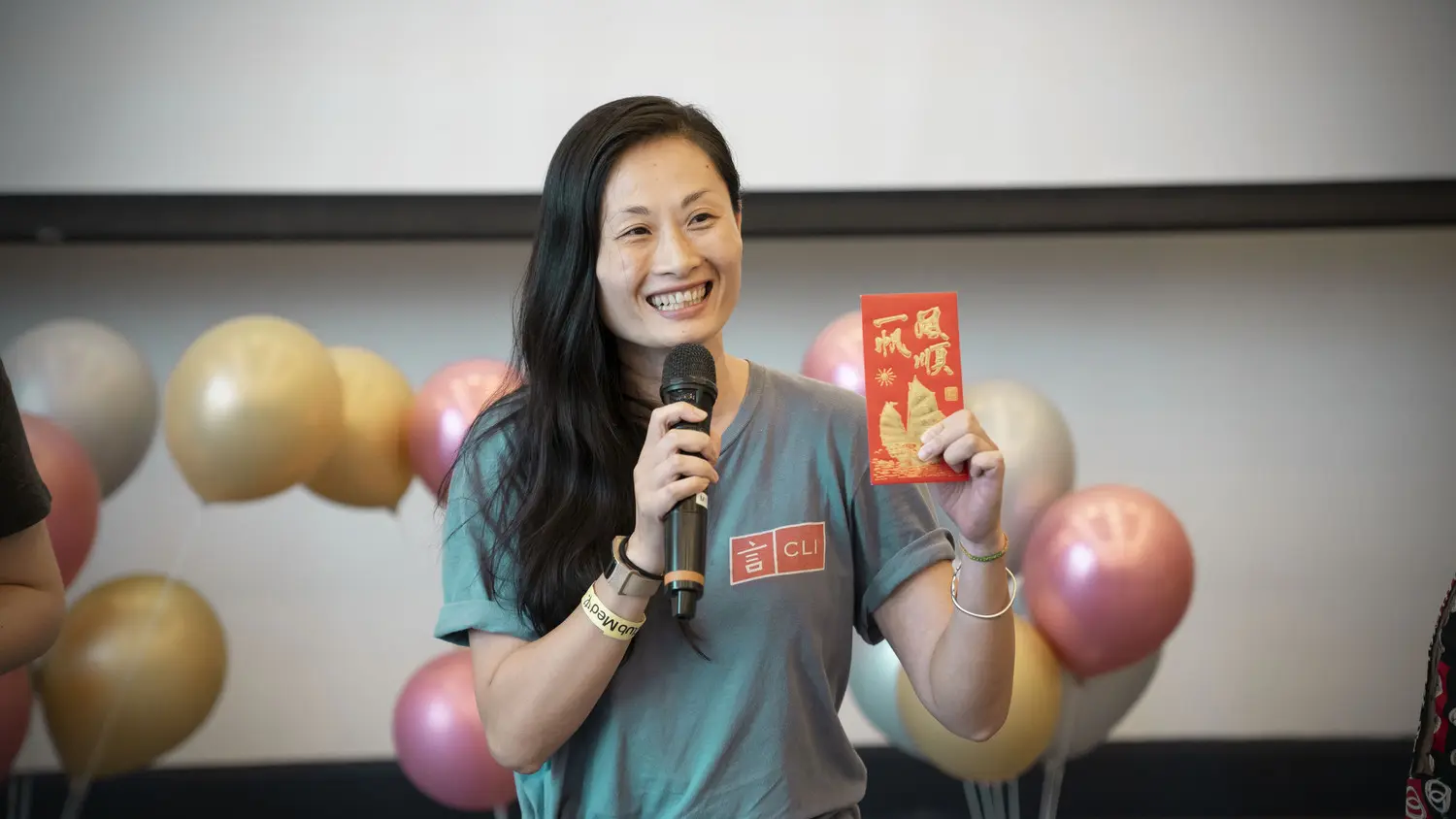
- International Women's Day is known in Chinese as 国际妇女节 (Guójì Fùnǚjié) and falls on March 8th every year.
- China officially recognised the holiday with the founding of the People's Republic of China in 1949.
- Female employees in China typically receive a half-day off, small gifts, and product discounts on this day.
- Some retailers have rebranded the day as 女神节 (Nǚshénjié, Goddess Day), sparking debate about commercialisation.
- Despite major progress since 1949, Chinese women still face challenges around marriage pressure, beauty standards, and workplace discrimination.
As the name suggests, International Women's Day is celebrated in many countries around the globe. In China, this holiday holds its own special significance and is associated with a rich set of traditions that reflect both the country's history and its evolving attitudes toward women.
Read on to find out more about International Women's Day in China, from its historical roots to how it is marked across the country today. If your goal is to Learn Chinese in China, understanding these cultural systems can make real-life conversations and festival experiences far more meaningful.
01 What is International Women's Day?
International Women's Day, or 国际妇女节 (Guójì Fùnǚjié) in Chinese, marks the social, economic, cultural, and political achievements of women. It is one of many significant Chinese holidays that carries both official recognition and deep cultural meaning.
Since it falls on March 8th every year, it is also sometimes referred to as 三八节 (Sānbājié) or 三八妇女节 (Sānbā Fùnǚjié) in China. These informal names are widely used in everyday speech and on social media.
02 The status of women in Chinese history
Before diving into how International Women's Day is celebrated in China, it is important to take a brief look at the historical role and status of women in the country. Learning about these changes helps shed light on why International Women's Day continues to be a particularly significant holiday in modern China.
Concubines and foot-binding
In ancient China, women held a much lower status in society than men and had little say in the decisions that shaped their lives. Throughout Chinese history, women endured abusive practices such as being sold, beaten, and subjected to female infanticide.
Prostitution, forced marriage, child betrothal, and concubinage were commonly accepted practices. Concubines had very few rights and no legal or social protections — they were not permitted to remarry or return to their natal homes, and their children were subject to a lifelong inferior social status.
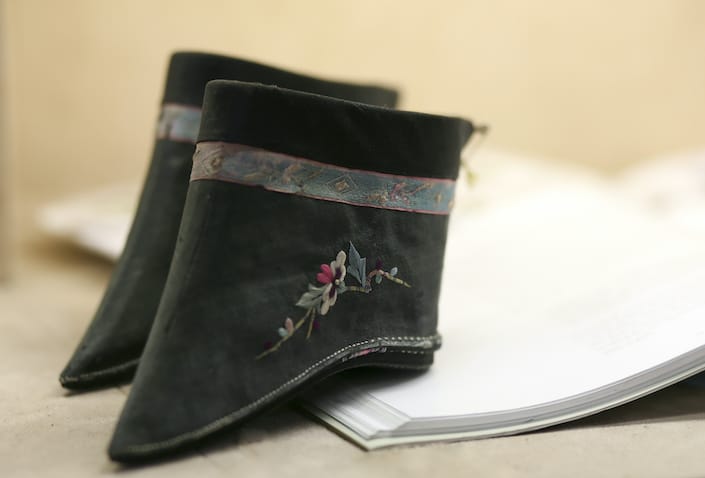
The practice of foot-binding and its devastating consequences spans hundreds of years. It is believed to have begun as early as the 10th century, when an emperor was captivated by the small feet of a court dancer.
Small feet became an emblem of female beauty, giving rise to the painful practice of binding young girls' feet. It was finally outlawed in 1912 — the last year of the Qing dynasty.
Female infanticide and the one-child policy
Throughout Chinese history, female infanticide was widespread, especially among the poor, and particularly common during the Qing dynasty. In traditional Chinese culture, a daughter was considered only a temporary part of her family — she would be married off to join her husband's family — while sons were expected to support aging parents.
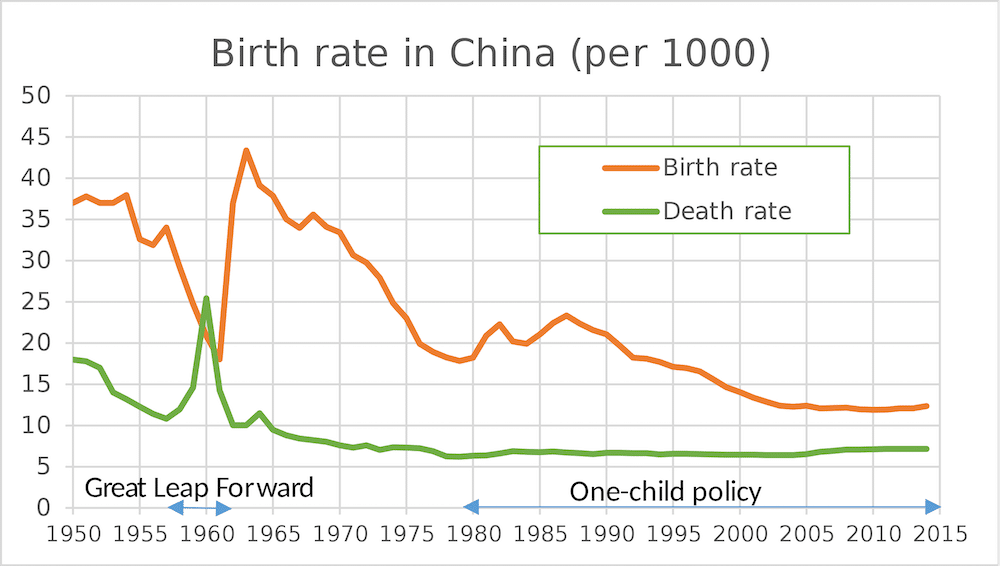
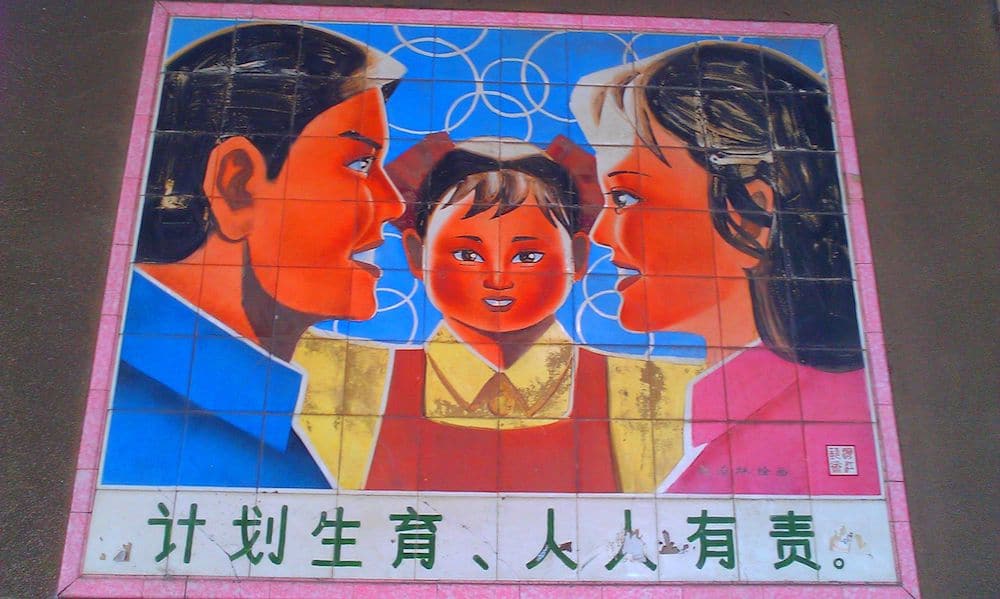
There was a significant decrease in female infanticide after the establishment of the People's Republic of China in 1949. Unfortunately, the one-child policy introduced in the late 1970s caused a recurrence of similar attitudes, and unbalanced gender ratios continue to affect China today.
Despite these tragic consequences, the one-child policy also had some unintended benefits for women. Families who had a single daughter had no choice but to invest in her education and encourage her economic independence — only by advancing in society could daughters gain the resources needed to support their parents in old age.
The Chinese Communist Party and women's rights
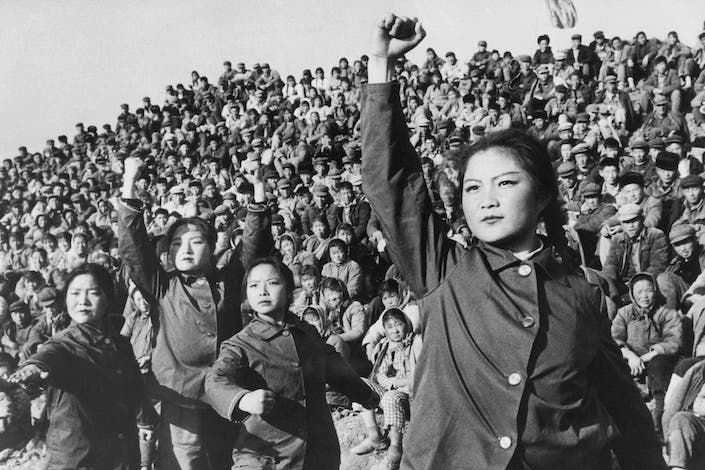
The 1949 establishment of the People's Republic of China played a decisive role in counteracting the feudalistic ideology that had kept Chinese women oppressed. The 1950s brought significant advancement in women's rights, largely driven by the revolutionary New Marriage Law.
Created in 1950, the New Marriage Law completely outlawed prostitution, arranged marriages, child betrothals, and concubinage. Marriage was to be based on love and mutual consent, and both men and women were granted the right to divorce and economic independence.
Women and men were also given equal rights to elect and be elected to public office. As of 2018, females account for 25% of all members of the Chinese government — not a bad ratio given that women make up 48% of China's total population.
03 The history of Women's Day, in China and abroad
The origins of International Women's Day go all the way back to 1908, when 15,000 women marched through New York City demanding better pay, shorter working hours, and voting rights. It wasn't until 1911 that the day was officially recognised in Switzerland, Germany, Austria, and Denmark.
In China, it is believed the holiday was informally observed by Communist Party members as early as 1921. It became an official national holiday with the founding of the People's Republic of China in 1949.
International Women's Day was recognised by the United Nations in 1975, which helped propel the women's rights movement globally by putting the spotlight on gender equality. It became a day to celebrate the acts of courage and determination by ordinary women who played an extraordinary role in history.
Many Chinese workplaces mark the occasion by giving female employees gifts and a shorter working day, reflecting a broader cultural emphasis on acknowledging women's contributions to society.
04 How is International Women's Day celebrated in China?
In modern China, Women's Day is not a public holiday, so the general population does not get the day off. However, many employers take the occasion to show gratitude to their female staff — working women are typically granted a half-day off or simply a shorter working day.
It is also becoming increasingly popular for employers to give their female employees small gifts as a token of appreciation. This custom has become well established across both private and state-owned companies.
Another way Women's Day is celebrated is through large product discounts offered to women around March 8th. The concept of "self-care" is heavily promoted during this period and is one of the main drivers behind the significant sales generated each year.
Throughout the month of March, many Chinese stores offer special discounts for women. On platforms such as Taobao, you will find a wide variety of deals, mainly on beauty and clothing items.
Massage parlours often offer special packages with extra freebies, and in some bars women can enjoy discounted or free drinks. Understanding these customs is one of the many rewards of studying Chinese society and culture in depth.
05 Naming controversies
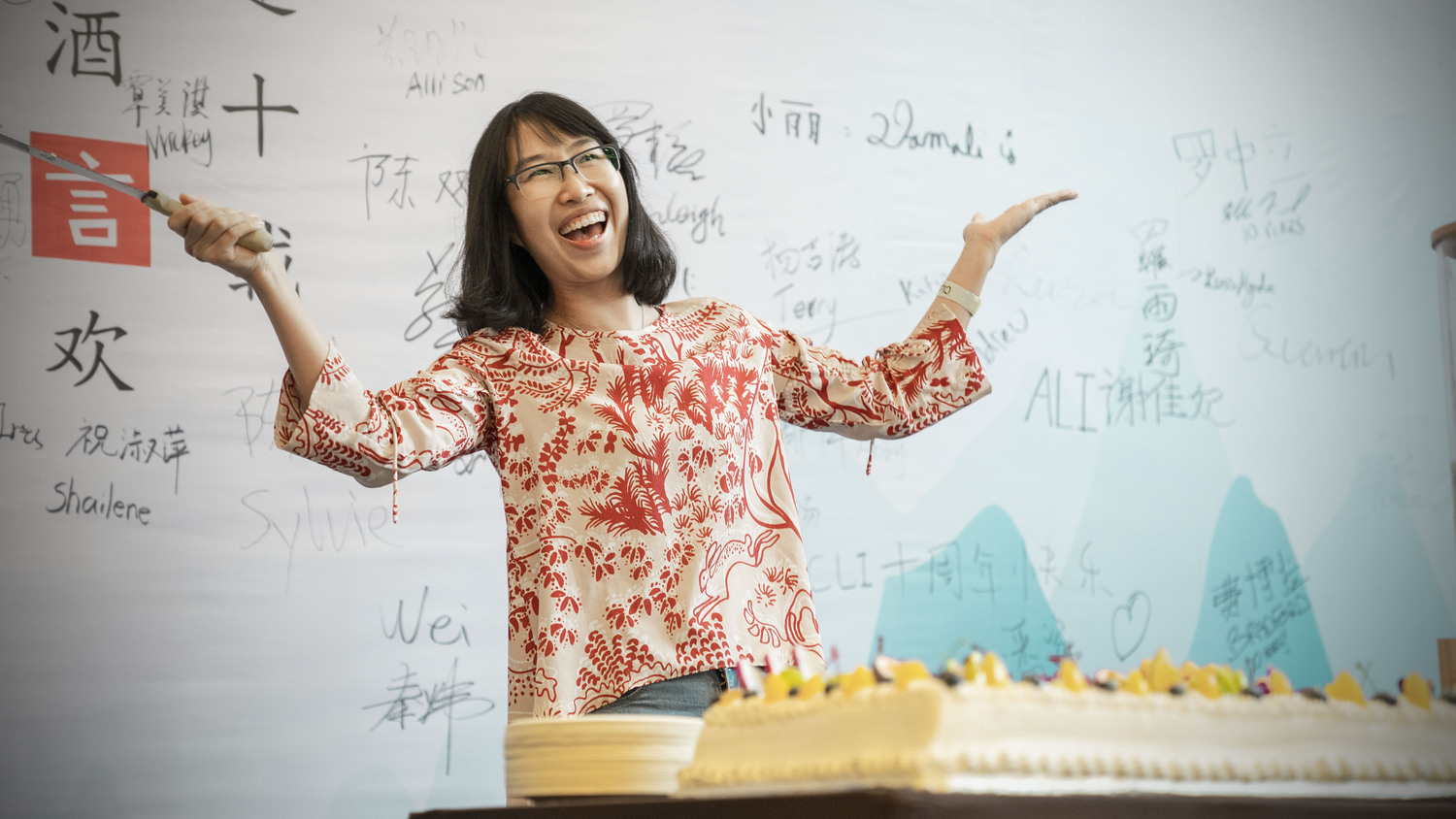
One criticism of Women's Day in China comes from its Chinese name. The word 妇女 (fùnǚ) is typically associated with married or older women. Some feel the term already implies an expectation of traditional roles centred on motherhood and marriage.
To appeal to younger female consumers, some retailers began using 女神 (nǚshén; goddess) instead, giving rise to 女神节 (Nǚshénjié; Goddess Day). This rebranding has been widely adopted in advertising campaigns and on e-commerce platforms.
However, the shift has attracted criticism. Many netizens argue the real message behind International Women's Day is being watered down, with the holiday becoming a commercial exercise rather than a platform for gender equality.
06 The challenges facing Chinese women today
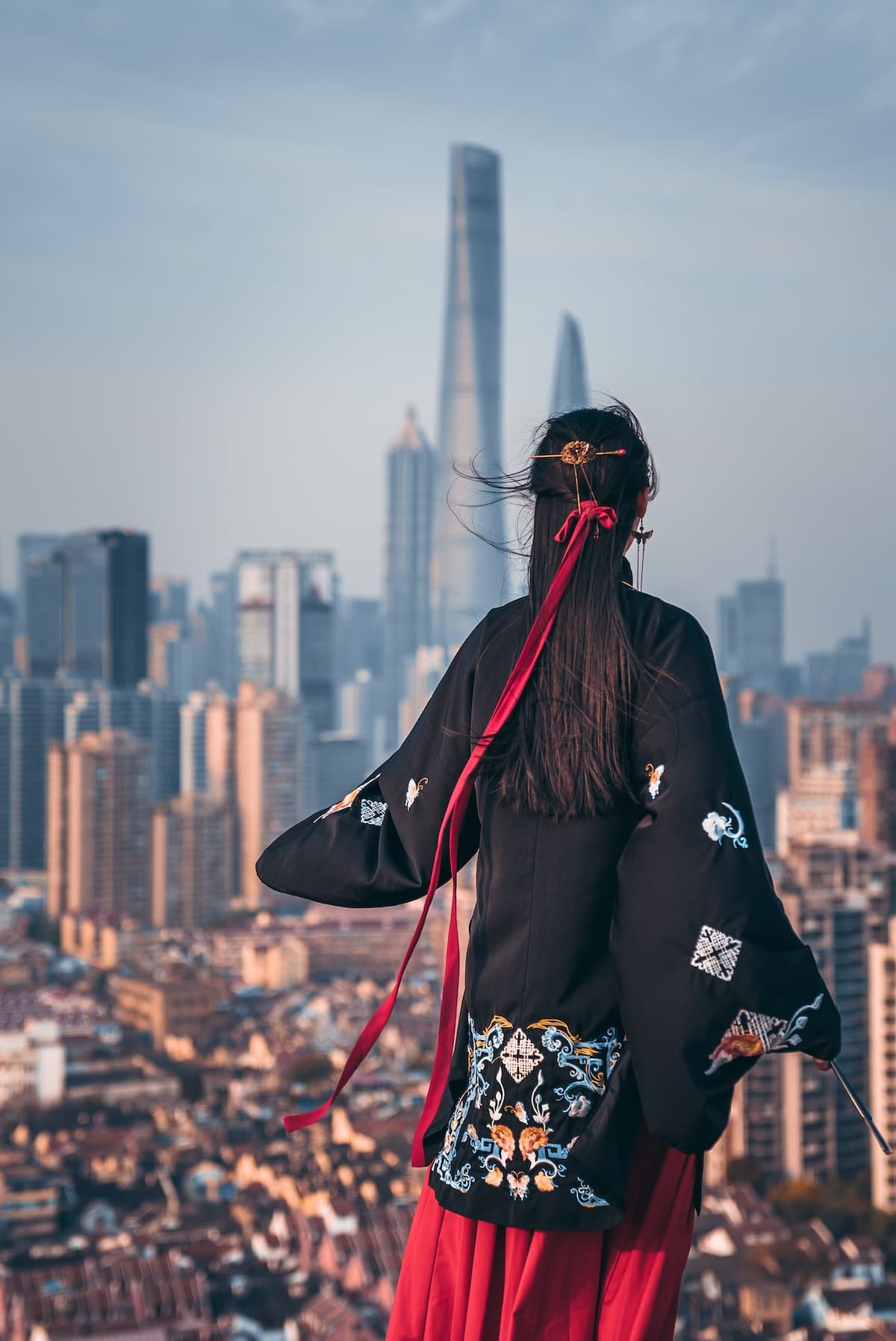
Many Chinese women see International Women's Day as a time to commemorate the achievements of women throughout history and highlight current gender issues. It is also an opportunity to consider how to improve women's rights for future generations.
Despite the fight for cultural change and equal opportunities, many Chinese women still face a variety of challenges — particularly in the following areas.
Children and marriage
Chinese society still places a heavy emphasis on traditional gender roles, and the family unit is considered the core of a healthy society. Many Chinese women face immense pressure to marry and have children at a young age.
This pressure is so pronounced that unmarried and childless women over the age of 28 are referred to as 剩女 (shèngnǚ), or "leftover women." There is no equivalent derogatory term used for unmarried men of any age.
In May 2021, the Chinese government announced that couples could now have three children, aiming to address low birth rates and an aging population. This policy shift further highlights how women's reproductive choices remain closely tied to national demographic concerns.
Standards of beauty
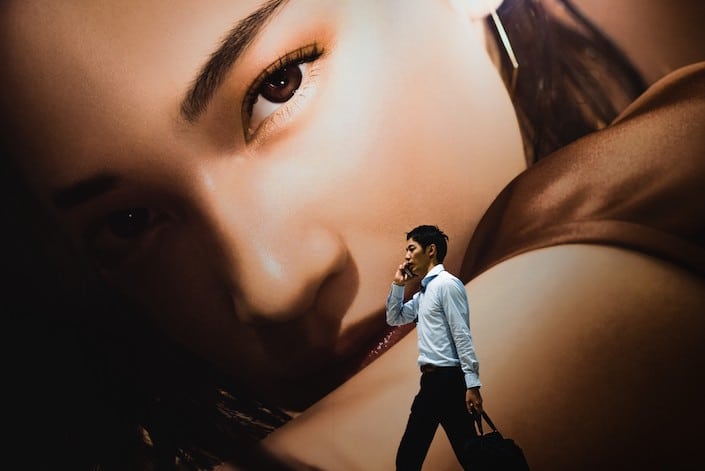
Like women throughout the world, Chinese women sometimes feel expected to attain unattainable beauty standards. China's standards of beauty broadly revolve around being very thin, fair-skinned, and behaving in ways considered traditionally feminine.
Equal career opportunities
Many Chinese women still face significant discrimination in the working world. A woman's age and marital status can have a huge influence on whether she successfully secures a job, regardless of her qualifications.
Some companies avoid hiring young unmarried women — or married women without children — for fear they may soon take maternity leave. Women also face barriers in male-dominated fields such as engineering and tech, and may not be taken seriously even in positions of seniority.

Despite these challenges, Chinese women today have made incredible strides in both their personal and professional lives. The Chinese government has also made efforts to prevent exploitation in academic settings — a November 2020 regulation banned postgraduate tutors from having "improper" relations with students.
Following China's successful Chang'e 5 moon landing in 2020, the women who played a critical role in the mission were widely celebrated across state television. Although there is always room for improvement, the future of women in China looks increasingly bright.
07 Chinese vocabulary for International Women's Day
The following terms will help you understand references to Women's Day in Chinese conversation, media, and social contexts. To build on this vocabulary, explore our guide to building a Chinese study plan.
| Chinese | Pinyin | Meaning |
|---|---|---|
| 国际妇女节 | International Women's Day | |
| 三八节 | March 8th Festival (informal name) | |
| 妇女 | Woman (married / older connotation) | |
| 女神节 | Goddess Day (commercial rebranding) | |
| 女神 | Goddess | |
| 剩女 | Leftover woman (derogatory term) | |
| 平等 | Equality | |
| 女权 | Women's rights; feminism | |
| 职业女性 | Professional / career woman | |
| 传统观念 | Traditional ideas / values |
Study Chinese in Guilin or Start Online
CLI offers personalized Chinese instruction built around your goals. Join our Immersion Program in Guilin or begin from anywhere with a free Chinese lesson .
08 FAQ
What is International Women's Day called in Chinese?
It is formally known as 国际妇女节 (Guójì Fùnǚjié). Informally, it is often called 三八节 (Sānbājié), referring to its date of March 8th.
Is International Women's Day a public holiday in China?
No — it is not a full public holiday, so the general population does not get the day off. However, female employees in many companies receive a half-day off or shorter working hours.
What is "Goddess Day" in China?
女神节 (Nǚshénjié) is a commercial rebranding of Women's Day used by retailers to appeal to younger female consumers. Critics argue it waters down the holiday's original message of gender equality.
When did China officially recognise International Women's Day?
China officially recognised it in 1949 with the founding of the People's Republic of China. It is believed to have been observed informally by Communist Party members as early as 1921.
What challenges do Chinese women face today?
Key challenges include societal pressure to marry and have children young, unrealistic beauty standards, and workplace discrimination based on age and marital status. Progress is being made, but significant cultural shifts are still needed.