

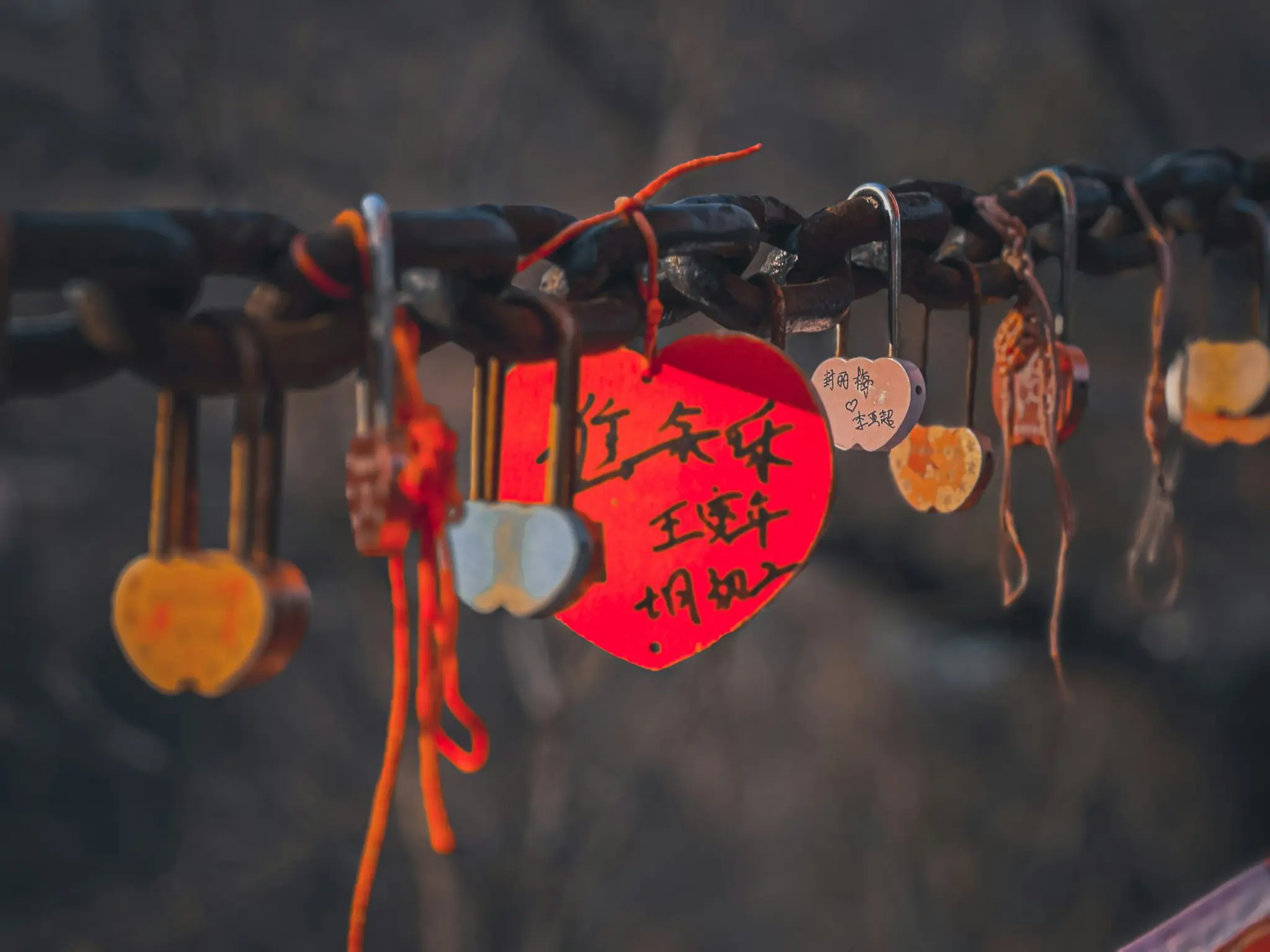
- Chinese Valentine’s Day is commonly associated with 七夕节 (Qīxī Jié), also known as the Qixi Festival or Double Seventh Festival.
- Qixi falls on the seventh day of the seventh month of the traditional Chinese calendar, so its Gregorian date changes every year.
- In 2027, Chinese Valentine’s Day falls on Sunday, August 8.
- The festival is linked to the famous legend of Niulang, the Cowherd, and Zhinü, the Weaver Girl, two lovers separated by the Milky Way.
- Today, Qixi is celebrated with dates, gifts, flowers, romantic messages, and traditional customs such as eating 巧果 (qiǎoguǒ) and praying for skill, wisdom, and love.
What is Chinese Valentine’s Day? In modern China, the phrase usually refers to 七夕节 (Qīxī Jié), or the Qixi Festival, a traditional festival connected with one of China’s most famous love stories: the tale of the Cowherd and the Weaver Girl.

Qixi is celebrated on the seventh day of the seventh month of the traditional Chinese calendar. Because the Chinese calendar is lunisolar, the festival falls on a different Gregorian date each year, usually sometime in August.
Although Qixi is not an official public holiday in mainland China, it remains culturally important and is widely recognized by couples, brands, restaurants, and gift shops. Like many Chinese holidays, it combines ancient legend, seasonal timing, symbolic foods, and modern celebration.
For Chinese learners, Qixi is also a useful doorway into Chinese culture. The festival introduces important vocabulary, classical imagery, number symbolism, folk religion, and modern dating culture. If your goal is to learn Chinese in China, understanding festivals like Qixi can make real-life conversations and cultural experiences much richer.
01 What is Chinese Valentine’s Day?
Chinese Valentine’s Day is the popular English name for 七夕节 (Qīxī Jié), a traditional Chinese festival that celebrates the annual meeting of two legendary lovers: 牛郎 (Niúláng), the Cowherd, and 织女 (Zhīnǚ), the Weaver Girl.
The festival is also known as the Qixi Festival, the Double Seventh Festival, and sometimes the Qiqiao Festival. The name 七夕 literally refers to the evening of the seventh day, because the festival falls on the seventh day of the seventh lunar month.
What does Qixi Festival mean?
The Chinese name 七夕节 (Qīxī Jié) can be broken down as follows:
- 七 (qī): seven
- 夕 (xī): evening or night
- 节 (jié): festival or holiday
The festival’s name reflects its date: the evening of the seventh day of the seventh month. This repeated-seven date is why Qixi is also called the Double Seventh Festival.
Is Qixi Festival a public holiday in China?
No. Qixi Festival is not a public holiday in mainland China, so schools, offices, and government institutions usually remain open. It is best understood as a traditional and cultural festival rather than an official day off.
That said, Qixi is still highly visible in modern China. Restaurants may offer couple’s menus, shops promote flowers and gifts, and couples often use the day as an opportunity to go on dates, exchange presents, or send romantic messages.
02 When is Chinese Valentine’s Day in 2027?
In 2027, Chinese Valentine’s Day, or Qixi Festival, falls on Sunday, August 8, 2027. In 2026, it fell on Wednesday, August 19.
Qixi is observed on the seventh day of the seventh month of the Chinese calendar, written in Chinese as 农历七月初七 (nónglì qīyuè chūqī). Since the Chinese calendar does not line up exactly with the Gregorian calendar, the Gregorian date changes from year to year.
| Year | Qixi Festival date | Day of the week |
|---|---|---|
| 2026 | August 19 | Wednesday |
| 2027 | August 8 | Sunday |
| 2028 | August 26 | Saturday |
| 2029 | August 16 | Thursday |
| 2030 | August 5 | Monday |
If you are planning travel, events, or lessons around Qixi, always confirm the date with a current Chinese calendar. Like Chinese New Year, Lantern Festival, Dragon Boat Festival, and Mid-Autumn Festival, Qixi follows the traditional Chinese calendar rather than a fixed Gregorian date.
03 The Cowherd and the Weaver Girl story behind Qixi Festival
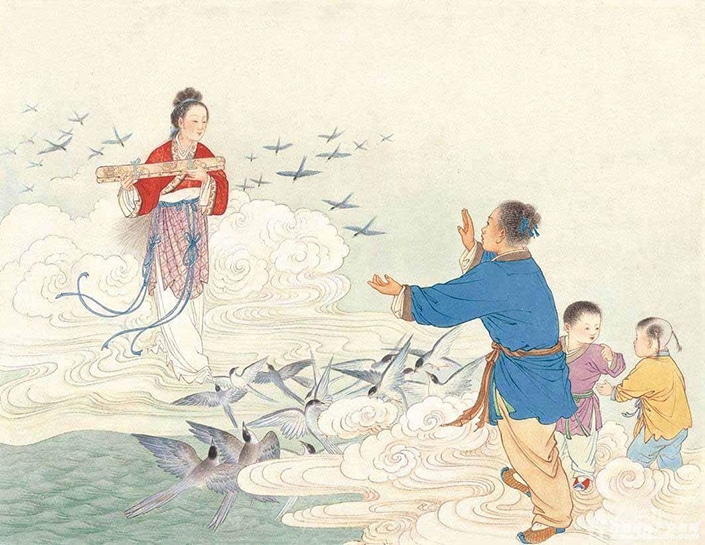
The story behind Qixi Festival is the legend of the Cowherd and the Weaver Girl, known in Chinese as 牛郎织女 (Niúláng Zhīnǚ). It is one of China’s best-known love stories and has been retold in poetry, opera, drama, children’s books, television, and festival culture.
According to the most familiar version of the legend, Zhinü was a heavenly weaver associated with the star Vega. Niulang was a kind mortal cowherd associated with the star Altair. The two fell in love, married, and had children, but their relationship violated the rules of heaven.
Who are Niulang and Zhinü?
牛郎 (Niúláng) means “cowherd.” In the story, he is usually portrayed as honest, poor, hardworking, and devoted. 织女 (Zhīnǚ) means “weaver girl.” She is a heavenly figure known for weaving clouds, brocade, or celestial cloth.
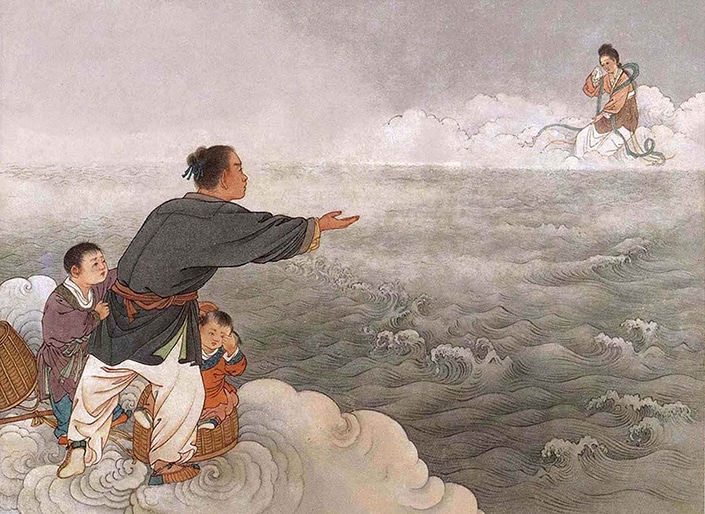
When Zhinü’s mother, often identified as the Queen Mother of the West or a heavenly goddess in later versions, discovered the marriage, she separated the lovers by creating a vast river in the sky: the Milky Way.
What is the Magpie Bridge?
The most famous image in the Qixi story is the 鹊桥 (Quèqiáo), or Magpie Bridge. Moved by the lovers’ devotion, magpies are said to fly into the sky each year on the seventh day of the seventh lunar month and form a bridge across the Milky Way so Niulang and Zhinü can meet.
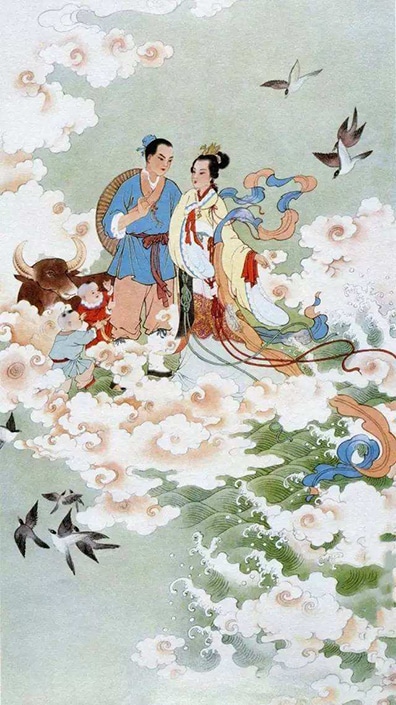
This annual reunion is why Qixi became associated with love, longing, separation, and faithful devotion. The story is also connected with the night sky: Vega, Altair, and the Milky Way are all part of the festival’s symbolic world.
04 How is Qixi Festival celebrated in China?
Today, Qixi Festival is celebrated in both traditional and modern ways. Many couples treat it much like Valentine’s Day: they go out for dinner, exchange gifts, send romantic messages, buy flowers, or spend the evening together.
At the same time, older Qixi customs go beyond romance. Historically, the festival was also connected with women praying for skill, wisdom, dexterity, a good marriage, and a happy future.
Qixi gifts, dates, and modern romance
In modern China, Qixi is a major day for romantic marketing. Common Qixi gifts include flowers, jewelry, chocolate, cosmetics, perfume, clothing, handwritten cards, and Chinese-style gifts with symbolic meaning.
Couples may also book restaurants, watch movies, take photos, or post romantic messages on social media. For people interested in dating in China, Qixi is one of several love-themed dates that appear in modern Chinese relationship culture.
Eating 巧果 (qiǎoguǒ) during Qixi Festival
One traditional Qixi food is 巧果 (qiǎoguǒ), a sweet fried or baked pastry associated with skill and cleverness. The character 巧 (qiǎo) can mean skillful, clever, or ingenious.
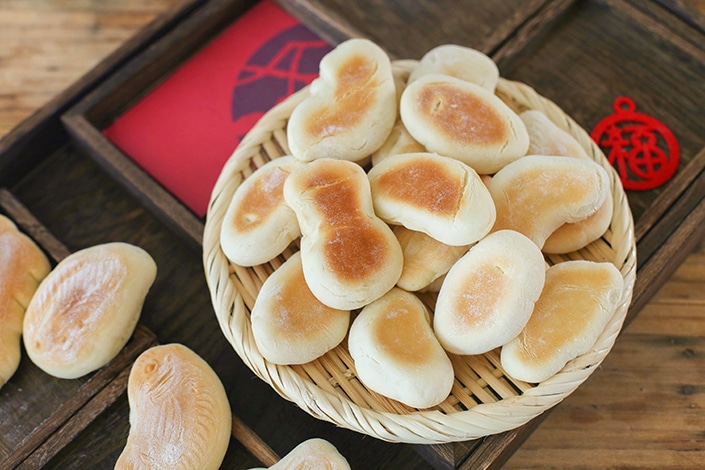
The word 巧 also appears in the older name 乞巧节 (Qǐqiǎo Jié), meaning a festival of “begging for skill.” This refers to the custom of praying for skillful hands, intelligence, weaving ability, and good fortune.
Praying for skill, wisdom, and love
In traditional Qixi customs, young women would pray to Zhinü for wisdom, dexterity, good needlework, a happy marriage, and a good life. In some regions, girls performed needle-threading contests, made offerings, or looked toward Vega and Altair in the night sky.
These customs show that Qixi was not always simply a Chinese version of February 14 Valentine’s Day. Its older meaning was tied to skill, feminine artistry, seasonal ritual, and celestial worship, while its modern romantic meaning developed over time.
05 Other romantic holidays in China
Qixi is the best-known traditional Chinese romantic festival, but it is not the only love-themed date celebrated in China. Modern Chinese couples may also recognize February 14 Valentine’s Day, White Day, 520, and sometimes Lantern Festival as romantic occasions.
February 14: Valentine’s Day in China
February 14 Valentine’s Day, known in Chinese as 情人节 (Qíngrén Jié), is a Western import that has become popular among younger generations in China.
As in many other countries, couples may exchange flowers, chocolates, cards, and romantic gifts. Restaurants, cafés, hotels, and shopping malls often use the date for Valentine’s Day promotions.

March 14: White Day in China
White Day, known as 白色情人节 (Báisè Qíngrén Jié), originated in Japan and later spread to other parts of East Asia, including China.
In the most common version of the custom, people who received gifts on February 14 may give a return gift on March 14. Chocolate, sweets, jewelry, flowers, and other romantic presents are common.
May 20: 520 Festival in China
May 20 is known as 520 (wǔ èr líng) because the numbers sound somewhat like 我爱你 (wǒ ài nǐ), meaning “I love you.” This connection has turned May 20 into a modern internet-age romantic day in China.
On 520, couples may send love messages, give gifts, post on social media, transfer digital red envelopes, or register marriages. The date is especially popular in online culture because number slang plays a large role in modern Chinese internet communication. You can learn more about this kind of language in our guide to Chinese internet slang.

Lantern Festival and romance in ancient China
The Lantern Festival is no longer mainly thought of as a romantic holiday, but it has long-standing associations with love and courtship in traditional Chinese culture.
In ancient times, Lantern Festival gatherings gave young people a rare chance to go out at night, admire lanterns, solve riddles, and meet potential romantic partners. This is why some people describe the Lantern Festival as another traditional Chinese festival with romantic associations.
November 11: Singles’ Day in China
For people who are not in relationships, China also has Singles’ Day, known as 光棍节 (Guānggùn Jié). It falls on November 11, or 11/11, because the repeated ones are associated with being single.
Singles’ Day began as a student and youth-culture observance, but it later became the world’s largest online shopping festival. Today, its commercial meaning is much stronger than its original romantic or anti-romantic meaning.

Study Chinese in Guilin or Start Online
CLI offers personalized Chinese instruction built around your goals. Join our Immersion Program in Guilin or begin from anywhere with a free Chinese lesson .
06 Qixi, love, and marriage culture in China
Qixi Festival offers a useful window into changing ideas of romance in China. Traditionally, the festival reflected ideals of loyalty, longing, skill, marriage, and cosmic order. In modern cities, it is also shaped by consumer culture, dating apps, restaurant promotions, and social media.
The festival can also be understood alongside other areas of Chinese relationship culture, including Chinese wedding customs, gift-giving etiquette, family expectations, and changing attitudes toward dating and marriage.
Traditional Qixi vs. modern Chinese Valentine’s Day
Traditional Qixi customs focused on Zhinü, weaving, women’s skill, prayers, offerings, and celestial symbolism. Modern Qixi is more openly romantic and commercial, often centered on couples, gifts, dates, and public expressions of love.
Both meanings still matter. Calling Qixi “Chinese Valentine’s Day” is useful for English readers, but it is also a simplification. Qixi is not just a copy of Valentine’s Day. It has its own calendar date, mythological background, traditional foods, and symbolic language.
Qixi, Tanabata, Chilseok, and Thất Tịch
The Cowherd and Weaver Girl story also influenced festivals beyond China. In Japan, the related festival is known as Tanabata. In Korea, it is called Chilseok. In Vietnam, it is known as Thất Tịch.
These festivals share roots in the same celestial love story, but each region developed its own customs, dates, foods, and meanings. This article focuses mainly on Qixi as celebrated in Chinese culture.
07 Chinese Valentine’s Day vocabulary
The following words and phrases will help you talk about Qixi Festival, romantic holidays, and the Cowherd and Weaver Girl story in Chinese.
| Chinese | Pinyin | Meaning |
|---|---|---|
| 七夕节 | Qixi Festival; Chinese Valentine’s Day | |
| 情人节 | Valentine’s Day | |
| 牛郎 | Cowherd | |
| 织女 | Weaver Girl | |
| 牛郎织女 | The Cowherd and the Weaver Girl | |
| 鹊桥 | Magpie Bridge | |
| 银河 | Milky Way | |
| 巧果 | Qixi pastry; “skill fruit” | |
| 乞巧 | Begging for skill | |
| 我爱你 | I love you | |
| 约会 | Date; to go on a date | |
| 礼物 | Gift | |
| 玫瑰 | Rose | |
| 幸福 | Happiness; happy |
08 How to say Happy Chinese Valentine’s Day in Chinese
The most direct way to say Happy Chinese Valentine’s Day is:
七夕节快乐!
Qīxī Jié kuàilè!
Happy Qixi Festival!
You can also use these romantic Chinese phrases:
- 情人节快乐! (Qíngrén Jié kuàilè!) — Happy Valentine’s Day!
- 我爱你。 (Wǒ ài nǐ.) — I love you.
- 我想你。 (Wǒ xiǎng nǐ.) — I miss you.
- 你是我的唯一。 (Nǐ shì wǒ de wéiyī.) — You are my one and only.
- 愿我们一直幸福。 (Yuàn wǒmen yīzhí xìngfú.) — May we always be happy.
If you are learning Chinese for real conversations, festival greetings are a practical way to build vocabulary. You can also review common greetings in our guide to how to say hi in Chinese.
09 FAQ about Chinese Valentine’s Day and Qixi Festival
What is Chinese Valentine’s Day called in Chinese?
Chinese Valentine’s Day is usually called 七夕节 (Qīxī Jié) when referring to the traditional Qixi Festival. February 14 Valentine’s Day is called 情人节 (Qíngrén Jié).
When is Chinese Valentine’s Day in 2027?
In 2027, Chinese Valentine’s Day, or Qixi Festival, falls on Sunday, August 8. It falls on the seventh day of the seventh month of the traditional Chinese calendar.
Is Qixi Festival the same as Valentine’s Day?
Not exactly. Qixi is often called Chinese Valentine’s Day because it is associated with love and couples, but it has its own traditional story, calendar date, customs, foods, and cultural meaning.
Who are the Cowherd and the Weaver Girl?
The Cowherd and the Weaver Girl are the two lovers in the Qixi legend. In Chinese, they are called 牛郎 (Niúláng) and 织女 (Zhīnǚ). They are separated by the Milky Way and reunited once a year on the Magpie Bridge.
How do people celebrate Qixi Festival in China?
Modern celebrations often include dates, flowers, gifts, romantic dinners, messages, and social media posts. Traditional customs include eating 巧果 (qiǎoguǒ) and praying for skill, wisdom, love, and a happy future.
Is Qixi Festival a public holiday?
No. Qixi Festival is not a public holiday in mainland China. It is a traditional and cultural festival rather than an official day off.
What is 520 in Chinese romance culture?
520 refers to May 20, a modern romantic date in China. The numbers 五二零 (wǔ èr líng) sound somewhat like 我爱你 (wǒ ài nǐ), meaning “I love you.”
10 Final thoughts
Chinese Valentine’s Day is more than a simple equivalent of February 14. Qixi Festival brings together astronomy, mythology, love, longing, women’s traditional skills, festival food, number symbolism, and modern romance.
For Chinese learners, Qixi is a memorable example of how language and culture are connected. Words like 七夕, 牛郎织女, 鹊桥, 巧果, and 我爱你 carry stories, customs, and cultural associations that go far beyond dictionary definitions.
If you want to keep exploring Chinese culture, continue with our guides to Chinese holidays, the Chinese calendar, Chinese wedding customs, and dating in China.