

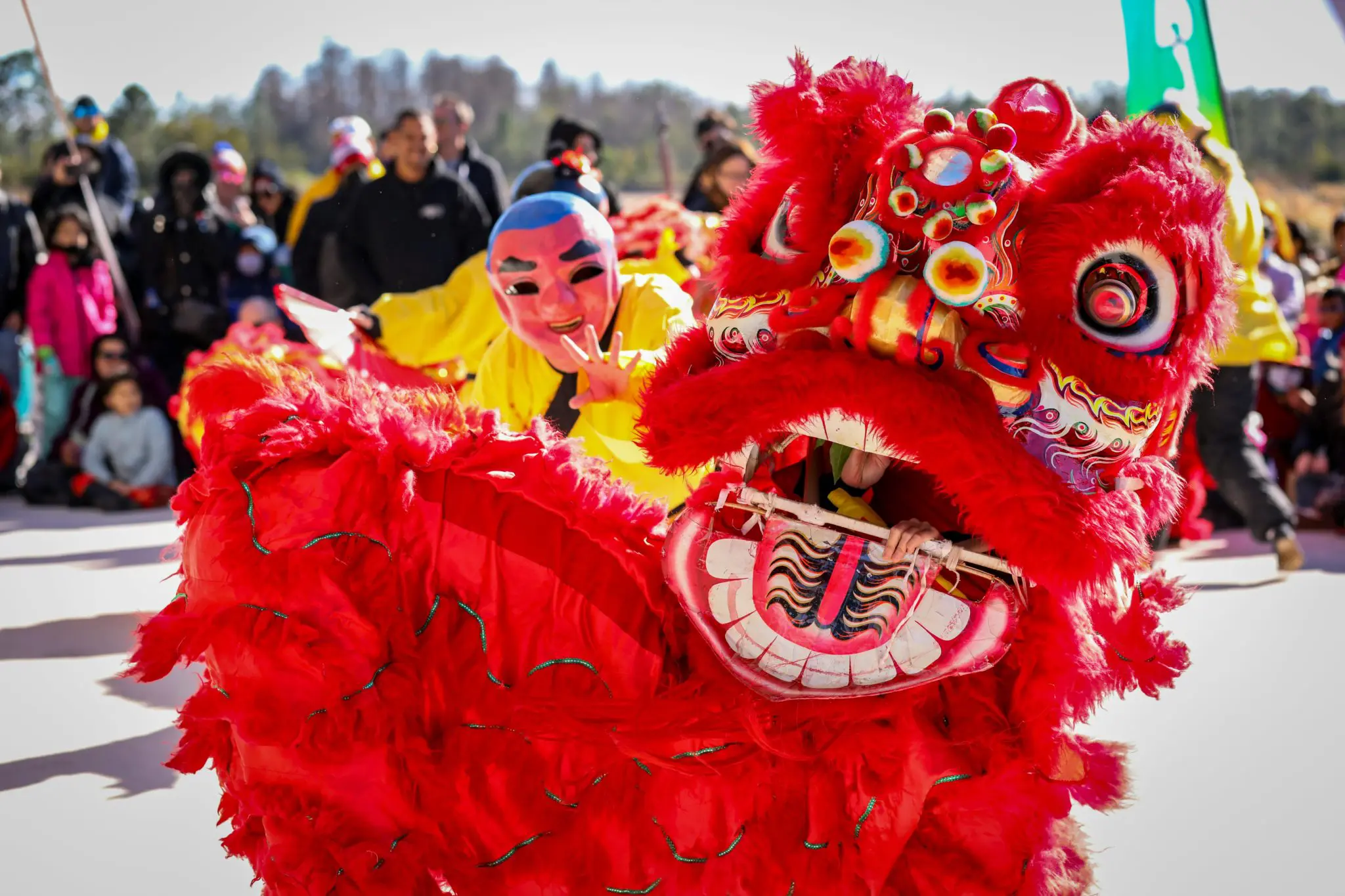
- Chinese New Year (春节 Chūnjié), also called the Spring Festival, is the most important holiday in the Chinese holiday calendar, celebrated each January or February.
- The holiday lasts 15 days and officially ends with the Lantern Festival (元宵节 Yuánxiāojié).
- Common traditions include red envelope gifting, family reunion dinners, lantern decorations, and visits to temples.
- Auspicious foods like steamed fish, dumplings, and rice cakes each carry symbolic meanings rooted in Chinese wordplay and culture.
Perhaps the most important of all Chinese holidays, Chinese New Year is celebrated worldwide each January or February. Also called the Spring Festival (春节 Chūnjié), it marks the beginning of the new year according to the traditional Chinese lunisolar calendar.
The Spring Festival officially ends 15 days later with the Lantern Festival (元宵节 Yuánxiāo jié). Whether you're learning Mandarin, planning to learn Chinese in China, or simply curious about this extraordinary cultural tradition, this guide covers everything from foods and greetings to taboos and zodiac signs.
01 How is Chinese New Year celebrated?
Spring Festival is a time for families to come together, exchange money-filled red envelopes (红包, hóngbāo), and enjoy delicious Chinese food. The Chinese New Year is a 15-day holiday with a variety of festivities that vary by region, though many customs are shared nationwide.
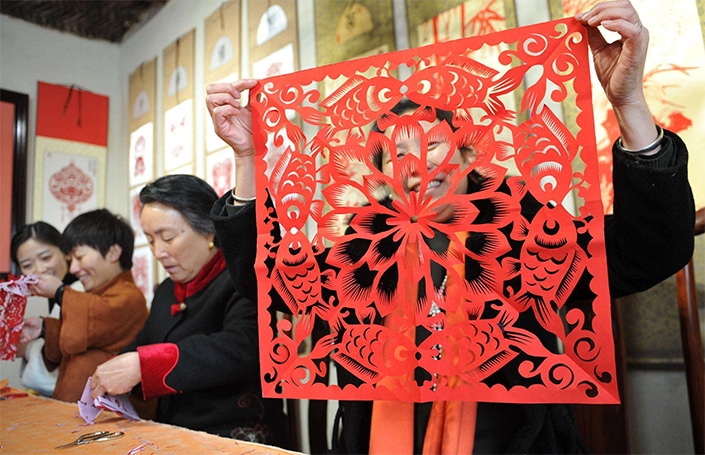
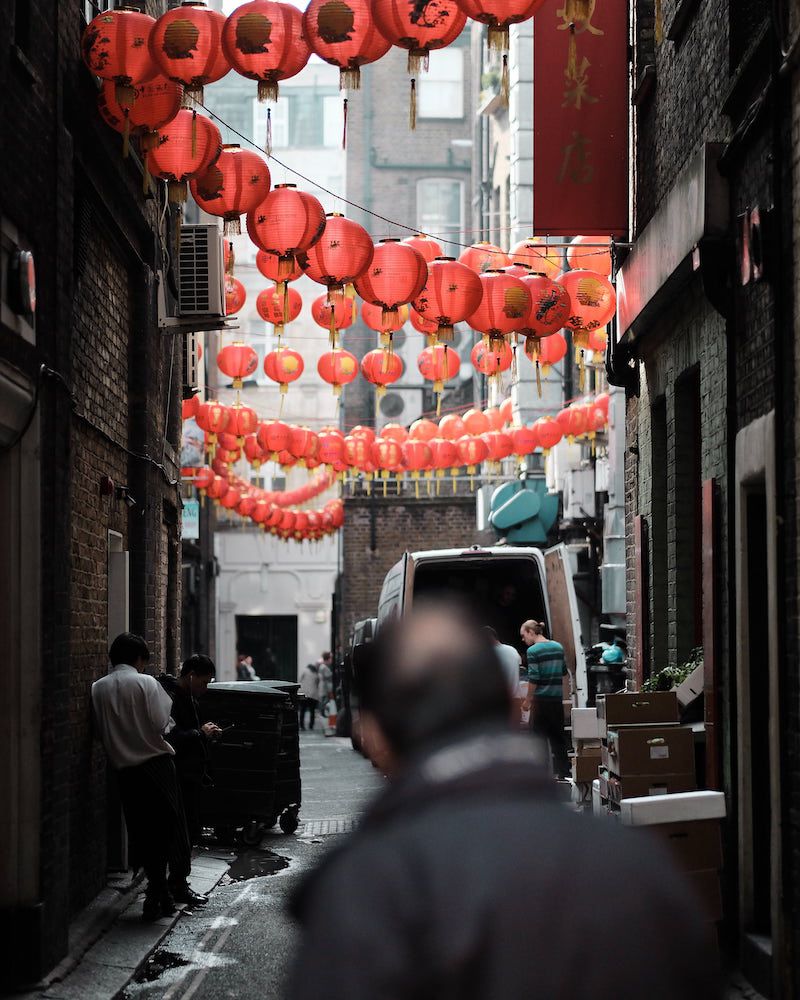
It is common practice to decorate one's home with Chinese lanterns. In many homes, you will also find auspicious Chinese characters and couplets on red paper stuck on doors.
Red is considered auspicious because it is said to scare away the Nian monster. Wearing new clothes is also a common tradition — a new year calls for newness in every sense.
Chinese New Year is an important time to 拜年 (bàinián, to pay a new year call), so it is common practice to visit relatives and exchange auspicious greetings and Chinese gifts, including the ever-popular lucky red envelopes filled with Chinese currency. Devoted Buddhist and Daoist practitioners also often visit local temples to welcome the new year.
The holiday has even influenced the traditional festivals of neighboring cultures, including the Koreans, Vietnamese, Mongolians, and Japanese. This is a testament to how deeply Spring Festival is woven into the fabric of East Asian civilization.
02 What foods are eaten during Chinese New Year?
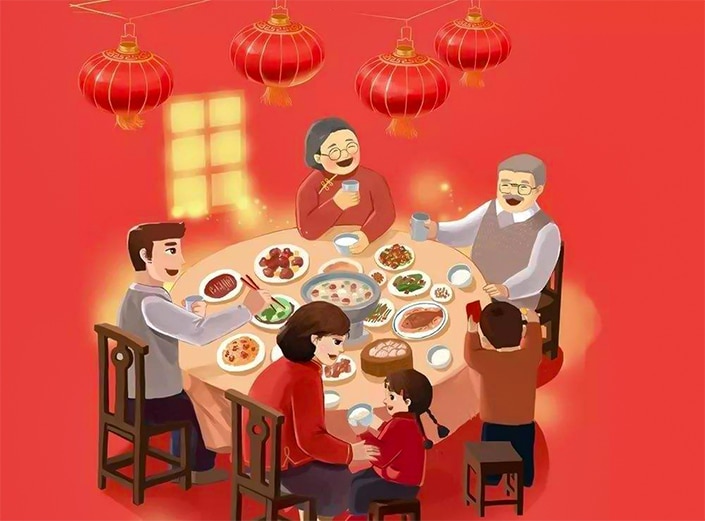
Family is of central importance in traditional Chinese culture, and Spring Festival is deeply family-oriented. The New Year's Eve reunion dinner (年夜饭 niányèfàn) kick-starts the tradition of family reunions.
In fact, the Chinese Spring Festival marks the world's largest annual human migration. Overseas Chinese and Chinese migrant workers travel home to celebrate with their families.
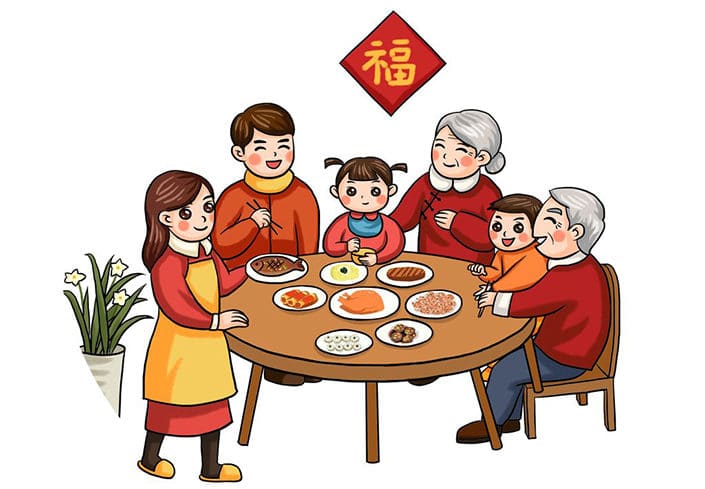
Though traditions can vary between northern and southern China, here are some of the most common "auspicious foods" served at reunion dinners and what they symbolize:
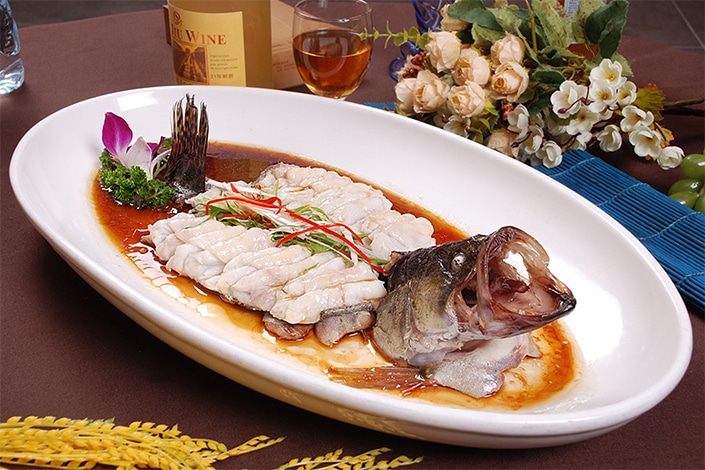
1. Steamed Fish | 蒸鱼 | zhēng yú
The Chinese language is full of homophones (同音词 tóngyīncí) — and many Spring Festival foods get their symbolic meaning from sound. "Fish" (鱼 yú) shares its pronunciation with "surplus" (余 yú), giving rise to the New Year greeting 年年有余 (niánnián yǒuyú), meaning "may you have a surplus of blessings every year."
Eating steamed fish therefore symbolizes an increase in prosperity.
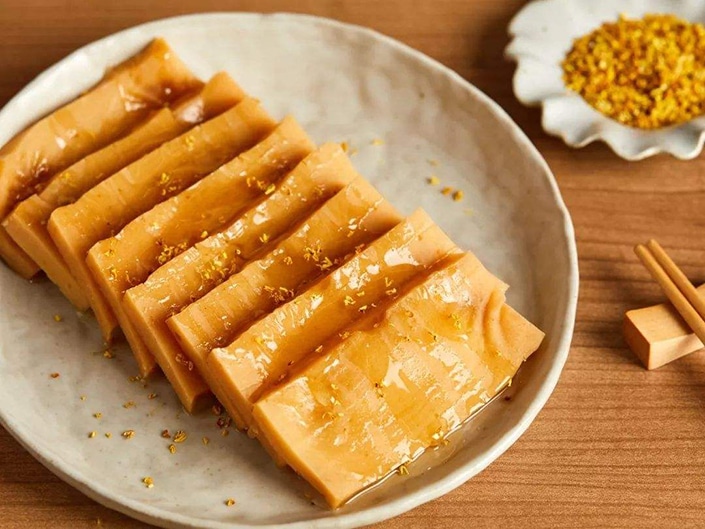
2. New Year Cake | 年糕 | niángāo
Sticky rice cakes symbolize a prosperous year to come, as "cake" (糕 gāo) shares its pronunciation with "high" or "lofty" (高 gāo). This echoes the greeting 年年高升 (niánnián gāoshēng; "advance year after year").
Rice cakes are a must during Chinese New Year festivities.
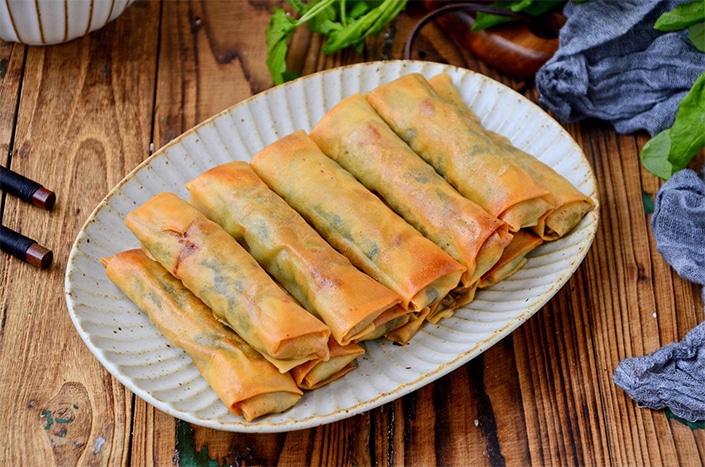
3. Spring Rolls | 春卷 | chūnjuǎn
How can you welcome spring without spring rolls? Originally a seasonal food consumed only in spring, eating them is a way to celebrate the new season.
Their golden color also symbolizes wealth and prosperity.
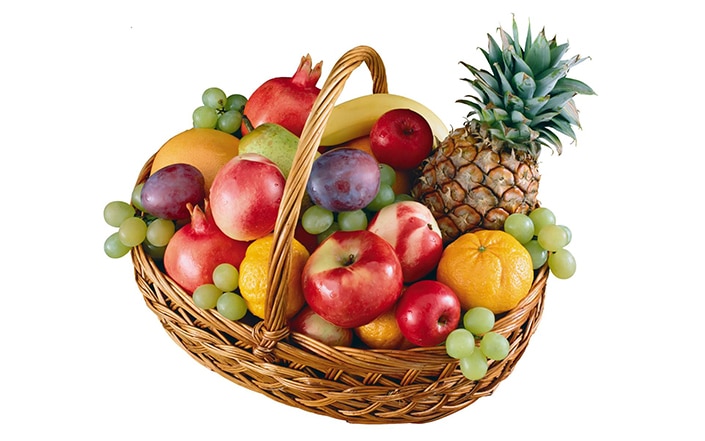
4. Fruits | 水果 | shuǐguǒ
Fruits are commonly enjoyed as desserts and snacks during Spring Festival celebrations. They symbolize life and new beginnings, and they are also a popular new year gift when visiting family or friends.
5. Dumplings | 饺子 | jiǎozi
Due to their resemblance to ancient imperial coins (元宝 yuánbǎo), dumplings represent wealth and good fortune. They are one of the most universally beloved Spring Festival foods.
For more on eating in China, see our guide to Chinese table manners.
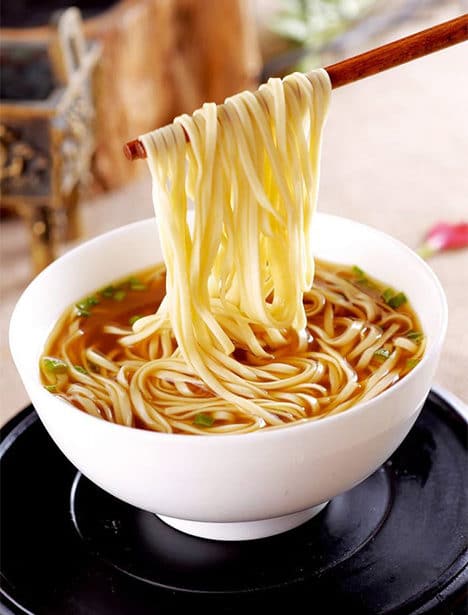
6. "Longevity Noodles" | 长寿面 | chángshòumiàn
These flat Cantonese egg noodles are served on special occasions like Chinese New Year and birthdays in China. Their long, uncut strings symbolize a long life — the trick is to eat them in a single mouthful without breaking them.
7. Tangyuan | 汤圆 | tāngyuán
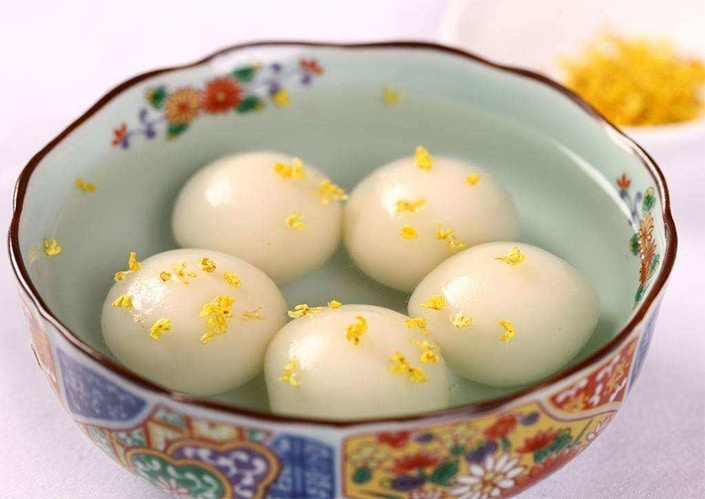
The fifteenth and final day of the new year holiday is celebrated with the Lantern Festival (元宵节 Yuánxiāojié). During this time, it is traditional to eat tāngyuán (汤圆) — sweet glutinous rice balls filled with sesame, peanut, or red bean paste.
Their round shapes symbolize togetherness and family reunion.
03 How to say Happy New Year in Chinese
Would you like to wish a friend, colleague, or loved one a Happy New Year in Chinese? Read on to learn this festive phrase and more.
Be sure to consult CLI's audio pinyin chart for a full Chinese pronunciation guide.
In China, people often accompany these greetings with a fist salute (抱拳礼 bàoquánlǐ). This method of greeting is mainly used during formal occasions, so it's best to avoid it during casual encounters.
1. 新年快乐 (Xīnnián Kuàilè) — Happy New Year!
Saying "Xīnnián Kuàilè" is the simplest and most widely recognized way to wish your Chinese friends, family, and colleagues a happy new year. If you're looking to improve your pronunciation, this is a great phrase to practice using CLI's audio pinyin chart.
2. 恭喜发财 (gōngxǐ fācái) — May you have a prosperous year!
Alongside 新年快乐, this is probably the most popular saying you'll hear around Chinese New Year. It has featured in countless 贺年歌曲 (hènián gēqǔ, Chinese New Year songs) and literally means "congratulations, make a fortune!"
It's a great phrase for practicing the festive spirit of the season.
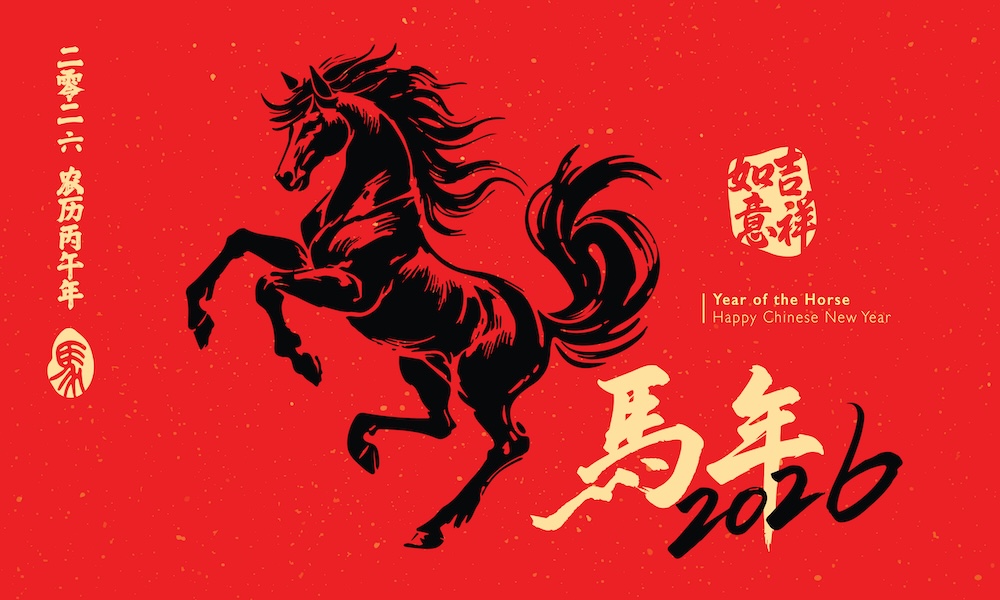
3. 马年大吉 (mǎnián dàjí) — Happy Year of the Horse (2026)
大吉 (dàjí) means "very auspicious" or "very lucky." You can put any zodiac animal before 大吉 as a year-specific greeting.
You can also say 大吉大利 (dàjídàlì), meaning "good luck and great prosperity." To learn more about this year's sign, see our guide to the Year of the Horse.

4. 岁岁平安 (suìsuì píng'ān) — May you have peace year after year
A wonderful example of Chinese wordplay: breaking something during Chinese New Year is considered a taboo, as it is believed to bring bad luck. However, if something does break, you can say "碎碎平安" (suìsuì píng'ān), which sounds identical to "岁岁平安" (suìsuì píng'ān).
Since 碎 means "to break" and 岁 means "year," this clever homophone transforms bad luck into a peaceful blessing.
5. 万事如意 (wànshìrúyì) — May all your hopes be fulfilled
万 literally means "ten thousand" or "a great number." When you say 万事如意 to a Chinese friend, you are wishing that all their ten thousand matters (万事) go according to their wishes (如意).
It's one of the most heartfelt greetings you can offer.
04 What are some taboos during Spring Festival?
All auspicious things aside, there are certain taboos that must be avoided during Chinese New Year. Understanding these is a key part of navigating Chinese social customs respectfully.
1. No cleaning!
Any "spring cleaning" must take place before the new year, never during the holiday itself. This allows the cleaned space to be filled with the new blessings and fortunes of the coming year.
Cleaning during the holiday risks sweeping those new fortunes away.
2. No wearing black or white!
In Chinese color symbolism, black signifies evil and white is associated with death and funerals. Instead, auspicious colors such as red and gold are worn during the new year.
3. No cutting hair!
发 fā (hair) shares its character and sound with 发财 fā cái (to get rich). Cutting your hair during the new year therefore symbolizes a loss of fortune — a risk no one wants to take.
4. No breaking things!
碎 suì means "to break," while 岁 suì means "age" or "year." If something does break, saying "碎碎平安" (suì suì píng ān) — which sounds exactly the same as "岁岁平安" ("may you have peace year after year") — is the clever fix.
05 Why is it called the "Lunar" New Year?
The term "lunar" is an English adaptation, mainly because the holiday begins with the new moon and ends with the full moon 15 days later — it is thus based on the Chinese lunisolar calendar. The holiday's Chinese name, 春节 Chūnjié, literally means "Spring Festival."
For a deeper understanding of how months, leap years, solar terms, and zodiac cycles all fit together, see our detailed guide to the traditional Chinese calendar.

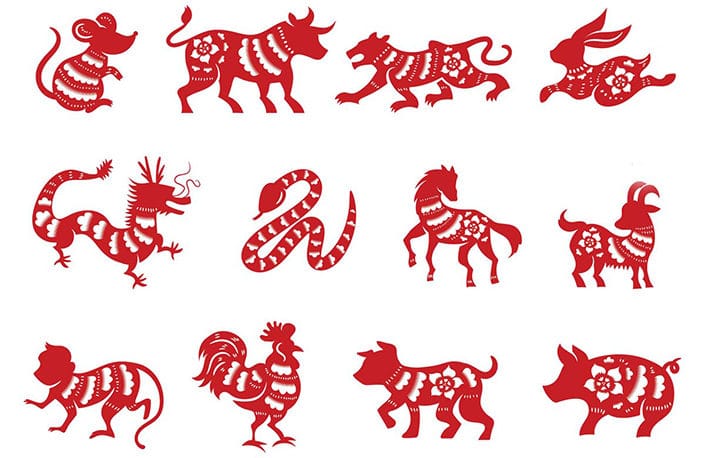
06 Chinese Zodiac Animal Signs
Chinese New Year is also when the annual zodiac sign changes, with each year assigned to a specific animal. If you want a broad overview of the system first, see our guide to the Chinese zodiac.
To ask your Chinese friends or colleagues what their zodiac animal is, say: "你属什么?(nǐ shǔ shénme?)." 属 (shǔ) means "to belong to" or "to be born in the year of."
In response, say 我属 (wǒ shǔ) + the animal. For example: "我属马" (Wǒ shǔ mǎ, "I was born in the Year of the Horse").
This year, 2026, is the Year of the Horse. If you're curious about your own sign, consult our full guide to the 12 Chinese zodiac animals and their personality traits.

Study Chinese in Guilin or Start Online
CLI offers personalized Chinese instruction built around your goals. Join our Immersion Program in Guilin or begin from anywhere with a free Chinese lesson.
07 Chinese Vocabulary for the Spring Festival
The following terms will help you talk about Chinese New Year in Mandarin. If you're building a broader vocabulary base, our Chinese flashcard guides are a great companion resource.
| Chinese | Pinyin | Meaning |
|---|---|---|
| 春节 | Spring Festival; Chinese New Year | |
| 新年快乐 | Happy New Year! | |
| 恭喜发财 | May you have a prosperous year | |
| 万事如意 | May all your hopes be fulfilled | |
| 岁岁平安 | May you have peace year after year | |
| 马年大吉 | Happy Year of the Horse (2026) | |
| 红包 | Red envelope (containing money) | |
| 年夜饭 | New Year's Eve reunion dinner | |
| 拜年 | To pay a New Year's call | |
| 元宵节 | Lantern Festival (final day of the Spring Festival) | |
| 春运 | Spring Festival travel rush | |
| 生肖 | Chinese zodiac | |
| 年糕 | New Year cake; sticky rice cake | |
| 饺子 | Dumplings | |
| 汤圆 | Sweet glutinous rice balls (Lantern Festival dessert) |
08 Join a Spring Festival Celebration and Practice Your Chinese
If you're in China during Spring Festival, there's no better time to experience the holiday firsthand by joining celebrations with friends or colleagues. Keep in mind that many people will be traveling during this period as part of the famous Spring Festival travel rush (春运 chūnyùn). If you'd like to be in China for it, a January start on CLI's Spring Term in Guilin puts you there for Spring Festival 2027, with classes continuing through the holiday.
If you plan to travel — especially by train — buy your tickets far in advance.
If you aren't in China, seek out your local Chinese community, attend holiday events, and consider volunteering to help prepare for Chinese New Year festivities. This is a wonderful way to immerse yourself in Chinese culture and practice real conversational Mandarin.
For those who want a more structured path to fluency, consider exploring CLI's Chinese immersion programs in Guilin — one of China's most scenic and welcoming cities. And if you're exploring options from abroad, our online Chinese courses make it easy to build a strong foundation before you arrive.
Now that you know some Chinese New Year greetings, put them to use! On behalf of the CLI team:
祝大家新年快乐,身体健康,万事如意!
Zhù dàjiā xīnnián kuàilè, shēntǐ jiànkāng, wànshì rúyì!
Wishing you a happy New Year, good health, and all the best in everything!
09 FAQ
Why does Chinese New Year fall on a different date each year?
Chinese New Year follows the Chinese lunisolar calendar, not the Gregorian calendar. It begins on the first day of the first lunar month, so its Gregorian date shifts from year to year — usually falling between late January and mid-February.
How long does Chinese New Year last?
The Spring Festival holiday lasts 15 days, officially ending with the Lantern Festival on the 15th day of the first lunar month.
What is the most common Chinese New Year greeting?
The most widely used greeting is 新年快乐 (Xīnnián Kuàilè), meaning "Happy New Year." 恭喜发财 (gōngxǐ fācái), wishing prosperity, is equally popular.
What are the taboos of Chinese New Year?
Common taboos include cleaning the house during the holiday, wearing black or white clothing, cutting hair, and breaking objects — all believed to bring bad luck or drive away fortune in the new year.