

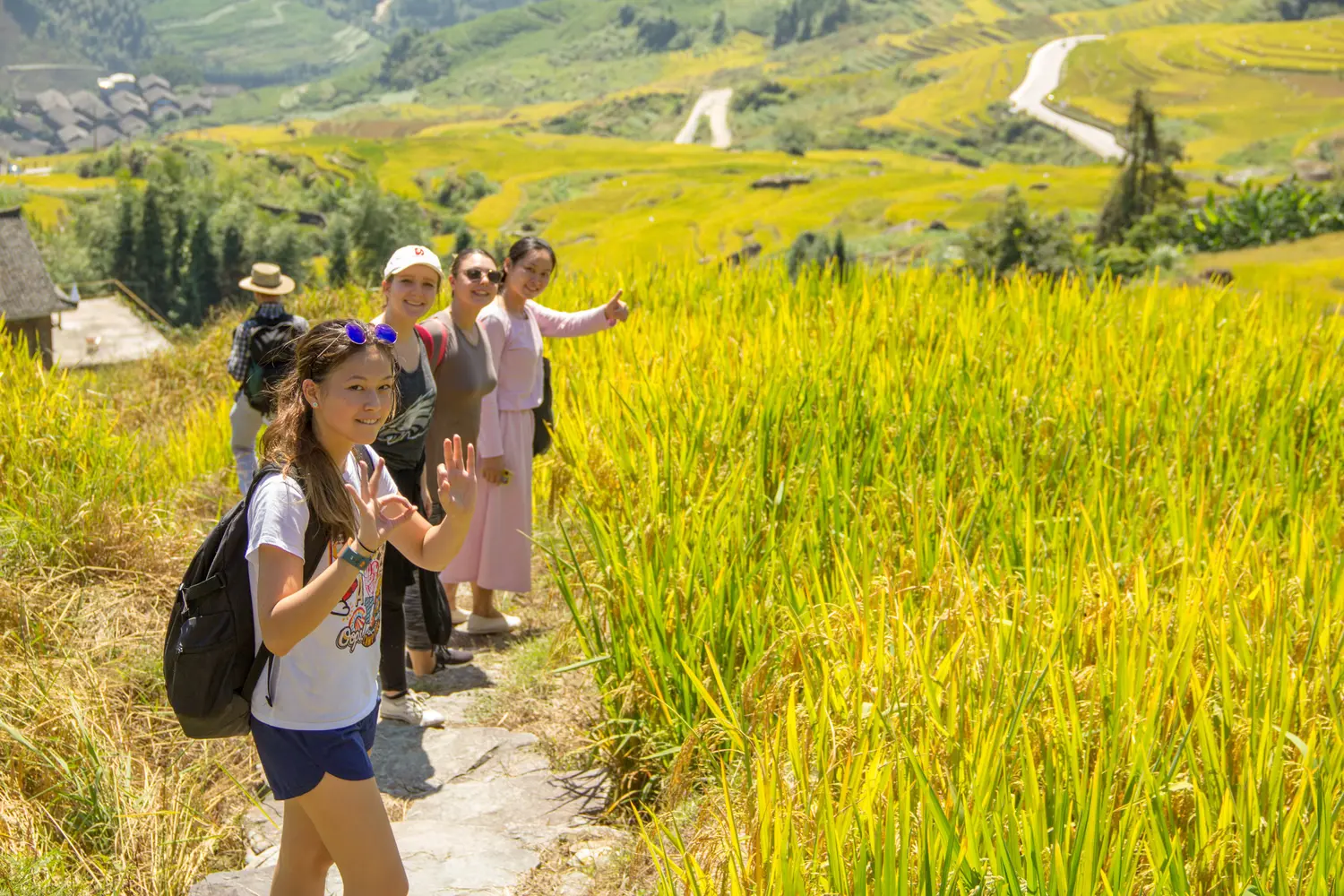
- The Chinese Summer Solstice (夏至, Xiàzhì) is the 10th of the 24 solar terms on the traditional Chinese calendar and marks the point in the year when daylight reaches its maximum in the Northern Hemisphere.
- In ancient China, xiazhi was treated as a more important seasonal occasion than it is today, with harvest-related rituals, ancestral observances, and even official holidays during some dynasties.
- In modern China, the summer solstice is mainly recognized as a solar term rather than a major nationwide festival, though seasonal foods and regional customs are still associated with it.
- Popular summer solstice foods such as noodles, pea cake, summer solstice eggs, and qingbuliang reflect regional traditions and long-standing ideas about eating in hot weather.
The Chinese Summer Solstice (夏至, Xiàzhì) is one of the 24 solar terms and usually falls around June 21 each year. Historically, it was an important seasonal observance tied to agriculture, ritual, and court life. Today, it is better understood as a traditional solar term with regional customs, seasonal foods, and health practices rather than a major public holiday. Whether you're hoping to learn Chinese in China or simply deepen your understanding of Chinese culture, xiazhi offers a useful window into the relationship between calendar traditions, food, and daily life.

01What Is the Chinese Summer Solstice?
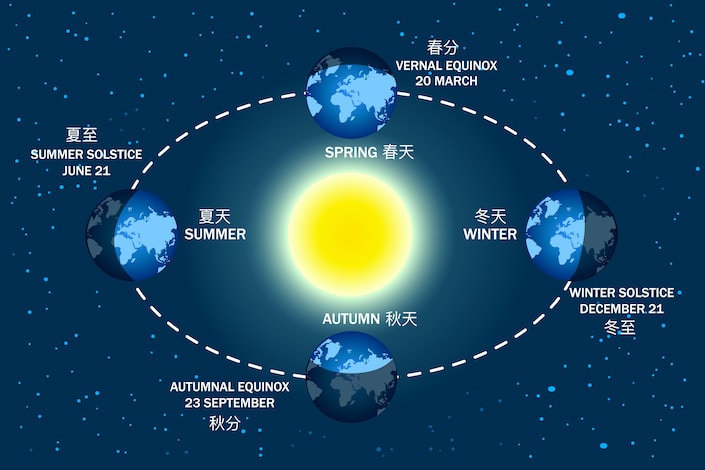
The Chinese Summer Solstice (夏至, Xiàzhì) refers both to the summer solstice itself and to the solar-term period associated with it on the traditional Chinese calendar. Astronomically, the summer solstice is the point at which the sun reaches its northernmost position in the sky, making it the longest day of the year in the Northern Hemisphere. In the solar-term system, 夏至 also refers to a roughly two-week seasonal period that begins at this point in the sun's annual motion.
To understand xiazhi more clearly, it helps to look at how the Chinese calendar organizes the year through its solar terms.
The 24 Solar Terms
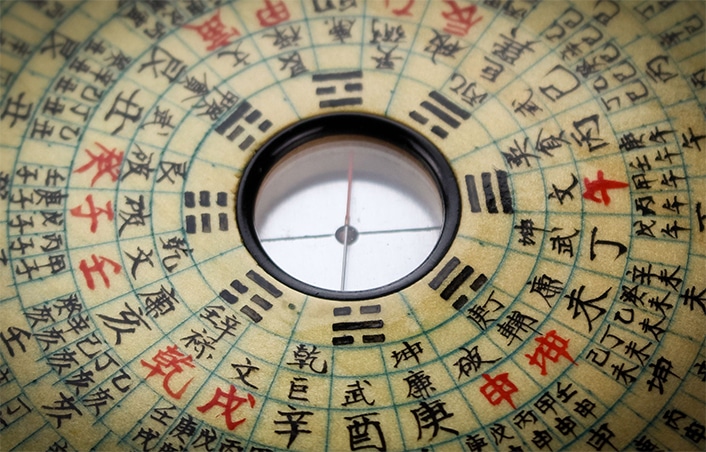
Each solar year (岁, suì) in the traditional Chinese calendar is divided into 24 solar terms (节气, jiéqì). These seasonal markers track the sun's annual motion and helped people in ancient China organize farming, ritual life, and daily routines. Today, each term lasts about 15 days.
The system developed gradually over time. Early Chinese calendars used a smaller number of major seasonal markers, and by the Han dynasty (206 BCE–220 CE), the year had come to be divided into the full set of 24 solar terms. These include well-known points such as the Start of Autumn (立秋, lìqiū), Frost's Descent (霜降, shuāngjiàng), and Great Cold (大寒, dàhán). For a broader historical overview, explore our Chinese history hub. In the current system, the Summer Solstice is the 10th solar term, while the Winter Solstice (冬至, Dōngzhì) is the 22nd.
Is the Summer Solstice the Hottest Day of the Year?
Not necessarily. Although the summer solstice is the longest day of the year, it is usually not the hottest day of the year. In most places, the hottest part of summer arrives later because land and water continue warming after the solstice. In other words, the solstice signals peak daylight, not peak heat.
In Chinese seasonal thinking, xiazhi is often associated with the arrival of intense summer weather, including humidity, thunderstorms, and heavy rain in many parts of the country. This is especially relevant in southern China, where the broader summer rainy season can bring significant downpours.
How Does It Compare With Summer Solstice Traditions Elsewhere?
The summer solstice is observed around the world, though its meaning and customs vary from place to place. In the Northern Hemisphere, it is associated with the longest day of the year. In the Southern Hemisphere, the same astronomical moment corresponds to the winter solstice instead.
Many cultures have linked the solstice to ritual, celebration, or seasonal transition. In China, however, xiazhi is especially meaningful because it sits within the long-established framework of the 24 solar terms. That gives it a distinctive role as both an astronomical marker and a seasonal cultural reference point.
02How Was the Chinese Summer Solstice Traditionally Observed?
In earlier periods of Chinese history, the Summer Solstice was often referred to as the "Summer Festival" (夏节, Xiàjié) or "Summer Solstice Festival" (夏至节, Xiàzhìjié). While some food customs remain recognizable today, many older observances were more formal, ritualized, and agriculturally focused than modern practices.
Harvest Rituals and Seasonal Offerings
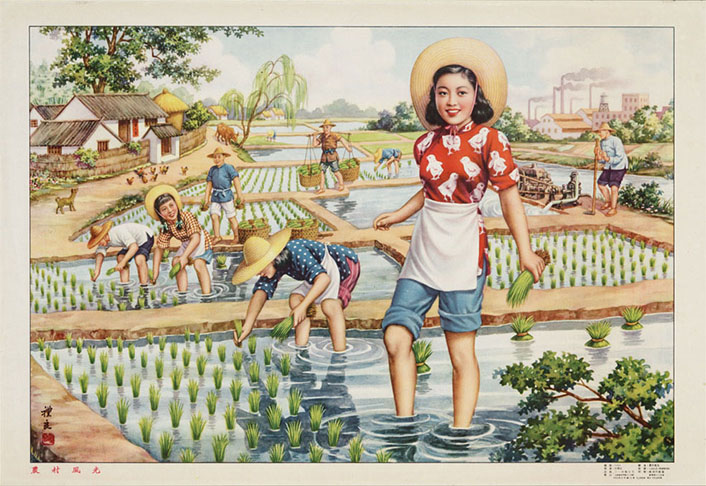
In ancient China, the summer solstice coincided with the wheat harvest in many regions. Because of this, it became associated with seasonal thanksgiving, ritual offerings, and ceremonies expressing gratitude for the harvest while also praying for continued stability and protection from natural disasters. In some contexts, the day was also connected with ancestral observances.
Was the Summer Solstice a Public Holiday?
In ancient China, yes — at least at certain times. Historical records suggest that the summer solstice was important enough in some dynasties to warrant official time off. During the Song dynasty, for example, officials are said to have received three days off for the occasion.
That is a sharp contrast with the present day. In modern China, xiazhi is not one of the country's official public holidays. It is now mainly recognized as one of the solar terms rather than a major nationwide festival.
03How Is the Chinese Summer Solstice Observed Today?
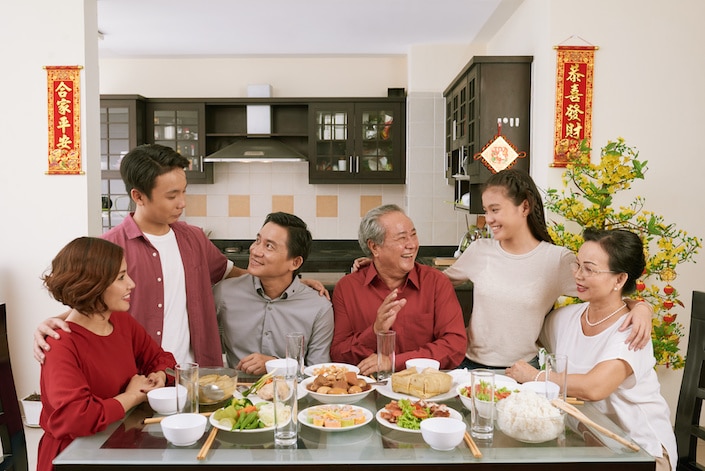
In modern China, the Summer Solstice is usually observed quietly rather than celebrated as a major festival. For many people, it is primarily a seasonal reference point in the 24 solar terms rather than a day marked by large public events.
That said, xiazhi still carries cultural meaning. It appears in seasonal sayings, food traditions, and health advice connected with summer. The exact customs vary by region, family background, and level of interest in traditional practices.
Today, the most visible customs associated with the Summer Solstice are usually food-related. In some places, people also pay attention to seasonal routines involving rest, diet, and daily habits. Knowing a bit about Chinese table manners can also help visitors better appreciate how these traditions show up at the table.

Study Chinese in Guilin or Start Online
CLI offers personalized Chinese instruction built around your goals. Join our Immersion Program in Guilin or begin from anywhere with a free Chinese lesson .
04What Foods Are Eaten on the Chinese Summer Solstice?
Summer Solstice food traditions vary widely across China. Many are connected with local ingredients, regional taste preferences, and traditional ideas about how to eat during hot weather.
In traditional Chinese thought, xiazhi represents a moment when yang energy is at its peak. In traditional Chinese medicine (TCM), this has often been linked to advice about choosing foods thought to feel lighter, more refreshing, or more suitable for the season. These beliefs are cultural and traditional in nature, and they help explain why certain dishes are associated with the solstice.
Summer Solstice Noodles (夏至面)
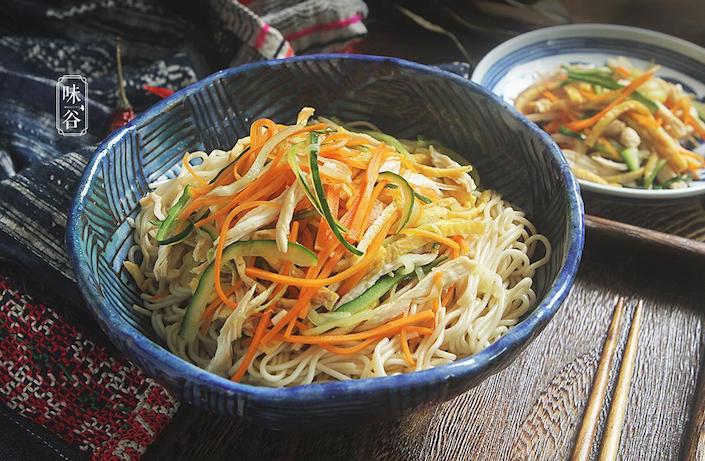
One of the best-known sayings associated with the solstices is: "冬至饺子夏至面" (dōngzhì jiǎozi xiàzhì miàn), often translated as "dumplings for the Winter Solstice, noodles for the Summer Solstice."
夏至面 (xiàzhì miàn) is not just one dish but a broad label for the many noodle foods people may eat around xiazhi. Cold noodle dishes are especially popular during hot weather. Sesame noodles, chilled vegetable sides such as cold cabbage salad, and cold dishes like smacked cucumber (拍黄瓜, pāi huángguā) are commonly associated with the season.
Pea Cake (豌豆糕) in Nanjing
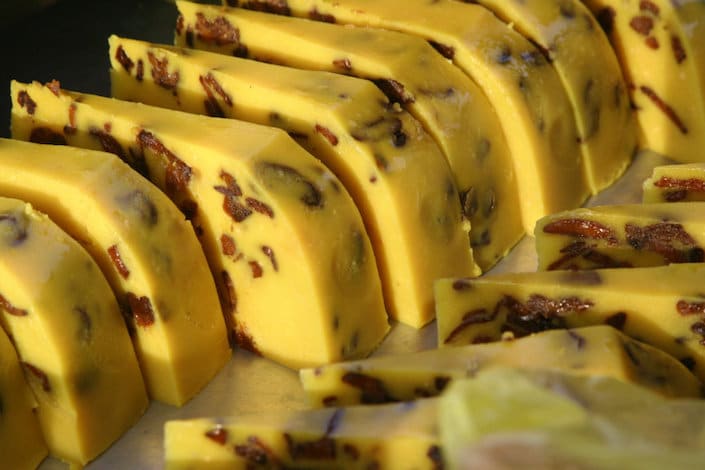
In and around Nanjing, pea cake (豌豆糕, wāndòu gāo) is often mentioned as a seasonal treat associated with early summer. It has a mild sweetness and a soft texture that suit the season well.
In traditional seasonal culture, foods like pea cake are sometimes described as appropriate for hot weather because they are seen as light and refreshing. They can also carry auspicious associations within family food traditions.
Summer Solstice Eggs (夏至蛋) in Hunan
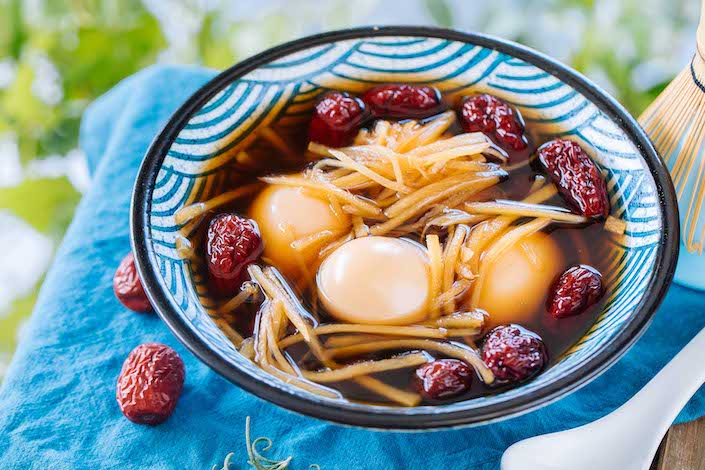
In Hunan, one traditional custom involves eating summer solstice eggs (夏至蛋, xiàzhì dàn). These are usually hard-boiled eggs that may be served in a sweet soup made with ingredients such as red dates.
Within traditional Chinese seasonal beliefs, these eggs are sometimes associated with staying strong in the summer heat. As with many holiday foods, the custom is best understood as part of local cultural practice rather than a medical rule.
Qingbuliang Soup (清补凉汤)
清补凉汤 (qīngbǔliáng tāng), often called qingbuliang in English, is a chilled sweet soup popular in southern China, especially in Cantonese-speaking regions and Hainan. Ingredient combinations vary, but they often include lotus seeds, mung beans, barley, jujubes, and other cooling dessert ingredients.
People often enjoy qingbuliang for both its taste and its association with hot-weather eating. Much like Chinese tea, it sits at the intersection of flavor, habit, and traditional seasonal belief.
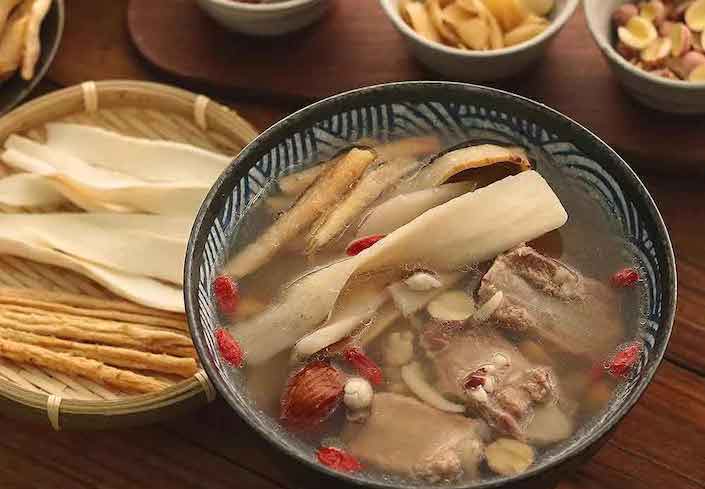
05Traditional Chinese Health Ideas Associated With the Summer Solstice
The Summer Solstice is also linked with seasonal health advice in traditional Chinese medicine. These practices remain familiar to many people in China, especially as part of broader cultural ideas about eating and living in harmony with the seasons.
It is best to understand the following suggestions as traditional health concepts rather than universal medical advice. They reflect longstanding seasonal beliefs about rest, diet, and activity during the hottest part of the year.
Summer Solstice Sleep Advice
In traditional seasonal advice, people are often encouraged to adjust their routines to the longer daylight hours by rising earlier, avoiding the harshest midday heat, and taking a short rest in the afternoon if needed.
What to Eat During the Summer Solstice
Traditional advice often favors lighter meals during the summer solstice period. Bitter foods such as bitter melon (苦瓜, kǔguā) are frequently recommended in TCM-based thinking because they are traditionally believed to help counter internal heat.
Light Exercise and Tai Chi
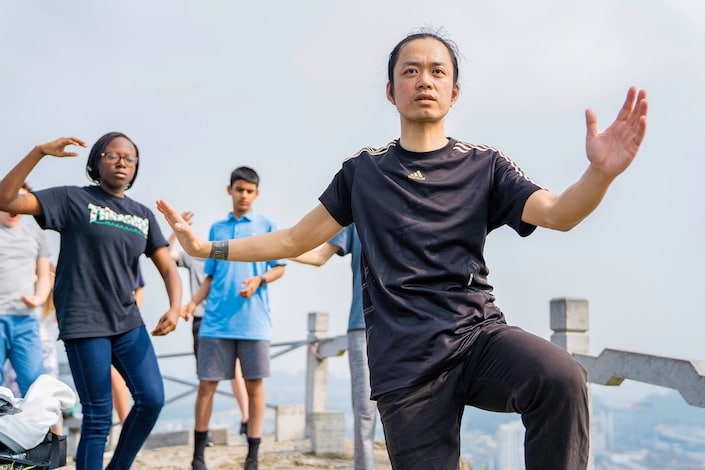
Traditional summer guidance also tends to favor gentle movement over intense exertion. Activities such as tai chi, walking, light dancing, and easy jogging are often described as more suitable for hot weather than heavy exercise in the middle of the day.
In this way of thinking, excessive exertion and heavy sweating are believed to place extra strain on the body during the hottest part of summer. That is why parks, shaded outdoor spaces, and cooler times of day are often preferred.
06How to Experience the Chinese Summer Solstice
Now that you know what the Chinese Summer Solstice is and how it is traditionally understood, why not mark the season yourself? You could try a classic summer noodle dish, sample a chilled dessert such as qingbuliang, or simply pay attention to how seasonal customs shape daily life in China.
If you're planning a trip and want to experience Chinese culture more directly, our guide to the best places to visit in China is a good place to start.
07Chinese Summer Solstice Vocabulary
The following vocabulary can help you recognize and discuss summer solstice customs in Chinese. If you're new to pinyin, our beginner's guide is a helpful place to start.
| Chinese | Pinyin | Translation |
|---|---|---|
| 夏至 | Summer Solstice | |
| 冬至 | Winter Solstice | |
| 节气 | solar term | |
| 岁 | solar year | |
| 夏节 | Summer Festival | |
| 夏至节 | Summer Solstice Festival | |
| 阳 | yang | |
| 阴气 | yin energy | |
| 解暑 | to relieve summer heat | |
| 夏至面 | summer solstice noodles | |
| 麻油凉拌面 | cold sesame oil noodles | |
| 拍黄瓜 | smacked cucumber | |
| 豌豆糕 | pea cake | |
| 夏至蛋 | summer solstice eggs | |
| 清补凉汤 | qingbuliang soup | |
| 抵抗酷暑 | to resist intense heat | |
| 苦瓜 | bitter melon | |
| 立秋 | Start of Autumn | |
| 霜降 | Frost's Descent | |
| 大寒 | Great Cold |