


- The Winter Solstice Festival, known in Chinese as 冬至 (Dōngzhì), marks the longest night of the year and is one of China’s oldest seasonal festivals.
- In the Northern Hemisphere the winter solstice falls around December 21–22 each year, and around June 20–22 in the Southern Hemisphere.
- Dongzhi is the 22nd of the 24 solar terms (节气, jiéqì) in the traditional Chinese calendar.
- Families gather to eat warming foods such as dumplings (饺子) in the north and tangyuan (汤圆) in the south.
- Although it is no longer a public holiday, Dongzhi remains an important time for family reunions, ancestral remembrance, and seasonal eating.
The Chinese Winter Solstice Festival, called 冬至 (Dōngzhì), has been one of the most meaningful recurring natural events in human societies for thousands of years. In this guide, we explore the festival’s origins and the customs Chinese families still keep today.
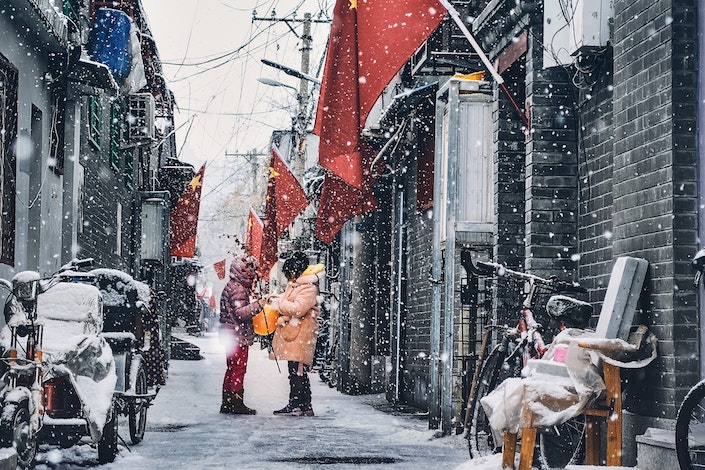
The winter solstice returns each year between December 20–22 in the Northern Hemisphere, and between June 20–22 in the Southern Hemisphere. For learners who want to Learn Chinese in China, festivals like this one are a natural doorway into the language and culture.
01 What is the Chinese Winter Solstice Festival (Dōngzhì)?
The Winter Solstice Festival (冬至, Dōngzhì) marks the longest night in the Northern Hemisphere, when the Earth’s north pole is tilted farthest from the sun. Dongzhi is one of the most important festivals in the traditional Chinese holiday calendar.
After the solstice, the days slowly grow longer even as the weather turns colder. For this reason, Dongzhi has long been seen as a hopeful turning point and a time to look toward spring.
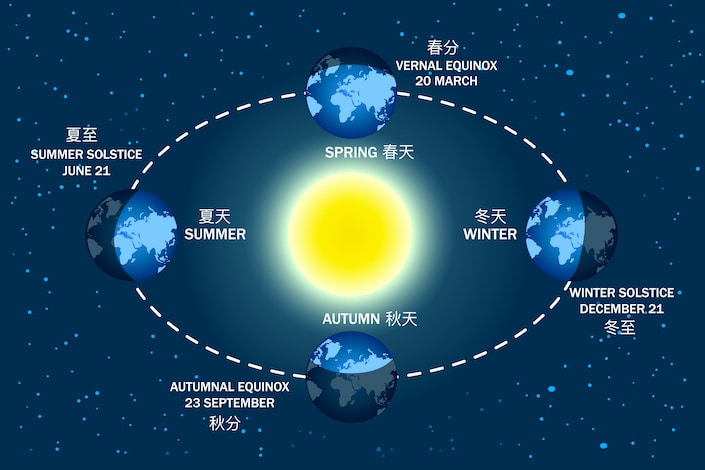
02 When is the winter solstice? The 24 solar terms explained
Each solar year (岁, suì) on the traditional Chinese calendar is divided into solar terms (节气, jiéqì). These terms mark astronomical events such as the equinoxes, the solstices, and other seasonal turning points.
During the Shang dynasty (1600 BCE–1046 BCE), Chinese astronomers tracked only four such markers. These were the winter solstice, the summer solstice, and the spring and autumn equinoxes.
By the Han dynasty (206 BCE–220 CE), the solar year had been refined into a system of 24 solar terms. These added markers such as the Beginning of Autumn (立秋, Lìqiū) and Frost Descent (霜降, Shuāngjiàng).
Counting from the Beginning of Spring (立春, Lìchūn), the winter solstice is the 22nd of the 24 solar terms. It usually falls around December 21–22 on the Gregorian calendar.
03 History of the Winter Solstice Festival in China
As in many cultures, the winter solstice was once regarded as a major holiday in China. A traditional saying captures this: 冬至大如年 (Dōngzhì dà rú nián), meaning the winter solstice is as important as Chinese New Year.
Records show that people worshipped the gods on the first day of the winter solstice as early as the Zhou dynasty (which began around 1046 BCE). It was during the Han dynasty (206 BCE–220 CE), however, that Dongzhi became a winter festival celebrated across China.
Officials and common people alike were generally granted a day off. Much like Chinese New Year, it became a time to return home and gather with family.
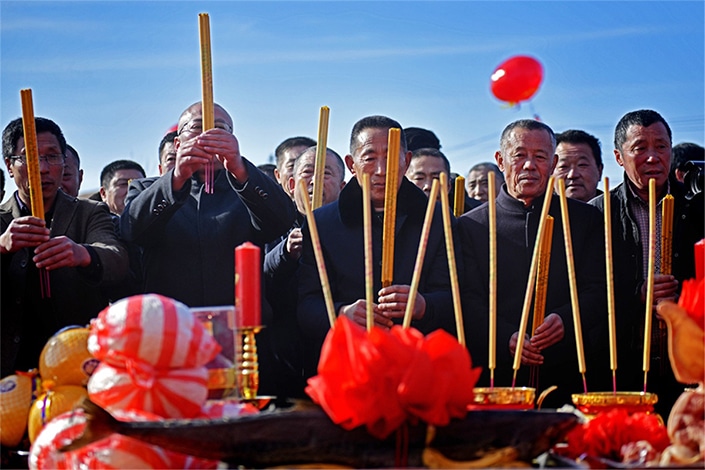
Ancestral worship and family rituals
In ancient China, many families offered sacrifices and paid their respects to ancestors during the winter solstice. This reverence for ancestors also appears in festivals such as Qingming Festival, the traditional tomb-sweeping day.
After the ceremonies, family members would usually gather for a banquet. The shared meal reinforced family bonds at the darkest point of the year.
Agricultural traditions
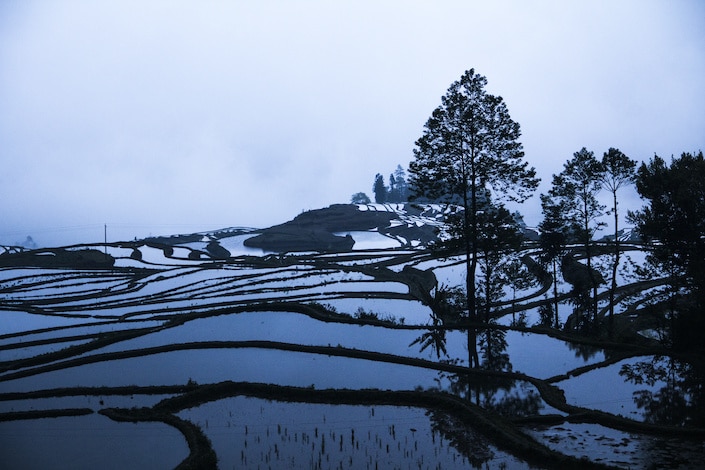
Around the solstice, farmers carried out basic maintenance and construction on their farmland. For crops like wheat and rapeseed, this meant plowing to loosen the soil and adding fertilizer to keep it from freezing.
These practices still matter to farmers today, especially in southern regions where rice seedlings need protection from the cold. Because winter is a resting period, it is a good time to cultivate and plow the land.
04 How is the Chinese Winter Solstice Festival celebrated today?
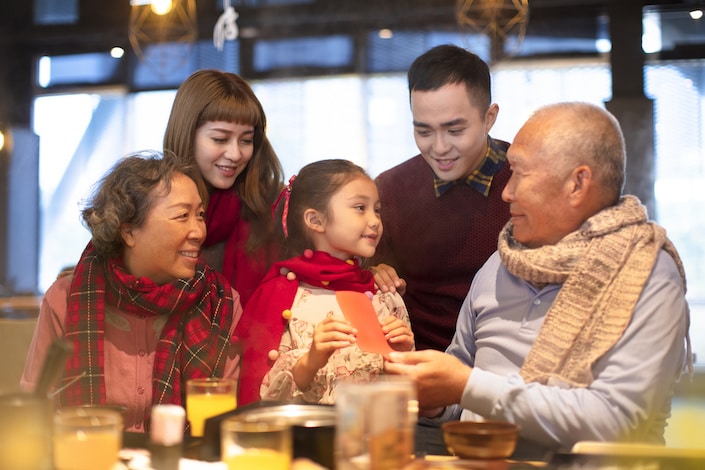
Unlike Chinese New Year or Labor Day, the winter solstice is no longer a public holiday in modern China. Even so, many people still acknowledge it in some way.
Typically, people use the day to spend time with family or friends and prepare for the colder weeks ahead. Most of all, they gather to eat dishes specially associated with the solstice.
05 What foods do people eat on the winter solstice?
According to Traditional Chinese Medicine (TCM), the winter solstice carries the strongest yin energy of the year. Warming foods are therefore eaten to clear excess cold (驱寒, qū hán) and protect the body.
Every region has its own customs. Below are some of the most popular winter solstice dishes across China.
Dumplings (饺子, jiǎozi)
A popular saying goes 冬至饺子夏至面 (Dōngzhì jiǎozi Xiàzhì miàn), meaning “dumplings at the winter solstice, noodles at the summer solstice.” Another claims your ears won’t freeze if you eat dumplings on Dongzhi (冬至吃饺子不冻耳朵).
A warm bowl of soft dumplings is a great comfort food in the cold. Many multi-generational families gather to wrap dumplings together, a custom shared with Chinese New Year.
Eating dumplings on the solstice is especially popular in northern China. Even so, the practice can be found throughout the country.
Tangyuan (汤圆, tāngyuán)
Another proverb says “the south eats tangyuan and the north eats dumplings” (南吃汤圆北吃饺). Traditionally, tangyuan is the winter solstice food of choice in southern China.
Tangyuan are small balls of glutinous rice flour, boiled and served in a sweet, warming broth. During the solstice the most popular version is the colorful “three-color winter balls” (三色冬节丸).
The character 圆 (yuán) suggests reunion (团圆) and completeness (圆满). Eating tangyuan therefore symbolizes a harmonious and auspicious household.
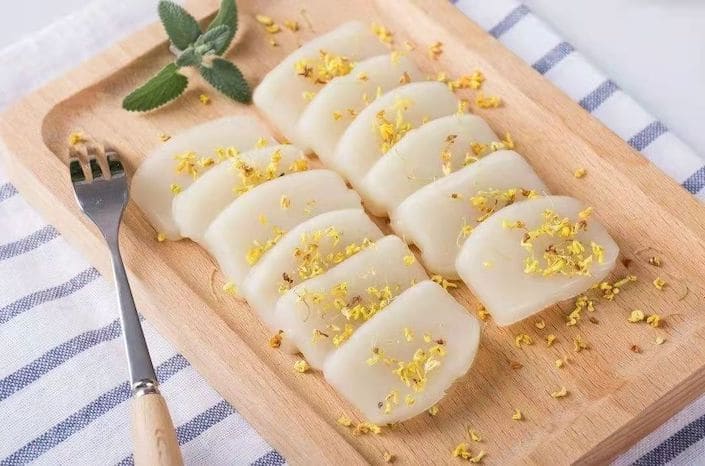
Rice cake (年糕, niángāo)
Rice cake is a popular staple, especially in Hangzhou, where people traditionally eat a different type at every meal on the solstice. Its appeal comes partly from a homophone.
Because 年糕 sounds like 年高 (“a higher year”), rice cakes are seen as a lucky food, echoing the symbolic thinking found in Chinese numerology. People wish one another “a better year, year after year” (一年更比一年高).
Lamb soup
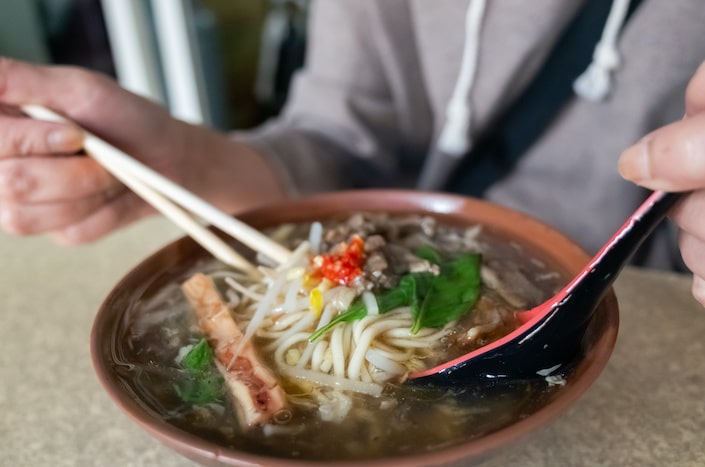
Lamb soup is a popular solstice dish in Shandong Province in northern China. By legend, the first Han emperor Liu Bang (reigned 202–195 BCE) ate it during the winter solstice, and it has been a seasonal favorite ever since.
Lamb and its broth are believed to nourish the body (滋补身体) and to help people resist the cold (抵御风寒).
Red bean glutinous rice (红豆糯米饭)
This dish is especially popular in Jiangsu Province, though it can be found across China. A warm portion of glutinous rice with red bean is thought to warm the stomach and body and help resist the cold (御寒).
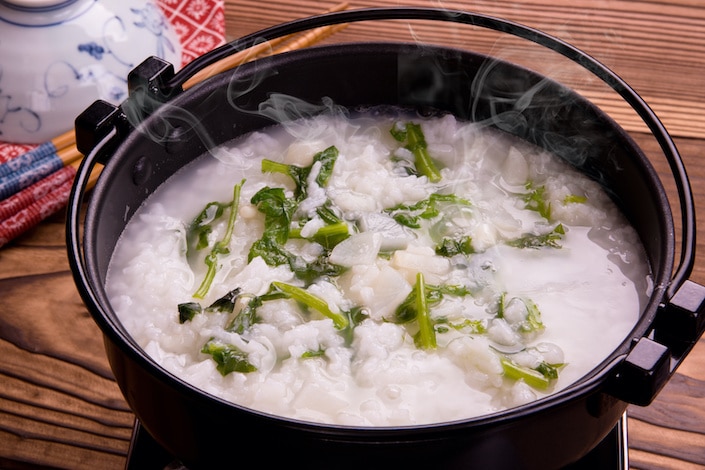
Rice congee (粥, zhōu)
Rice congee is another warming comfort food, available in both sweet and savory versions. Typical ingredients include glutinous rice, jujube, white fungus, walnuts, and yam.
These ingredients are valued in Traditional Chinese Medicine. Congee is widely regarded as another excellent dish for resisting the cold.
Nuts (坚果, jiānguǒ)
In TCM, nuts are said to nourish the kidneys and support the brain and heart. This makes them a highly encouraged snack during the winter solstice.
Study Chinese in Guilin or Start Online
CLI offers personalized Chinese instruction built around your goals. Join our Immersion Program in Guilin or begin from anywhere with a free Chinese lesson .
06 Traditional Chinese Medicine tips for the winter solstice
A traditional saying holds that 药补不如食补 (yào bǔ bùrú shí bǔ): it is better to remedy the body through food than through medicine. TCM still shapes many everyday food choices in China.
People are encouraged to adjust their diets with the seasons (适当调食). Here are a few common TCM suggestions for staying healthy through the solstice and the colder months.
Prioritize your kidneys
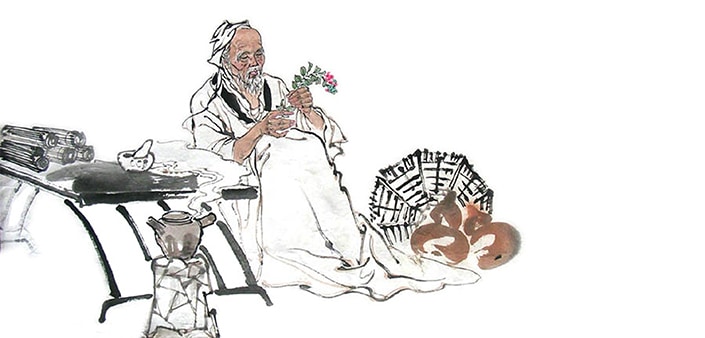
In TCM, the kidneys are seen as a driving force of vitality. Because cold weather restricts the body’s energy flow, the kidneys must store enough energy to manage the extra demand for heat.
Foods believed to support the kidneys include meats, beans, sweet potatoes, and nuts. This is why these ingredients appear so often in winter cooking.
Take care of your mental health
As the days shorten, reduced sunlight and limited outdoor activity can make winter a difficult season for many people. TCM emphasizes caring for the heart-mind (养心, yǎng xīn) during this time.
Helpful habits include spending time with loved ones and letting go of trivial worries. Looking after physical comfort also supports emotional wellbeing.
Shorter, darker days affect many people’s mood. If low feelings persist or become overwhelming, it’s worth speaking with a doctor or a trusted person for support.
Stay warm and avoid the cold
While “cold exposure” has become trendy in some places, TCM strongly advises against it during winter. The priority is to keep warm so that blood can flow smoothly through the body.
There is a saying that “the cold starts from under the feet” (寒从脚下起). Because the feet are farthest from the heart and poorly insulated, a common TCM tip is to keep them warm all winter.
07 Useful Chinese winter solstice vocabulary
The terms below will help you recognize winter solstice references in festival articles, family conversations, and seasonal greetings.
| Chinese | Pinyin | Meaning |
|---|---|---|
| 冬至 | Winter Solstice Festival | |
| 节气 | Solar term | |
| 岁 | Solar year; year of age | |
| 饺子 | Dumplings | |
| 汤圆 | Sweet glutinous rice balls | |
| 年糕 | Rice cake | |
| 团圆 | Family reunion | |
| 驱寒 | To dispel cold | |
| 养心 | To nurture the heart-mind |
08 Chinese Winter Solstice Festival FAQ
When is the Chinese Winter Solstice Festival?
The winter solstice falls around December 21–22 each year in the Northern Hemisphere. It is the 22nd of the 24 solar terms in the traditional Chinese calendar.
What do Chinese people eat on the winter solstice?
In the north, families typically eat dumplings, while in the south tangyuan is the food of choice. Other regional favorites include rice cake, lamb soup, red bean glutinous rice, and congee.
Is the winter solstice a public holiday in China?
No. The winter solstice is not a public holiday in modern China, but many families still mark it with special foods and gatherings.
What does “Dōngzhì dà rú nián” mean?
It means “the winter solstice is as important as the New Year.” The saying reflects how significant the festival was in traditional Chinese society.
Why is the winter solstice important in Traditional Chinese Medicine?
TCM holds that the solstice carries the year’s strongest yin energy. This is why warming foods and staying warm are emphasized at this time.
09 Final thoughts
The Chinese Winter Solstice Festival blends astronomy, agriculture, family ritual, and seasonal eating into a single meaningful day. It reminds us to slow down, gather with loved ones, and look ahead to spring.
If you’d like to stay cozy while building your language skills, consider exploring CLI’s online one-on-one Chinese classes. You can also deepen your cultural knowledge with a structured Chinese study plan.