


- 谢谢 (xièxie)는 중국어로 감사를 전하는 가장 기본적인 표현이며, 거의 누구에게나 쓸 수 있습니다.
- 어르신이나 선생님께는 谢谢您 (xièxie nín)를, 정중하게 “정말 감사합니다”라고 할 때는 非常感谢 (fēicháng gǎnxiè)를 쓰세요.
- 보통 不客气 (bù kèqi, bú kèqi라고 읽음), 즉 “천만에요”라고 답합니다.
- 중국의 가까운 가족이나 친구끼리는 미국인만큼 말로 자주 고마움을 표현하지 않습니다. 대신 호의를 되갚는 것으로 마음을 보이는 편입니다.
중국어로 감사 인사를 할 때 가장 흔히 쓰는 말은 谢谢(xièxie, 흔히 xie xie로 표기)로, 표준 중국어에서 고마움을 나타내는 기본 표현입니다. 한자나 병음을 누르면 두 가지 목소리로 들을 수 있습니다. 가게 점원, 택시 기사, 선생님은 물론 문을 잡아 준 낯선 사람에게도 쓸 수 있습니다.

친구 사이의 가벼운 谢啦부터 격식 있는 非常感谢까지 감사를 전하는 23가지 표현과, 감사 인사를 받았을 때 답하는 11가지 표현을 모았습니다. 전체 표현 목록으로 바로 가기.
01 중국어로 감사합니다: 谢谢 (xièxie)
谢谢는 HSK 1급 단어이며, Chinese Language Institute (CLI)에서 만들고 있는 초급 단어 목록의 첫 번째 단어입니다.
谢谢 발음하는 법
영어권 학습자 대부분은 xièxie의 x를 “sh”로 발음하는데, 바로 이 부분을 고쳐야 합니다. 혀끝을 아랫니 뒤에 대고, 입술을 웃는 것처럼 살짝 옆으로 펴서 바람을 내보내세요. “s”와 “sh”의 중간쯤 되는 소리가 납니다.
첫 음절은 4성으로, 높은 데서 낮게 빠르게 떨어집니다. 두 번째 음절은 경성으로, 짧고 가볍게 냅니다. 센 박자 하나에 부드러운 여운이 따르는 느낌입니다. “셰이 셰이”라고 해도 뜻은 통하지만, 녹음을 따라 하면 더 비슷하게 말할 수 있습니다. 병음이 처음이라면 병음이란 무엇인가부터 보세요.
谢谢 쓰는 법
谢谢는 같은 글자를 두 번 쓴 것입니다. 谢(xiè)만 쓰면 “감사하다”라는 뜻입니다. 12획이며 두 부분으로 이루어져 있습니다. 중국어 필순 가이드에서 이런 한자를 쓰는 방법을 확인해 보세요.
왼쪽은 말과 관련된 많은 한자에 들어 있는 ‘말씀 언’ 부수 讠입니다. 言(yán, 말)이 간체자에서 글자의 왼쪽에 올 때 취하는 형태이며, 言는 CLI의 로고에 쓰인 글자이기도 합니다. 오른쪽의 射(shè, 쏘다)는 글자의 소리를 나타내는데, 오늘날 xiè와는 대략적으로만 일치합니다.
번체자는 謝謝이고, 왼쪽에 전체 言가 들어가며 한 글자당 17획입니다. 간체자 가이드에서 두 자형의 차이를 설명하고 있으며, 讠는 부수·획수 탐색기에서 찾아볼 수 있습니다.
谢谢你와 谢谢您
“너”를 붙이면 감사의 뜻이 조금 더 직접적으로 전달됩니다. 谢谢你(xièxie nǐ)는 일상적인 “너”인 你를 써서 친구, 반 친구, 가게 직원, 또래에게 쓰는 표현입니다. 谢谢您(xièxie nín)는 공손한 “당신”인 您를 써서 어르신, 선생님, 손님 등 높여 부르는 사람에게 씁니다. 나이가 많은 사람에게 확신이 없다면 您를 쓰세요.
谢谢你请我喝咖啡!
Xièxie nǐ qǐng wǒ hē kāfēi!
커피 사 줘서 고마워!
谢谢您,阿姨。
Xièxie nín, āyí.
감사합니다, 아주머니.
阿姨(āyí, “아주머니”)는 어머니 또래 여성을 공손하게 부르는 말로, 동네에서 쌀국수 가게를 하시는 분 같은 경우에 쓸 수 있습니다.
谢谢大家와 谢谢老师
谢谢大家(xièxie dàjiā)는 발표를 마칠 때나 위챗 단체방에서 사람들이 도와주었을 때처럼 여러 사람에게 한꺼번에 감사를 전하는 말입니다. 谢谢老师(xièxie lǎoshī)는 학생이 선생님께 하는 인사로, 수업이 끝날 때 자주 들을 수 있습니다.
谢谢大家今天能来。
Xièxie dàjiā jīntiān néng lái.
오늘 와 주신 모든 분께 감사드립니다.

02 중국어로 “대단히 감사합니다”는 어떻게 말할까요
더 큰 감사를 전할 때는 “감사하다”, “고맙게 여기다”라는 뜻의 더 격식 있는 동사 感谢(gǎnxiè)를 씁니다. 표지판이나 이메일에서 자주 볼 수 있지만, 위챗에서는 感谢感谢!(gǎnxiè gǎnxiè!)도 동료나 가게 주인이 흔히 보내는 가볍고 친근한 감사 표현입니다. 표에서 각 표현의 대략적인 강도를 확인해 보세요.
| 중국어 | 병음 | 한국어 | 강도 | 듣거나 볼 수 있는 상황 |
|---|---|---|---|---|
| 非常感谢 | 대단히 감사합니다 | 공손함, 중립적~격식체 | 이메일, 고객 응대, 낯선 사람 | |
| 太感谢了 | 정말 감사합니다 | 강함, 따뜻함 | 구어, 실제로 도움을 받은 뒤 | |
| 太谢谢你了 | 정말 고마워 | 강함, 개인적 | 구어, 친구에게 | |
| 感谢您的支持 | 지원해 주셔서 감사합니다 | 격식체 | 비즈니스: 고객, 파트너, 후원자에게 보내는 메시지 | |
| 万分感谢 | 백만 번 감사합니다 | 매우 강함 | 편지, 격식 있는 메시지 | |
| 感激不尽 | 아무리 감사해도 부족합니다 | 가장 강함 | 큰 도움을 받았을 때, 격식 있는 관용구 |
非常感谢 | fēicháng gǎnxiè | 대단히 감사합니다
非常는 “매우”라는 뜻입니다. 非常感谢는 직원, 낯선 사람, 격식 있는 이메일에 두루 쓰는 공손한 표현이며, 친구에게 쓰면 조금 딱딱하게 들릴 수 있습니다.
非常感谢您的耐心等待。
Fēicháng gǎnxiè nín de nàixīn děngdài.
기다려 주셔서 대단히 감사합니다.
太感谢了와 太谢谢你了
太는 보통 “너무”라는 뜻이지만, 끝에 了가 붙으면 “정말”이라는 뜻이 됩니다. 太感谢了(tài gǎnxiè le)는 실제로 도움을 받았을 때 쓰는 따뜻한 구어체 “정말 감사합니다”입니다. 太谢谢你了(tài xièxie nǐ le)는 방금 곤경에서 구해 준 친구에게 쓰는, 조금 더 개인적인 표현입니다.
太感谢了!你帮了我大忙。
Tài gǎnxiè le! Nǐ bāng le wǒ dà máng.
정말 고마워! 큰 도움이 됐어.
万分感谢와 感激不尽
이 두 표현은 강하고 격식 있어서, 말보다는 글에서 더 많이 쓰입니다. 万分感谢(wànfēn gǎnxiè)은 글자 그대로 “만 배의 감사”라는 뜻으로, “백만 번 감사합니다”에 가깝습니다. 感激不尽(gǎnjī bù jìn)은 “아무리 감사해도 부족하다”는 뜻의 성어입니다. 추천서를 써 준 것처럼 큰 도움을 받았을 때 쓰세요. 커피 한 잔에 쓰면 농담처럼 들립니다.
感谢您的支持 | gǎnxiè nín de zhīchí | 응원해 주셔서 감사합니다
기업, 상점, 행사 주최 측이 고객, 파트너, 후원자에게 하는 말입니다. 발표는 마지막 슬라이드에 感谢聆听 (gǎnxiè língtīng, 경청해 주셔서 감사합니다)로 끝나는 경우가 많은데, 잘못된 쓰임이라고 하는 선생님도 있습니다. 谢谢大家는 언제나 무난합니다. 직장에서 쓸 표현이 더 궁금하다면 비즈니스 중국어 표현 가이드를 참고하세요.
03 편하게 감사를 전하는 표현
多谢 | duōxiè | 정말 감사합니다
多谢는 글자 그대로 “많이 감사합니다”라는 뜻입니다. 편하고 친근한 표현이며, 광둥어에서도 같은 말을 쓰는 광둥 지역에서 더 자주 들립니다(FAQ 참고). 다른 지역에서는 주로 친구 사이에서 씁니다.
谢啦와 谢了
친구 사이에서는 谢谢를 한 음절로 줄이고 어기조사를 붙일 수 있습니다. 谢啦(xiè la)는 말이나 문자로 쓰는 경쾌한 “고마워!”입니다. 谢了(xiè le)는 더 무심한 느낌으로, “땡큐”에 가깝습니다. 둘 다 상사나 선생님께는 알맞지 않습니다.
3Q
문자에서 “thank you”를 이용한 말장난인 3Q를 아직 볼 수도 있습니다. 숫자 3은 sān으로 “thank”와 비슷하게 들리고, Q는 “you”를 뜻합니다. 지금은 한물간 인터넷 용어이고, 요즘은 谢啦를 치거나 蟹 (xiè, 게)를 넣어 장난스럽게 바꾼 蟹蟹를 더 많이 씁니다. 자세한 내용은 중국어 인터넷 슬랭에서 확인하세요.
不用了,谢谢 | bùyòng le, xièxie | 괜찮습니다, 감사합니다
제안을 정중하게 거절하려면 谢谢 앞에 不用了(“필요 없다”)를 붙이세요. 길에서 호객하는 상인에게도, 음식을 더 권하는 친구에게도 쓸 수 있습니다. 거절하는 다른 방법은 중국어로 거절하기에서 볼 수 있습니다.
04 구체적인 일에 감사하기
이 표현들은 어떤 한 가지 일에 대해 감사를 전할 때 쓰입니다. 그중 여럿은 谢谢를 쓰지 않습니다.
谢谢你的帮助 | xièxie nǐ de bāngzhù | 도와주셔서 감사합니다
帮助 (bāngzhù)는 “도움”이라는 뜻입니다. 谢谢你的 뒤에 명사를 붙여 帮助, 支持 (zhīchí, 지지), 理解 (lǐjiě, 이해), 礼物 (lǐwù, 선물) 같은 말과 함께 쓸 수 있습니다. 상대가 한 행동에 감사할 때는 동사를 쓰세요. 谢谢你帮我 (xièxie nǐ bāng wǒ, 저를 도와줘서 고마워요)나 위의 谢谢你请我喝咖啡가 그 예입니다. 나이가 더 많은 사람에게는 你 대신 您를 쓰세요.
辛苦了 | xīnkǔ le | 수고하셨습니다
辛苦了는 "고생하셨어요"라는 뜻입니다. 방금 힘든 일을 해 준 사람, 특히 나를 위해 애써 준 사람에게 쓰는 말이에요. 계단 위로 짐을 들어 준 기사님이나 오후 내내 요리해 준 집주인 같은 경우죠. 수고 자체에 고마움을 전하는 표현입니다. 스승의 날에는 학생들이 선생님의 노고에 감사하며 老师辛苦了라고 인사합니다.
师傅,辛苦了!
Shīfu, xīnkǔ le!
수고하셨습니다! (기사님이나 일하는 분에게)
师傅 (shīfu)는 기사님이나 기술을 가진 분을 부르는 정중한 호칭입니다. 직장에서는 동료가 파일을 보내 주거나 일을 끝냈을 때 WeChat으로 辛苦了라고 답하는 것이 보통입니다.
收到,辛苦了!
Shōudào, xīnkǔ le!
확인했어요, 수고하셨어요!
麻烦你了 | máfan nǐ le | 번거롭게 해서 죄송합니다
麻烦는 "번거로움, 폐"라는 뜻이라, 이 표현에는 감사와 사과가 반반 담겨 있습니다. 부탁하기 전에는 麻烦你, 상대가 승낙하거나 도와준 뒤에는 麻烦你了라고 하세요. 사과 표현은 중국어로 미안하다고 말하기를 참고하세요.
麻烦你了,谢谢!
Máfan nǐ le, xièxie!
번거롭게 해서 죄송해요, 감사합니다!
让你破费了 그리고 你太客气了
이 두 표현은 누군가 선물을 주거나 식사를 대접해 줄 때 나옵니다. 让你破费了(ràng nǐ pòfèi le)는 “저한테 돈을 쓰실 필요 없었는데요”라는 뜻입니다. 你太客气了(nǐ tài kèqi le)는 “너무 마음 써 주셨네요”(글자 그대로는 “너무 예의 바르시네요”)라는 뜻이며, 도움을 받았을 때나 칭찬을 들었을 때도 쓸 수 있습니다. 선물 예절은 따로 정리한 페이지가 있습니다. 중국 선물 아이디어
谢天谢地 | xiètiān xièdì | 정말 다행이다
谢天谢地는 글자 그대로 하늘과 땅에 감사한다는 뜻입니다. 안도감을 나타내는 말로, 사람에게 하는 말이 아닙니다. 잃어버린 여권이 나왔을 때나 등산 직전에 비가 그쳤을 때 저절로 나오는 말이죠.
谢天谢地,你没事!
Xiètiān xièdì, nǐ méi shì!
무사해서 정말 다행이야!
感恩 그리고 感恩节
感恩 (gǎn'ēn)은 감사를 미덕으로 꼽는 말로, 要懂得感恩 (yào dǒngde gǎn'ēn, 감사할 줄 알아야 한다)처럼 쓰입니다. 感恩!만 달랑 감사 인사로 쓰면 훈계처럼 들리거나 광고 문구 같을 수 있으니 谢谢나 感谢를 쓰세요. 여기에 节 (jié, 명절)을 붙이면 感恩节 (Gǎn'ēn Jié), 즉 추수감사절이 됩니다. 구이린에서 추수감사절을 보내는 방법도 확인해 보세요.

진짜 선생님께 직접 말해 보세요
중국 구이린에 있는 저희 선생님 중 한 분과 함께하는 무료 30분 온라인 수업에서 이 표현 중 몇 가지를 소리 내어 말해 보세요. 어떤 성조를 더 연습해야 하는지 선생님이 알려 드립니다.
05 중국어로 "천만에요"라고 말하는 법
누군가 고마움을 표현하면 보통 不客气 (bù kèqi), 즉 "천만에요"라고 답합니다. 글자 그대로는 "예의 차릴 필요 없다"는 뜻입니다. 자주 듣게 될 11가지 대답을 소개합니다.
| 중국어 | 병음 | 의미 | 쓰는 상황 |
|---|---|---|---|
| 不客气 | bù kèqi | 천만에요 | 기본 대답으로 언제나 무난함 |
| 不用谢 | bùyòng xiè | 고마워할 것 없어요 | 누구에게나 일상적으로 사용 |
| 不用客气 | bùyòng kèqi | 그렇게 예의 차리지 않아도 돼요 | 不客气보다 조금 더 따뜻한 느낌 |
| 别客气 | bié kèqi | 별말씀을요 | 상대가 여러 번 고맙다고 할 때 쓰는 친근한 표현 |
| 不谢 | bù xiè | 고맙다는 말은 필요 없어요 | 짧고 편한 표현 |
| 没事 | méi shì | 문제없어요; 별거 아니에요 | 편한 표현으로 친구에게, 낯선 사람에게도 자주 사용 |
| 没什么 | méi shénme | 별거 아니에요 | 겸손하고 편한 표현 |
| 小意思 | xiǎoyìsi | 별거 아니에요; 작은 성의일 뿐이에요 | 작은 도움을 준 뒤에 사용, 선물을 줄 때는 一点小意思라고 함 |
| 应该的 | yīnggāi de | 제 일인걸요; 당연히 해야 할 일이에요 | 도와준 것이 내 일이나 의무였을 때 |
| 客气什么 | kèqi shénme | 뭘 그렇게 격식 차려요? | 친한 친구와 가족 사이 |
| 哪里哪里 | nǎlǐ nǎlǐ | 아유, 아니에요 | 고맙다는 말과 함께 칭찬을 들었을 때만 사용, 다소 예스러운 표현 |
应该的는 “당연히 해야 할 일”이라는 뜻입니다. 哪里哪里는 글자 그대로 “어디, 어디요?”라는 뜻으로, 요즘은 조금 예스럽게 들립니다. 젊은 사람들은 没有没有(méiyǒu méiyǒu)라고 하는 편입니다. 피해야 할 대답도 하나 있습니다. 没关系(méi guānxi, 괜찮아요)는 对不起(duìbuqǐ, 미안해요)에 대한 대답이지, 谢谢에 대한 대답이 아닙니다.
别客气는 손님이 고맙다고 하기도 전에 집주인이 손님을 편하게 해 주려고 하는 말이기도 합니다:
别客气,多吃点!
Bié kèqi, duō chī diǎn!
어려워 말고 더 드세요!
不는 bù로 표기하지만, 4성 음절 앞에서는 2성 bú로 바뀝니다. 그래서 不客气, 不用谢, 不用客气, 不谢, 不用了, 感激不尽는 각각 bú kèqi, búyòng xiè, búyòng kèqi, bú xiè, búyòng le, gǎnjī bú jìn로 발음합니다. 이 글에서는 사전에 나오는 성조 bù로 표기하고(많은 교재가 실제 발음인 bú로 표기합니다), 녹음은 사람들이 실제로 말하는 대로 읽습니다. 규칙은 중국어 성조 변화 가이드에서 설명합니다.
06 중국인이 고맙다고 말하지 않을 때
중국에서 몇 주만 지내 보면 친한 친구나 가족끼리는 谢谢라는 말을 거의 하지 않는다는 것을 알게 됩니다. 친구가 점심을 사 주면 谢谢보다 下次我请(xià cì wǒ qǐng, 다음엔 내가 살게)라고 하는 말을 더 자주 듣게 됩니다.
Jiaqi Yu와 Shereen Chaudhry가 2023년에 Journal of Personality and Social Psychology에 발표한 연구가 이를 측정했습니다. 수상자 335명의 수상 소감에서 가족 등 가까운 사람에게 감사를 전한 비율은 미국인이 약 70%, 중국인이 약 20%였습니다. 실험실 테스트에서는 참가자가 가까운 사람에게 2분짜리 감사 녹음을 보내거나 더 지루한 3분짜리 컴퓨터 과제를 할 수 있었는데, 감사 녹음을 택한 비율은 미국인 57%, 중국인 32%였습니다. 연구진은 감사가 상대가 기대 이상으로 해 주었다는 신호인데, 중국에서는 가까운 사람일수록 더 많은 것을 기대하므로 작은 도움에 격식을 갖춰 감사하면 친구를 남처럼 느끼게 할 수 있다고 설명합니다(연구 요약).
친구에게 고마움을 표현해도 괜찮고, 사소한 일에는 가벼운 谢啦면 충분합니다. 더 큰 도움은 친구가 다음에 계산을 해 주거나(누가 낼지 으레 한바탕 실랑이를 벌인 뒤에) 내가 필요할 때 도와주는 것으로 갚습니다.
차 두드리기
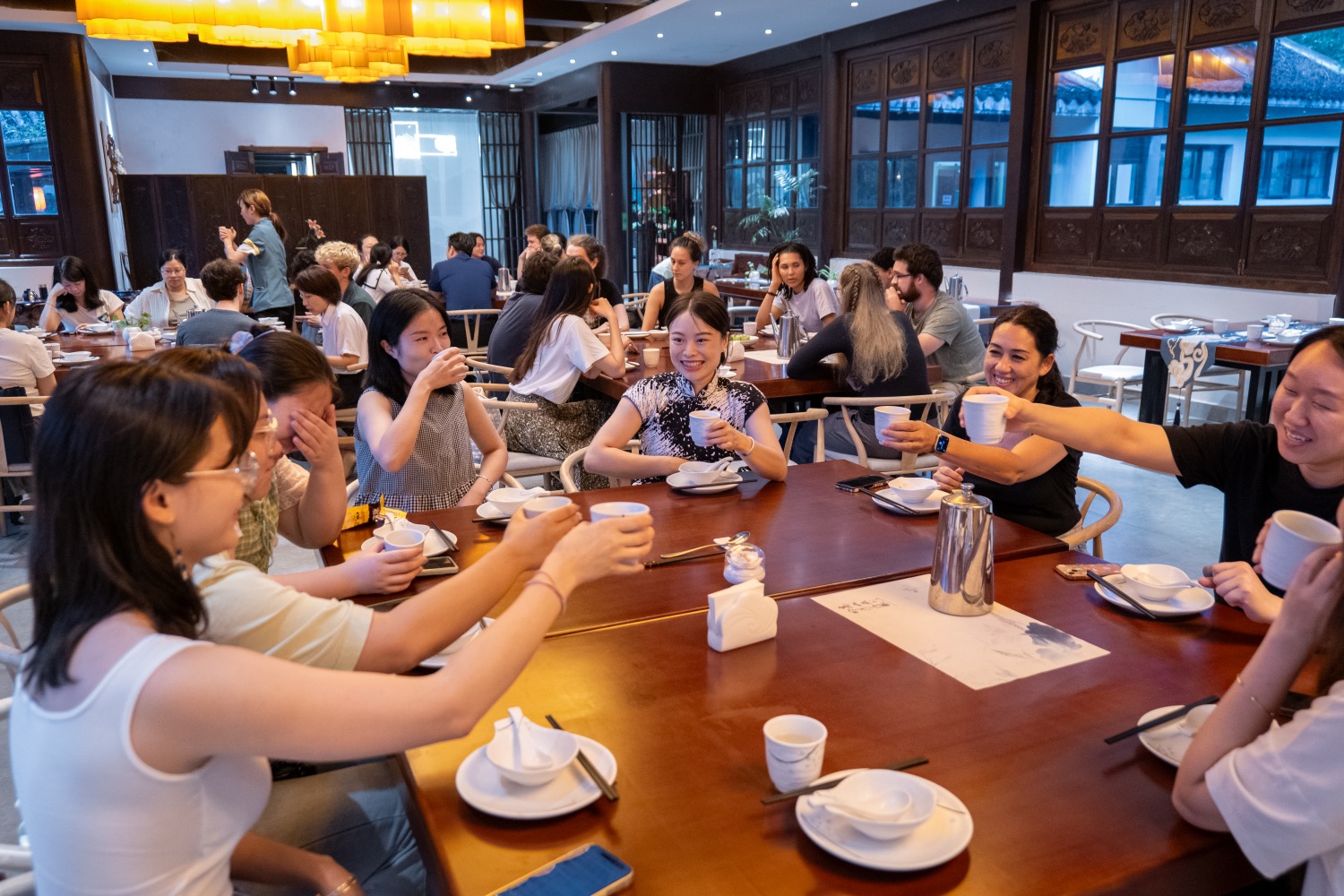
딤섬집이나 찻자리, 특히 중국 남부에서는 누군가 찻잔을 채워 줄 때 구부린 손가락 두 개로 탁자를 톡톡 두드리는 모습을 볼 수 있습니다. 말없이 하는 감사 인사라서 입안 가득 만두를 물고 있을 때 편합니다. 전설에 따르면 이 습관은 신분을 숨기고 여행하며 신하들에게 차를 따라 준 건륭제에서 비롯되었습니다. 절을 하면 정체가 드러날 것이므로, 신하들이 구부린 손가락 두 개를 탁자에 대어 무릎 꿇는 것을 대신했다고 합니다. 식사 자리의 나머지 예절은 중국 식사 예절에서 볼 수 있습니다.
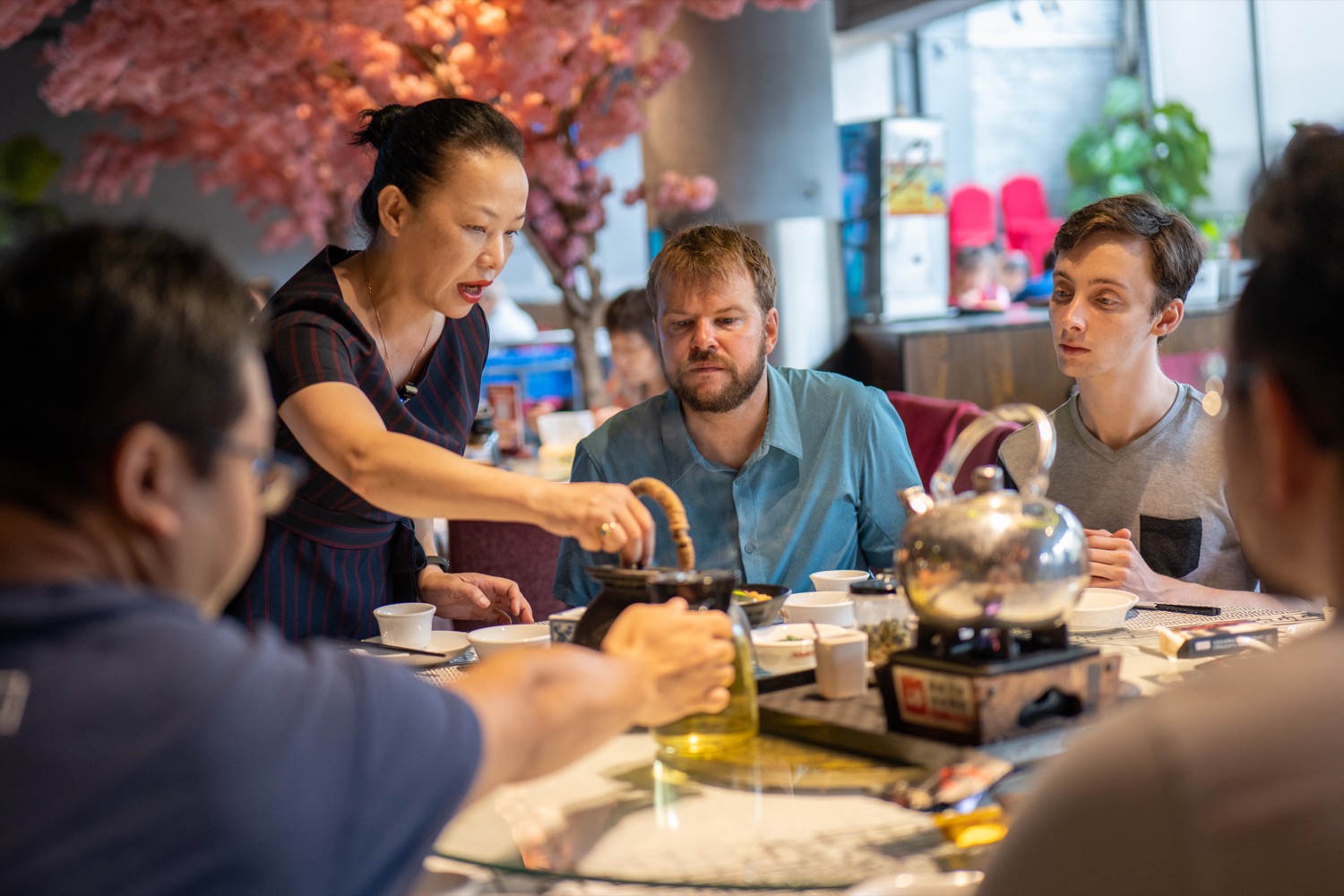
서비스 직원, 기사, 가게 주인, 모르는 사람에게도 谢谢를 편하게 말해 보세요. 같은 연구에서 중국인과 미국인 참가자는 모르는 사람에게 감사를 표하는 빈도가 비슷했습니다.
07 연습: 짧은 대화 3개와 퀴즈
문장 뒤의 스피커 아이콘을 눌러 들어 보고, 직접 따라 말해 보세요.
대화 1: 친구가 휴대폰을 돌려줄 때
대화 2: 수업이 끝난 뒤
| 화자 | 중국어 | 병음 | 한국어 |
|---|---|---|---|
| 학생: | 谢谢老师!今天麻烦您了。 | 감사합니다! 오늘 많이 번거롭게 해 드려 죄송해요. | |
| 선생님: | 不用谢,应该的。 | 고마워할 필요 없어요. 제 일인걸요. | |
| 학생: | 老师辛苦了! | 선생님, 고생 많으셨습니다. 감사합니다! |
대화 3: 선물을 가져갔을 때
| 화자 | 중국어 | 병음 | 한국어 |
|---|---|---|---|
| 손님: | 给你带了点小礼物。 | 작은 선물을 하나 준비했어요. | |
| 주인: | 哎呀,你太客气了!让你破费了。 | 어머, 별걸 다 준비하셨네요! 이러지 않으셔도 되는데. | |
| 손님: | 一点小意思,别客气。 | 그냥 작은 성의예요. 별말씀을요. |
一点小意思로 선물을 낮춰 말하는 것이 예의입니다.
퀴즈: 어떻게 말할까요?
1. 선생님이 늦게까지 남아 도와주셨습니다. 감사를 전하는 가장 좋은 표현은?
(a) 谢了 xiè le (b) 谢谢您 xièxie nín (c) 3Q
답변
(b) 谢谢您 xièxie nín. 선생님께는 您를 쓰세요. 谢了와 3Q는 친구끼리 쓰는 말입니다.
2. 택시 기사님이 무거운 짐을 들어 주셨습니다. 谢谢 뒤에 무엇을 덧붙일 수 있을까요?
(a) 师傅,辛苦了! shīfu, xīnkǔ le! (b) 谢天谢地 xiètiān xièdì (c) 不客气 bù kèqi
답변
(a) 师傅,辛苦了! Shīfu, xīnkǔ le! 수고해 준 데 대한 감사를 표합니다. 谢天谢地는 안도감을 나타내고, 不客气는 감사에 대한 대답입니다.
3. 친구 어머니가 저녁을 차려 주시고 떠날 때 작은 선물까지 주셨습니다. 뭐라고 말할까요?
(a) 没事 méi shì (b) 您太客气了 nín tài kèqi le (c) 小意思 xiǎoyìsi
답변
(b) 您太客气了 nín tài kèqi le, 여기에 让您破费了 ràng nín pòfèi le를 덧붙여도 좋습니다. 친구의 부모님께는 您를 쓰세요. 没事와 小意思는 감사 인사를 받는 쪽에서 하는 말입니다.
4. 문을 잡아 줬더니 상대가 谢谢라고 합니다. 가장 자연스러운 대답은?
(a) 不客气 bù kèqi (b) 感激不尽 gǎnjī bù jìn (c) 谢天谢地 xiètiān xièdì
답변
(a) 不客气 bù kèqi. 感激不尽는 큰 도움을 받았을 때 쓰는 말이고, 谢天谢地는 “다행이다”라는 뜻입니다.
5. 협력 학교에 감사를 전하는 공식 이메일을 쓰고 있습니다. 감사 인사는 어떻게 시작할까요?
(a) 谢啦 xiè la (b) 非常感谢 fēicháng gǎnxiè (c) 哪里哪里 nǎlǐ nǎlǐ
답변
(b) 非常感谢 fēicháng gǎnxiè. 感谢您的支持 gǎnxiè nín de zhīchí도 공식 이메일에 잘 어울립니다.
08 중국어 감사 표현: 어휘 목록
이 가이드에 나온 모든 표현입니다. 감사를 전하는 23가지 표현, 관련 단어 2개, 대답 11개가 있습니다.
| # | 중국어 | 병음 | 한국어 | HSK |
|---|---|---|---|---|
| 1 | 谢谢 | xièxie | 고마워; 감사합니다 | 1 |
| 2 | 谢谢你 | xièxie nǐ | 고맙습니다 (한 사람에게) | 표현 |
| 3 | 谢谢您 | xièxie nín | 감사합니다 (존칭 “您”) | 표현 |
| 4 | 谢谢大家 | xièxie dàjiā | 여러분, 감사합니다 | 표현 |
| 5 | 谢谢老师 | xièxie lǎoshī | 선생님, 감사합니다 | 표현 |
| 6 | 非常感谢 | fēicháng gǎnxiè | 대단히 감사합니다 | 표현 |
| 7 | 太感谢了 | tài gǎnxiè le | 정말 감사합니다 | 표현 |
| 8 | 太谢谢你了 | tài xièxie nǐ le | 정말 고마워 | 표현 |
| 9 | 万分感谢 | wànfēn gǎnxiè | 백만 번 감사합니다 | 표현 |
| 10 | 感激不尽 | gǎnjī bù jìn | 아무리 감사해도 부족합니다 | 표현 |
| 11 | 感谢 | gǎnxiè | 감사하다; 고마워하다 | 4 |
| 12 | 感谢您的支持 | gǎnxiè nín de zhīchí | 지원해 주셔서 감사합니다 | 표현 |
| 13 | 多谢 | duōxiè | 대단히 감사합니다 | 1 |
| 14 | 谢啦 | xiè la | 고마워! | 1 |
| 15 | 谢了 | xiè le | 고마워 | 1 |
| 16 | 3Q | 고마워 (문자 메시지용; 한물간 표현) | 목록에 없음 | |
| 17 | 不用了,谢谢 | bùyòng le, xièxie | 괜찮아요, 감사합니다 | 표현 |
| 18 | 谢谢你的帮助 | xièxie nǐ de bāngzhù | 도와주셔서 감사합니다 | 표현 |
| 19 | 辛苦了 | xīnkǔ le | 수고하셨어요, 고생 많으셨어요 | 4 |
| 20 | 麻烦你了 | máfan nǐ le | 번거롭게 해서 죄송해요, 수고해 주셔서 감사합니다 | 표현 |
| 21 | 让你破费了 | ràng nǐ pòfèi le | 저를 위해 돈을 쓰실 필요까지는 없었는데요 | 표현 |
| 22 | 你太客气了 | nǐ tài kèqi le | 너무 친절하시네요 | 표현 |
| 23 | 感恩 | gǎn'ēn | 감사(미덕으로서의 감사하는 마음) | 7–9 |
관련 단어
| 중국어 | 병음 | 한국어 | HSK |
|---|---|---|---|
| 谢天谢地 | xiètiān xièdì | 정말 다행이에요 | 표현 |
| 感恩节 | Gǎn'ēn Jié | 추수감사절 | 목록에 없음 |
감사 인사를 받았을 때의 대답
| # | 중국어 | 병음 | 한국어 | HSK |
|---|---|---|---|---|
| 1 | 不客气 | bù kèqi | 천만에요 | 1 |
| 2 | 不用谢 | bùyòng xiè | 고마워할 것 없어요 | 표현 |
| 3 | 不用客气 | bùyòng kèqi | 그렇게 예의 차리지 않아도 돼요 | 표현 |
| 4 | 别客气 | bié kèqi | 별말씀을요 | 표현 |
| 5 | 不谢 | bù xiè | 고맙다는 말은 필요 없어요 | 1 |
| 6 | 没事 | méi shì | 문제없어요; 별거 아니에요 | 1 |
| 7 | 没什么 | méi shénme | 별거 아니에요 | 1 |
| 8 | 小意思 | xiǎoyìsi | 별거 아니에요; 작은 성의일 뿐이에요 | 목록에 없음 |
| 9 | 应该的 | yīnggāi de | 제 일인걸요; 당연히 해야 할 일이에요 | 3 |
| 10 | 客气什么 | kèqi shénme | 뭘 그렇게 격식 차려요? | 표현 |
| 11 | 哪里哪里 | nǎlǐ nǎlǐ | 아유, 아니에요 | 표현 |
급수는 HSK 3.0 기준입니다(7–9급은 고급 단계). 끝의 了 또는 啦은(는) 무시하며, 谢은(는) 谢谢처럼 1급으로 칩니다. “Phrase”는 목록에 그 구 전체의 표제어가 없다는 뜻이고, “not listed”는 목록에서 빠진 단어라는 뜻입니다.
09 중국어 감사 표현에 관한 자주 묻는 질문
중국어로 감사합니다는 어떻게 말하나요?
가장 흔한 표현은 谢谢(xièxie)입니다. 더 공손하게 말하려면 谢谢您(xièxie nín)라고 하고, “정말 감사합니다”는 非常感谢(fēicháng gǎnxiè)라고 합니다.
xie xie는 어떻게 발음하나요?
谢谢은(는) xièxie(으)로 읽습니다. x는 영어의 “s”와 “sh” 중간쯤의 소리로, 혀끝을 아랫니 뒤에 둡니다. 첫 음절은 급격히 떨어지는 4성이고, 둘째 음절은 짧고 가볍게 냅니다. “셰이 셰이”라고 해도 알아듣기는 하지만 정확한 발음은 아닙니다.
누군가 xie xie라고 하면 어떻게 대답하나요?
“천만에요”라는 뜻의 不客气(bù kèqi, 말할 때는 bú kèqi) 또는 “고마워하실 필요 없어요”라는 뜻의 不用谢(bùyòng xiè)라고 말합니다.
중국어 한자로 감사합니다는 어떻게 쓰나요?
감사합니다는 같은 글자를 두 번 써서 谢谢라고 씁니다. 谢 한 글자는 12획입니다. 번체자는 謝謝입니다.
谢谢와(과) 感谢의 차이는 무엇인가요?
谢谢은(는) 누구에게나 쓸 수 있는 일상적인 말입니다. 感谢(gǎnxiè)은(는) 더 격식 있는 표현으로 글, 연설, 고객 응대 등에서 쓰이며, 非常感谢(대단히 감사합니다)나 感谢您的支持(응원해 주셔서 감사합니다)처럼 씁니다. 다만 WeChat에서는 感谢感谢!도 흔히 쓰는 가벼운 감사 표현입니다.
xie xie는 표준 중국어인가요, 광둥어인가요?
谢谢(xièxie)은(는) 표준 중국어(만다린)입니다. 광둥어에는 감사를 뜻하는 흔한 말이 두 가지 있습니다. 작은 부탁이나 서비스에는 m4 goi1, 선물이나 큰 도움에는 do1 ze6를 씁니다(둘 다 광둥어에 흔히 쓰는 로마자 표기인 Jyutping입니다). 두 언어의 차이는 표준 중국어 vs 광둥어 가이드에서 자세히 설명합니다.
중국인 친구에게 고맙다고 하면 무례한가요?
아닙니다. 다만 가까운 친구나 가족 사이에서 사소한 일에 격식 차린 감사를 하면 거리감이 느껴질 수 있어서, 보답으로 고마움을 표현하는 경우가 많습니다. 감사 인사는 상대가 기대 이상으로 해 주었다는 뜻이 될 수 있는데, 가까운 친구는 원래 서로 돕는 사이라고 여기기 때문입니다.
10 계속 공부해 보세요
매일 쓰게 될 谢谢와(과) 不客气부터 시작하고, 나머지는 상황이 생길 때마다 하나씩 더해 보세요. 중국어가 처음이라면 완전 초보자를 위한 짧은 표준 중국어 레슨 6개로 구성된 무료 중국어 코스를 이용해 보세요. 3과에서는 안녕하세요, 예와 아니요, 숫자를 배웁니다. 실제 사람에게 써 보고 싶다면 CLI 선생님과 함께하는 30분 무료 체험 수업을 신청하세요.
하루에 谢谢을(를) 백 번쯤 들어 보고 싶다면, 구이린에서 몰입 프로그램으로 저희와 함께 공부해 보세요.