
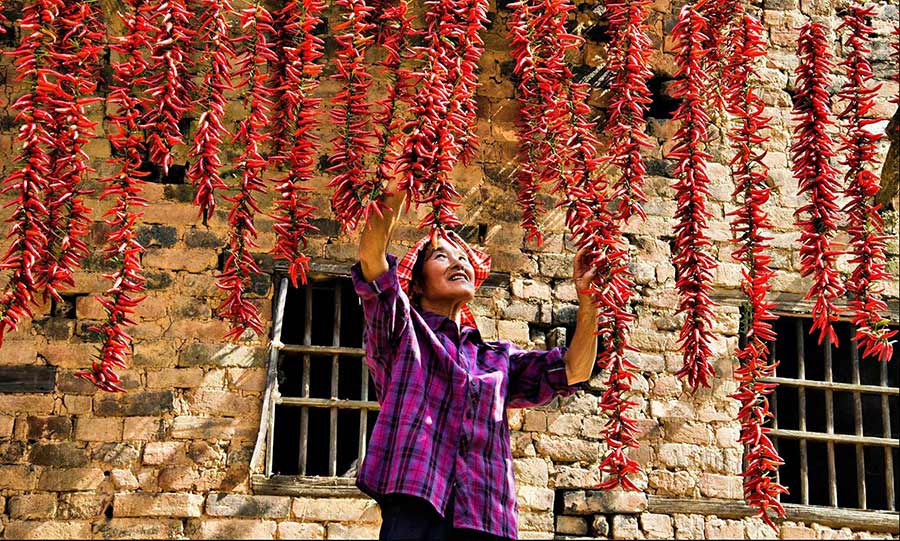
- Chili peppers (辣椒, làjiāo) are a fixture of the everyday Chinese table, used both as a dish's key ingredient and as a seasoning for something as simple as a bowl of white rice.
- Mandarin distinguishes between several kinds of heat, including 酸辣 (suānlà, spicy and sour), 麻辣 (málà, spicy and numbing), and 微辣 (wēilà, mildly spicy).
- Despite how central they feel to Chinese cooking, chili peppers are not native to Asia — they arrived from the Americas by way of maritime trade only a few centuries ago.
- In many regions, including CLI's home province of Guangxi, families grow their own pepper plants and mix their own sauces, which makes chili a great everyday topic for anyone hoping to learn Chinese in China.
If you have traveled to the Middle Kingdom or shared a meal with a Chinese family, you'll know just how important chili peppers are in Chinese cuisine. Whether serving as a dish's key ingredient or used as a seasoning for a bowl of white rice, spicy flavors are a fixture of the average Chinese palate.
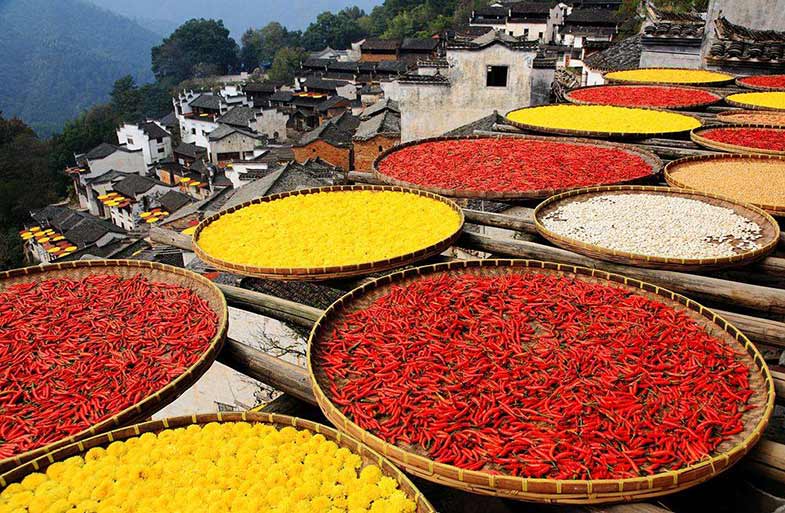
In fact, Mandarin even has many different words to describe different spicy flavors and the various sensations that they bring about. Check out our Chinese vocabulary list at the bottom of this page.
01 How Chili Peppers Came to China
With all the hype surrounding chili peppers, one would think that these unassuming plants were indigenous to China. Contrary to what many think, chili peppers weren't introduced to Asia until the late sixteenth century, when they arrived from the Americas in seed form by way of the maritime trade routes that linked China's coast to the wider world.
From those coastal ports, the plant traveled inland and gradually worked its way into regional cooking. Sichuan, Hunan, Guizhou, and Guangxi eventually built entire flavor profiles around it — which is why so many travelers assume it must have been there all along.
02 Chili Peppers in Chinese Food and Daily Life
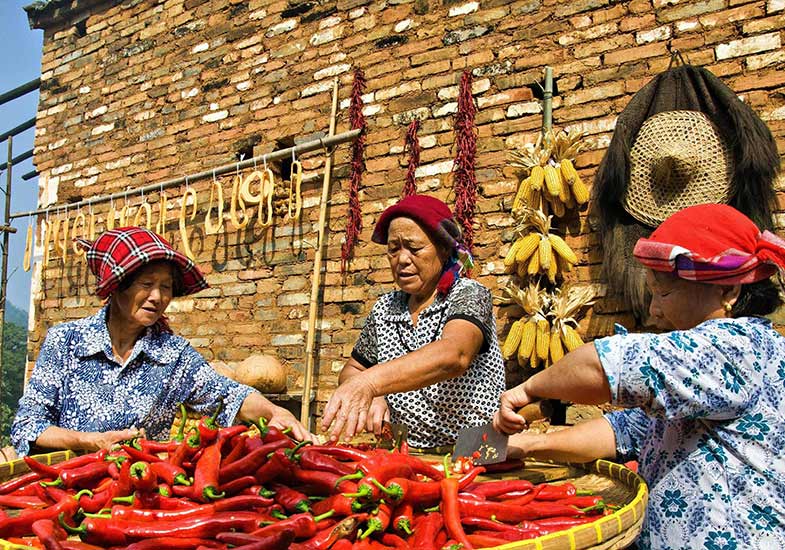
Today, spicy food has become such an important part of local culture in many parts of China that families often grow their own pepper plants and mix up their own spicy sauces at home. The results appear on the table at virtually every meal, especially during China's major holidays.
Chili peppers are a frequent addition to many dishes in CLI's home region of Guangxi, including Guilin rice noodles. If you are invited to eat with a local family, a quick read of our guide to Chinese table manners will help you enjoy the meal with confidence.
The Many Chinese Words for "Spicy"
One of the first things learners notice is that "spicy" is not a single idea in Chinese. 麻辣 (málà) describes the tingling, numbing heat of Sichuan peppercorns combined with chili, while 酸辣 (suānlà) points to a sharper, sour kind of heat.
Knowing these distinctions is genuinely practical at a restaurant. Asking for 微辣 (wēilà), or mildly spicy, can be the difference between a comfortable meal and a memorable one.
If you would rather order something gentler, 微辣 (wēilà) is the word to remember. It is also worth learning a few phrases for describing what you can and can't eat before you sit down to a meal in China.

Study Chinese in Guilin or Start Online
CLI offers personalized Chinese instruction built around your goals. Join our Immersion Program in Guilin or begin from anywhere with a free Chinese lesson .
03 Watch: How Far China's Love of Chili Peppers Goes
If you want to discover just how important chili peppers are to some Chinese people, look no further than the country's dedicated chili eaters. Stories regularly circulate about people who work their way through several kilograms of fresh peppers a day, including one widely reported "chili man" from Henan.
In the Middle Kingdom, it's not uncommon to see chili-eating competitions, in which contestants compete to see who can pack the most heat. Watch this short video and let us know if you think you'd have what it takes to be crowned China's "chili king" (or queen).
For a closer look at China's spiciest regional cooking, our profile of China's most popular food vlogger follows him through Sichuan and beyond in search of the boldest flavors in the country.
04 Spicy Chinese Vocabulary: Words for Chili and Heat
Are you ready to add some heat to your Chinese skills? Check out these spicy-themed vocabulary words, then keep building with our list of basic Chinese words.
| Chinese | Pinyin | Translation |
|---|---|---|
| 辣椒 | hot peppers | |
| 酸辣 | spicy and sour | |
| 麻辣 | spicy and numbing | |
| 微辣 | mildly spicy | |
| 胡椒 | pepper | |
| 晒干 | to dry in the sun | |
| 凉快 | nice and cool | |
| 植物 | plant | |
| 农村 | countryside | |
| 方法 | method |