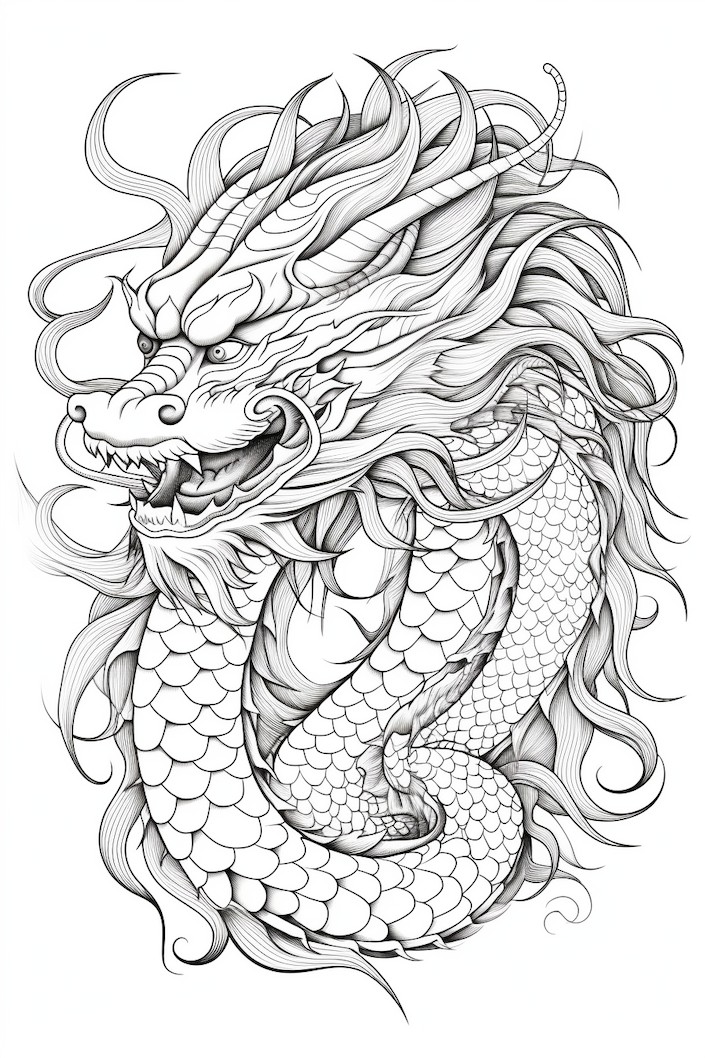

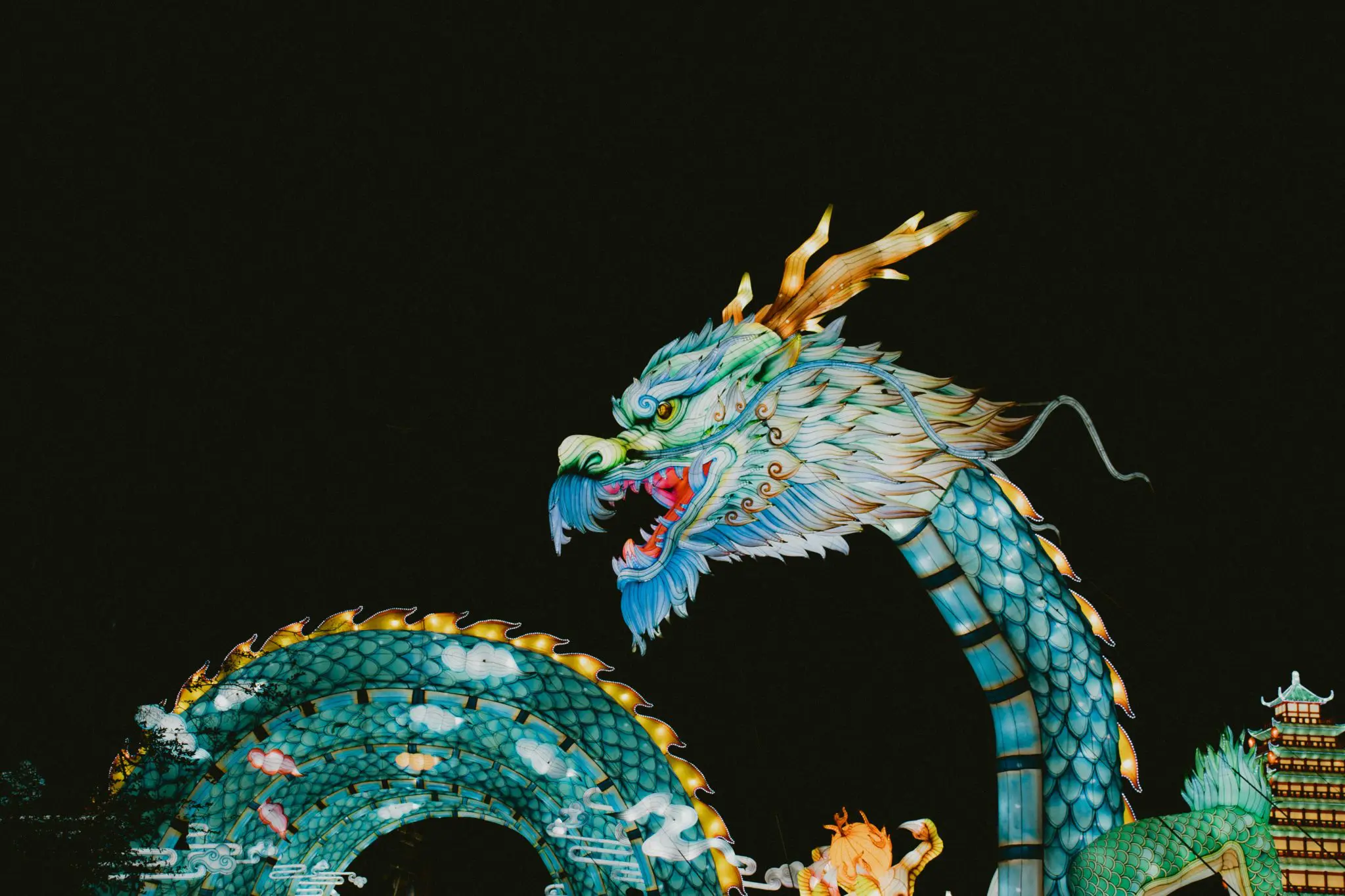
- The Chinese dragon, or 龙 (lóng), is very different from the European dragon and usually breathes clouds rather than fire.
- Ancient Chinese people generally saw dragons as benevolent, wise, and powerful rather than vengeful.
- Dragons are linked to water, rain, harvests, and the changing seasons, which is why farmers once made offerings to dragon gods.
- Dragon colors carry distinct meanings, and the tradition includes many dragon types, from the spiritual dragon to the all-powerful Dragon King.
- As symbols of good fortune, nobility, and protection, dragons remain woven into festivals, art, and everyday Chinese culture.
Sometimes, Chinese dragons seem to be everywhere. We see these symbols in sports, on clothing, in books, in movies, and even in Chinese dragon tattoos.
You have seen dragon iconography, but have you considered where dragons originate or what they symbolize? Read on to discover more about China's most famous mythological creatures.
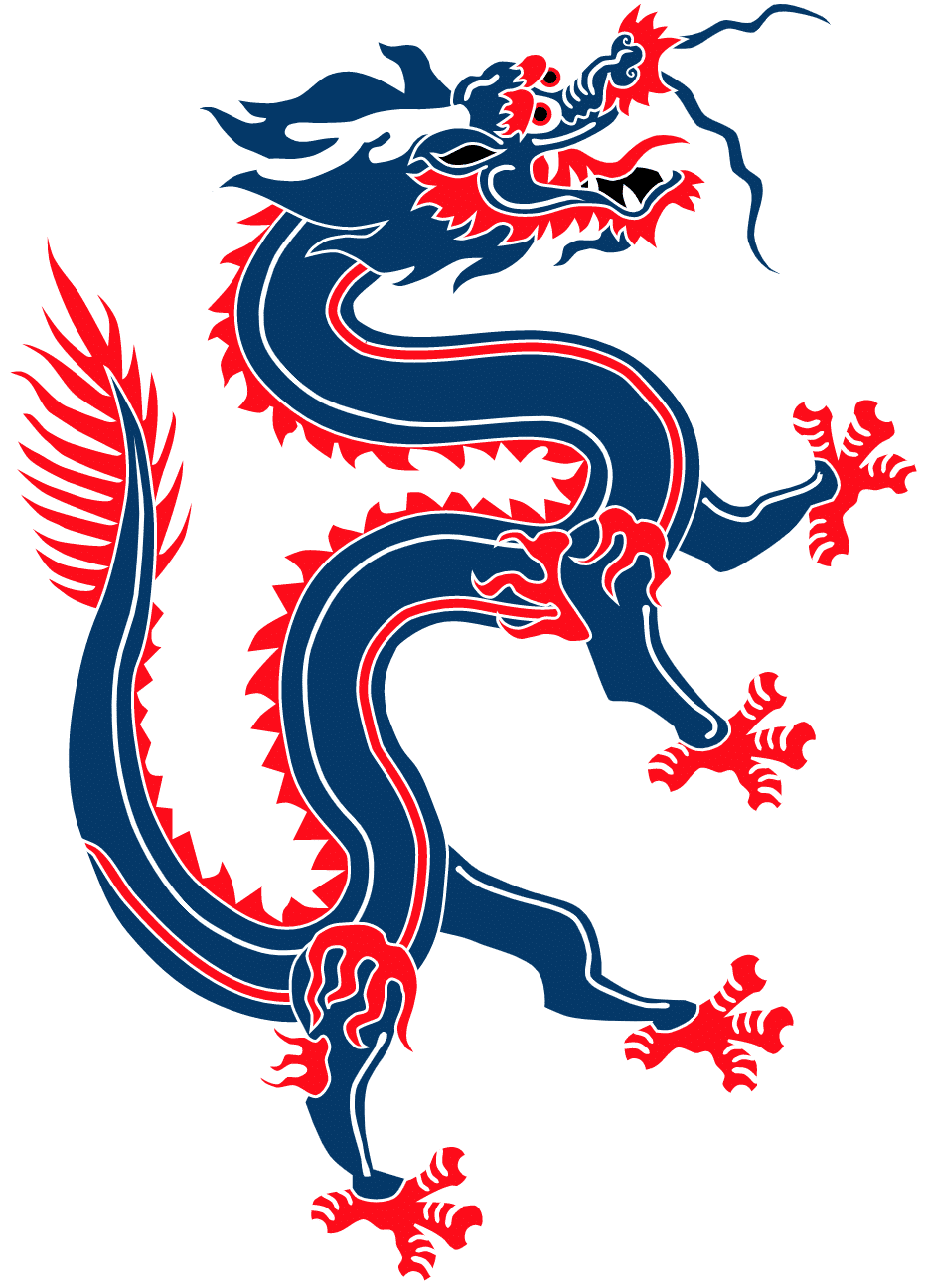
The dragon is also a wonderful doorway into Chinese culture more broadly. Festivals, zodiac animals, imperial history, and folk beliefs all become easier to understand once you know what the dragon represents.
If your goal is to Learn Chinese in China, recognizing cultural symbols like the dragon can make real-life conversations, holidays, and traditions far more meaningful.
01 A distinctly Chinese cultural tradition
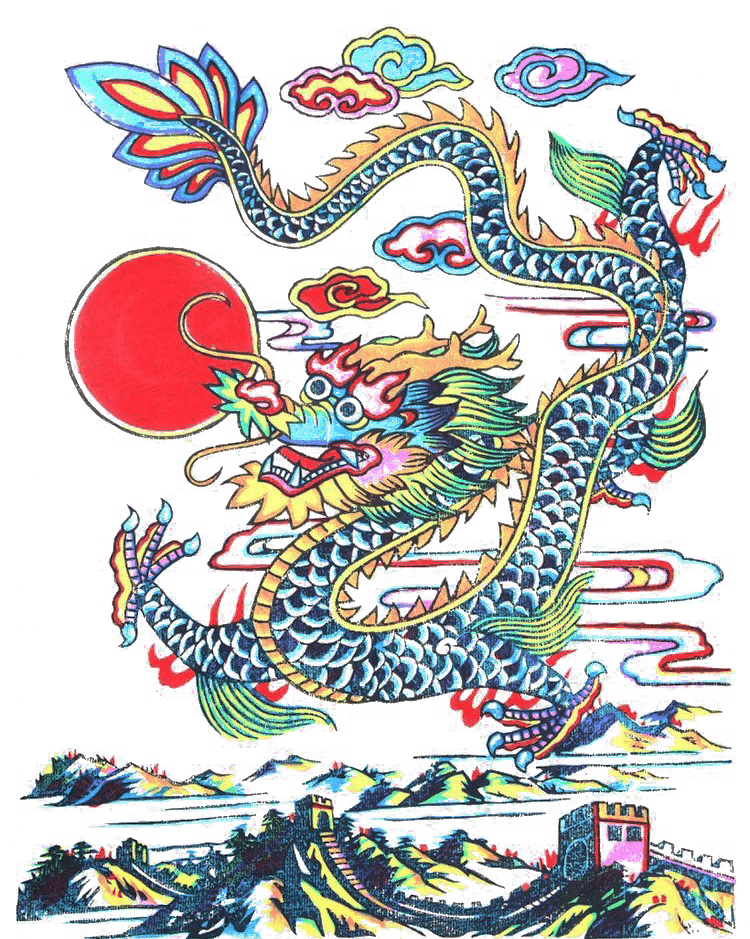
For starters, it is worth noting that the Chinese dragon, or 龙 (lóng), is very different from the European dragon. For example, while European dragons breathe fire, the Chinese dragon typically breathes clouds.
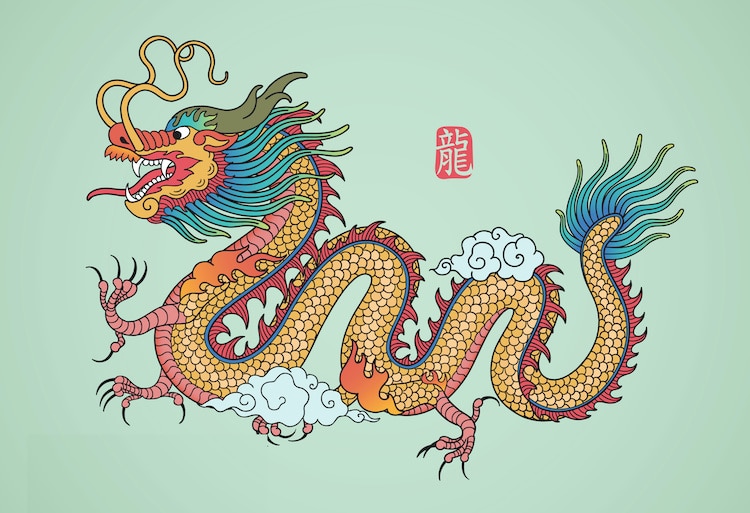
The anatomy of the Chinese dragon is also unique. The head, for instance, often looks like that of a camel, while the eyes look like those of a demon.
Similarly, the neck looks like that of a snake, whereas its paws are those of a tiger. Contrary to what most people assume, the legendary Chinese dragon was usually not vengeful.
Ancient Chinese people did not usually blame dragons for natural catastrophes and other disasters. Instead, they often saw dragons as benevolent, wise, and powerful.
02 The origins of Chinese dragon legends
No one knows exactly when legends about dragons first originated, but the symbol dates back to at least 3000 BCE. According to one theory, the legendary Chinese dragon evolved out of ancient totem-worship practices.
Ancient people may have created dragons by combining the attributes of several creatures, such as tigers, snakes, eagles, and carp. Over time, the composite image grew into the dragon we recognize today.
A different theory posits that the Yan Emperor (炎帝 Yándì), a legendary leader from pre-dynastic times, was born of an encounter with a powerful dragon. As a result, Yandi was said to be more powerful than most leaders.
He partnered with Emperor Huang Di, and together they conquered their enemies, unified China, and, according to myth, pioneered Chinese civilization. As time progressed, many Chinese came to believe that Yandi was one of their ancestors.
By extension, this meant that they were also the descendants of dragons, an idea still echoed in the phrase 龙的传人 (lóng de chuánrén), "descendants of the dragon."
03 Where do Chinese dragons live?
In the real world, dragons do not exist (surprise!). In the mythological stories they inhabit, however, dragons reside in a variety of places.
The celestial dragon, for example, lives in the sky, while the coiling dragon lives in the sea. Different homes often reflect each dragon's different role and powers.
04 The importance of dragons in Chinese culture
Dragons are significant in Chinese culture because they are associated with prosperity, good harvests, health, and protection. Each of these connections appears in long-standing customs and celebrations.
Business prosperity
During Chinese New Year, many celebrations start with a dragon dance, known in Chinese as 舞龙 (wǔlóng). The aim of the dance is not just to attract attention but also to ask for a prosperous new business year from the dragon gods.
Good harvest and health
In traditional times, Chinese farmers requested plentiful harvests by making offerings to dragon gods. When drought struck, they did the same in an attempt to encourage a downpour from the heavens.
Some people also believed dragons could protect their lands and harvests from flood damage. This connection between dragons and the seasons echoes the seasonal logic found in the traditional Chinese calendar.
In addition to Chinese New Year, the dragon is a very significant creature during the Dragon Boat Festival, a Chinese holiday celebrated throughout China in late spring or early summer. During this festival, dragon-shaped boat races are traditionally held.
There are many theories about how the Dragon Boat Festival originated. One theory suggests that in its earliest form, the festival was celebrated to request good health and a bountiful harvest from the dragon gods.
Protective tokens
In China, people believe dragons can offer protection to homes and businesses. They are seen as protective figures that can be printed or engraved on sentimental or valuable objects.
This protective symbolism connects closely with other belief systems, including the placement principles of feng shui. Together, these traditions shape how many Chinese homes and workplaces are decorated and arranged.
05 What do Chinese dragons symbolize?
Dragons are powerful creatures in Chinese mythology. They are associated with the ability to control the seasons, time, and harvests.
Generally, they symbolize several overlapping ideas, summarized below.
Everything male. In traditional Chinese society, men were considered physically strong and were often influential in community matters. Dragons were used as representations of this relative dominance, so masculine traits were treated as physical manifestations of the mythological dragon.
Nobleness. According to Chinese astrology, those born in the Year of the Dragon are considered more prosperous and noble than others. Years such as 1988, 2000, and 2012 are dragon years, and many people consider those born then to be strong-willed, decisive, and self-confident.
Agricultural life. According to Chinese mythology, dragons control the weather and the seasons. Though most dragons are wingless, male dragons can fly to the heavens and bring rain, while female dragons control earthly waters like rivers, lakes, seas, and wells.
Good fortune. Some people also believe dragons symbolize fortune and good luck. As a result, people often engrave dragons on utensils and personal items to attract the best life has to offer.
Kindness. In China, dragons are symbols of kindness and warmth, in part because the Chinese dragon does not breathe fire as its European counterpart does. However, there are some exceptions, as we will see below.

Study Chinese in Guilin or Start Online
CLI offers personalized Chinese instruction built around your goals. Join our Immersion Program in Guilin or begin from anywhere with a free Chinese lesson .
06 The symbolism behind dragon colors
Chinese dragons are colorful creatures, and each color holds unique symbolism. For example, blue and green dragons symbolize nature, health, and tranquility, and are sometimes also linked with healing, peace, and rest.
The table below summarizes the meanings most commonly attached to other notable dragon colors.
| Dragon color | Common symbolism |
|---|---|
| Blue / Green | Nature, health, and tranquility; also healing, peace, and rest. |
| White | Purity, as in the West; sometimes also death, mourning, and a bad omen. |
| Red | Good fortune; popular at weddings and celebrations to encourage happiness and luck. |
| Yellow | Good fortune and power; the most revered dragon, long linked to the empire, the emperor, warmth, wisdom, and wealth. |
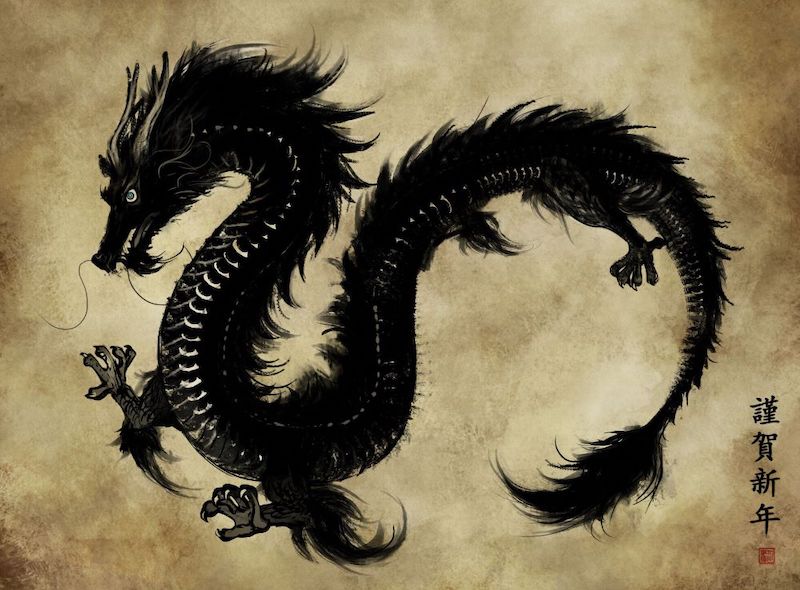
| Black | Vengeance; often linked to catastrophes such as storms and floods. |
07 Types of Chinese dragons
The Chinese tradition includes a variety of different dragon types. Each is surrounded by a wealth of rich symbolism.
- Spiritual Dragon – The spiritual dragon is blue and controls both the rain and the winds. Its job is to ensure that humans benefit from these two elements.
- Winged Dragon – The fact that this dragon has wings is somewhat strange, considering that most Chinese dragons are wingless. It is, however, a very significant type of dragon that symbolizes rain and at times floods.
- Celestial Dragon – This dragon resides in the sky, where it protects the celestial gods from falling to earth.
- Coiling Dragon – Known to live in the sea, the coiling dragon controls time. While most dragons can ascend to the sky, the coiling dragon is restricted to the waters.
- Treasure Dragon – The Chinese believe this dragon can protect hidden treasures like precious metals, money, and personal wealth.
- Underworld Dragon – This dragon controls rivers, streams, and seas. Some believe it is the feminine version of the spiritual dragon.
- Horned Dragon – The horned dragon is one of the most powerful dragons in the Chinese tradition. Although sometimes depicted as having evil tendencies, it is also associated with making rain.
- Dragon King – The dragon king, or dragon god, is considered the most powerful of all dragons. He can appear in many shapes, is often depicted as human, and is thought to reign over the seas of China in all four directions.
08 Useful Chinese dragon vocabulary
The following terms will help you recognize dragon references in festivals, myths, and everyday conversations. Building this vocabulary fits naturally into a broader Chinese study plan.
| Chinese | Pinyin | Meaning |
|---|---|---|
| 龙 | Dragon | |
| 龙王 | Dragon King | |
| 龙年 | Year of the Dragon | |
| 舞龙 | Dragon dance | |
| 龙舟 | Dragon boat | |
| 龙的传人 | "Descendants of the dragon" | |
| 炎帝 | The Yan Emperor, a legendary leader |
09 FAQ
How is a Chinese dragon different from a European dragon?
A Chinese dragon typically breathes clouds rather than fire and has a composite body, with a camel-like head, snake-like neck, and tiger-like paws. It is also usually seen as benevolent rather than vengeful.
Are Chinese dragons good or evil?
Most Chinese dragons are symbols of kindness, wisdom, and power. The black dragon is a notable exception, as it is traditionally linked to vengeance and disasters such as storms and floods.
Why are dragons connected to rain and water?
In mythology, dragons control the weather and the seasons, so farmers once made offerings to dragon gods for rain and good harvests. Many dragon types, such as the spiritual and underworld dragons, govern rain, rivers, and seas.
What does it mean to be born in the Year of the Dragon?
People born in dragon years, such as 1988, 2000, and 2012, are traditionally considered noble and prosperous. They are often described as strong-willed, decisive, and self-confident.
What is the most powerful Chinese dragon?
The Dragon King, or dragon god, is considered the most powerful of all dragons. He can take many shapes and is said to rule the seas of China in all four directions.
10 Final thoughts
Dragons may only be mythological creatures, but they are very important to the Chinese people, and the impact of this cultural phenomenon is far-reaching. Historically, dragons have served as important symbols with a variety of mostly positive meanings.
Understanding Chinese dragons brings you one step closer to a better understanding of traditional Chinese culture. It also makes the festivals, art, and everyday symbols you encounter while learning the language far easier to appreciate.