daily
我每天早上七点起床,然后去公园锻炼。
Wǒ měi tiān zǎoshang qī diǎn qǐchuáng, ránhòu qù gōngyuán duànliàn.
I get up at 7 a.m. every day, then go to the park to exercise.
Key words: 然后, 公园, 锻炼

Study 200 new HSK 2 words (500 total) with searchable definitions, examples, grammar guidance, and progress-tracking flashcards.
This page covers the new HSK 3.0 syllabus: 200 new Level 2 words and 500 cumulative words. The revised syllabus took effect in July 2026, but the exam rollout remains transitional.
Many regular 2026 test dates may still use the legacy HSK syllabus, under which HSK 2 contains 600 cumulative words. Confirm the version with your test center before studying. Preparing for the older exam? Review CLI’s legacy HSK 2 flashcards, or consult the official revised syllabus.
Focus the card and press Enter or Space to flip. Use the arrow keys while the card is focused to move through the current deck.
All 200 new HSK 3.0 Level 2 vocabulary entries in the official sequence (numbers 301–500). Search Chinese, accented or unaccented pinyin, spaced pinyin, tone-number pinyin, or English. Part-of-speech filters use exact structured labels.
| Official # | Chinese | Pinyin | English | Type | Examples |
|---|---|---|---|---|---|
| 301 | 啊 | a | ah; sentence particle | particle | |
啊,我明白了。 Ah, I understand now. 好啊,我们一起去。 Sure, let’s go together. 你也来了啊! Oh, you came too! | |||||
| 302 | 爱好 | àihào | to like; to enjoy; interest | verb; noun | |
我会爱好。 I can like. 他正在爱好。 He is likeing. 我们一起爱好吧。 Let’s like together. | |||||
| 303 | 白色 | báisè | white | noun | |
这是白色。 This is white. 我看见了白色。 I saw white. 白色在这里。 The white is here. | |||||
| 304 | 班 | bān | class; shift | noun | |
这是班。 This is class. 我看见了班。 I saw class. 班在这里。 The class is here. | |||||
| 305 | 帮 | bāng | to help; to assist | verb | |
我会帮。 I can help. 他正在帮。 He is helping. 我们一起帮吧。 Let’s help together. | |||||
| 306 | 帮忙 | bāngmáng | to help; to lend a hand | verb | |
我会帮忙。 I can help. 他正在帮忙。 He is helping. 我们一起帮忙吧。 Let’s help together. | |||||
| 307 | 包 | bāo | bag; package; to wrap | verb; noun | |
我会包。 I can bag. 他正在包。 He is baging. 我们一起包吧。 Let’s bag together. | |||||
| 308 | 本子 | běnzi | notebook | noun | |
这是本子。 This is notebook. 我看见了本子。 I saw notebook. 本子在这里。 The notebook is here. | |||||
| 309 | 比 | bǐ | than; to compare | preposition; verb | |
他比我高。 He is taller than me. 火车比公交车快。 The train is faster than the bus. 今天比昨天冷。 Today is colder than yesterday. | |||||
| 310 | 笔 | bǐ | pen | noun | |
这是笔。 This is pen. 我看见了笔。 I saw pen. 笔在这里。 The pen is here. | |||||
| 311 | 别 | bié | don't | adverb | |
我会别。 I can don't. 他正在别。 He is don'ting. 我们一起别吧。 Let’s don't together. | |||||
| 312 | 不错 | búcuò | not bad; correct | adjective | |
这个很不错。 This is very not bad. 今天不太不错。 Today it is not very not bad. 我觉得它很不错。 I think it is very not bad. | |||||
| 313 | 不好意思 | bùhǎoyìsi | excuse me; sorry | interjection | |
这是不好意思。 This is excuse me. 我看见了不好意思。 I saw excuse me. 不好意思在这里。 The excuse me is here. | |||||
| 314 | 长 | cháng | long | adjective | |
这个很长。 This is very long. 今天不太长。 Today it is not very long. 我觉得它很长。 I think it is very long. | |||||
| 315 | 车站 | chēzhàn | station; bus stop | noun | |
这是车站。 This is station. 我看见了车站。 I saw station. 车站在这里。 The station is here. | |||||
| 316 | 出 | chū | to go out; to come out | verb | |
我会出。 I can go out. 他正在出。 He is go outing. 我们一起出吧。 Let’s go out together. | |||||
| 317 | 出国 | chūguó | to go abroad | verb | |
我会出国。 I can go abroad. 他正在出国。 He is go abroading. 我们一起出国吧。 Let’s go abroad together. | |||||
| 318 | 出来 | chūlái | to come out | verb | |
我会出来。 I can come out. 他正在出来。 He is come outing. 我们一起出来吧。 Let’s come out together. | |||||
| 319 | 出门 | chūmén | to go out; to leave home | verb | |
我会出门。 I can go out. 他正在出门。 He is go outing. 我们一起出门吧。 Let’s go out together. | |||||
| 320 | 出去 | chūqù | to go out | verb | |
我会出去。 I can go out. 他正在出去。 He is go outing. 我们一起出去吧。 Let’s go out together. | |||||
| 321 | 床 | chuáng | bed | noun | |
这是床。 This is bed. 我看见了床。 I saw bed. 床在这里。 The bed is here. | |||||
| 322 | 词 | cí | word | noun | |
这是词。 This is word. 我看见了词。 I saw word. 词在这里。 The word is here. | |||||
| 323 | 次 | cì | m.w. for events; time | measure word | |
我去过三次。 I have done it three times using 次. 请再说一次。 Please say it one more time. 这是第一次。 This is the first one. | |||||
| 324 | 从 | cóng | from | preposition | |
我从北京来。 I come from Beijing. 从这里往左走。 Go left from here. 他从小喜欢画画。 He has liked drawing since childhood. | |||||
| 325 | 从小 | cóngxiǎo | from childhood | adverb | |
我会从小。 I can from childhood. 他正在从小。 He is from childhooding. 我们一起从小吧。 Let’s from childhood together. | |||||
| 326 | 错 | cuò | wrong; mistake | adjective | |
这个很错。 This is very wrong. 今天不太错。 Today it is not very wrong. 我觉得它很错。 I think it is very wrong. | |||||
| 327 | 打 | dǎ | to hit; to do | verb | |
我会打。 I can hit. 他正在打。 He is hiting. 我们一起打吧。 Let’s hit together. | |||||
| 328 | 打车 | dǎchē | to take a taxi | verb | |
我会打车。 I can take a taxi. 他正在打车。 He is take a taxiing. 我们一起打车吧。 Let’s take a taxi together. | |||||
| 329 | 打开 | dǎkāi | to open; to turn on | verb | |
我会打开。 I can open. 他正在打开。 He is opening. 我们一起打开吧。 Let’s open together. | |||||
| 330 | 但 | dàn | but | conjunction | |
我想去,但今天很忙。 I want to go, but I am busy today. 东西不错,但有点儿贵。 The item is good, but a little expensive. 他很累,但还在学习。 He is tired, but he is still studying. | |||||
| 331 | 但是 | dànshì | but | conjunction | |
我喜欢,但是我不买。 I like it, but I will not buy it. 天气很冷,但是他出门了。 It is cold, but he went out. 路很远,但是我们想去。 The road is long, but we want to go. | |||||
| 332 | 得 | de | complement particle | particle | |
他说得很好。 He speaks very well. 她跑得很快。 She runs very fast. 你写得不错。 You write quite well. | |||||
| 333 | 地 | de | adverbial particle | particle | |
他高兴地笑了。 He smiled happily. 她慢慢地走进来。 She walked in slowly. 请认真地听。 Please listen carefully. | |||||
| 334 | 等 | děng | to wait; and so on | verb | |
我会等。 I can wait. 他正在等。 He is waiting. 我们一起等吧。 Let’s wait together. | |||||
| 335 | 地铁 | dìtiě | subway | noun | |
这是地铁。 This is subway. 我看见了地铁。 I saw subway. 地铁在这里。 The subway is here. | |||||
| 336 | 点 | diǎn | to order (food) | verb | |
我会点。 I can order (food). 他正在点。 He is order (food)ing. 我们一起点吧。 Let’s order (food) together. | |||||
| 337 | 懂 | dǒng | to understand | verb | |
我会懂。 I can understand. 他正在懂。 He is understanding. 我们一起懂吧。 Let’s understand together. | |||||
| 338 | 动 | dòng | to move | verb | |
我会动。 I can move. 他正在动。 He is moveing. 我们一起动吧。 Let’s move together. | |||||
| 339 | 饭馆 | fànguǎn | restaurant | noun | |
这是饭馆。 This is restaurant. 我看见了饭馆。 I saw restaurant. 饭馆在这里。 The restaurant is here. | |||||
| 340 | 飞 | fēi | to fly | verb | |
我会飞。 I can fly. 他正在飞。 He is flying. 我们一起飞吧。 Let’s fly together. | |||||
| 341 | 高 | gāo | high; tall | adjective | |
这个很高。 This is very high. 今天不太高。 Today it is not very high. 我觉得它很高。 I think it is very high. | |||||
| 342 | 高中 | gāozhōng | high school | noun | |
这是高中。 This is high school. 我看见了高中。 I saw high school. 高中在这里。 The high school is here. | |||||
| 343 | 告诉 | gàosu | to tell; to inform | verb | |
我会告诉。 I can tell. 他正在告诉。 He is telling. 我们一起告诉吧。 Let’s tell together. | |||||
| 344 | 个子 | gèzi | height; stature | noun | |
这是个子。 This is height. 我看见了个子。 I saw height. 个子在这里。 The height is here. | |||||
| 345 | 跟 | gēn | with; and | preposition; conjunction | |
这个词是“跟”。 This word is “with.” 请用“跟”说一句话。 Please make a sentence with “跟.” 老师解释了“跟”的用法。 The teacher explained how to use “跟.” | |||||
| 346 | 公交车 | gōngjiāochē | bus | noun | |
这是公交车。 This is bus. 我看见了公交车。 I saw bus. 公交车在这里。 The bus is here. | |||||
| 347 | 过 | guò | to cross; to pass; to live | verb | |
我去过中国。 I have been to China. 你吃过这个菜吗? Have you eaten this dish before? 他没看过这部电影。 He has not seen this movie. | |||||
| 348 | 过 | guo | experienced-action particle | particle | |
我去过中国。 I have been to China. 你吃过这个菜吗? Have you eaten this dish before? 他没看过这部电影。 He has not seen this movie. | |||||
| 349 | 过来 | guòlái | to come over | verb | |
我会过来。 I can come over. 他正在过来。 He is come overing. 我们一起过来吧。 Let’s come over together. | |||||
| 350 | 过年 | guònián | to celebrate New Year | verb | |
我会过年。 I can celebrate New Year. 他正在过年。 He is celebrate New Yearing. 我们一起过年吧。 Let’s celebrate New Year together. | |||||
| 351 | 过去 | guòqù | to go over; to pass | verb | |
我会过去。 I can go over. 他正在过去。 He is go overing. 我们一起过去吧。 Let’s go over together. | |||||
| 352 | 还是 | háishi | or; still | conjunction; adverb | |
你喝茶还是咖啡? Do you drink tea or coffee? 我们坐地铁还是公交车? Should we take the subway or the bus? 他还是喜欢跑步。 He still likes running. | |||||
| 353 | 黑色 | hēisè | black | noun | |
这是黑色。 This is black. 我看见了黑色。 I saw black. 黑色在这里。 The black is here. | |||||
| 354 | 红茶 | hóngchá | black tea | noun | |
这是红茶。 This is black tea. 我看见了红茶。 I saw black tea. 红茶在这里。 The black tea is here. | |||||
| 355 | 红色 | hóngsè | red | noun | |
这是红色。 This is red. 我看见了红色。 I saw red. 红色在这里。 The red is here. | |||||
| 356 | 后面 | hòumiàn | the back; behind | noun | |
这是后面。 This is the back. 我看见了后面。 I saw the back. 后面在这里。 The the back is here. | |||||
| 357 | 花 | huā | to spend | verb | |
我会花。 I can spend. 他正在花。 He is spending. 我们一起花吧。 Let’s spend together. | |||||
| 358 | 花 | huā | flower | noun | |
这是花。 This is flower. 我看见了花。 I saw flower. 花在这里。 The flower is here. | |||||
| 359 | 画 | huà | to draw; to paint; picture | verb; noun | |
我会画。 I can draw. 他正在画。 He is drawing. 我们一起画吧。 Let’s draw together. | |||||
| 360 | 坏 | huài | bad; broken | adjective | |
这个很坏。 This is very bad. 今天不太坏。 Today it is not very bad. 我觉得它很坏。 I think it is very bad. | |||||
| 361 | 回来 | huílái | to come back | verb | |
我会回来。 I can come back. 他正在回来。 He is come backing. 我们一起回来吧。 Let’s come back together. | |||||
| 362 | 回去 | huíqù | to go back | verb | |
我会回去。 I can go back. 他正在回去。 He is go backing. 我们一起回去吧。 Let’s go back together. | |||||
| 363 | 机场 | jīchǎng | airport | noun | |
这是机场。 This is airport. 我看见了机场。 I saw airport. 机场在这里。 The airport is here. | |||||
| 364 | 机票 | jīpiào | plane ticket | noun | |
这是机票。 This is plane ticket. 我看见了机票。 I saw plane ticket. 机票在这里。 The plane ticket is here. | |||||
| 365 | 记得 | jìde | to remember | verb | |
我会记得。 I can remember. 他正在记得。 He is remembering. 我们一起记得吧。 Let’s remember together. | |||||
| 366 | 间 | jiān | m.w. for rooms | measure word | |
我去过三间。 I have done it three times using 间. 请再说一间。 Please say it one more time. 这是第一间。 This is the first one. | |||||
| 367 | 教 | jiāo | to teach | verb | |
我会教。 I can teach. 他正在教。 He is teaching. 我们一起教吧。 Let’s teach together. | |||||
| 368 | 教室 | jiàoshì | classroom | noun | |
这是教室。 This is classroom. 我看见了教室。 I saw classroom. 教室在这里。 The classroom is here. | |||||
| 369 | 介绍 | jièshào | to introduce | verb | |
我会介绍。 I can introduce. 他正在介绍。 He is introduceing. 我们一起介绍吧。 Let’s introduce together. | |||||
| 370 | 进 | jìn | to enter; to go in | verb | |
我会进。 I can enter. 他正在进。 He is entering. 我们一起进吧。 Let’s enter together. | |||||
| 371 | 近 | jìn | near; close | adjective | |
这个很近。 This is very near. 今天不太近。 Today it is not very near. 我觉得它很近。 I think it is very near. | |||||
| 372 | 进来 | jìnlái | to come in | verb | |
我会进来。 I can come in. 他正在进来。 He is come ining. 我们一起进来吧。 Let’s come in together. | |||||
| 373 | 进去 | jìnqù | to go in | verb | |
我会进去。 I can go in. 他正在进去。 He is go ining. 我们一起进去吧。 Let’s go in together. | |||||
| 374 | 经常 | jīngcháng | frequently; often | adverb | |
我会经常。 I can frequently. 他正在经常。 He is frequentlying. 我们一起经常吧。 Let’s frequently together. | |||||
| 375 | 酒店 | jiǔdiàn | hotel | noun | |
这是酒店。 This is hotel. 我看见了酒店。 I saw hotel. 酒店在这里。 The hotel is here. | |||||
| 376 | 就 | jiù | then; right away | adverb | |
我会就。 I can then. 他正在就。 He is thening. 我们一起就吧。 Let’s then together. | |||||
| 377 | 咖啡 | kāfēi | coffee | noun | |
这是咖啡。 This is coffee. 我看见了咖啡。 I saw coffee. 咖啡在这里。 The coffee is here. | |||||
| 378 | 开始 | kāishǐ | to begin; beginning | verb; noun | |
我会开始。 I can begin. 他正在开始。 He is begining. 我们一起开始吧。 Let’s begin together. | |||||
| 379 | 开学 | kāixué | school starts | verb | |
我会开学。 I can school starts. 他正在开学。 He is school startsing. 我们一起开学吧。 Let’s school starts together. | |||||
| 380 | 考 | kǎo | to test; to take an exam | verb | |
我会考。 I can test. 他正在考。 He is testing. 我们一起考吧。 Let’s test together. | |||||
| 381 | 考试 | kǎoshì | exam; to take an exam | noun; verb | |
我会考试。 I can exam. 他正在考试。 He is examing. 我们一起考试吧。 Let’s exam together. | |||||
| 382 | 可能 | kěnéng | might; possible | adjective; adverb | |
我会可能。 I can might. 他正在可能。 He is mighting. 我们一起可能吧。 Let’s might together. | |||||
| 383 | 裤子 | kùzi | trousers; pants | noun | |
这是裤子。 This is trousers. 我看见了裤子。 I saw trousers. 裤子在这里。 The trousers is here. | |||||
| 384 | 快 | kuài | fast; quick | adjective; adverb | |
我会快。 I can fast. 他正在快。 He is fasting. 我们一起快吧。 Let’s fast together. | |||||
| 385 | 快乐 | kuàilè | happy; joyful | adjective | |
这个很快乐。 This is very happy. 今天不太快乐。 Today it is not very happy. 我觉得它很快乐。 I think it is very happy. | |||||
| 386 | 快要 | kuàiyào | about to | adverb | |
我会快要。 I can about to. 他正在快要。 He is about toing. 我们一起快要吧。 Let’s about to together. | |||||
| 387 | 篮球 | lánqiú | basketball | noun | |
这是篮球。 This is basketball. 我看见了篮球。 I saw basketball. 篮球在这里。 The basketball is here. | |||||
| 388 | 累 | lèi | tired; weary | adjective | |
这个很累。 This is very tired. 今天不太累。 Today it is not very tired. 我觉得它很累。 I think it is very tired. | |||||
| 389 | 离 | lí | from; away from | preposition | |
这个词是“离”。 This word is “from.” 请用“离”说一句话。 Please make a sentence with “离.” 老师解释了“离”的用法。 The teacher explained how to use “离.” | |||||
| 390 | 里面 | lǐmiàn | inside | noun | |
这是里面。 This is inside. 我看见了里面。 I saw inside. 里面在这里。 The inside is here. | |||||
| 391 | 楼 | lóu | building; floor | noun | |
这是楼。 This is building. 我看见了楼。 I saw building. 楼在这里。 The building is here. | |||||
| 392 | 路 | lù | road; route | noun | |
这是路。 This is road. 我看见了路。 I saw road. 路在这里。 The road is here. | |||||
| 393 | 路上 | lùshang | on the way | noun | |
这是路上。 This is on the way. 我看见了路上。 I saw on the way. 路上在这里。 The on the way is here. | |||||
| 394 | 旅游 | lǚyóu | to travel; tourism | verb; noun | |
我会旅游。 I can travel. 他正在旅游。 He is traveling. 我们一起旅游吧。 Let’s travel together. | |||||
| 395 | 绿茶 | lǜchá | green tea | noun | |
这是绿茶。 This is green tea. 我看见了绿茶。 I saw green tea. 绿茶在这里。 The green tea is here. | |||||
| 396 | 绿色 | lǜsè | green | noun | |
这是绿色。 This is green. 我看见了绿色。 I saw green. 绿色在这里。 The green is here. | |||||
| 397 | 慢 | màn | slow | adjective | |
这个很慢。 This is very slow. 今天不太慢。 Today it is not very slow. 我觉得它很慢。 I think it is very slow. | |||||
| 398 | 没意思 | méiyìsi | boring | adjective | |
这个很没意思。 This is very boring. 今天不太没意思。 Today it is not very boring. 我觉得它很没意思。 I think it is very boring. | |||||
| 399 | 每 | měi | every | pronoun | |
我每天学习中文。 I study Chinese every day. 每个人都很高兴。 Everyone is happy. 她每周去游泳。 She goes swimming every week. | |||||
| 400 | 门 | mén | door; gate | noun | |
这是门。 This is door. 我看见了门。 I saw door. 门在这里。 The door is here. | |||||
| 401 | 门口 | ménkǒu | doorway; entrance | noun | |
这是门口。 This is doorway. 我看见了门口。 I saw doorway. 门口在这里。 The doorway is here. | |||||
| 402 | 门票 | ménpiào | ticket (admission) | noun | |
这是门票。 This is ticket (admission). 我看见了门票。 I saw ticket (admission). 门票在这里。 The ticket (admission) is here. | |||||
| 403 | 面 | miàn | side; aspect | suffix | |
这是面。 This is side. 我看见了面。 I saw side. 面在这里。 The side is here. | |||||
| 404 | 名 | míng | name; m.w. for people | noun; measure word | |
我去过三名。 I have done it three times using 名. 请再说一名。 Please say it one more time. 这是第一名。 This is the first one. | |||||
| 405 | 拿 | ná | to hold; to take | verb | |
我会拿。 I can hold. 他正在拿。 He is holding. 我们一起拿吧。 Let’s hold together. | |||||
| 406 | 那么 | nàme | so; that way | pronoun; conjunction | |
这个词是“那么”。 This word is “so.” 请用“那么”说一句话。 Please make a sentence with “那么.” 老师解释了“那么”的用法。 The teacher explained how to use “那么.” | |||||
| 407 | 那样 | nàyàng | that way; like that | pronoun | |
这个词是“那样”。 This word is “that way.” 请用“那样”说一句话。 Please make a sentence with “那样.” 老师解释了“那样”的用法。 The teacher explained how to use “那样.” | |||||
| 408 | 奶茶 | nǎichá | milk tea | noun | |
这是奶茶。 This is milk tea. 我看见了奶茶。 I saw milk tea. 奶茶在这里。 The milk tea is here. | |||||
| 409 | 奶奶 | nǎinai | grandma | noun | |
这是奶奶。 This is grandma. 我看见了奶奶。 I saw grandma. 奶奶在这里。 The grandma is here. | |||||
| 410 | 男孩儿 | nánháir | boy | noun | |
这是男孩儿。 This is boy. 我看见了男孩儿。 I saw boy. 男孩儿在这里。 The boy is here. | |||||
| 411 | 鸟 | niǎo | bird | noun | |
这是鸟。 This is bird. 我看见了鸟。 I saw bird. 鸟在这里。 The bird is here. | |||||
| 412 | 女孩儿 | nǚháir | girl | noun | |
这是女孩儿。 This is girl. 我看见了女孩儿。 I saw girl. 女孩儿在这里。 The girl is here. | |||||
| 413 | 旁边 | pángbiān | beside; next to | noun | |
这是旁边。 This is beside. 我看见了旁边。 I saw beside. 旁边在这里。 The beside is here. | |||||
| 414 | 跑 | pǎo | to run | verb | |
我会跑。 I can run. 他正在跑。 He is runing. 我们一起跑吧。 Let’s run together. | |||||
| 415 | 跑步 | pǎobù | to run; to jog | verb | |
我会跑步。 I can run. 他正在跑步。 He is runing. 我们一起跑步吧。 Let’s run together. | |||||
| 416 | 票 | piào | ticket | noun | |
这是票。 This is ticket. 我看见了票。 I saw ticket. 票在这里。 The ticket is here. | |||||
| 417 | 妻子 | qīzi | wife | noun | |
这是妻子。 This is wife. 我看见了妻子。 I saw wife. 妻子在这里。 The wife is here. | |||||
| 418 | 起来 | qǐlái | to get up; to stand up | verb | |
我会起来。 I can get up. 他正在起来。 He is get uping. 我们一起起来吧。 Let’s get up together. | |||||
| 419 | 前面 | qiánmiàn | ahead; in front | noun | |
这是前面。 This is ahead. 我看见了前面。 I saw ahead. 前面在这里。 The ahead is here. | |||||
| 420 | 晴 | qíng | clear; sunny | adjective | |
这个很晴。 This is very clear. 今天不太晴。 Today it is not very clear. 我觉得它很晴。 I think it is very clear. | |||||
| 421 | 球 | qiú | ball | noun | |
这是球。 This is ball. 我看见了球。 I saw ball. 球在这里。 The ball is here. | |||||
| 422 | 让 | ràng | to let; to allow | verb | |
我会让。 I can let. 他正在让。 He is leting. 我们一起让吧。 Let’s let together. | |||||
| 423 | 肉 | ròu | meat | noun | |
这是肉。 This is meat. 我看见了肉。 I saw meat. 肉在这里。 The meat is here. | |||||
| 424 | 商场 | shāngchǎng | shopping mall | noun | |
这是商场。 This is shopping mall. 我看见了商场。 I saw shopping mall. 商场在这里。 The shopping mall is here. | |||||
| 425 | 上来 | shànglái | to come up | verb | |
我会上来。 I can come up. 他正在上来。 He is come uping. 我们一起上来吧。 Let’s come up together. | |||||
| 426 | 上面 | shàngmiàn | on top; above | noun | |
这是上面。 This is on top. 我看见了上面。 I saw on top. 上面在这里。 The on top is here. | |||||
| 427 | 上去 | shàngqù | to go up | verb | |
我会上去。 I can go up. 他正在上去。 He is go uping. 我们一起上去吧。 Let’s go up together. | |||||
| 428 | 上网 | shàngwǎng | to go online | verb | |
我会上网。 I can go online. 他正在上网。 He is go onlineing. 我们一起上网吧。 Let’s go online together. | |||||
| 429 | 身体 | shēntǐ | body; health | noun | |
这是身体。 This is body. 我看见了身体。 I saw body. 身体在这里。 The body is here. | |||||
| 430 | 生日 | shēngrì | birthday | noun | |
这是生日。 This is birthday. 我看见了生日。 I saw birthday. 生日在这里。 The birthday is here. | |||||
| 431 | 时 | shí | time; o'clock | noun | |
这是时。 This is time. 我看见了时。 I saw time. 时在这里。 The time is here. | |||||
| 432 | 事情 | shìqing | matter; affair | noun | |
这是事情。 This is matter. 我看见了事情。 I saw matter. 事情在这里。 The matter is here. | |||||
| 433 | 手 | shǒu | hand | noun | |
这是手。 This is hand. 我看见了手。 I saw hand. 手在这里。 The hand is here. | |||||
| 434 | 手表 | shǒubiǎo | wristwatch | noun | |
这是手表。 This is wristwatch. 我看见了手表。 I saw wristwatch. 手表在这里。 The wristwatch is here. | |||||
| 435 | 书包 | shūbāo | schoolbag | noun | |
这是书包。 This is schoolbag. 我看见了书包。 I saw schoolbag. 书包在这里。 The schoolbag is here. | |||||
| 436 | 舒服 | shūfu | comfortable | adjective | |
这个很舒服。 This is very comfortable. 今天不太舒服。 Today it is not very comfortable. 我觉得它很舒服。 I think it is very comfortable. | |||||
| 437 | 送 | sòng | to send; to deliver; to give | verb | |
我会送。 I can send. 他正在送。 He is sending. 我们一起送吧。 Let’s send together. | |||||
| 438 | 虽然 | suīrán | although | conjunction | |
虽然下雨,但是我们出门了。 Although it rained, we went out. 虽然很累,他还在学习。 Although he is tired, he is still studying. 虽然有点儿远,但是很有意思。 Although it is a little far, it is interesting. | |||||
| 439 | 所以 | suǒyǐ | so; therefore | conjunction | |
下雨了,所以我没出门。 It rained, so I did not go out. 他病了,所以没上班。 He was sick, so he did not go to work. 我很累,所以早点儿睡。 I am tired, so I will sleep early. | |||||
| 440 | 疼 | téng | painful; sore | adjective | |
这个很疼。 This is very painful. 今天不太疼。 Today it is not very painful. 我觉得它很疼。 I think it is very painful. | |||||
| 441 | 踢 | tī | to kick | verb | |
我会踢。 I can kick. 他正在踢。 He is kicking. 我们一起踢吧。 Let’s kick together. | |||||
| 442 | 题 | tí | question; problem | noun | |
这是题。 This is question. 我看见了题。 I saw question. 题在这里。 The question is here. | |||||
| 443 | 条 | tiáo | m.w. for long things | measure word | |
我去过三条。 I have done it three times using 条. 请再说一条。 Please say it one more time. 这是第一条。 This is the first one. | |||||
| 444 | 跳舞 | tiàowǔ | to dance | verb | |
我会跳舞。 I can dance. 他正在跳舞。 He is danceing. 我们一起跳舞吧。 Let’s dance together. | |||||
| 445 | 头 | tóu | head | noun | |
这是头。 This is head. 我看见了头。 I saw head. 头在这里。 The head is here. | |||||
| 446 | 外国 | wàiguó | foreign country | noun | |
这是外国。 This is foreign country. 我看见了外国。 I saw foreign country. 外国在这里。 The foreign country is here. | |||||
| 447 | 外面 | wàimiàn | outside | noun | |
这是外面。 This is outside. 我看见了外面。 I saw outside. 外面在这里。 The outside is here. | |||||
| 448 | 完 | wán | to finish | verb | |
我会完。 I can finish. 他正在完。 He is finishing. 我们一起完吧。 Let’s finish together. | |||||
| 449 | 万 | wàn | ten thousand | number | |
这是万。 This is ten thousand. 我看见了万。 I saw ten thousand. 万在这里。 The ten thousand is here. | |||||
| 450 | 往 | wǎng | toward; to | preposition | |
这个词是“往”。 This word is “toward.” 请用“往”说一句话。 Please make a sentence with “往.” 老师解释了“往”的用法。 The teacher explained how to use “往.” | |||||
| 451 | 网上 | wǎngshang | online | noun | |
这是网上。 This is online. 我看见了网上。 I saw online. 网上在这里。 The online is here. | |||||
| 452 | 忘 | wàng | to forget | verb | |
我会忘。 I can forget. 他正在忘。 He is forgeting. 我们一起忘吧。 Let’s forget together. | |||||
| 453 | 位 | wèi | m.w. for people (polite) | measure word | |
我去过三位。 I have done it three times using 位. 请再说一位。 Please say it one more time. 这是第一位。 This is the first one. | |||||
| 454 | 为什么 | wèishénme | why | pronoun | |
这个词是“为什么”。 This word is “why.” 请用“为什么”说一句话。 Please make a sentence with “为什么.” 老师解释了“为什么”的用法。 The teacher explained how to use “为什么.” | |||||
| 455 | 希望 | xīwàng | to hope; hope | verb; noun | |
我会希望。 I can hope. 他正在希望。 He is hopeing. 我们一起希望吧。 Let’s hope together. | |||||
| 456 | 洗 | xǐ | to wash | verb | |
我会洗。 I can wash. 他正在洗。 He is washing. 我们一起洗吧。 Let’s wash together. | |||||
| 457 | 洗手间 | xǐshǒujiān | restroom; washroom | noun | |
这是洗手间。 This is restroom. 我看见了洗手间。 I saw restroom. 洗手间在这里。 The restroom is here. | |||||
| 458 | 下来 | xiàlái | to come down | verb | |
我会下来。 I can come down. 他正在下来。 He is come downing. 我们一起下来吧。 Let’s come down together. | |||||
| 459 | 下面 | xiàmiàn | below; under | noun | |
这是下面。 This is below. 我看见了下面。 I saw below. 下面在这里。 The below is here. | |||||
| 460 | 下去 | xiàqù | to go down | verb | |
我会下去。 I can go down. 他正在下去。 He is go downing. 我们一起下去吧。 Let’s go down together. | |||||
| 461 | 小孩儿 | xiǎoháier | child; kid | noun | |
这是小孩儿。 This is child. 我看见了小孩儿。 I saw child. 小孩儿在这里。 The child is here. | |||||
| 462 | 小时候 | xiǎoshíhou | in one's childhood | noun | |
这是小时候。 This is in one's childhood. 我看见了小时候。 I saw in one's childhood. 小时候在这里。 The in one's childhood is here. | |||||
| 463 | 笑 | xiào | to laugh; to smile | verb | |
我会笑。 I can laugh. 他正在笑。 He is laughing. 我们一起笑吧。 Let’s laugh together. | |||||
| 464 | 姓 | xìng | family name | noun; verb | |
我会姓。 I can family name. 他正在姓。 He is family nameing. 我们一起姓吧。 Let’s family name together. | |||||
| 465 | 姓名 | xìngmíng | full name | noun | |
这是姓名。 This is full name. 我看见了姓名。 I saw full name. 姓名在这里。 The full name is here. | |||||
| 466 | 颜色 | yánsè | color | noun | |
这是颜色。 This is color. 我看见了颜色。 I saw color. 颜色在这里。 The color is here. | |||||
| 467 | 眼睛 | yǎnjing | eye | noun | |
这是眼睛。 This is eye. 我看见了眼睛。 I saw eye. 眼睛在这里。 The eye is here. | |||||
| 468 | 药 | yào | medicine | noun | |
这是药。 This is medicine. 我看见了药。 I saw medicine. 药在这里。 The medicine is here. | |||||
| 469 | 药店 | yàodiàn | pharmacy | noun | |
这是药店。 This is pharmacy. 我看见了药店。 I saw pharmacy. 药店在这里。 The pharmacy is here. | |||||
| 470 | 爷爷 | yéye | grandpa | noun | |
这是爷爷。 This is grandpa. 我看见了爷爷。 I saw grandpa. 爷爷在这里。 The grandpa is here. | |||||
| 471 | 一会儿 | yíhuìr | a little while | expression | |
这是一会儿。 This is a little while. 我看见了一会儿。 I saw a little while. 一会儿在这里。 The a little while is here. | |||||
| 472 | 已经 | yǐjīng | already | adverb | |
我会已经。 I can already. 他正在已经。 He is alreadying. 我们一起已经吧。 Let’s already together. | |||||
| 473 | 一起 | yìqǐ | together | adverb | |
我会一起。 I can together. 他正在一起。 He is togethering. 我们一起一起吧。 Let’s together together. | |||||
| 474 | 意思 | yìsi | meaning; idea | noun | |
这是意思。 This is meaning. 我看见了意思。 I saw meaning. 意思在这里。 The meaning is here. | |||||
| 475 | 阴 | yīn | overcast; cloudy | adjective | |
这个很阴。 This is very overcast. 今天不太阴。 Today it is not very overcast. 我觉得它很阴。 I think it is very overcast. | |||||
| 476 | 因为 | yīnwèi | because | conjunction | |
因为下雨,我们没出门。 Because it rained, we did not go out. 因为他生病了,所以没来。 Because he was sick, he did not come. 我因为考试很忙。 I am busy because of the exam. | |||||
| 477 | 游 | yóu | to swim; to tour | verb | |
我会游。 I can swim. 他正在游。 He is swiming. 我们一起游吧。 Let’s swim together. | |||||
| 478 | 游泳 | yóuyǒng | to swim; swimming | verb | |
我会游泳。 I can swim. 他正在游泳。 He is swiming. 我们一起游泳吧。 Let’s swim together. | |||||
| 479 | 有意思 | yǒuyìsi | interesting | adjective | |
这个很有意思。 This is very interesting. 今天不太有意思。 Today it is not very interesting. 我觉得它很有意思。 I think it is very interesting. | |||||
| 480 | 有时 | yǒushí | sometimes | adverb | |
我会有时。 I can sometimes. 他正在有时。 He is sometimesing. 我们一起有时吧。 Let’s sometimes together. | |||||
| 481 | 右 | yòu | right; right side | noun | |
这是右。 This is right. 我看见了右。 I saw right. 右在这里。 The right is here. | |||||
| 482 | 右边 | yòubian | right side | noun | |
这是右边。 This is right side. 我看见了右边。 I saw right side. 右边在这里。 The right side is here. | |||||
| 483 | 鱼 | yú | fish | noun | |
这是鱼。 This is fish. 我看见了鱼。 I saw fish. 鱼在这里。 The fish is here. | |||||
| 484 | 远 | yuǎn | far; distant | adjective | |
这个很远。 This is very far. 今天不太远。 Today it is not very far. 我觉得它很远。 I think it is very far. | |||||
| 485 | 运动 | yùndòng | to exercise; sports | verb; noun | |
我会运动。 I can exercise. 他正在运动。 He is exerciseing. 我们一起运动吧。 Let’s exercise together. | |||||
| 486 | 站 | zhàn | station; stop | noun | |
这是站。 This is station. 我看见了站。 I saw station. 站在这里。 The station is here. | |||||
| 487 | 丈夫 | zhàngfu | husband | noun | |
这是丈夫。 This is husband. 我看见了丈夫。 I saw husband. 丈夫在这里。 The husband is here. | |||||
| 488 | 这么 | zhème | so much; this much | pronoun | |
这个词是“这么”。 This word is “so much.” 请用“这么”说一句话。 Please make a sentence with “这么.” 老师解释了“这么”的用法。 The teacher explained how to use “这么.” | |||||
| 489 | 这样 | zhèyàng | this way; like this | pronoun | |
这个词是“这样”。 This word is “this way.” 请用“这样”说一句话。 Please make a sentence with “这样.” 老师解释了“这样”的用法。 The teacher explained how to use “这样.” | |||||
| 490 | 着 | zhe | ongoing-state particle | particle | |
门开着。 The door is open. 他穿着白色衣服。 He is wearing white clothes. 桌上放着一本书。 There is a book lying on the table. | |||||
| 491 | 正 | zhèng | just (at that moment) | adverb | |
我会正。 I can just (at that moment). 他正在正。 He is just (at that moment)ing. 我们一起正吧。 Let’s just (at that moment) together. | |||||
| 492 | 周 | zhōu | week | noun | |
这是周。 This is week. 我看见了周。 I saw week. 周在这里。 The week is here. | |||||
| 493 | 准备 | zhǔnbèi | to prepare; preparation | verb; noun | |
我会准备。 I can prepare. 他正在准备。 He is prepareing. 我们一起准备吧。 Let’s prepare together. | |||||
| 494 | 自己 | zìjǐ | oneself | pronoun | |
这个词是“自己”。 This word is “oneself.” 请用“自己”说一句话。 Please make a sentence with “自己.” 老师解释了“自己”的用法。 The teacher explained how to use “自己.” | |||||
| 495 | 走 | zǒu | to walk; to go | verb | |
我会走。 I can walk. 他正在走。 He is walking. 我们一起走吧。 Let’s walk together. | |||||
| 496 | 走路 | zǒulù | to walk; to go on foot | verb | |
我会走路。 I can walk. 他正在走路。 He is walking. 我们一起走路吧。 Let’s walk together. | |||||
| 497 | 足球 | zúqiú | soccer | noun | |
这是足球。 This is soccer. 我看见了足球。 I saw soccer. 足球在这里。 The soccer is here. | |||||
| 498 | 最 | zuì | most; -est | adverb | |
我最喜欢红色。 I like red the most. 这是最好的办法。 This is the best method. 谁跑得最快? Who runs the fastest? | |||||
| 499 | 左 | zuǒ | left; left side | noun | |
这是左。 This is left. 我看见了左。 I saw left. 左在这里。 The left is here. | |||||
| 500 | 左边 | zuǒbian | left side | noun | |
这是左边。 This is left side. 我看见了左边。 I saw left side. 左边在这里。 The left side is here. | |||||
These ten patterns are useful priorities rather than the complete official grammar specification. They focus on structures HSK 2 learners repeatedly need in reading, listening, and conversation.
Use 比 to compare two things. The basic structure places 比 between the two items being compared, followed by the adjective. Do not use 很 in 比 sentences.
Place 过 after a verb to indicate that an action has been experienced at some point in the past. Negate with 没(有)…过.
因为 introduces the reason, and 所以 introduces the result. You can use both together or just one.
虽然 means "although" and 但是 means "but." Together they create a concessive sentence. 虽然 can appear before or after the subject.
来 and 去 are added after verbs to indicate the direction of movement relative to the speaker. 来 = toward the speaker; 去 = away from the speaker.
离 means "from" or "away from" and is used to express the distance between two places or points in time.
Place 得 after a verb to add a description or evaluation of how the action is performed.
着 placed after a verb indicates an ongoing state or posture, similar to "-ing" in English but emphasizing the maintained state rather than the action in progress.
快要…了 indicates something is about to happen. 就要…了 and 要…了 are similar structures.
每 means "every" and is placed before a measure word and noun. It often pairs with 都 later in the sentence.
Practice reading sentences built with HSK 2 vocabulary. Each sentence is tagged by topic so you can study the words in context. For a longer text at this level, read the graded reader My Chinese Homestay Family.
A selection of useful HSK 2 words organized by theme. Because these groups are designed for practical review rather than exhaustive classification, some words appear in more than one group and others remain only in the complete table.
一会儿, 一起, 万, 丈夫, 上去, 上来, 上网, 上面
一会儿, 一起, 万, 丈夫, 上去, 上来, 上网, 上面
一会儿, 一起, 万, 丈夫, 上去, 上来, 上网, 上面
一会儿, 一起, 万, 丈夫, 上去, 上来, 上网, 上面
一会儿, 一起, 万, 丈夫, 上去, 上来, 上网, 上面
一会儿, 一起, 万, 丈夫, 上去, 上来, 上网, 上面
一会儿, 一起, 万, 丈夫, 上去, 上来, 上网, 上面
一会儿, 一起, 万, 丈夫, 上去, 上来, 上网, 上面
一会儿, 一起, 万, 丈夫, 上去, 上来, 上网, 上面
一会儿, 一起, 万, 丈夫, 上去, 上来, 上网, 上面
一会儿, 一起, 万, 丈夫, 上去, 上来, 上网, 上面
一会儿, 一起, 万, 丈夫, 上去, 上来, 上网, 上面
Pinyin uses an accessible tone-color palette: 1st tone, 2nd tone, 3rd tone, 4th tone, and neutral tone. Turn the colors off above the table whenever you prefer plain text.
HSK 2.0 Level 2 builds on the 500 cumulative words from Levels 1 and 2. Review those foundations when basic vocabulary feels uncertain; this page adds 200 new words for a total of 500.
Use “Again,” “Learning,” and “Know” on the flashcards to save progress in this browser. Short 20-word sessions make the full list manageable, and the CSV download can be imported into Anki or another spaced-repetition tool.
Use the contextual examples attached to table rows, then write your own sentences with 把, 被, 比, complements, and compound structures. Production is more durable than recognition alone.
This page follows the new HSK 3.0 Level 2 list: 200 new words and 500 cumulative words. Some 2026 test dates may still use legacy HSK 2, which has 300 cumulative words. Confirm with your test center and see CLI’s transition guide.
Try the Interactive HSK Vocabulary Trainer, explore all HSK levels, or practice with our flashcard suite.
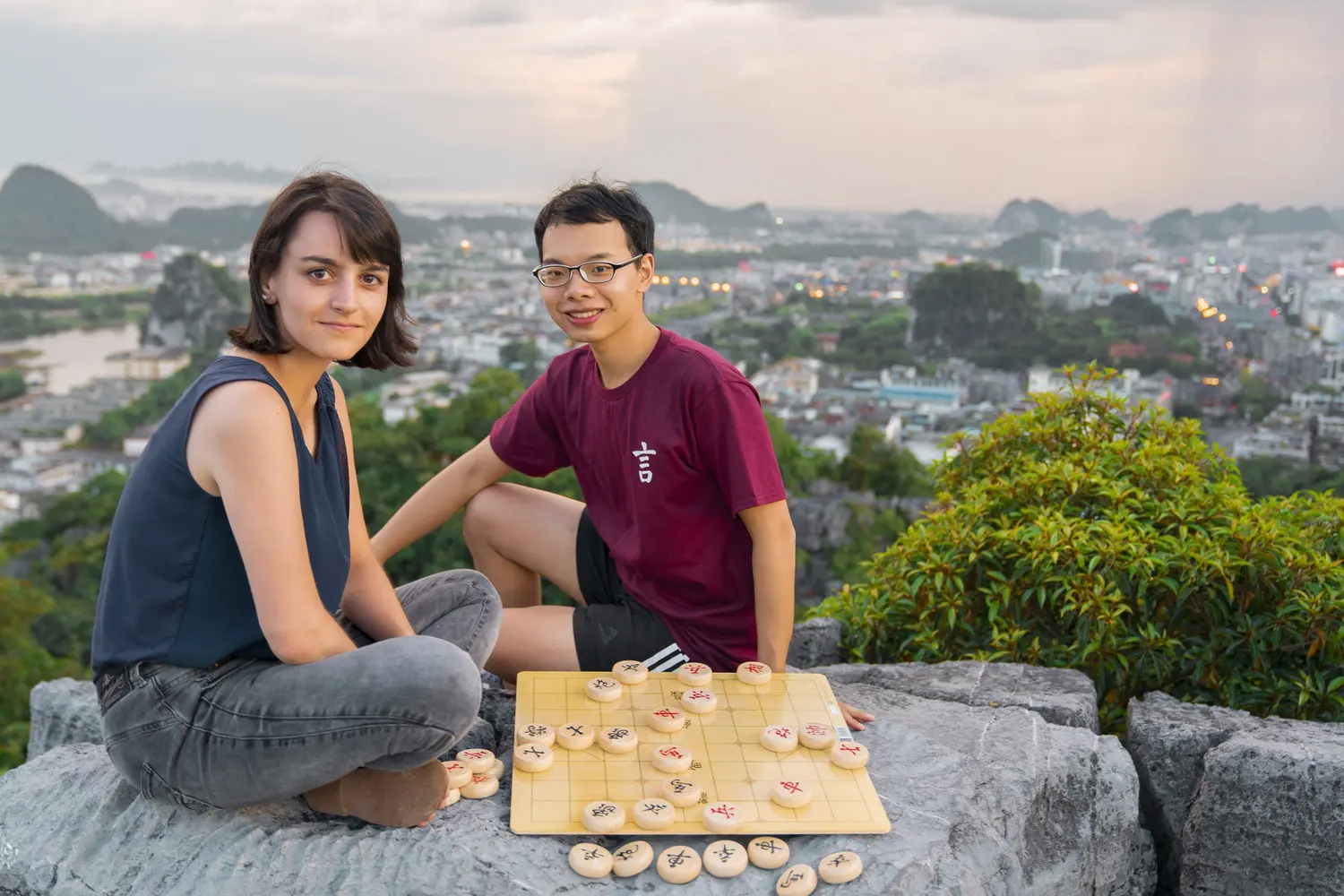
At HSK 2, you can turn core vocabulary into practical everyday conversation. CLI's 1-on-1 online lessons pair you with a native Mandarin speaker who helps you practice grammar, expand vocabulary, and gain confidence speaking.
Free trial lesson available · No commitment required