CLI Immersion Program curriculum
Study with three instructors for 20 hours each week. Together, your dedicated teachers cover reading, writing, speaking, listening, grammar, pronunciation and vocabulary, adjusting your Chinese study plan as your language skills develop.

How the program works
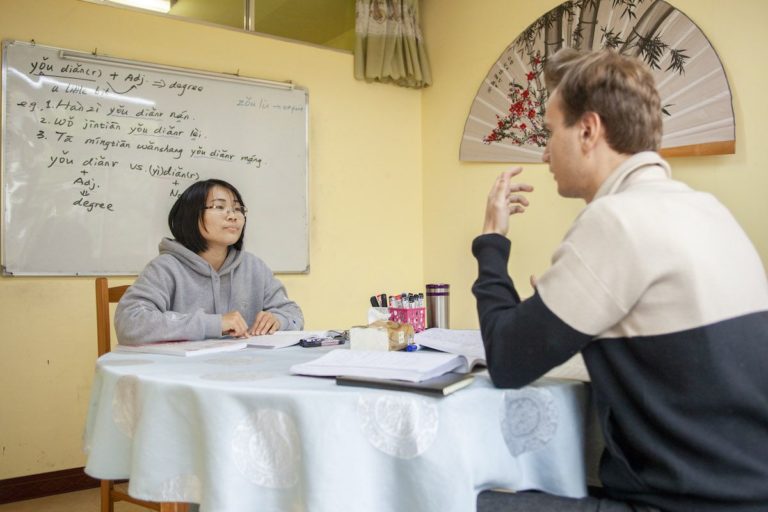
CLI's Immersion Program includes 20 hours of one-on-one Mandarin instruction each week. Your time is divided among three teachers, with each teacher responsible for a different part of your Chinese. Since there are no fixed semesters, you can begin on any Monday and study for any length of time. CLI plans your classes around your current level and goals.
Your teachers use CLI's course syllabi to decide what to cover and in what order. The syllabi provide the structure of a university course, while your one-on-one teachers can change the pace, spend more time on difficult material or move ahead when you are ready.
You have four hours of one-on-one instruction each weekday, divided among your three instructors.
There are no fixed terms or enrollment windows. You choose your start date and the length of your stay.
Each teacher covers a different skill area, so you hear different voices and work with more than one teaching style.
CLI teaches complete beginners as well as students who are already conversationally fluent. Your classes begin at your current level.

The CLI Method
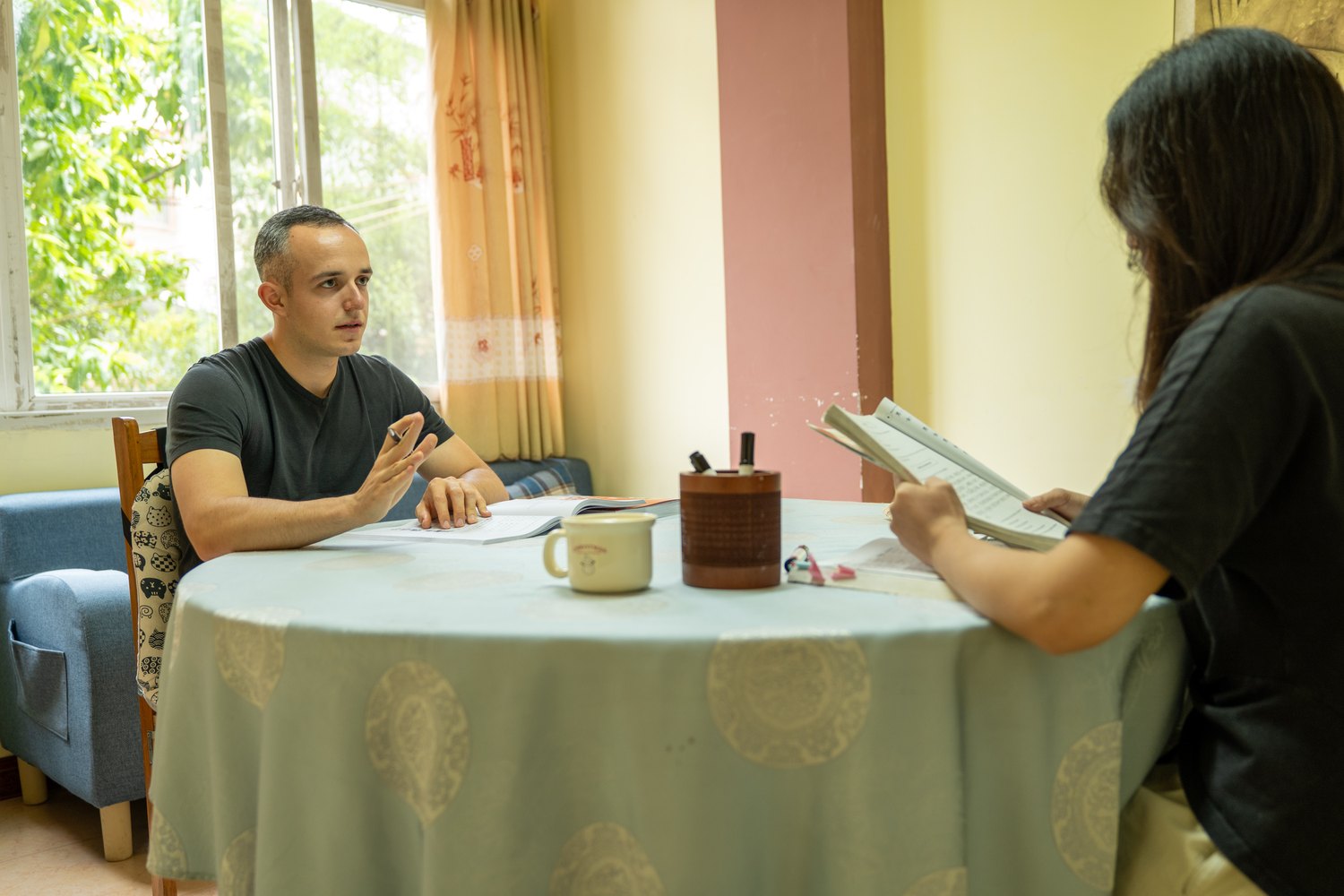
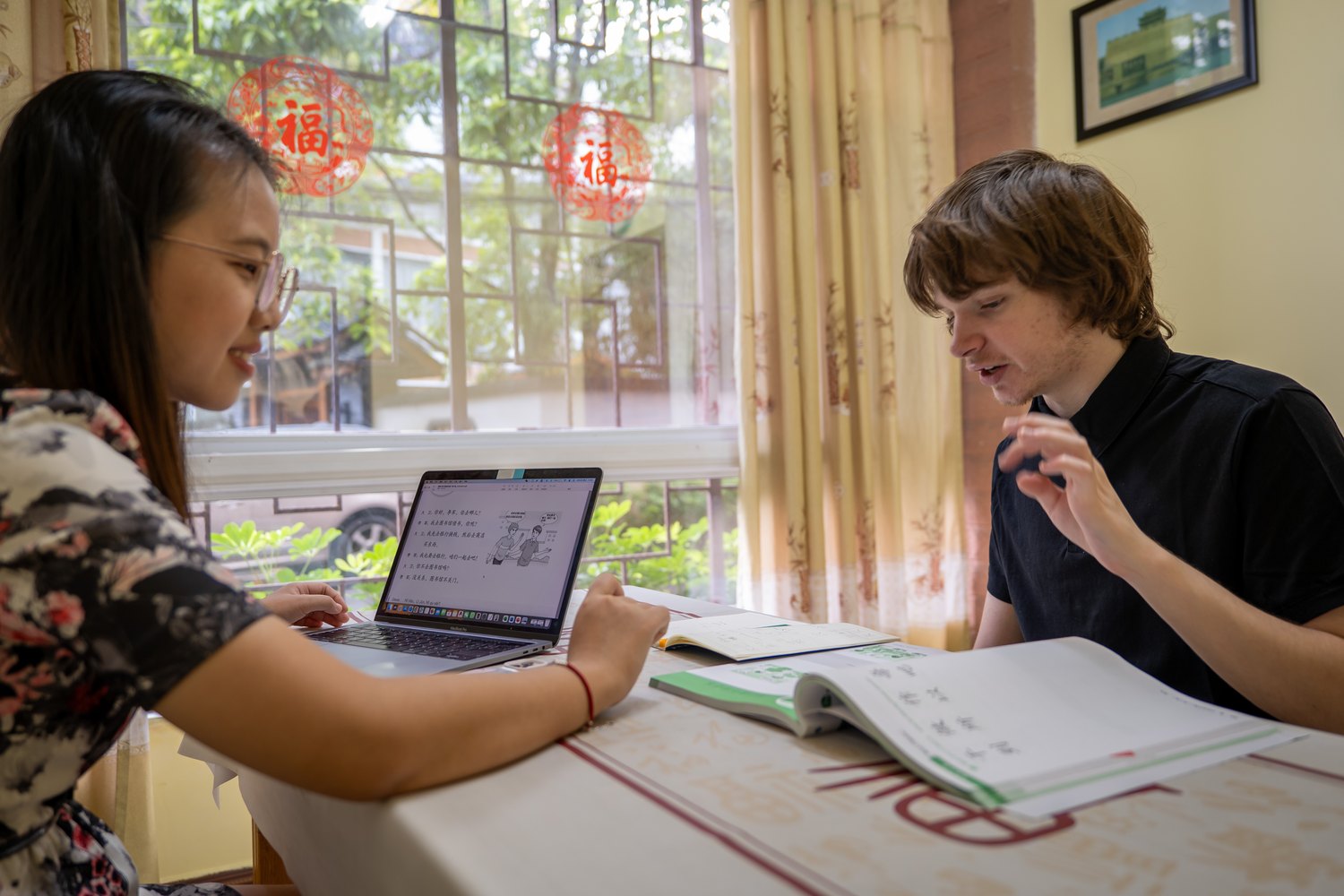
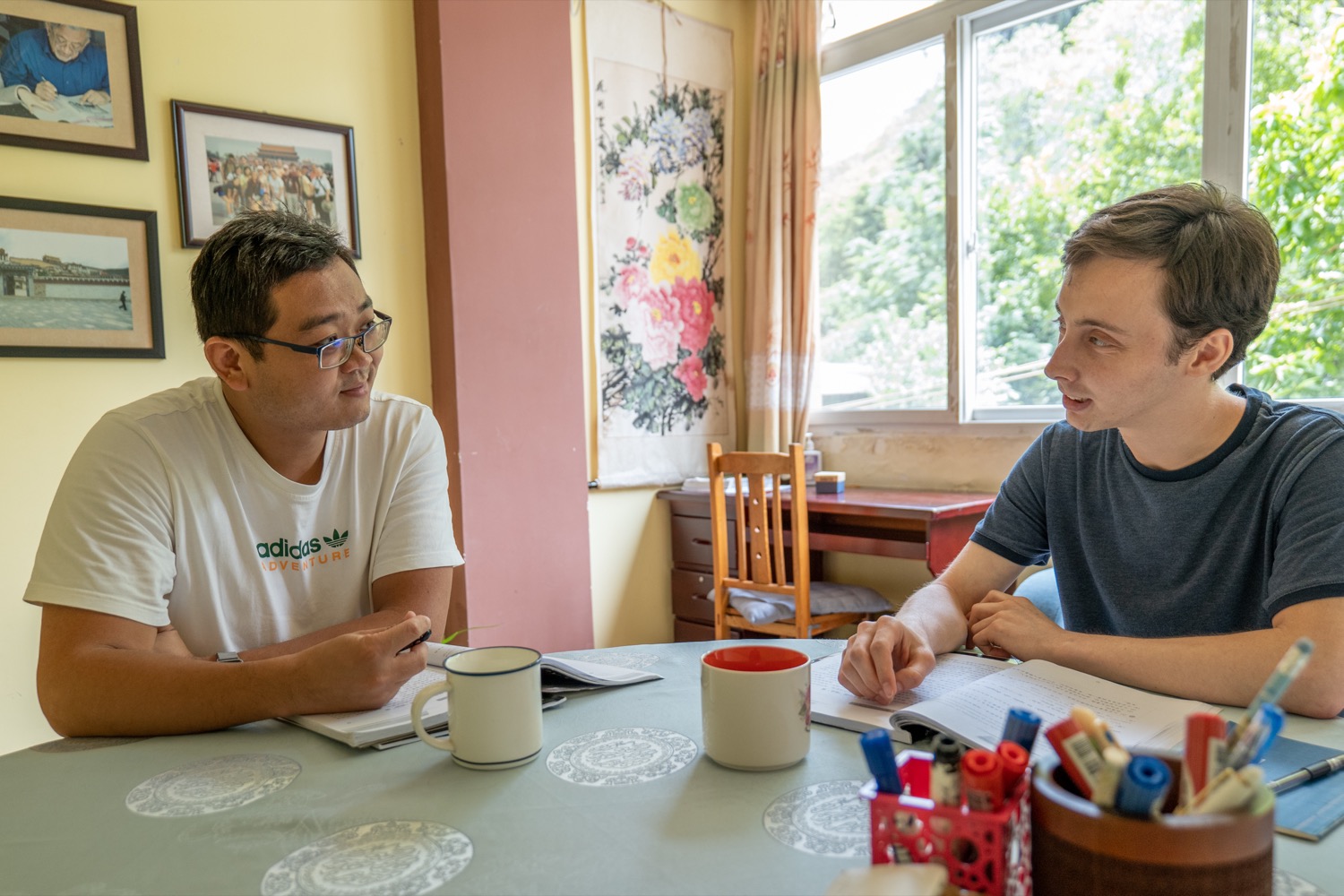
CLI was founded on the view that large classes give each student too little time to speak or ask questions. At CLI, every class is one-on-one, so the lesson can focus on your questions, pronunciation, vocabulary and the areas where you need more practice.
Your 20 weekly hours are divided among three instructors. Each has a different focus:
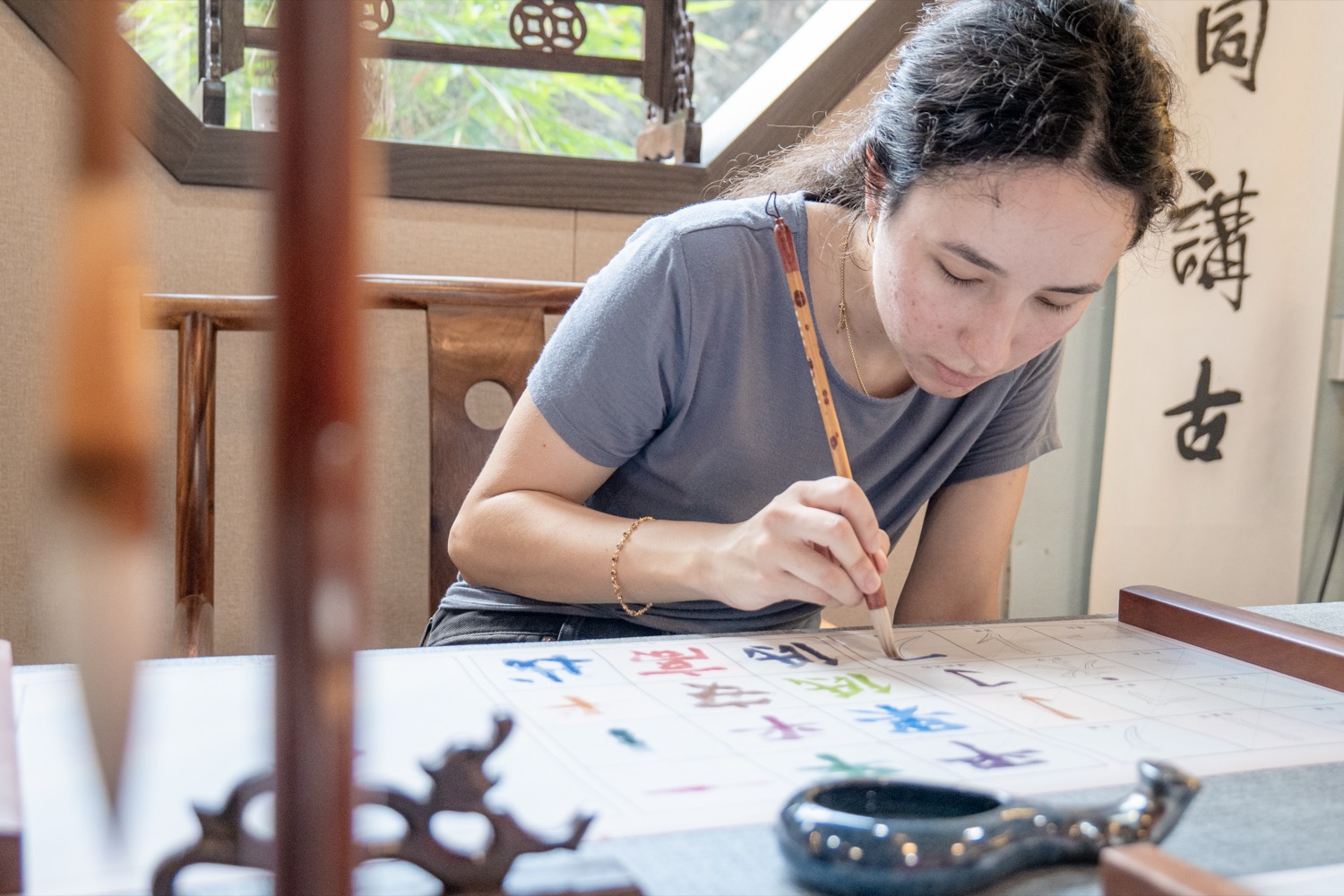
Character recognition, stroke order, reading comprehension, and written composition
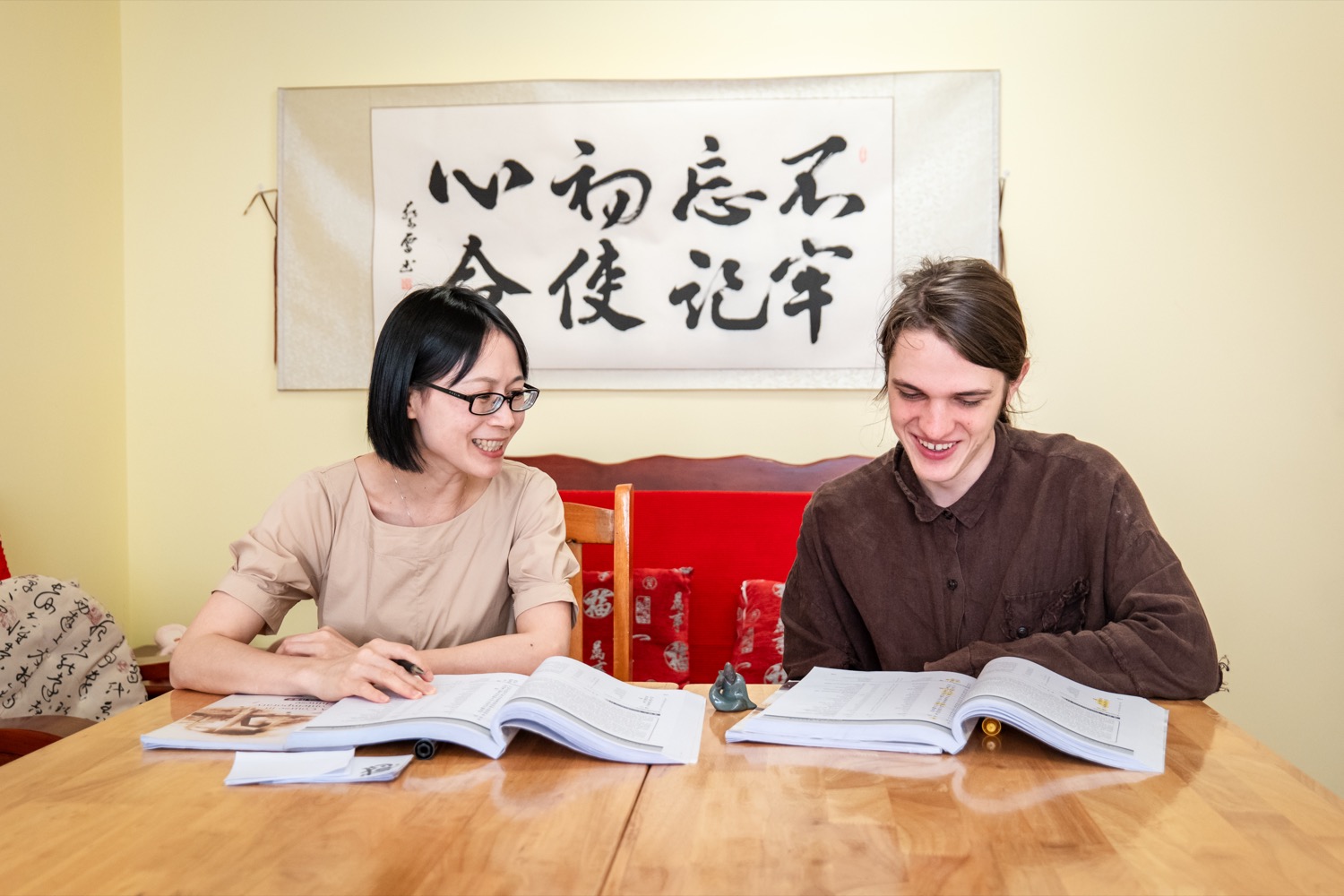
Pronunciation, tones, conversational fluency, and listening comprehension

Grammar, vocabulary, and daily review that ties all components together
Your teachers share information about your progress and plan lessons that connect. Vocabulary introduced in reading class may appear in speaking class as well, while a difficult grammar point can be reviewed with all three teachers.
You can then use that day's vocabulary and grammar in everyday situations around Guilin.
Course levels
The syllabi below list the objectives, vocabulary, grammar and skills covered at each level. Your teachers use them to plan lessons, but they can change the order and pace according to your progress.
Open any level to view the related course syllabi.
This level is for students with little or no previous Chinese. Classes cover pinyin, tones, basic characters, common vocabulary and simple sentence patterns.
This level is for students who already have a working foundation in Chinese. Classes add more complex grammar, a larger vocabulary, longer readings and extended conversations.
This level is for students nearing conversational fluency. Classes work on grammatical accuracy, subject-specific vocabulary and clearer expression in speech and writing.
This level is for students with strong Chinese proficiency who want to use the language for professional or academic work. Courses cover formal writing, academic reading, idioms and communication in different cultural contexts.
Assessment & immersion
Tests are one part of assessment at CLI. Your instructors also pay attention to how well you use the material during class and in everyday conversations.
Your teachers use the results to plan upcoming lessons. If an evaluation shows that listening needs more work, for example, your listening instructor can change the next set of lessons.