

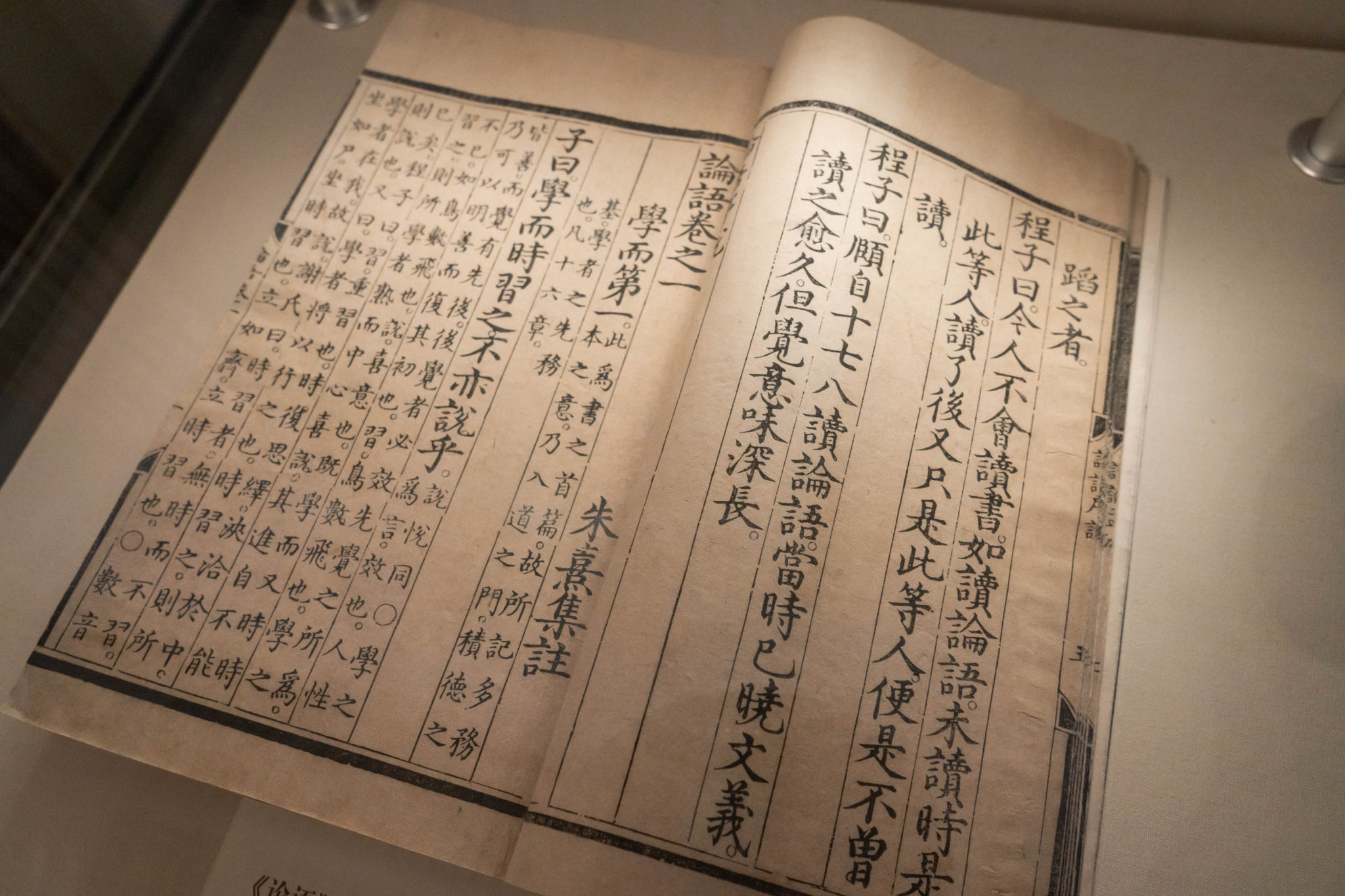
- Chinese characters (汉字 Hànzì) form one of the world's oldest continuously used writing traditions, with the earliest known inscriptions dating to the Shang dynasty more than 3,000 years ago.
- Chinese characters are not random drawings: many are built as semantic-phonetic compounds, combining a meaning clue with a component that historically hints at pronunciation.
- Learning characters does more than improve literacy. It helps learners distinguish homophones, recognize word families, and access the cultural and historical layers embedded in written Chinese.
Chinese Hanzi, or characters, are often considered the most daunting component of the Chinese language. Yet many students eventually find them the most rewarding part to study — a writing system with roots stretching back more than 3,000 years, and one that still shapes how Chinese is read, written, and understood today. For learners wondering where to begin, it also helps to know how many Chinese characters you actually need to learn for real-world reading.
01 What Are Chinese Characters and Why Do They Matter?
For most non-native Chinese speakers, Chinese characters (汉字 Hànzì) look like dense visual symbols that are hard to decode. However, Hanzi are not random drawings. They belong to a structured writing system that developed gradually over centuries and still follows recognizable internal patterns.
It's comforting to realize that all Chinese characters are written using a limited set of basic strokes. Contrary to what some students first assume, these strokes follow consistent rules and can be learned relatively quickly. Mastering them early makes it far easier to remember characters, write them neatly, and notice recurring patterns.
Just as importantly, Chinese characters are not all formed in the same way. Many of the most common ones are semantic-phonetic compounds: one part suggests a broad area of meaning, while another part historically hints at pronunciation. Once learners begin to notice these internal structures, Hanzi start to feel much less mysterious. If you'd like a broader overview, our guide to the different types of Chinese characters explains how these categories fit together.
02 Why Chinese Characters Are Important
Chinese characters matter because they are not just a way of writing sounds. They carry meaning directly. In practical terms, that helps readers distinguish words that may sound identical in speech but represent completely different ideas in writing.
Characters Carry Meaning, Not Just Sound
Chinese writing is fundamentally different from alphabetic systems. In broad terms, each character corresponds to a meaningful unit of the language rather than to a single sound like a letter. This is one reason characters remain so important: they preserve distinctions that would otherwise collapse if everything were written only in romanization.
Characters Help Readers Distinguish Homophones
That matters especially in a language rich in homophones. The pinyin syllable , for example, can point to very different words depending on the character: 龙 means "dragon," while 聋 means "deaf." On the page, characters remove ambiguity immediately.
Characters Open the Door to Real Literacy
Pinyin is indispensable for pronunciation, especially at the beginner stage. But pinyin is a learning tool, not a substitute for literacy. Menus, signs, apps, articles, subtitles, books, and messages in the Chinese-speaking world overwhelmingly rely on characters. Students who invest in Hanzi gain access to the language as it is actually used, including the ability to type Chinese digitally in everyday life.
03 How Chinese Characters Work
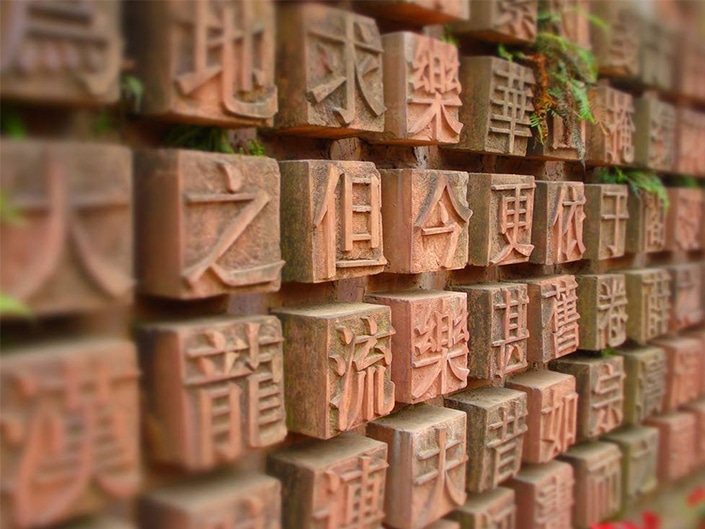
Once you start to break apart the "drawings" that Chinese characters initially appear to be, you begin to notice that many characters share recurring parts. Some of these parts are radicals, which are traditionally used to classify characters in dictionaries and often point toward a broad semantic category. Others function as phonetic components, offering a clue to how a character was historically pronounced.
What Are Chinese Radicals?
For example, the Chinese character for "hand" is 手 (shǒu). A common radical form related to "hand" is 扌. When this component appears in a character, it often signals an action involving the hand. To push is 推 (tuī), to pull is 拉 (lā), to throw is 扔 (rēng), to lift is 提 (tí), and to grab is 抓 (zhuā). Note the 扌radical on the left of each character.
Many learners are told that Chinese has 214 radicals, and that is true in one important sense: 214 is the traditional set used to index characters in many standard dictionaries. However, radicals are better understood as an organizational system than as the sole "building blocks" of every character. Some are very common, while others appear far less often in everyday reading. As your character knowledge grows, using online Chinese dictionaries becomes much easier because radicals and components help you look up unfamiliar forms more efficiently.
How Components Help with Meaning and Pronunciation
Radicals are only part of the story. In many common characters, another component gives a pronunciation clue. These clues are not always perfect in modern Mandarin, since pronunciation has shifted over time, but they still help explain why characters are often more systematic than they first appear.
Thanks to this interplay between structure, meaning, and sound, it is possible for learners with a solid grasp of common components to make educated guesses about unfamiliar characters. That is a powerful skill — and one that grows steadily with exposure.
Once you learn to separate a Chinese character into its various components, the history of the character comes alive. Ancient inscriptions, later script forms, and evolving usage all help explain how written Chinese developed into its modern form.
Gaining this deeper understanding of Chinese characters allows you to attach meaning to what once looked like an arbitrary series of strokes. It also opens a window into Chinese culture — a key component in mastering Chinese. Many students who choose to learn Chinese in China find that an immersive environment accelerates exactly this kind of character intuition.
04 Chinese Characters and Chinese Culture
The importance of Chinese characters is not purely linguistic. Hanzi also preserve a cultural tradition that stretches back to the earliest known Chinese inscriptions on oracle bones from the Shang dynasty. Over time, those early forms evolved into later script styles and ultimately into the characters used today.
A Writing System with Thousands of Years of History
Because the history of Chinese writing extends back more than three millennia, studying characters gives learners direct contact with one of the world's oldest living written traditions. Even modern simplified characters sit within that much longer historical continuum.
Why Chinese Calligraphy Still Matters
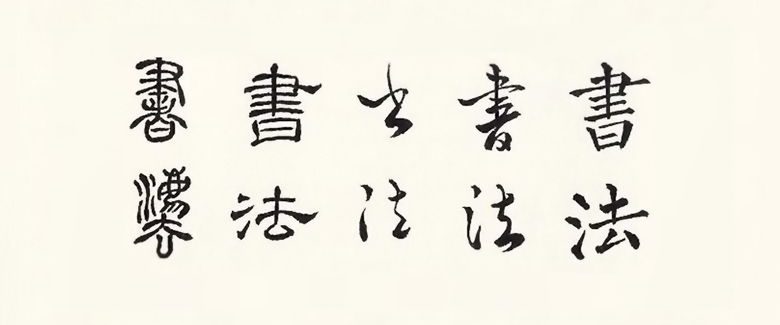
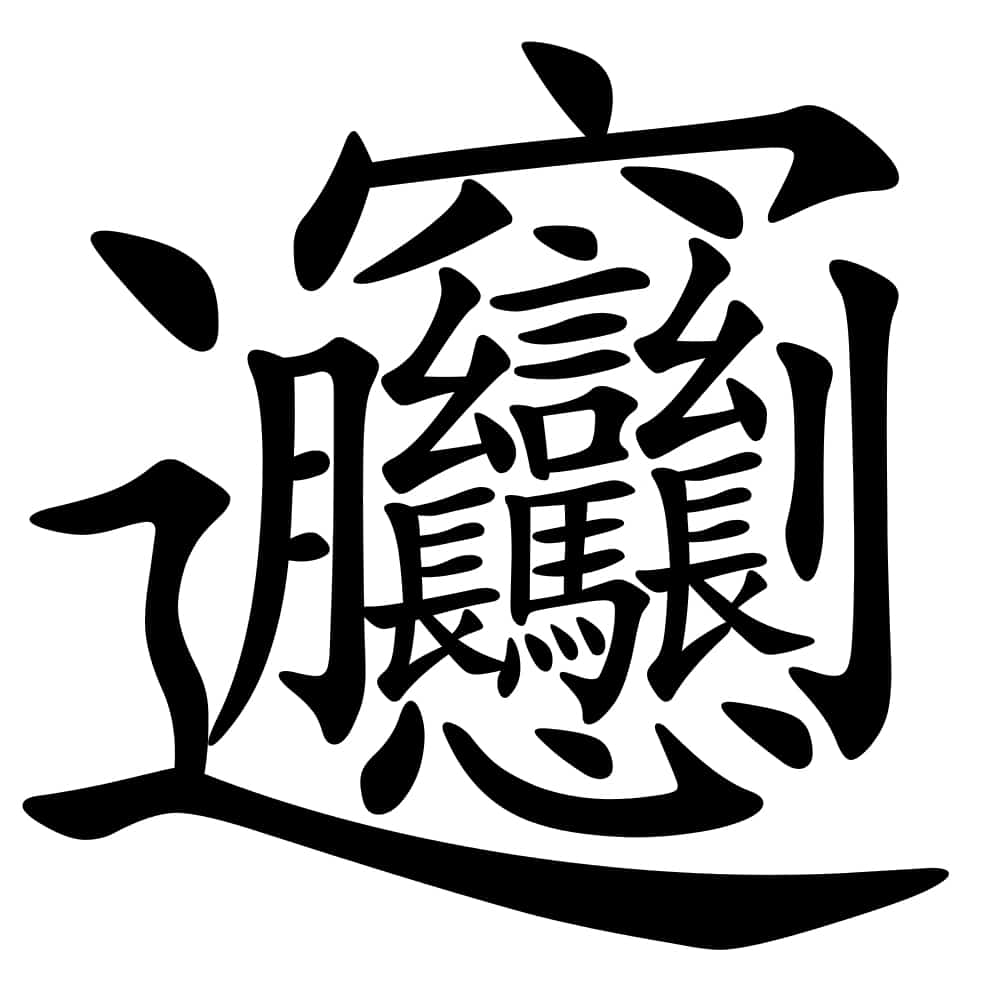
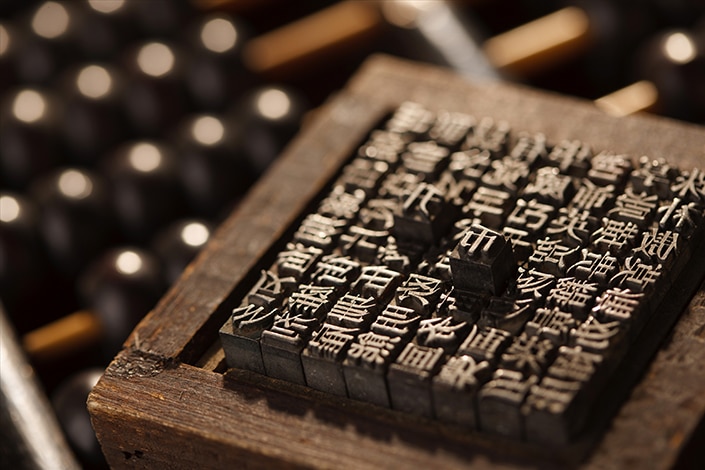
The cultural importance of characters is also visible in Chinese calligraphy. In China, calligraphy has long been treated as more than handwriting. It is an art form, a discipline, and a way of transmitting cultural values through the written word. That is one reason characters continue to carry aesthetic weight even in the digital age.
05 Should You Learn Chinese Characters?
For thousands of years, learning Hanzi was the only way to engage with the written language. Today, learners also benefit from romanization systems like pinyin, which make pronunciation far more approachable in the early stages. If you're wondering how this fits into the bigger picture of Chinese study, our guide on how hard Chinese actually is to learn lays out the full landscape.
Pinyin Is Helpful, but Not Enough
Some students wonder whether they can learn only pinyin and skip characters entirely. For speaking practice, pinyin is enormously useful. But over time, relying on it alone becomes limiting. The more Chinese you learn, the more often different words collapse into the same pinyin spelling, making it harder to build precise vocabulary without the support of characters.
After recognizing the integral role that characters play in the language, 20th-century reformers did not replace them with pinyin. Instead, they focused on simplifying many of the most complex traditional forms.
Why Learning Hanzi Makes Chinese Easier
Characters also improve retention. When learners know a word's sound, tone, meaning, and written form, they have more mental "hooks" to remember it by. Shared components make word families easier to notice, and repeated exposure turns what first felt like memorization into pattern recognition. Pairing Hanzi study with tools like Chinese flashcards can make this process more manageable, especially in the early stages.
Languages don't exist in a vacuum. Understanding the culture from which a language emerged is essential for gaining fluency — and it's also what makes language study so compelling in the first place.
Students who rely on pinyin alone aren't just setting themselves up for confusion with homophones. They're also missing out on a form of cultural understanding that only characters can provide. Learning Chinese Hanzi reveals connections between words and concepts and gives students a window into the historical evolution of the language.
For all these reasons, learning Chinese Hanzi is absolutely worth it!


Learn Chinese with Cultural Context
CLI offers personalized Chinese instruction built around real language and culture. Join our Immersion Program in Guilin or start online with a free Chinese lesson.