

- The Goat is the eighth animal in the 12-year Chinese zodiac cycle, known in Chinese as 生肖 (shēngxiào).
- The Chinese character 羊 (yáng) can refer to a goat, sheep, or ram depending on context.
- People born in Goat years are often associated with creativity, compassion, gentleness, and perseverance.
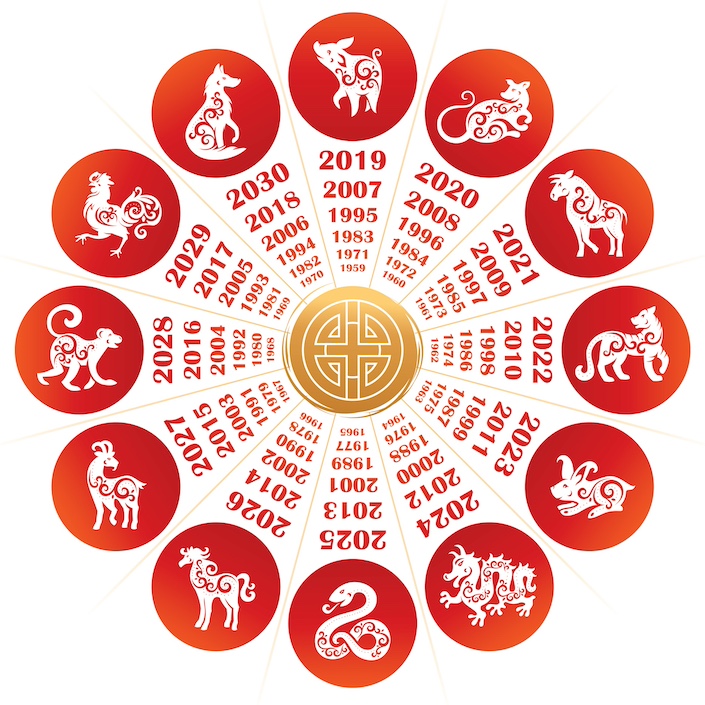
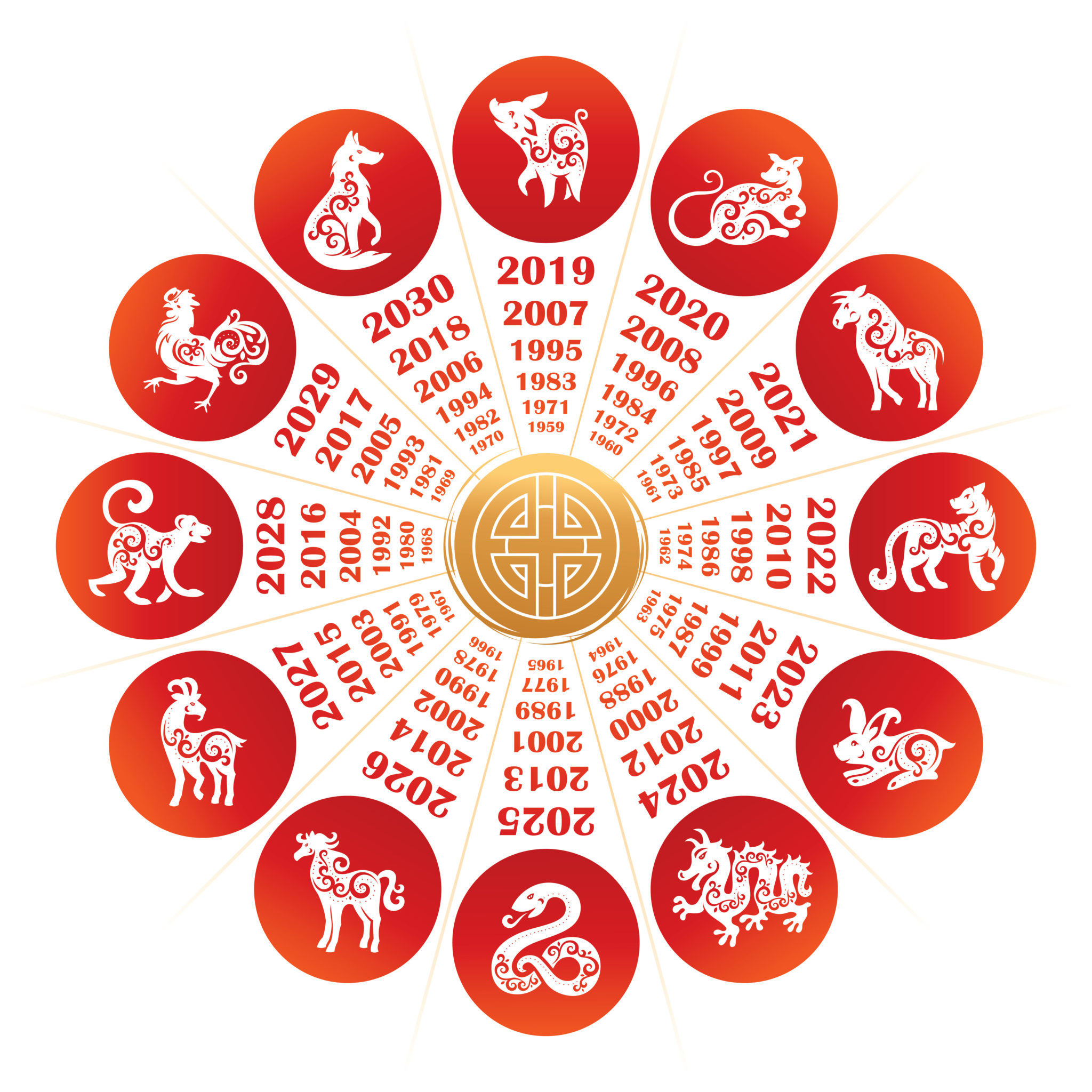
- Goat years include 1931, 1943, 1955, 1967, 1979, 1991, 2003, 2015, and 2027.
- The Goat is connected with auspicious symbolism, artistic energy, harmony, and traditional ideas about luck.
Curious about the Year of the Goat? Known in Chinese as 羊年 (yángnián), the Year of the Goat is one of the most peaceful and creative signs in the Chinese zodiac.
The Goat, sometimes translated as the Sheep or Ram, is the eighth sign in the 12-year zodiac cycle. It is associated with compassion, artistic sensitivity, tranquility, and quiet resilience.
People born in Goat years are often described as gentle, elegant, imaginative, and harmony-seeking. Read on to explore the Goat’s meaning, personality traits, lucky symbols, cultural background, and place in Chinese tradition.
The Chinese zodiac is easier to understand when you also understand the traditional Chinese calendar. Zodiac years are not based on January 1 in the Gregorian calendar, but on the traditional lunisolar calendar used to determine many Chinese holidays and festivals.
For learners, zodiac culture is also a useful gateway into everyday cultural vocabulary. If your goal is to Learn Chinese in China, understanding the zodiac can help you follow real conversations about birthdays, festivals, family customs, and personality traits.
01 What is the Year of the Goat?
The Year of the Goat is one of the 12 repeating years in the Chinese zodiac cycle. In Chinese, this cycle is called 生肖 (shēngxiào), and each year is associated with a symbolic animal.
The 12 zodiac animals, in order, are Rat, Ox, Tiger, Rabbit, Dragon, Snake, Horse, Goat, Monkey, Rooster, Dog, and Pig. The Goat appears eighth in this sequence.
The most recent Year of the Goat was 2015, and the next one runs from Chinese New Year on February 6, 2027, to January 25, 2028. Because the Chinese zodiac follows the traditional calendar, the exact start and end dates of each zodiac year vary on the Gregorian calendar.
| Goat year | Chinese element | Common name |
|---|---|---|
| 1931 | Metal | Metal Goat |
| 1943 | Water | Water Goat |
| 1955 | Wood | Wood Goat |
| 1967 | Fire | Fire Goat |
| 1979 | Earth | Earth Goat |
| 1991 | Metal | Metal Goat |
| 2003 | Water | Water Goat |
| 2015 | Wood | Wood Goat |
| 2027 | Fire | Fire Goat |
The Chinese zodiac is closely tied to the broader system of Heavenly Stems, Earthly Branches, and the Five Elements. This is why each Goat year has a different elemental association, such as Fire Goat or Wood Goat.
Western zodiac vs. Chinese zodiac
The Western zodiac and Chinese zodiac are both divided into 12 parts, but they work very differently. The Western zodiac is linked to constellations and months, while the Chinese zodiac is linked to years in a repeating 12-year cycle.
The Chinese zodiac is also more closely connected with traditional calendars, family customs, New Year celebrations, and folk beliefs about personality and compatibility. This makes it an important part of Chinese cultural life rather than simply a personality system.
02 The Goat in Chinese culture
In Chinese culture, the goat is often seen as gentle, calm, and easy to raise. Because goats were among the earliest domesticated animals, they developed strong symbolic associations with prosperity, nourishment, and good fortune.
The Chinese character 羊 (yáng) also appears in several characters with positive meanings. This has helped give the Goat a deep symbolic role in Chinese language and culture.

Auspicious significance
The character 羊 is related to 祥 (xiáng), meaning auspicious or lucky. In ancient Chinese, these characters were once closely related in sound and meaning.
The Goat also ranks eighth in the zodiac cycle, and the number eight is especially lucky in Chinese culture. You can read more about this symbolism in CLI’s guide to Chinese numerology.

Themes of the Year of the Goat
The Year of the Goat is commonly associated with balance, creativity, and resilience. These themes reflect the Goat’s gentle but persistent energy.
- Nurturing growth and stability: The Goat’s calm nature encourages steady development in relationships, learning, and personal goals.
- Creative flourishing: Goats are often linked with artistic imagination, emotional intelligence, and sensitivity to beauty.
- Resilience and perseverance: Although the Goat is gentle, it is also associated with endurance and quiet determination.
These qualities help explain why the Goat is often viewed as a refined and emotionally intelligent zodiac sign. The Goat’s energy is less about force and more about patience, grace, and long-term growth.

03 Goat, sheep, or ram?
The Chinese word 羊 (yáng) can refer to a goat, sheep, or ram. This is why 羊年 (yángnián) is sometimes translated as the Year of the Goat, Year of the Sheep, or Year of the Ram.
More specific Chinese words can clarify the meaning. For example, 山羊 (shānyáng) means goat, while 绵羊 (miányáng) means sheep.
| Chinese | Pinyin | Meaning | Notes |
|---|---|---|---|
| 羊 | Goat; sheep; ram | General term that depends on context | |
| 羊年 | Year of the Goat | Also translated as Year of the Sheep or Ram | |
| 山羊 | Goat | Literally “mountain sheep/goat” | |
| 绵羊 | Sheep | Refers specifically to sheep | |
| 公羊 | Ram | Male sheep; sometimes used in symbolic readings |
Some people prefer “Ram” because it feels stronger and more forceful than “Sheep.” Others prefer “Goat” because it is now one of the most common English translations for this zodiac sign.
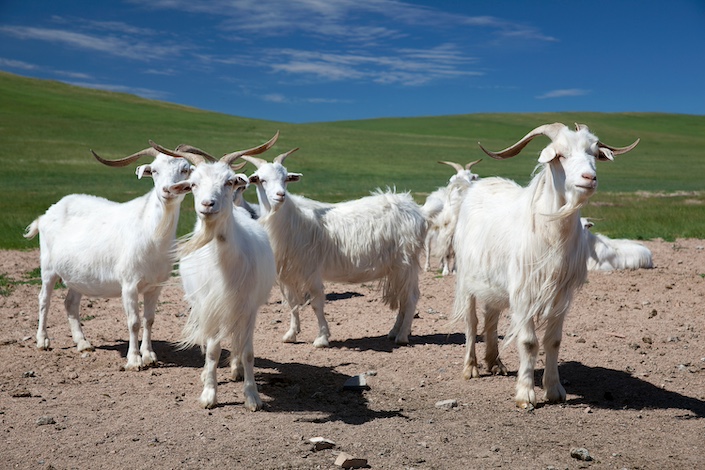
04 What is the Chinese character for Goat?
In both simplified Chinese and traditional Chinese, the character for goat is 羊 (yáng). It is a simple but culturally rich character.
Learning characters like 羊 can also help you notice how meaning is built across the Chinese writing system. CLI’s guide to types of Chinese characters explains how character components can carry sound, meaning, or both.
Significance of 羊
The character 羊 appears in several other characters with positive meanings. For example, 美 (měi) means beautiful, while 祥 (xiáng) means auspicious.
- 美 (měi): beautiful
- 祥 (xiáng): auspicious; lucky
- 善 (shàn): good; virtuous; kind
These characters show how deeply the Goat is connected with beauty, goodness, and auspiciousness in Chinese symbolic thought. They also make 羊 a useful character for learners to recognize early.
Stroke order and writing tips
The character 羊 has six strokes. Practicing correct Chinese stroke order helps make the character balanced and easier to remember.
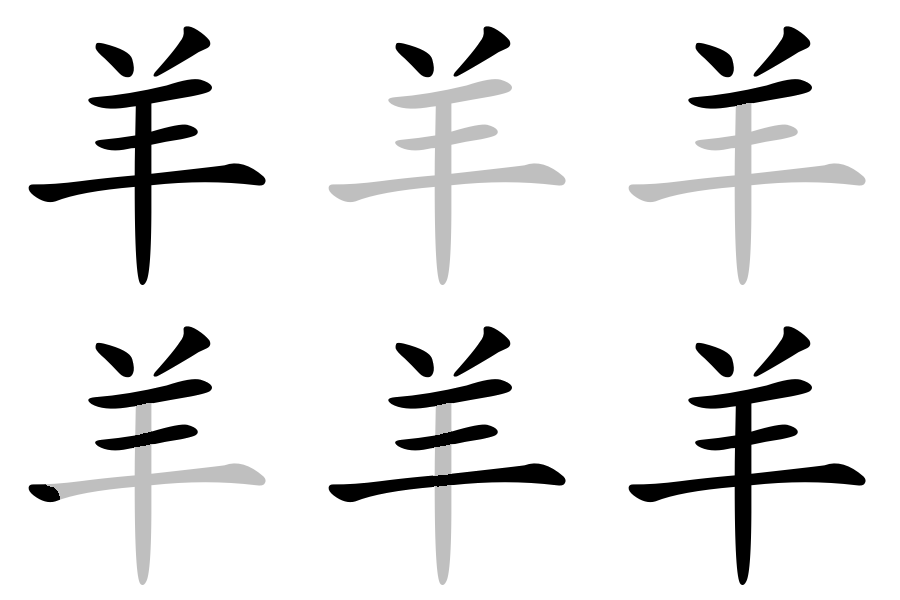
How to pronounce “goat” in Chinese
The word 羊 is pronounced yáng in Mandarin Chinese. It uses the second tone, which rises in pitch.
To practice this sound more carefully, use CLI’s interactive pinyin chart. It can help you compare Mandarin initials, finals, and tones as you build accurate pronunciation habits.
05 Year of the Goat personality traits
People born in the Year of the Goat are traditionally said to be gentle, kind, artistic, and compassionate. They are often described as thoughtful people who care deeply about harmony and emotional connection.
Goats are also associated with taste, elegance, and creativity. Many descriptions of this zodiac sign emphasize artistic expression, empathy, and sensitivity to beauty.
At the same time, Goat personalities are not always passive. Although they may avoid conflict, they can be surprisingly determined when pursuing something meaningful.
- Strengths: creative, compassionate, elegant, patient, loyal, gentle, resilient
- Challenges: sensitive, hesitant, pessimistic, stubborn, easily discouraged
- Core theme: quiet strength expressed through care, creativity, and perseverance

Relationships and compatibility
In traditional zodiac compatibility, people born in the Year of the Goat are said to value loyalty, emotional warmth, and stability. They often need partners who understand their sensitivity while also helping them feel secure.
Goats are often considered compatible with signs such as the Horse, Rabbit, and Pig. More challenging pairings are sometimes said to include the Ox, Rat, or Dog, although these interpretations are part of folk tradition rather than fixed rules.
Compatibility beliefs remain culturally visible in some family discussions, wedding planning, and fortune-telling contexts. They should be understood as traditional symbolism rather than a strict guide to real relationships.

Study Chinese in Guilin or Start Online
CLI offers personalized Chinese instruction built around your goals. Join our Immersion Program in Guilin or begin from anywhere with a free Chinese lesson .
06 Lucky symbols for the Year of the Goat
Like other zodiac signs, the Goat is associated with lucky numbers, colors, flowers, and directions. These symbolic associations are often used in folk culture, decorative design, and zodiac-themed gifts.
They are best understood as traditional cultural beliefs. Many people enjoy them as part of festive symbolism rather than treating them as strict rules.
| Category | Lucky symbols | Meaning |
|---|---|---|
| Lucky numbers | 3, 7 | Associated with good fortune and positive energy |
| Lucky colors | Green, pink, purple | Linked with harmony, creativity, and prosperity |
| Lucky flowers | Carnations, primroses | Associated with beauty, grace, and resilience |
| Lucky directions | North, northwest | Traditionally considered favorable directions |
| Unlucky number | 4 | Often avoided because it sounds similar to “death” in Chinese |
The avoidance of the number four is one of the best-known examples of Chinese number symbolism. This belief also appears in building floors, phone numbers, license plates, and gift-giving customs.

07 Regional traditions and myths surrounding the Goat
The Goat has a long cultural history in China. Different regions have developed their own stories, customs, and symbolic associations around goats and sheep.
These traditions show how zodiac animals can connect with local history, foodways, folklore, and ethnic minority cultures. They also demonstrate why the Chinese zodiac remains part of a much wider cultural system.
Han dynasty goat traditions
During the Han dynasty, a custom sometimes described as “presenting the goat” appeared in the Yellow River Valley. According to legend, maternal relatives would present goats to nephews during the sixth or seventh lunar month.
This custom is linked to the story of Chen Xiang, who rescued his mother from imprisonment beneath Mount Huashan. In the story, the giving of goats became a symbolic act connected with family duty and remembrance.
Tibetan Goat Day
In some Tibetan communities in Qinghai, Goat Day is observed on the sixth and ninth days of each lunar month. Goats are important to daily life because they provide milk, cheese, yogurt, and other essentials.
On these days, people traditionally avoid catching goats. This custom reflects the animal’s practical and symbolic value in local life.

Western China and Inner Mongolia
Among some Kazakh and Mongol communities in western China and Inner Mongolia, goat-related horseback games have been part of festive life. These games combine riding skill, competition, and communal celebration.
Such customs reflect the importance of herding animals in the cultural life of northern and western China. They also show how zodiac animals can connect with real pastoral traditions.

Guangzhou: City of the Goat
Guangzhou, a major city in southern China, is also known as the “City of the Goat.” This nickname comes from a famous legend about five celestial beings who arrived on five goats.
According to the story, the beings brought millet to the people of Guangzhou to help end famine. After they left, the goats turned to stone and became a lasting symbol of the city.
Today, the Five Goats statue in Yuexiu Park remains one of Guangzhou’s most recognizable landmarks. The story is also a reminder that animal symbolism in China often blends mythology, local identity, and historical memory.
08 Famous people born in the Year of the Goat
Many famous people are said to have been born in Goat years. These examples are often used in popular zodiac writing to highlight creativity, elegance, and perseverance.
Two commonly mentioned examples are Steve Jobs, born in 1955, and Zhang Ziyi, born in 1979. Both are associated with creativity, artistry, and major cultural influence in their respective fields.

Of course, zodiac interpretations are symbolic and cultural rather than scientific. Still, they remain a popular way to discuss personality, destiny, and famous lives in Chinese cultural contexts.
09 Year of the Goat vocabulary
The following vocabulary will help you discuss the Year of the Goat, zodiac animals, lucky symbols, and related cultural ideas in Chinese.
| Chinese | Pinyin | Meaning | Notes |
|---|---|---|---|
| 羊 | Goat; sheep; ram | The zodiac animal for the Year of the Goat | |
| 羊年 | Year of the Goat | Also translated as Year of the Sheep or Ram | |
| 山羊 | Goat | Specific word for goat | |
| 绵羊 | Sheep | Specific word for sheep | |
| 生肖 | Chinese zodiac | The 12-animal zodiac cycle | |
| 属羊 | Born in the Year of the Goat | Used when discussing someone’s zodiac sign | |
| 火羊 | Fire Goat | The 2027 Goat year is a Fire Goat year | |
| 温柔 | Gentle; tender | A common Goat personality trait | |
| 善良 | Kind-hearted | Often associated with Goat personalities | |
| 有创造力 | Creative | A common description of the Goat sign | |
| 吉祥 | Auspicious; lucky | Related to the Goat’s symbolic meaning | |
| 幸运色 | Lucky color | Used in zodiac and fortune-telling contexts |
10 FAQ
What years are the Year of the Goat?
Recent and upcoming Goat years include 1931, 1943, 1955, 1967, 1979, 1991, 2003, 2015, and 2027. Exact zodiac-year dates vary because they follow the traditional Chinese calendar.
Is it Year of the Goat, Sheep, or Ram?
All three translations are possible because the Chinese word 羊 (yáng) can refer to a goat, sheep, or ram. “Year of the Goat” is one of the most common English translations.
What is the Chinese character for Goat?
The Chinese character for goat is 羊 (yáng). The same character can also mean sheep or ram depending on context.
What are Goat personality traits?
People born in the Year of the Goat are traditionally associated with creativity, compassion, gentleness, elegance, and perseverance. They may also be described as sensitive or hesitant.
What is the next Year of the Goat?
The next Year of the Goat runs from February 6, 2027 (Chinese New Year) to January 25, 2028. It is commonly described as a Fire Goat year.
11 Final thoughts
The Year of the Goat brings together language, symbolism, zodiac tradition, and regional folklore. Its associations with compassion, creativity, beauty, and quiet strength make it one of the gentler signs in the Chinese zodiac.
For Chinese learners, the Goat is also a useful cultural doorway. Understanding words like 羊, 羊年, 生肖, and 吉祥 can make Chinese zodiac conversations, festival articles, and family customs easier to understand.