

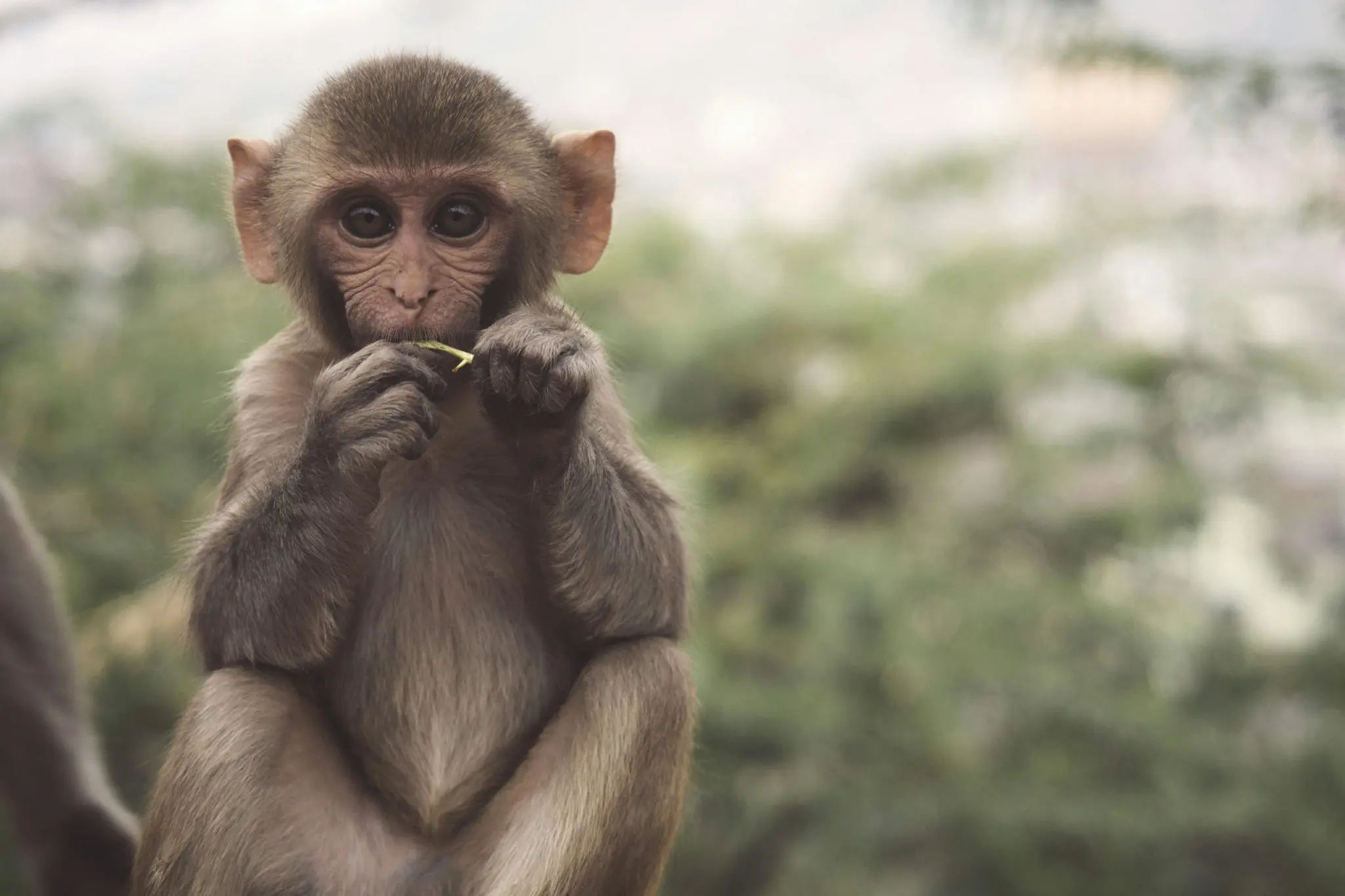
- The Monkey is the ninth animal in the 12-year Chinese zodiac cycle, known in Chinese as 生肖 (shēngxiào).
- The Chinese word for monkey is 猴 (hóu), while the Year of the Monkey is 猴年 (hóunián).
- People born in Monkey years are traditionally associated with cleverness, curiosity, wit, sociability, and initiative.
- Recent Monkey years include 1956, 1968, 1980, 1992, 2004, and 2016.
- The next Year of the Monkey begins on January 26, 2028 and ends on February 12, 2029.
The Chinese zodiac and its 12 animals are an important part of traditional Chinese culture. The Year of the Monkey, known in Chinese as 猴年 (hóunián), is one of the liveliest and most clever signs in the zodiac cycle.
The Monkey is associated with intelligence, wit, curiosity, sociability, and quick thinking. People born under this sign are often described as energetic problem-solvers who enjoy learning, experimenting, and taking initiative.
Like all zodiac years, Monkey years are based on the traditional Chinese calendar, not the Gregorian calendar. This means the exact start and end dates of each Monkey year change from one cycle to the next.
For learners, zodiac culture is a useful way to understand Chinese holidays, greetings, family customs, and everyday references. If your goal is to Learn Chinese in China, the Year of the Monkey offers a fun doorway into both language and culture.
01 When is the Year of the Monkey?
The Chinese zodiac follows a 12-year cycle, with each year assigned to one of 12 animals. The Monkey is the ninth animal in this cycle, after the Goat and before the Rooster.
In Chinese astrology, the year in which a person is born traditionally determines their zodiac sign. People born in Monkey years are said to belong to the Monkey zodiac sign.
Recent Monkey years include 1956, 1968, 1980, 1992, 2004, and 2016. The next Year of the Monkey begins on January 26, 2028 and ends on February 12, 2029.
| Monkey year | Chinese element | Common name |
|---|---|---|
| 1956 | Fire | Fire Monkey |
| 1968 | Earth | Earth Monkey |
| 1980 | Metal | Metal Monkey |
| 1992 | Water | Water Monkey |
| 2004 | Wood | Wood Monkey |
| 2016 | Fire | Fire Monkey |
| 2028 | Earth | Earth Monkey |
If you were born in January or February of a Monkey year, check the exact date of Chinese New Year for your birth year. Zodiac years do not begin on January 1, so early-year birthdays may belong to the previous zodiac sign.

2028: The Year of the Earth Monkey
The year 2028 is the Year of the Monkey and, more precisely, the Year of the Earth Monkey, or 戊申年 (wùshēn nián).
This name comes from the traditional 60-year cycle, which combines the Ten Heavenly Stems with the Twelve Earthly Branches. These combinations are also connected with the Five Elements: Wood, Fire, Earth, Metal, and Water.
In this system, 2028 corresponds to the 戊申 (wùshēn) stem-branch combination. It is therefore commonly described as a Yang Earth Monkey year.
02 The origins of the Year of the Monkey
One of the most famous stories explaining the Chinese zodiac is the Great Race. According to legend, the Jade Emperor declared that the first 12 animals to cross a mighty river would each receive a year in the zodiac cycle.
During the race, the Monkey cooperated with the Rooster and the Goat. The Rooster found or built a raft, while the Goat and Monkey helped carry it to the water and clear obstacles along the way.
With the help of its companions, the Monkey crossed the river and finished in ninth place. This is why the Monkey is the ninth sign in the Chinese zodiac.
The story highlights several qualities traditionally associated with the Monkey: intelligence, flexibility, teamwork, and the ability to solve practical problems quickly.
03 The Monkey in Chinese language and culture
The Chinese word for monkey is 猴 (hóu). The Year of the Monkey is called 猴年 (hóunián).
In Chinese culture, monkeys are often associated with intelligence, agility, mischief, and quick thinking. These qualities make the Monkey one of the most dynamic animals in the zodiac cycle.
The Monkey also has an important place in Chinese literature and popular culture. The most famous example is Sun Wukong, the Monkey King, from the classic novel Journey to the West.
Sun Wukong is clever, rebellious, powerful, and full of personality. His popularity has helped make monkey imagery especially memorable in Chinese storytelling, opera, animation, and popular culture.
To understand more about how symbolic animals and stories appear across Chinese culture, explore CLI’s guide to Chinese literature. Many famous Chinese stories use animals, spirits, and legendary figures to express moral and cultural ideas.
04 Year of the Monkey personality traits
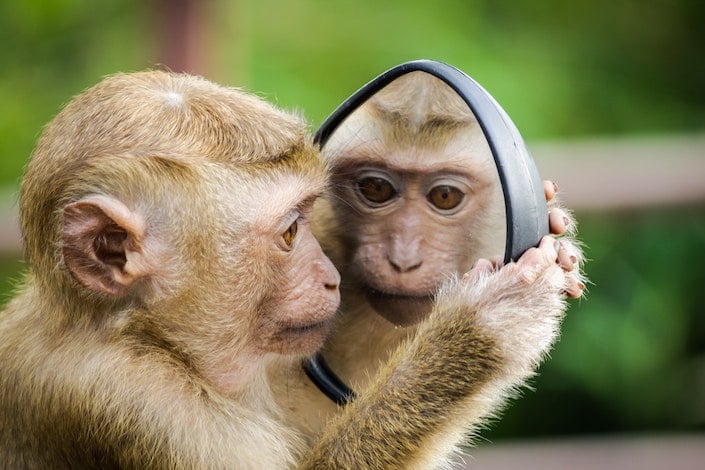
People born under the Monkey zodiac sign are traditionally believed to be natural go-getters. They are often described as people who take initiative and adapt quickly to new situations.
Monkeys are associated with sociability, cleverness, wit, and curiosity. They often enjoy learning, solving problems, entertaining others, and exploring new ideas.
This sign is also linked with creativity and strong intuition. In popular zodiac descriptions, Monkey personalities often excel in artistic, strategic, or mentally stimulating environments.
- Strengths: clever, witty, sociable, curious, intuitive, energetic, adaptable
- Challenges: impulsive, opinionated, stubborn, restless, competitive, easily frustrated
- Core theme: lively intelligence expressed through curiosity, creativity, and action
Like all zodiac signs, the Monkey has both positive and negative associations. Its confidence and quick thinking can become impulsiveness or stubbornness when taken too far.
Some traditional descriptions say that Monkey personalities may become stressed or angry easily. They may also believe strongly in their own views and struggle to accept criticism.
Compatibility with other zodiac signs
In traditional zodiac compatibility, the Monkey is often considered most compatible with the Dragon and the Rat. These signs are said to share the Monkey’s cleverness, energy, and love of discovery.
The Dragon is seen as lively and ambitious, which can match the Monkey’s curiosity and excitement for life. The Rat is witty and resourceful, creating a playful and mentally stimulating match.
The Monkey is often considered less compatible with the Tiger and Pig. These pairings are traditionally seen as more likely to involve competition, misunderstanding, or clashes in lifestyle.
These compatibility beliefs are part of folk tradition rather than fixed rules. They remain culturally visible in matchmaking, family discussions, wedding planning, and zodiac-themed entertainment.

Study Chinese in Guilin or Start Online
CLI offers personalized Chinese instruction built around your goals. Join our Immersion Program in Guilin or begin from anywhere with a free Chinese lesson .
05 The unlucky 本命年: your zodiac birth year
Every Year of the Monkey is a 本命年 (běnmìngnián) for people born under the Monkey zodiac sign. This term roughly means “zodiac birth year” or “natal year.”
A person’s 本命年 occurs every 12 years, whenever the current zodiac year matches the animal sign of their birth year. For Monkey people, the next 本命年 begins in 2028.
Although this may sound lucky, Chinese tradition often treats 本命年 as a challenging year. People are commonly advised to avoid unnecessary risks and major life changes during this period.
Tip one: wear red
One of the most common ways to avoid bad luck during 本命年 is to wear red. Red is an auspicious color in Chinese culture and is believed to repel misfortune.
Some people wear red underwear, red bracelets, red socks, or other red accessories throughout their zodiac year. If you were born in the Year of the Monkey, 2028 will be your next chance to follow this tradition.
Tip two: auspicious jewelry
Another traditional way to protect yourself during 本命年 is to wear auspicious jewelry. Some people choose pendants featuring their zodiac animal, jade, or protective mythical creatures.
Jade is associated with prosperity, success, and protection in Chinese culture. Another popular protective symbol is the 貔貅 (píxiū), a mythical creature believed to repel evil and attract good fortune.
Traditionally, these lucky objects are considered more effective when received as gifts rather than bought for yourself. This belief reflects the social and symbolic importance of gift-giving in Chinese culture.
Red decorations, lucky objects, and protective symbols are especially visible during Chinese New Year. CLI’s guide to hóngbāo explains the cultural meaning of red envelopes and festive gift-giving.
06 Chinese New Year and the Year of the Monkey
Celebrating Chinese New Year is a great way to experience Chinese culture. Zodiac animals play an important role in festive decorations, greetings, paper cuttings, red envelopes, and public displays.
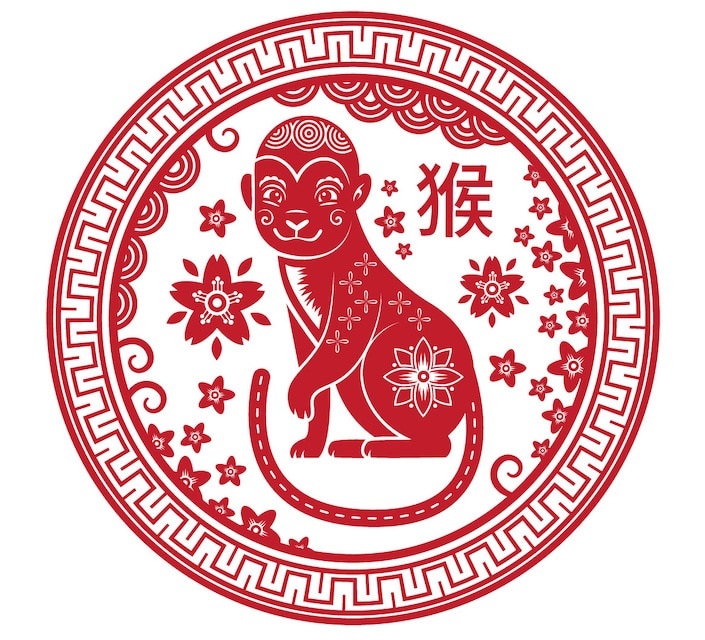
If the upcoming year is the Year of the Monkey, you can expect to see bright red monkey images on decorations throughout China and in many overseas Chinese communities. These images often emphasize the Monkey’s lively and playful character.
Chinese New Year, also called Spring Festival, is traditionally celebrated with family gatherings, festive meals, gifts, and greetings. To understand the wider festival calendar, explore CLI’s guide to Chinese holidays.
You can also prepare for the next Monkey year by learning Chinese New Year traditions, practicing common holiday greetings, or building a structured Chinese study plan.
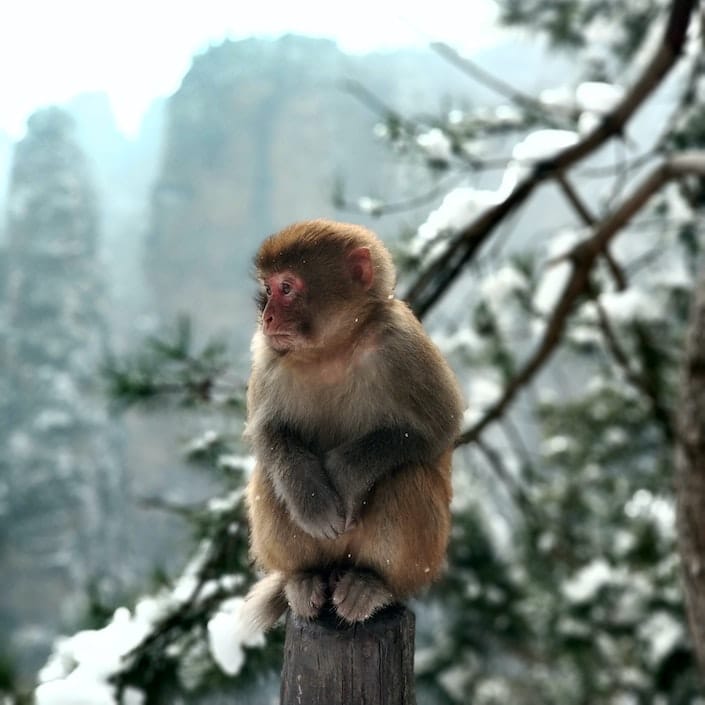
A common New Year greeting for a Monkey year is 猴年大吉 (hóunián dàjí), meaning “great luck in the Year of the Monkey.” You may also hear 新年快乐 (xīnnián kuàilè), meaning “Happy New Year.”
07 Year of the Monkey vocabulary
The following vocabulary will help you discuss the Year of the Monkey, zodiac signs, Chinese New Year, and related cultural ideas in Mandarin.
| Chinese | Pinyin | Meaning | Notes |
|---|---|---|---|
| 猴 | Monkey | The zodiac animal for the Year of the Monkey | |
| 猴年 | Year of the Monkey | The ninth year in the zodiac cycle | |
| 生肖 | Chinese zodiac | The 12-animal zodiac cycle | |
| 属猴 | Born in the Year of the Monkey | Used when discussing someone’s zodiac sign | |
| 本命年 | Zodiac birth year | Occurs every 12 years | |
| 戊申 | Wu-shen stem-branch combination | The traditional designation for 2028 | |
| 土猴 | Earth Monkey | Associated with the 2028 Monkey year | |
| 聪明 | Smart; clever | A common Monkey personality trait | |
| 机智 | Quick-witted | Often associated with Monkey personalities | |
| 好奇 | Curious | A positive Monkey trait | |
| 冲动 | Impulsive | A possible Monkey weakness | |
| 猴年大吉 | Great luck in the Year of the Monkey | Festive New Year greeting |
08 FAQ
What years are the Year of the Monkey?
Recent Monkey years include 1956, 1968, 1980, 1992, 2004, and 2016. The next Year of the Monkey begins on January 26, 2028 and ends on February 12, 2029.
What is the Chinese character for Monkey?
The Chinese character for monkey is 猴 (hóu). The Year of the Monkey is 猴年 (hóunián).
What personality traits are associated with the Monkey?
People born in the Year of the Monkey are traditionally associated with cleverness, wit, curiosity, sociability, adaptability, and initiative. They may also be described as impulsive or stubborn.
What is the next Year of the Monkey?
The next Year of the Monkey begins on January 26, 2028 and ends on February 12, 2029. It is commonly described as an Earth Monkey year.
What does 本命年 mean for people born in the Year of the Monkey?
本命年 (běnmìngnián) means zodiac birth year. For Monkey people, every Monkey year is their 本命年, which traditionally calls for caution and protective customs such as wearing red.
09 Final thoughts
The Year of the Monkey brings together zodiac tradition, clever symbolism, festive customs, and Chinese language. Its associations with wit, curiosity, flexibility, and lively intelligence make it one of the most memorable signs in the Chinese zodiac.
For Chinese learners, the Monkey is also a useful cultural and linguistic symbol. Understanding words like 猴, 猴年, 生肖, and 本命年 can make zodiac conversations, Chinese New Year greetings, and cultural references easier to follow.