Chinese Zodiac Explained: Birth Years, Animals, and Compatibility
 The CLI Team
Learn Chinese in China or on Zoom and gain fluency in Chinese!
Join CLI and learn Chinese with your personal team of Mandarin teachers online or in person at the CLI Center in Guilin, China.

What does your birth year reveal about you? The Chinese zodiac offers insights into personality, compatibility, and tradition—and it’s one of the most accessible entry points into Chinese culture for language learners.
With the passing of each Chinese New Year—the holiday also known as Spring Festival—the year’s zodiac animal advances to the next sign in the 12-year cycle.
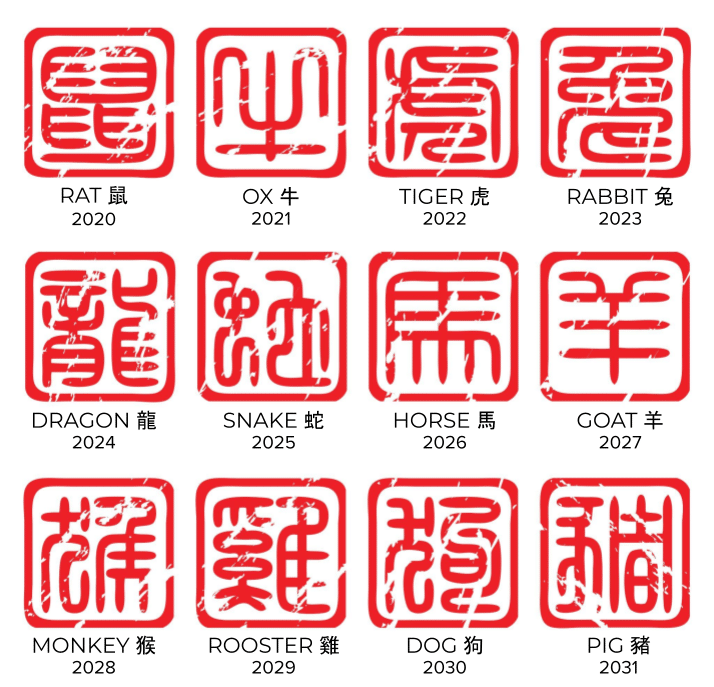
Table of Contents

Related guides:
- Chinese New Year (Spring Festival traditions, foods, and customs)
- The traditional Chinese calendar (lunisolar basics behind zodiac years)
- Year of the Dragon (an example of how a single zodiac year is explained)
- What is Pinyin? (so you can pronounce terms like 生肖 shēngxiào)
- Learn Chinese in China (experience zodiac culture firsthand in Guilin)
Why Learn About the Chinese Zodiac?
Exploring the Chinese zodiac and the personality traits represented by each animal can be a fun and engaging activity for students of the Chinese language—especially when paired with other cultural touchstones like Chinese New Year celebrations.
More importantly, understanding the beliefs and traditions that underpin the zodiac provides insight into the complex and always-fascinating world of Chinese culture.
Overview of the Chinese Zodiac
The Chinese Zodiac is an ancient belief system that many people view as a tool for understanding destiny and life patterns. Following the traditional Chinese lunisolar calendar, this scheme is based on a 12-year cycle in which each new year is represented by one of 12 zodiac animals, called 生肖 (shēngxiào) in Chinese.
Because the zodiac year changes at Chinese New Year (not on January 1), your zodiac sign can depend on your birthday. If you were born in January or early February, double-check the exact New Year date for your birth year using the calendar reference above.
Chinese Zodiac Origin Story (or rather, stories)
Scholars believe the Chinese Zodiac originated during China's Warring States Period (475 BCE to 221 BCE), or 战国时代 (Zhànguó Shídài). However, it wasn’t until the Han Dynasty (202 BCE to 202 CE) that the popularity of the Chinese astrological calendar began to grow.
There are several theories and popular stories explaining the origin of China's zodiac animals. As a result, understanding the tradition's origins can be a bit confusing.
One popular theory posits that the Chinese zodiac originated along Silk Road trade routes. Supporters of this theory say the various animals of the zodiac represent those that were introduced to China by Indian Buddhists.
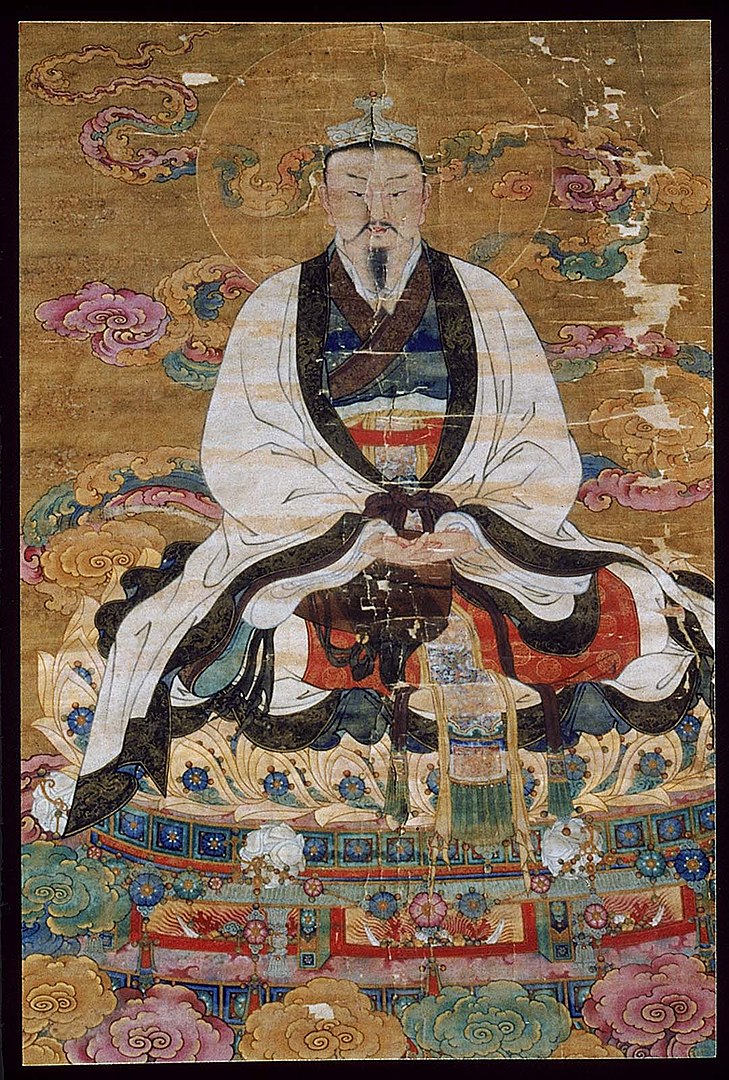
A second, and perhaps more widespread, theory focuses on the legendary Jade Emperor. It's said that he invited all the world’s animals to a banquet, but only 12 turned up. As a result, he decided to honor these 12 animals—now popularly known as the 12 Chinese zodiac animals—by dedicating one year on the Chinese calendar to each.
Yet another origin story claims that Buddha himself called for 12 sacred animals to protect his palace. He thus organized a race to identify the most worthy, selecting the top 12 finishers as his guards. Today, they represent the 12 Chinese zodiac signs.
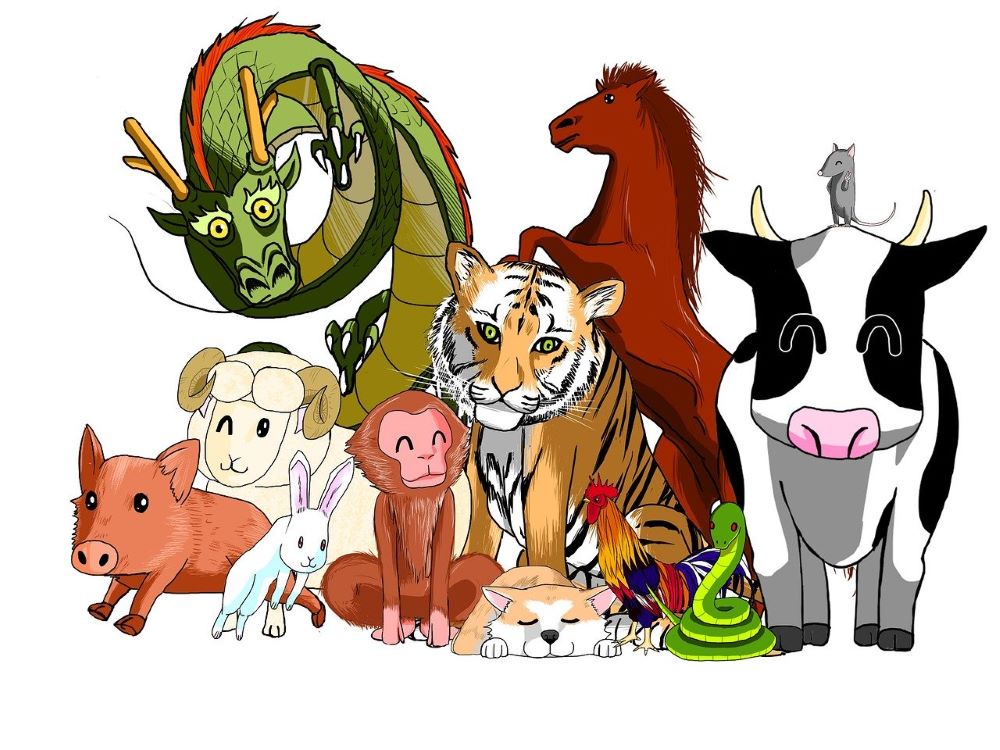
The traditional order of the 12 zodiac animals is as follows:
Check out the following video from our friends at Ted-Ed for a quick overview of one of the myths behind the Chinese zodiac.
An Emphasis on Birth Year, Not Month
Western astrology emphasizes the day and month that a person was born. The Chinese system, by contrast, regards one’s birth year as the most important factor in determining one's fate.
In fact, an individual’s personality, as well as major events that occur in his or her life, are believed to be influenced by the traits of the zodiac animal associated with the year of his or her birth.
The Five Elements of the Chinese Zodiac
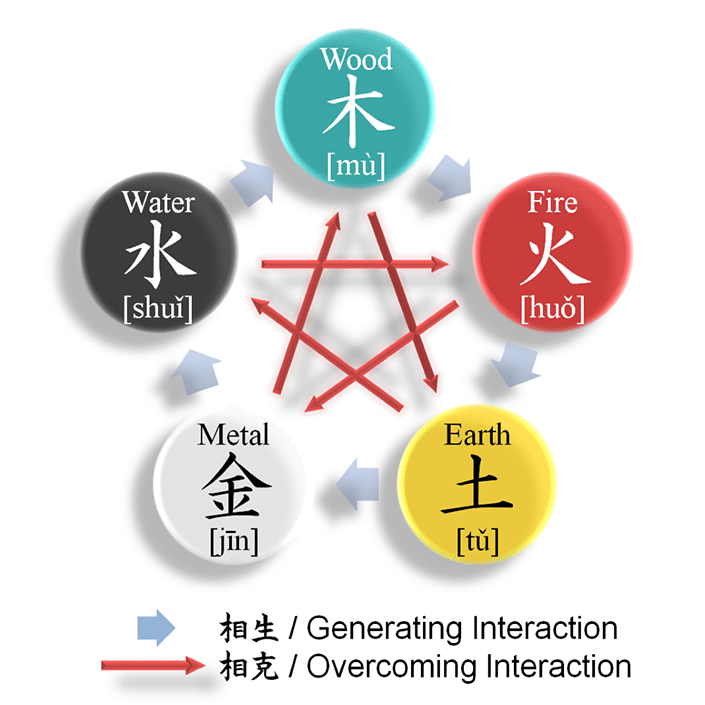
An equally significant but less widespread belief is that each lunisolar year is also accompanied by one of five elements: wood, fire, earth, metal, and water.
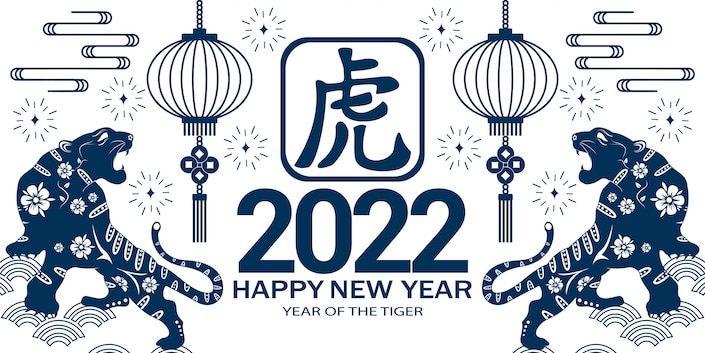
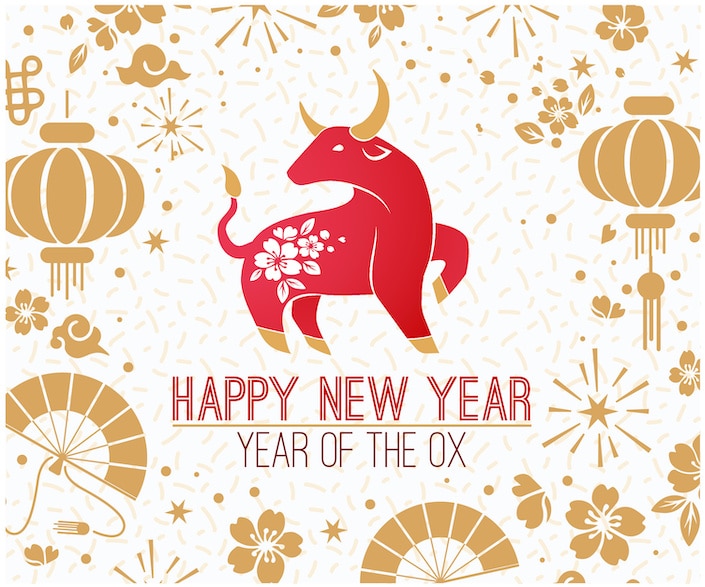
In accordance with traditional Chinese philosophy, these five elements are also affected by the delicate balance of Yin and Yang. For example, 2021 is both the Year of the Ox and Yin Metal, while 2022 is the Year of the Tiger and Yang Water.
- Wood symbolizes warmth, elegance, sensitivity, and generosity
- Fire symbolizes decisiveness, innovativeness, dynamism, and joy
- Earth symbolizes honesty, prudence, and hard work
- Metal symbolizes independence, ambition, and strength
- Water symbolizes flexibility, diplomacy, kindness, and persuasiveness
Find Your Chinese Zodiac Animal
To identify your own Chinese zodiac sign, match your birth year with its corresponding zodiac animal. Doing so can also help you determine the element that matches your zodiac year. (If you were born in January or early February, remember to double-check whether Chinese New Year had already occurred that year.)
| Zodiac Animal | Element | Recent Years |
|---|---|---|
| Rat, 鼠, shǔ | Water, 水, shuǐ | 1936, 1948, 1960, 1972, 1984, 1996, 2008, 2020 |
| Ox, 牛, niú | Earth, 土, tǔ | 1937, 1949, 1961, 1973, 1985, 1997, 2009, 2021 |
| Tiger, 虎, hǔ | Wood, 木, mù | 1938, 1950, 1962, 1974, 1986, 1998, 2010, 2022 |
| Rabbit, 兔, tù | Wood, 木, mù | 1939, 1951, 1963, 1975, 1987, 1999, 2011, 2023 |
| Dragon, 龙, lóng | Earth, 土, tǔ | 1940, 1952, 1964, 1976, 1988, 2000, 2012, 2024 |
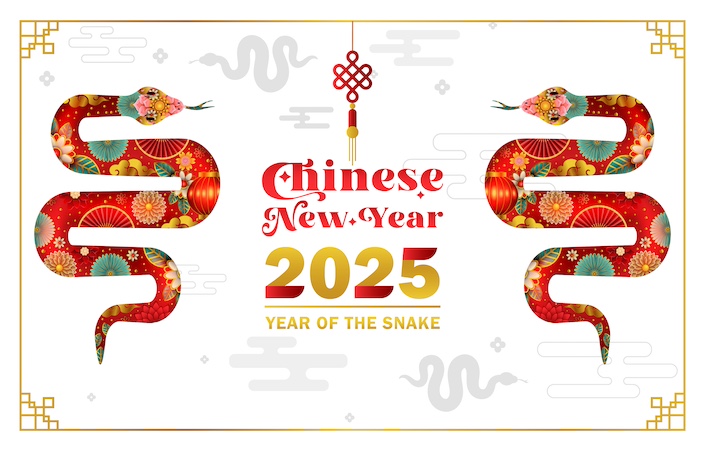
| Snake, 蛇, shé | Fire, 火, huǒ | 1941, 1953, 1965, 1977, 1989, 2001, 2013, 2025 |
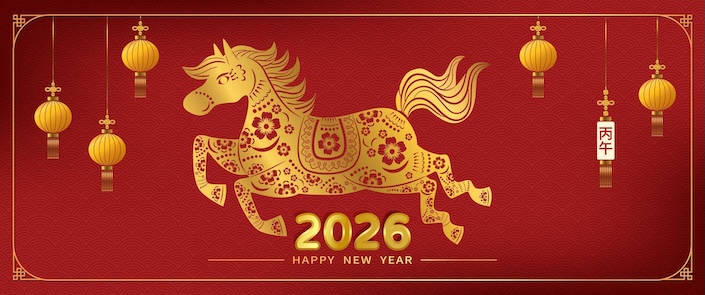
| Horse, 马, mǎ | Fire, 火, huǒ | 1942, 1954, 1966, 1978, 1990, 2002, 2014, 2026 |
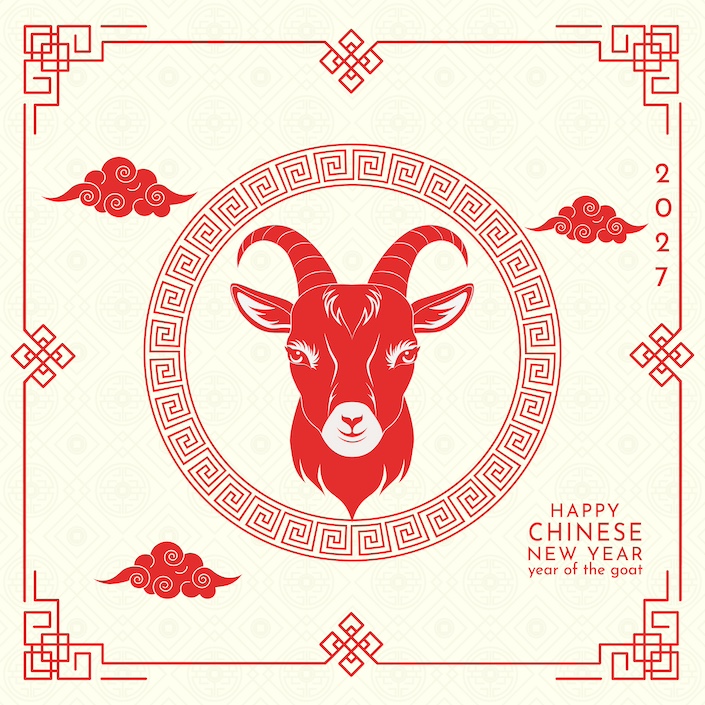
| Ram, 羊, yáng | Earth, 土, tǔ | 1943, 1955, 1967, 1979, 1991, 2003, 2015, 2027 |
| Monkey, 猴, hóu | Metal, 金, jīn | 1944, 1956, 1968, 1980, 1992, 2004, 2016, 2028 |
| Rooster, 鸡, jī | Metal, 金, jīn | 1945, 1957, 1969, 1981, 1993, 2005, 2017, 2029 |
| Dog, 狗, gǒu | Earth, 土, tǔ | 1946, 1958, 1970, 1982, 1994, 2006, 2018, 2030 |
| Pig, 猪, zhū | Water, 水, shuǐ | 1947, 1959, 1971, 1983, 1995, 2007, 2019, 2031 |
The Chinese Zodiac and Interpersonal Compatibility
Fortune-tellers have used the Chinese zodiac for centuries to determine the fate and fortune of countless commoners and emperors alike.
These predictions also extend to relationships. Many people use zodiac animals to estimate compatibility, believing that certain signs “fit” better together than others. If you’ve heard someone mention their 本命年 (běnmìngnián)—their own zodiac year—they’re usually referencing zodiac beliefs in everyday life (and sometimes related customs like wearing red for good luck).
The Personality Traits of China's 12 Zodiac Animals
People in China often also believe that each of the 12 Chinese zodiac animals possess both favorable and unfavorable traits. In the realm of the Chinese zodiac, those born in a year corresponding to a given animal are believed to share these traits.
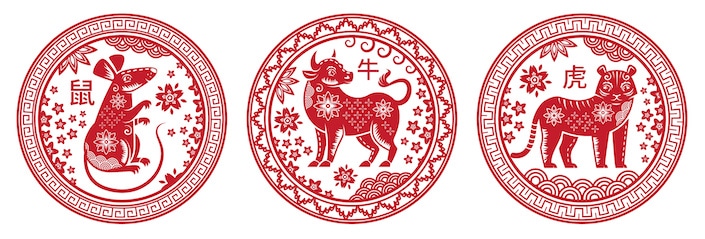
1. Rat
Positive traits: The rat is believed to be smart and curious. Other positive traits associated with the animal include cleverness, persuasiveness, and generosity.
Negative traits: The rat zodiac sign is also associated with individuals who are uptight and monotonous.
Compatibility: People born in the Year of the Rat are believed to be more compatible with those born in the Year of the Monkey and Dragon.
2. Ox
Positive traits: Reliability, protectiveness, and goal-orientation.
Negative traits: Private, stubborn, and prone to holding grudges.
Compatibility: Often said to pair well with Rooster and Snake.
3. Tiger
Positive traits: Bravery, leadership, and warmth.
Negative traits: Moody and hot-tempered at times.
Compatibility: Often said to be more compatible with Dog and Horse.
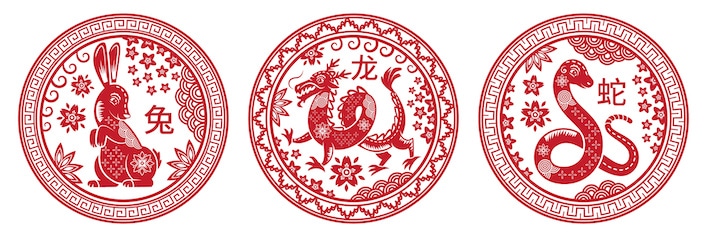
4. Rabbit
Positive traits: Kindness, sensitivity, compassion, and popularity.
Negative traits: Can struggle with confrontation.
Compatibility: Often paired with Goat and Pig.
5. Dragon
Positive traits: Leadership, power, charisma, and good fortune—associations that connect to the broader symbolism of Chinese dragons in mythology.
Negative traits: Can be self-centered at times.
Compatibility: Often paired with Rat and Snake.
6. Snake
Positive traits: Analytical, sharp, and often described as financially savvy.
Negative traits: Distrustful, jealous, and insecure at times.
Compatibility: Often paired with Ox and Rooster.
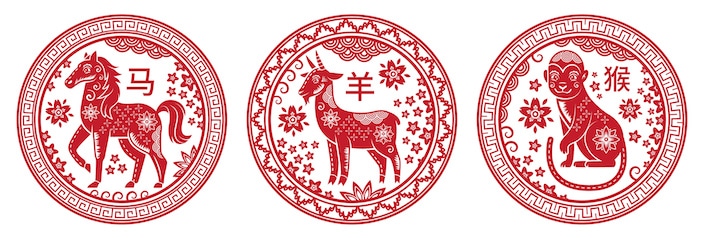
7. Horse
Positive traits: Energetic, independent, and travel-loving.
Negative traits: Can be impatient.
Compatibility: Often paired with Tiger and Dog.
8. Goat
Positive traits: Supportive, creative, and gentle.
Negative traits: Can be disorganized or unrealistic.
Compatibility: Often paired with Rabbit and Pig.
9. Monkey
Positive traits: Cheerful, energetic, and a good listener.
Negative traits: Often portrayed as commitment-averse.
Compatibility: Often paired with Rat and Dragon.
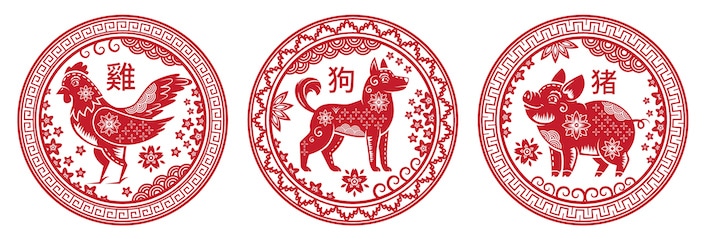
10. Rooster
Positive traits: Honest, direct, practical, and detail-oriented.
Negative traits: Can be materialistic.
Compatibility: Often paired with Ox and Snake.
11. Dog
Positive traits: Loyal, honest, and attentive.
Negative traits: Can be judgmental or emotionally insecure.
Compatibility: Often paired with Horse and Tiger.
12. Pig
Positive traits: Polite, intelligent, and tasteful.
Negative traits: Can struggle with tough decisions.
Compatibility: Often paired with Goat and Rabbit.
The Chinese Zodiac Clock
Sometimes, people compare zodiac animal signs based on their positions on the zodiac clock, where the 12 zodiac signs represent different hours of the clock and different months of the year. In this system, some believe that animals that are four hours apart are more compatible than those that are six hours apart.
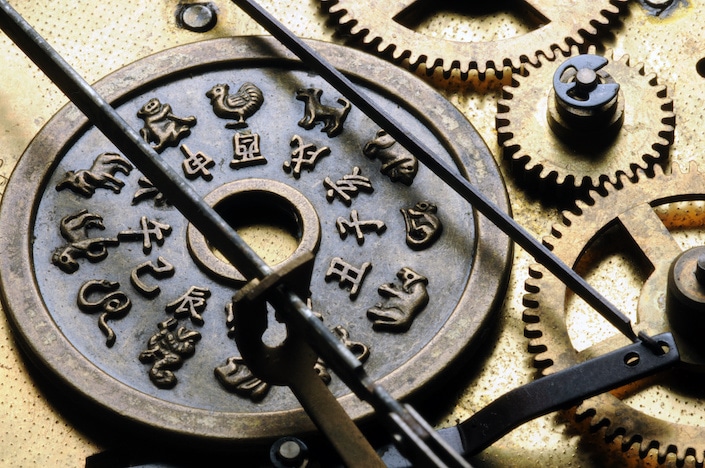
The Chinese zodiac clock system divides our 24-hour day into 12 windows, assigning a zodiac animal to each:
- 11:00 PM to 1:00 AM — Hour of the Rat
- 1:00 AM to 3:00 AM — Hour of the Ox
- 3:00 AM to 5:00 AM — Hour of the Tiger
- 5:00 AM to 7:00 AM — Hour of the Rabbit
- 7:00 AM to 9:00 AM — Hour of the Dragon
- 9:00 AM to 11:00 AM — Hour of the Snake
- 11:00 AM to 1:00 PM — Hour of the Horse
- 1:00 PM to 3:00 PM — Hour of the Goat
- 3:00 PM to 5:00 PM — Hour of the Monkey
- 5:00 PM to 7:00 PM — Hour of the Rooster
- 7:00 PM to 9:00 PM — Hour of the Dog
- 9:00 PM to 11:00 PM — Hour of the Pig
For instance, some say rats are most compatible with other rats, monkeys (four hours ahead), and dragons (eight hours ahead), and least compatible with rabbits and horses.
The Legend Lives On
Modern China maintains a direct link with several thousand years of cultural development. As a result, many cultural gems have been passed down through the ages and continue to thrive to this day. The Chinese zodiac tradition is one of these wonders.
We hope you enjoyed our guide to the Chinese zodiac and will consider joining us one day in Guilin to learn the Chinese language with CLI as your guide. In the meantime, keep studying, keep growing.

The Chinese Language Institute (CLI) is a center for Chinese language and cultural studies based in Guilin, China. Founded in 2009, CLI has hosted over 5,000 students from more than 50 countries and maintains a 4.95 out of 5.00 rating on GoOverseas. CLI's team includes Chinese language educators, program managers, and China specialists holding advanced degrees in Chinese studies, teaching Chinese as a foreign language, education, and related fields. Articles published under The CLI Team draw on the collective expertise of this group, informed by years of experience designing and delivering Chinese language immersion programs in Guilin and across China.