36,000 hours of one-on-one Chinese lessons, with students from 35 countries, in Guilin and online.
In 2025 our teachers taught more than 36,000 hours of one-on-one Chinese. About 23,000 of those hours were in person at the CLI Center in Guilin, and 13,000 were online. Our students came from at least 35 countries.
2025 was also our 17th year. Thank you to every student, teacher, team member and pengyou (péngyou 朋友, "friend") who was part of it. Here's a look back.
Since 2009, students from more than 50 countries have studied with us in Guilin. In 2025 they came from at least 35, on six continents.
Some stayed two weeks and some stayed six months. We had university students earning college credit, professionals on sabbatical, retirees who had wanted to do this for years, and heritage speakers who grew up hearing Chinese at home. Here's where everyone came from:

This was my second time studying at the Chinese Language Institute (CLI) in Guilin… I fell in love with Guilin and CLI’s immersive approach to learning Chinese.
… Three times a week, I had a listening and speaking class with an excellent teacher… A simple comment I made could turn into an in-depth discussion, and new vocabulary was reinforced through fun oral quizzes in later classes.
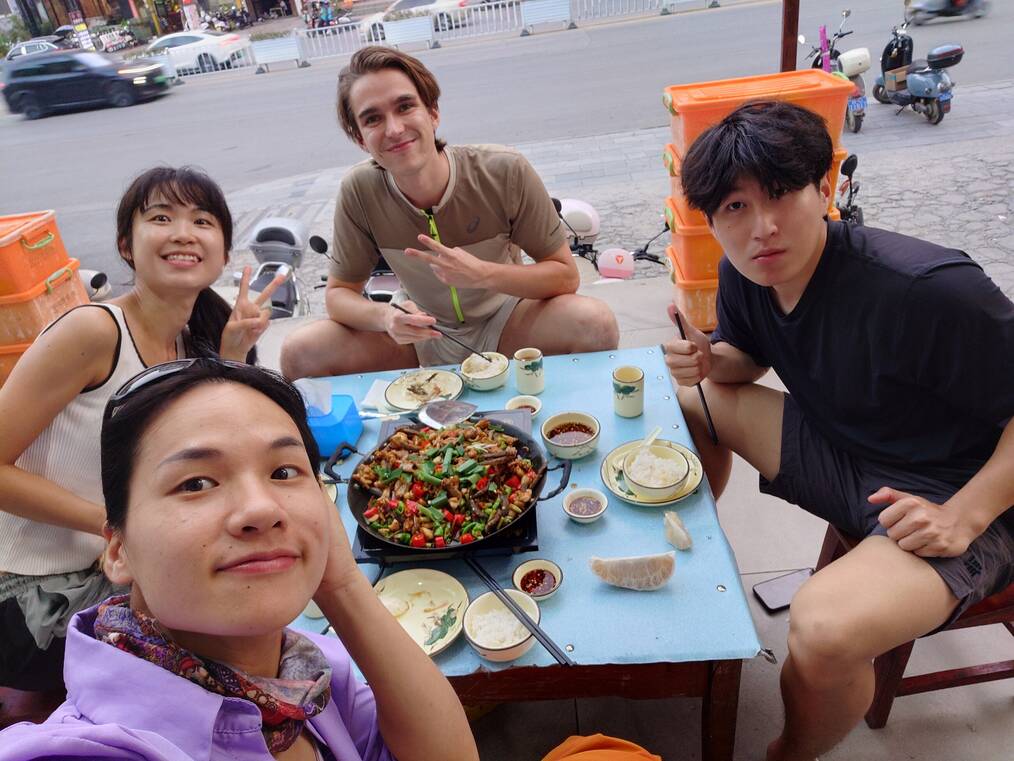
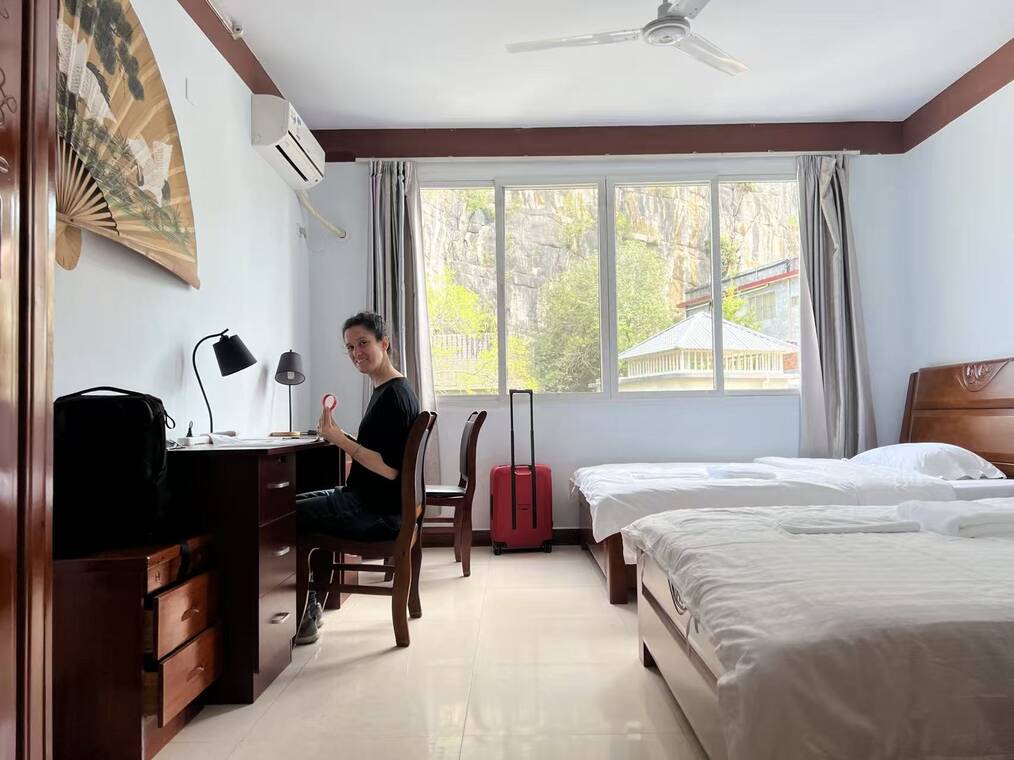
I was then studying in Hong Kong for an exchange semester of my Master Degree. With a friend we decided to visit Guilin for a couple of days. He had done a 6 week course at CLI before, so after hearing his experiences and a quick visit at the school, I spontaneously decided to extend my stay in Guilin for two weeks… I will come again as soon as possible!
…I was surprised at how much my Chinese improved in such a short time… my three teachers really knew how to adapt the lessons to what I needed most… they clearly communicated amongst themselves outside of class to make it a coherent approach.
… It wasn’t just about studying—it felt like living the language.

I was surprised by how many students lived in Beijing, Shanghai or Hong Kong but came to CLI for language immersion. Big international cities don’t force you to practice like you have to making your way around a small city like Guilin.
Many students had also been to CLI before and were back for another session.
Whether it was grabbing 米粉 after class, hiking up mountains, or just sharing experiences, those moments made Guilin feel like home…
CLI gave me more than language skills. It gave me memories and relationships I’ll carry with me for the rest of my life.

I did a six-week homestay; this was my first visit to China… during my stay, I think I met as many second, third, fourth, and nth-time visitors as I did first-timers like myself.
… I plan to go back at least annually.
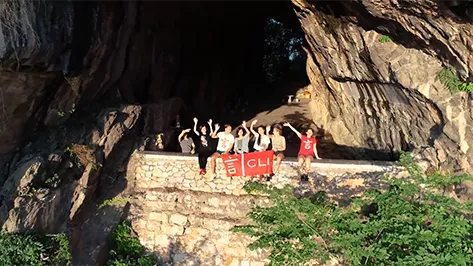
Honestly one of the best experiences you can have. Not only was the teaching fun, inclusive and interesting but the lunches provided and surrounding areas were splendid… I can say personally that my language ability sky rocketed in my 3 months there. 明年见!

The city itself is not very big and the locals speak hardly any other language than their own- so you must cope from the first moment you step outside…
Many of the other students I was with at CLI were not attending for the first time. One guy told it is his 9th time at CLI.

The teachers were wonderful, quickly diagnosing my level and goals and tailoring the lessons to match them appropriately. More importantly, they customized things to suit my interests. For example, I am interested in history and had some plans to visit archaeological sites, so some lessons centered around those things.

…the staff and the teachers are all great, very welcoming and professional; we had 4 hours per day, every weekday, in one-to-one classes… Really an amazing experience and a great opportunity to explore the beautiful Guilin and its surroundings.
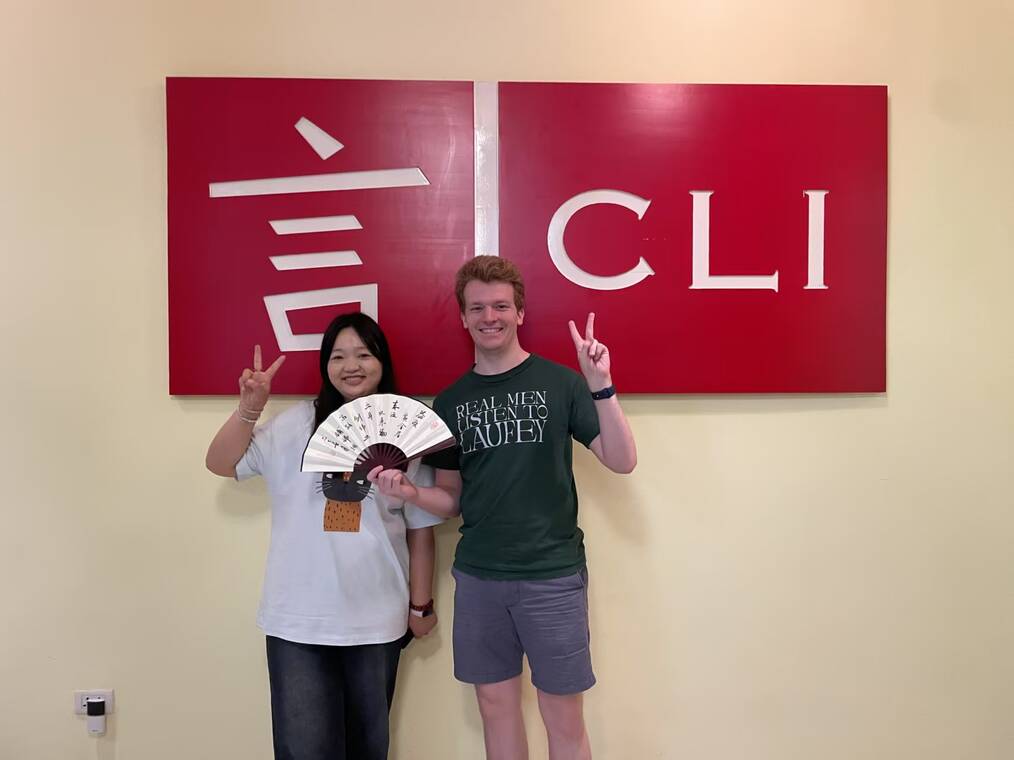
In my short 3 weeks here, I made more progress than I had in the past 9 months. I went from barely being able to order food to being able to hold (basic) conversations with friends and strangers…
On my last day, after climbing up a mountain in the nearby 七星公园, I looked out at the city and cried knowing that I was leaving tomorrow morning.
I did six weeks of CLI’s immersion program and it definitely exceeded my expectations. I started from zero Chinese level… In only six weeks I managed to get a very decent Chinese level which allows me to have basic conversations in Chinese with local people.
You'll notice a pattern in these reviews: a lot of students come back. One student in 2025 was on his ninth visit. You can read every review on Go Overseas.

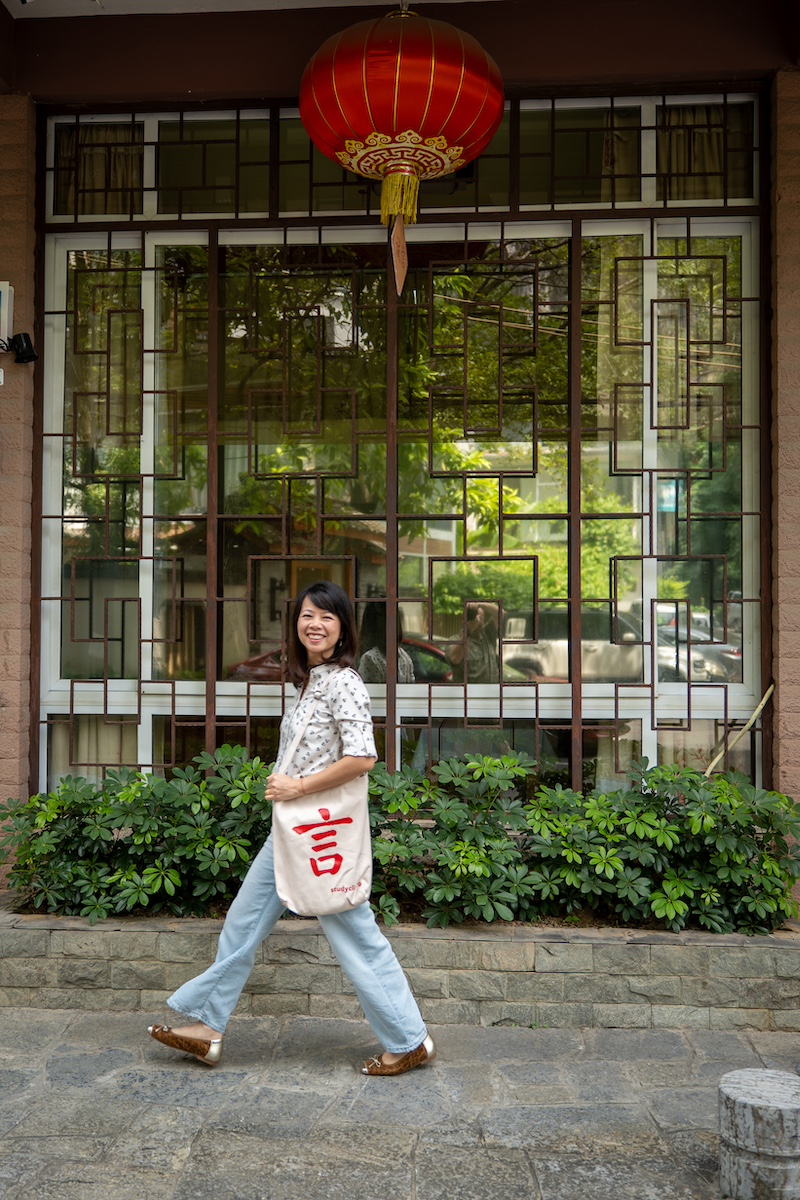



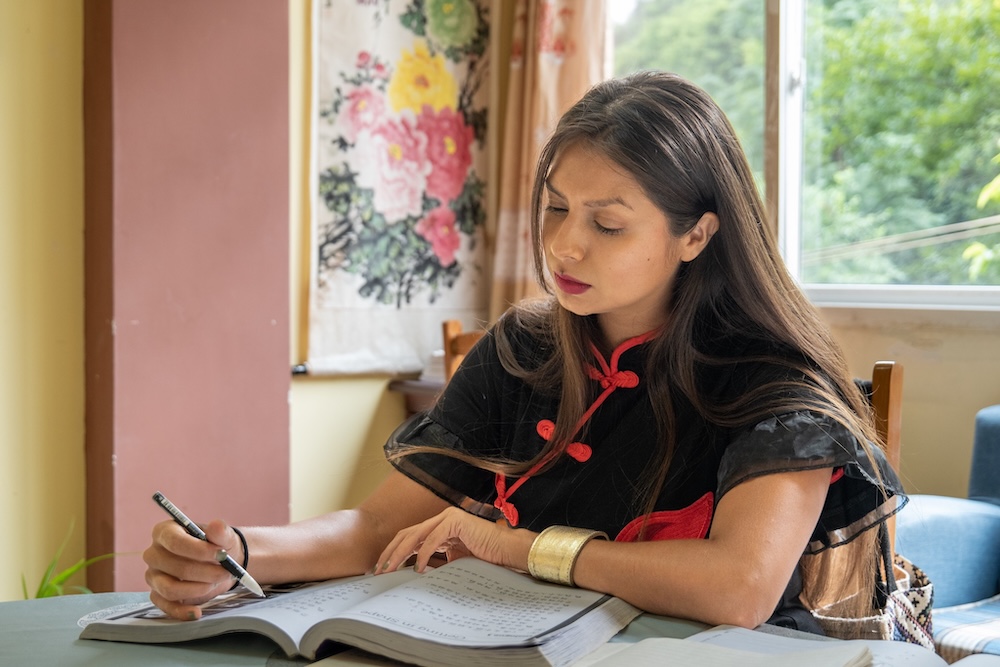
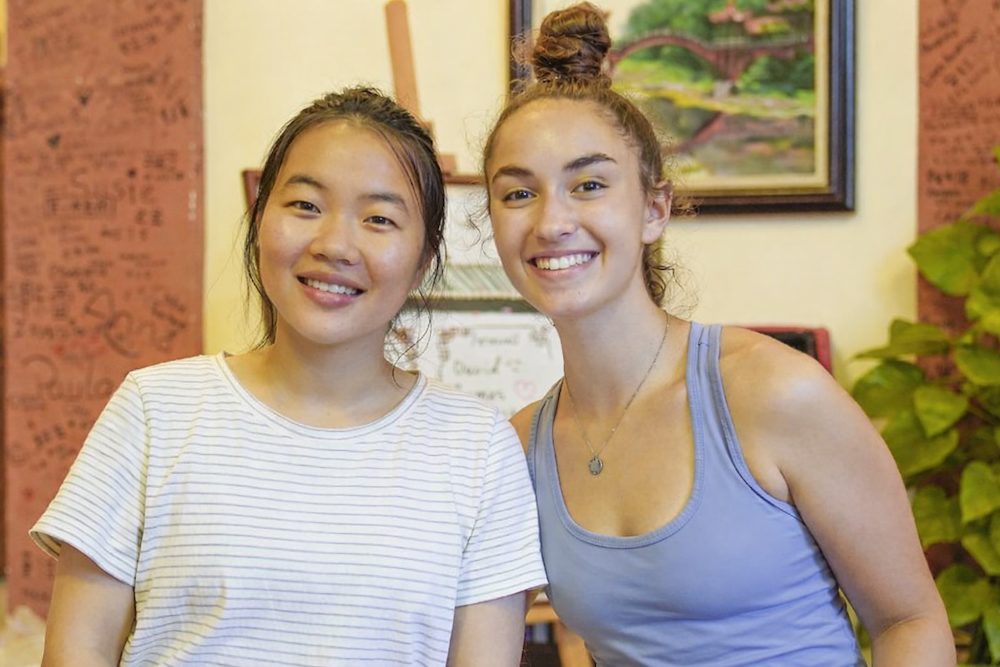
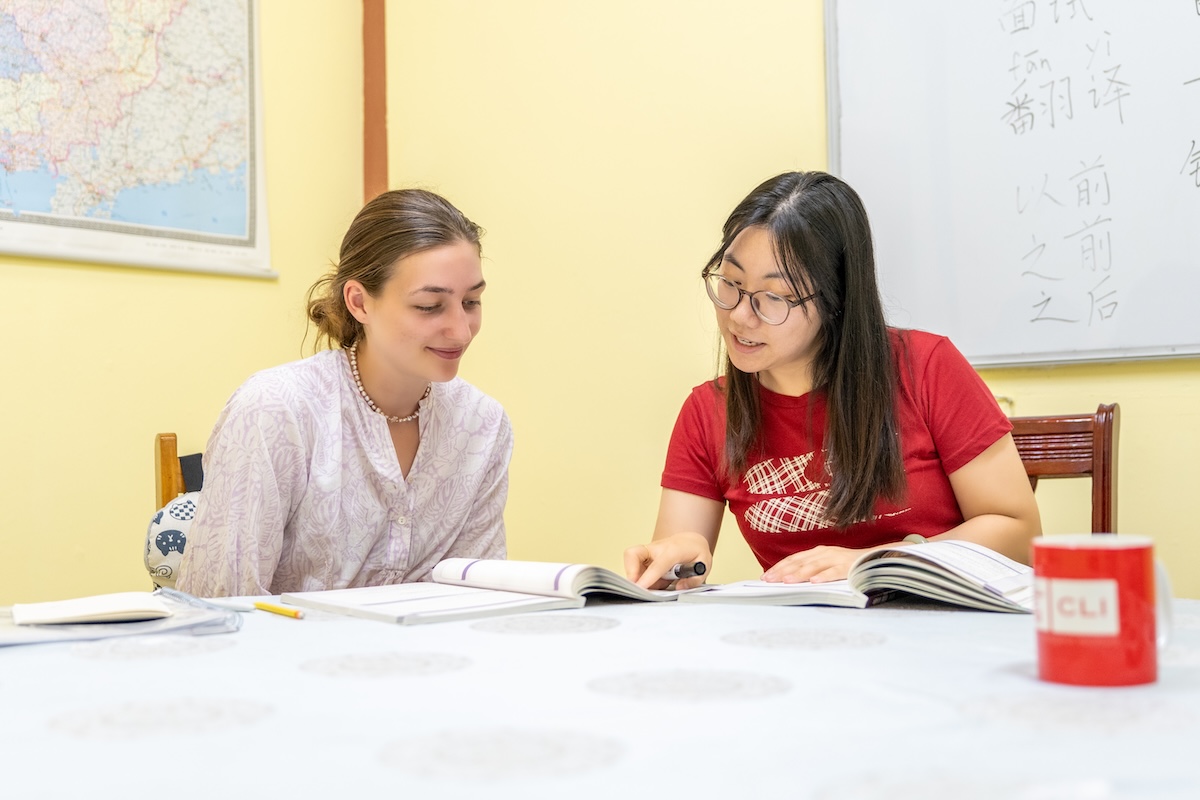
Every CLI student has three teachers, and every class is one-on-one. One teacher covers speaking and listening, one covers reading and writing, and one teaches a comprehensive class that ties it all together. They compare notes, so what you learn in one class comes back in the next.
A standard week is 20 hours of lessons. With no one else in the room, you do all the talking, and your teacher hears every mistake. It's tiring. It's also the fastest way we know to get better.
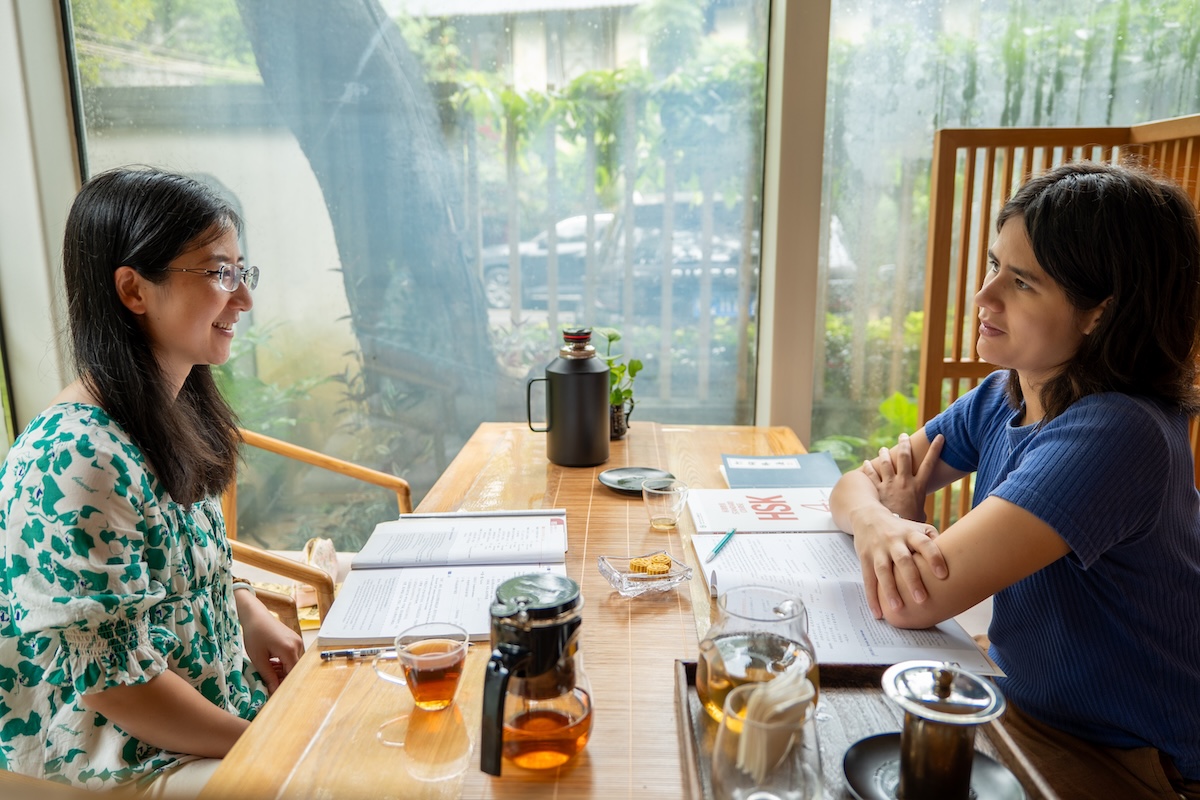
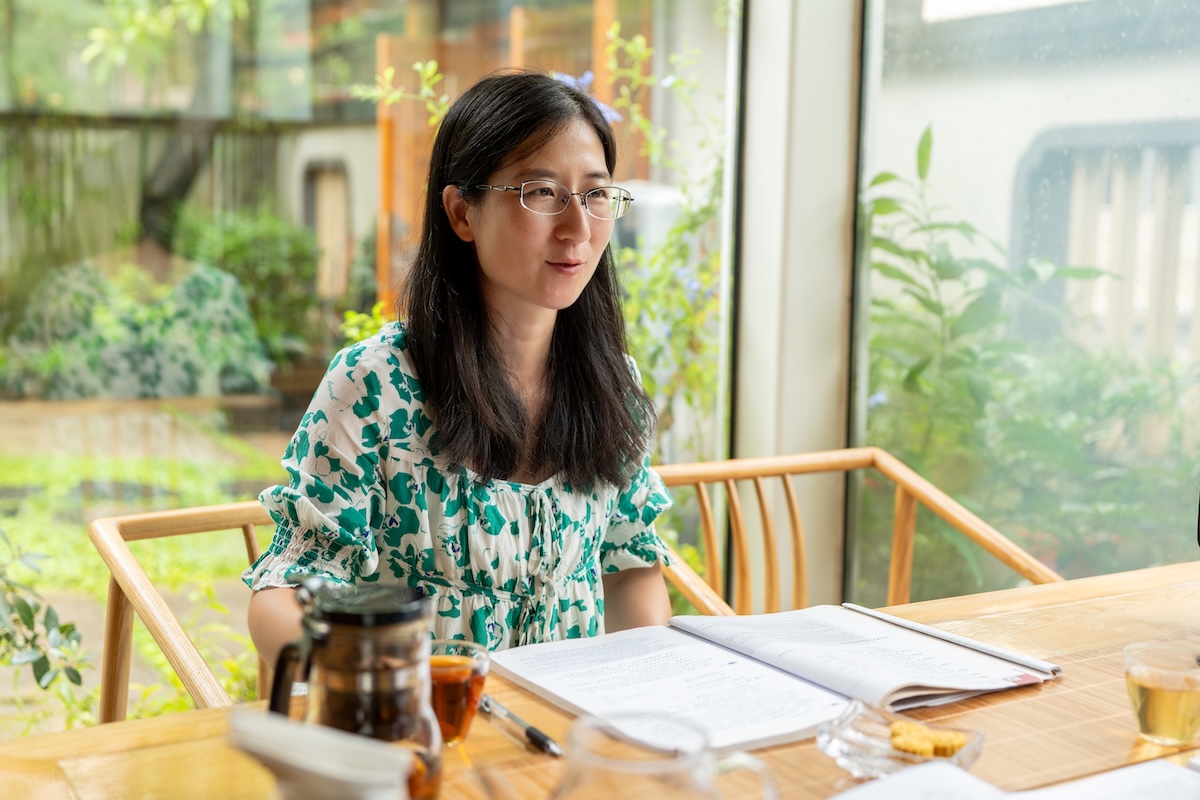
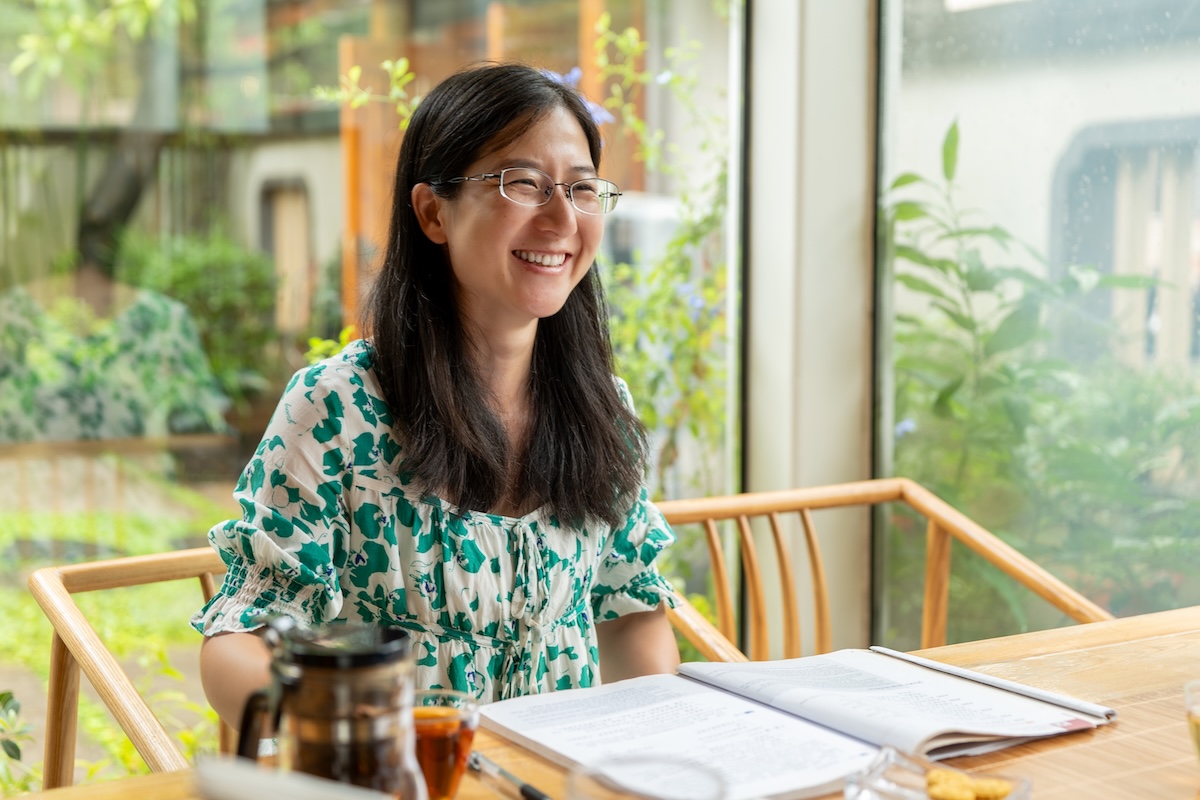

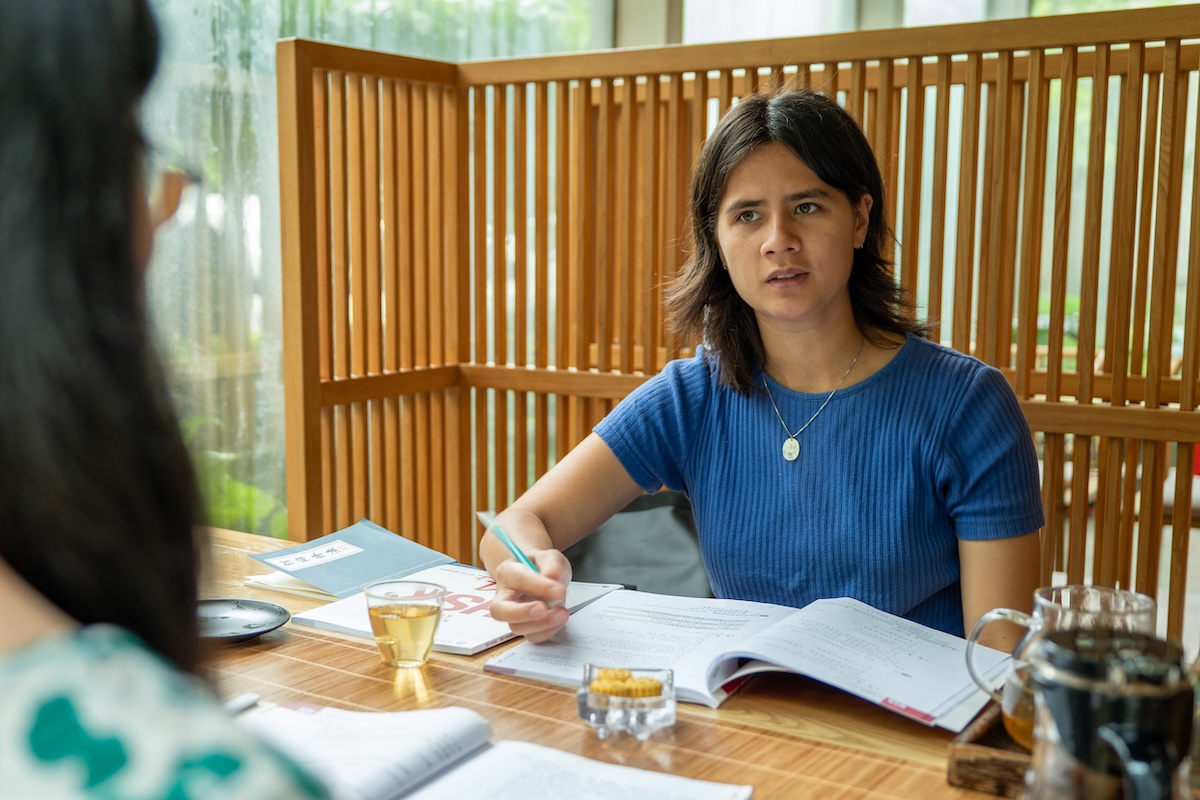
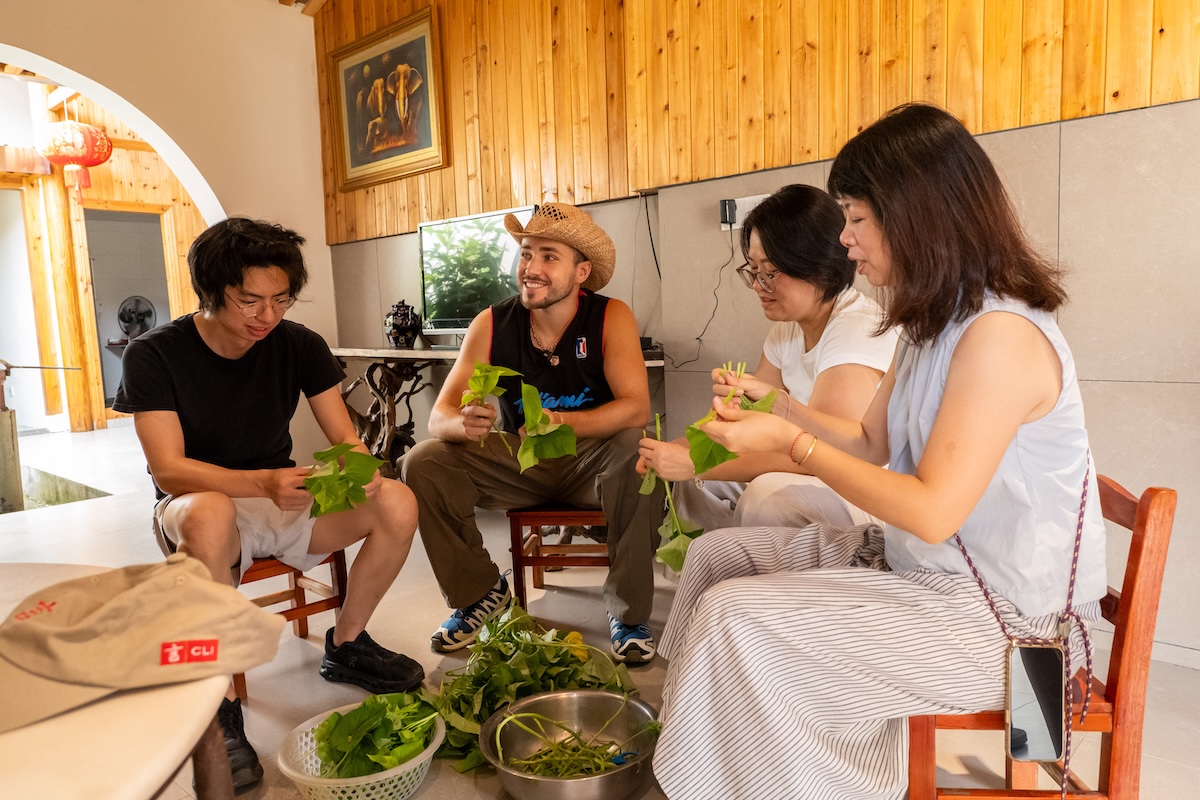
Weekday lunch is part of the program too. Students and teachers sit down together for a home-cooked meal, and at least one table is Mandarin-only. Students who wear the CLI Language Pledge Bracelet speak only Chinese for the rest of the day.
Two CLI students talk about why they came to Guilin and what their time here was like.
Every week, our Student Activities Manager, Summer lǎoshī 老师, plans something to do outside of class, usually tied to Chinese traditions. One of them in 2025 was a workshop on traditional joinery.
Joinery holds pieces of wood together without nails, screws or glue. The 榫 (sǔn) is the tenon, a tab cut to slide into another piece. The 卯 (mǎo) is the mortise, the hole cut to receive it. Cut them well and the joint holds for centuries.
The oldest known examples are about 7,000 years old. The same idea holds up the halls of the Forbidden City (Gùgōng 故宫) and plenty of ordinary farmhouses. In 2009, UNESCO added China's timber-frame building craft, which depends on these joints, to its Intangible Cultural Heritage list.
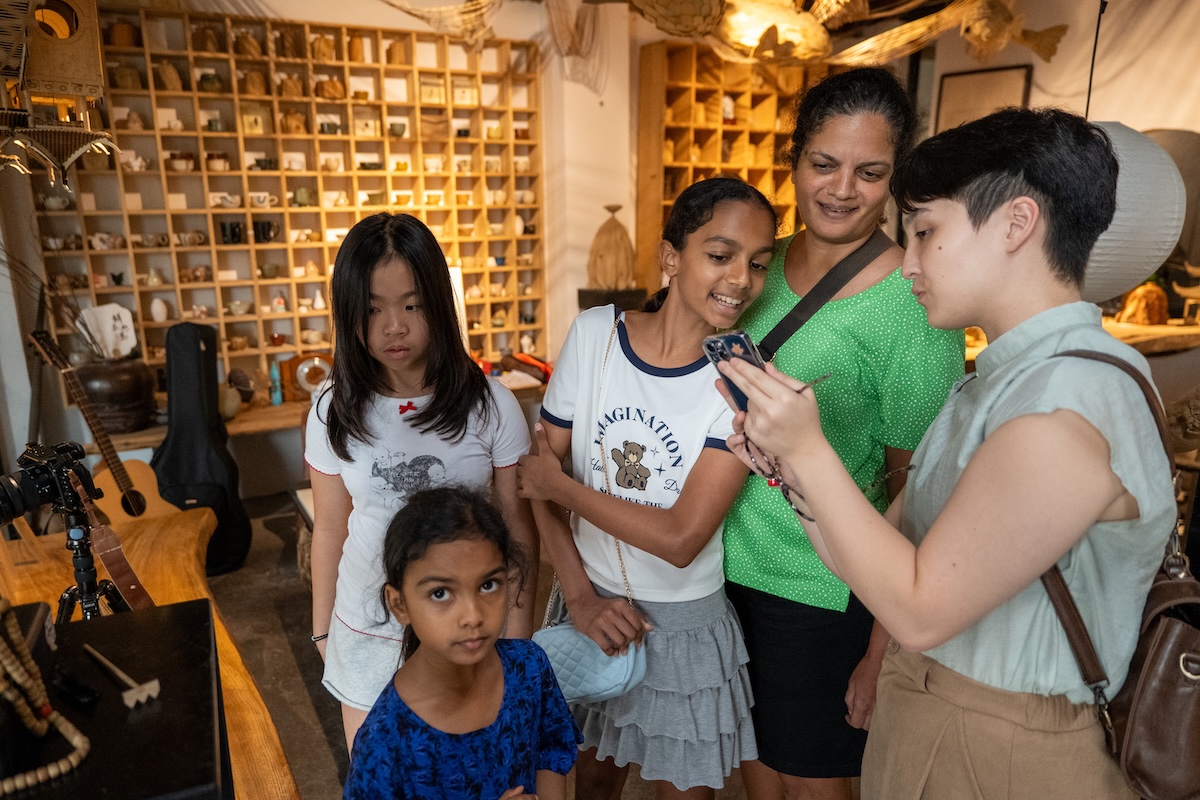
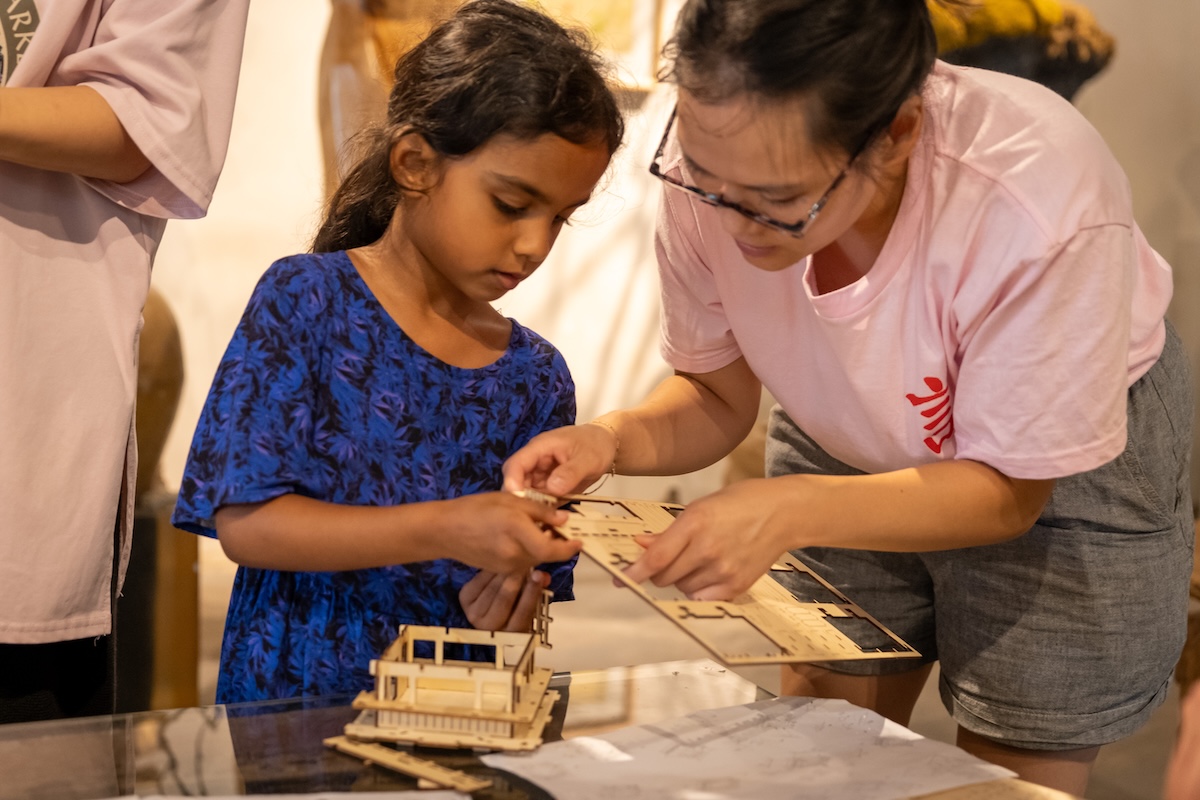
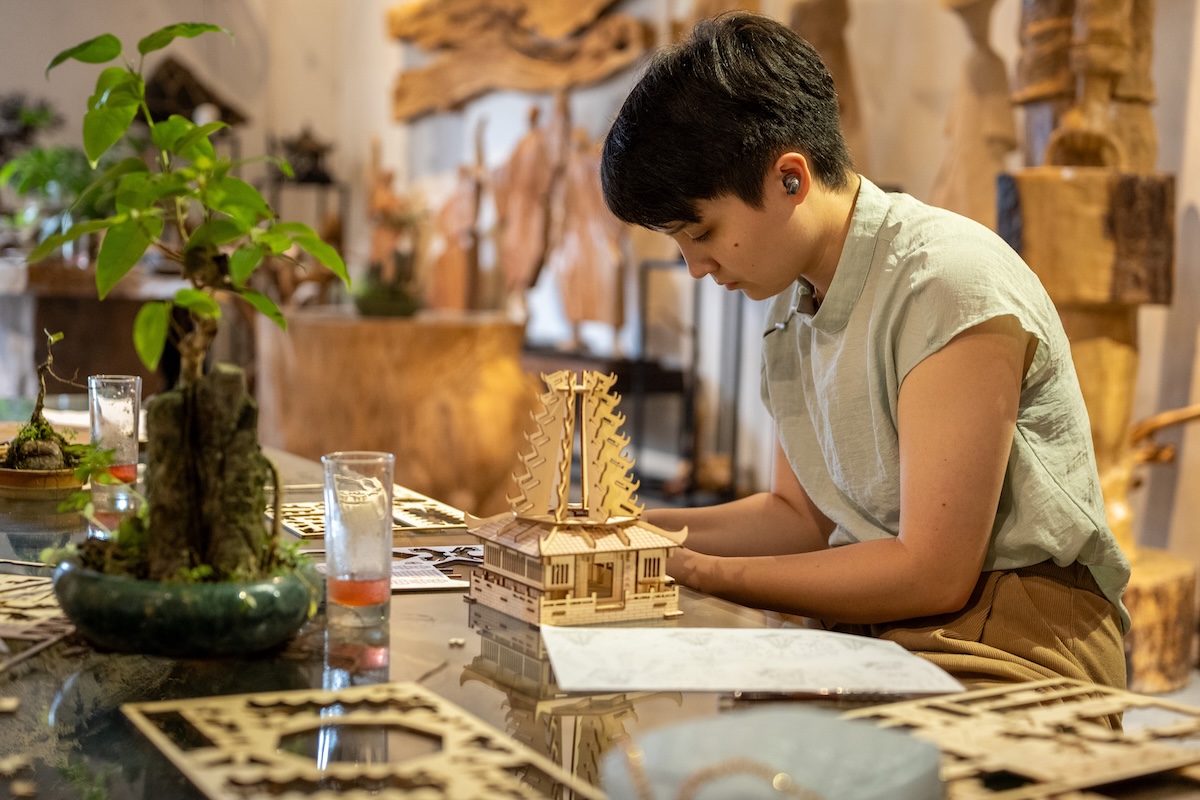
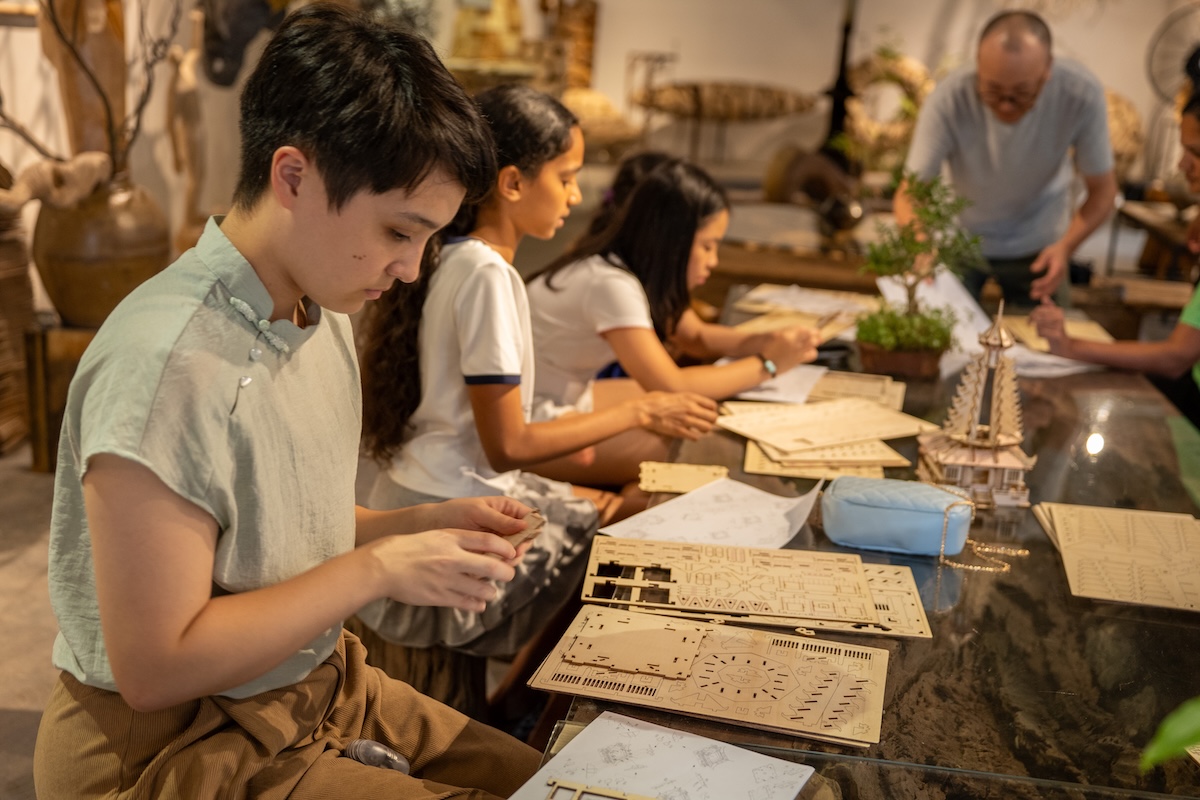
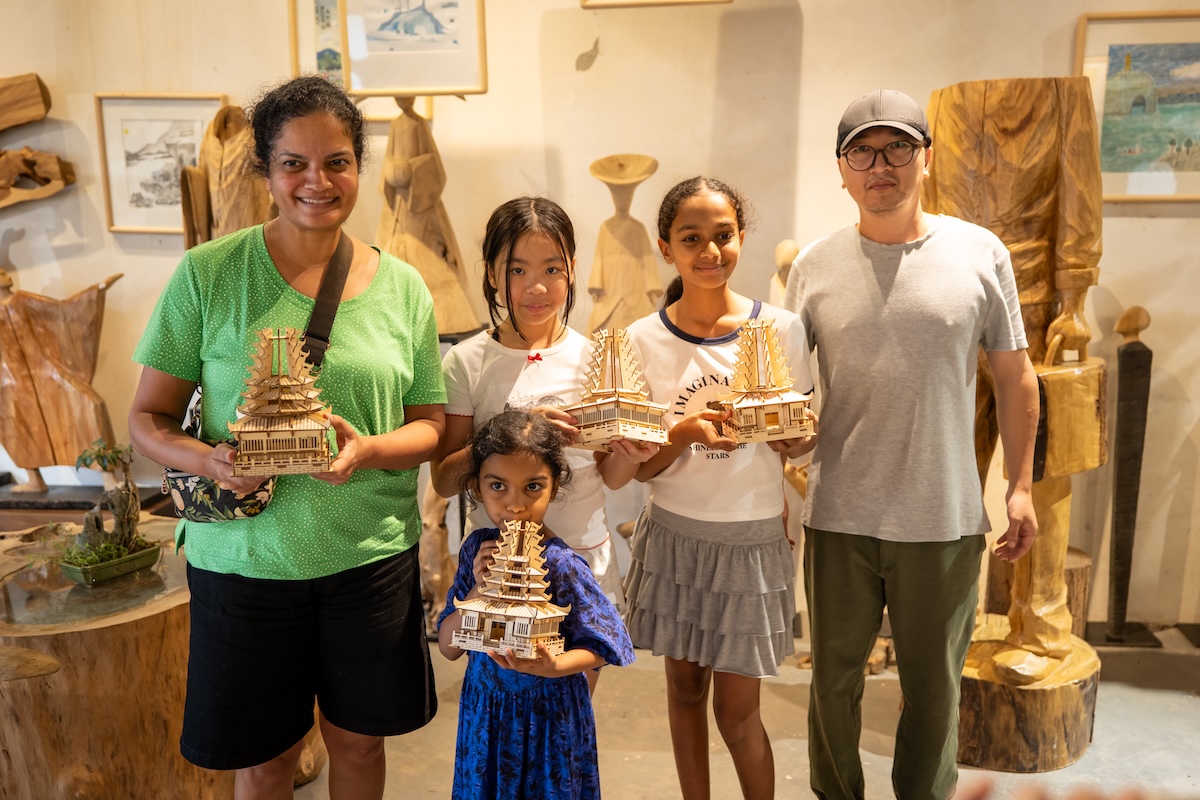
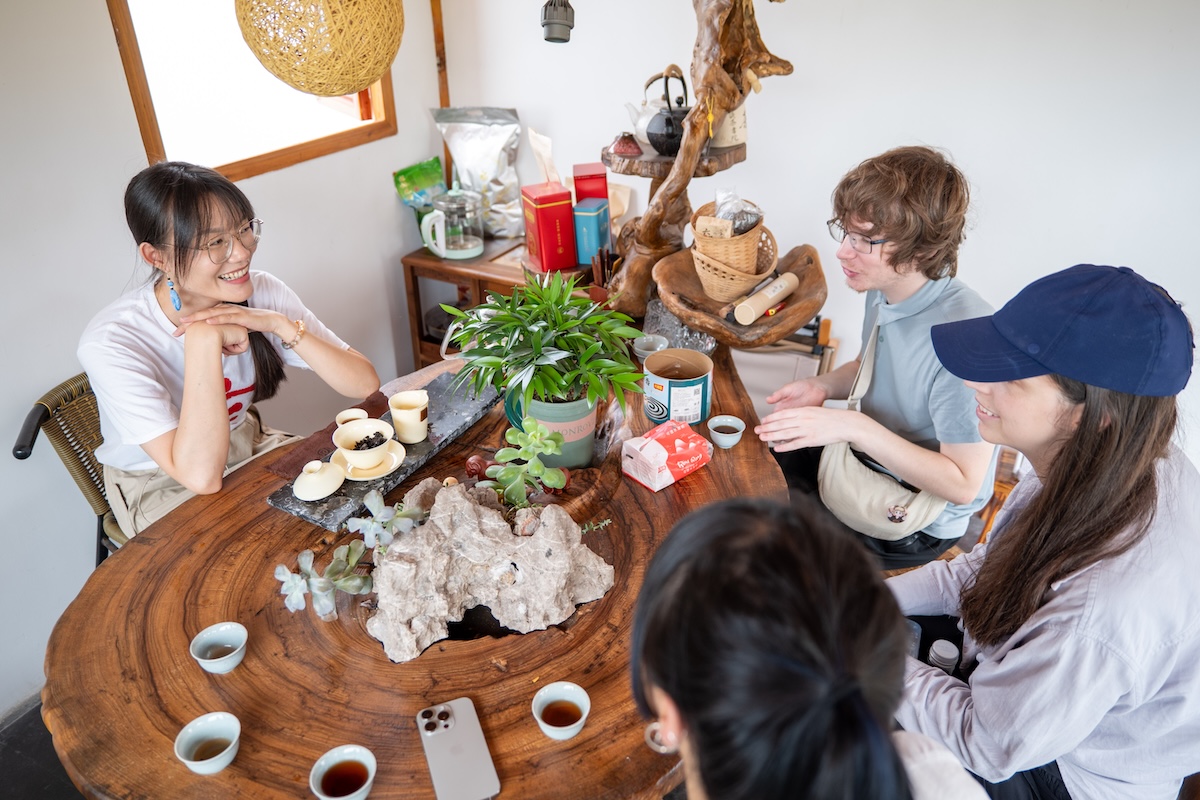
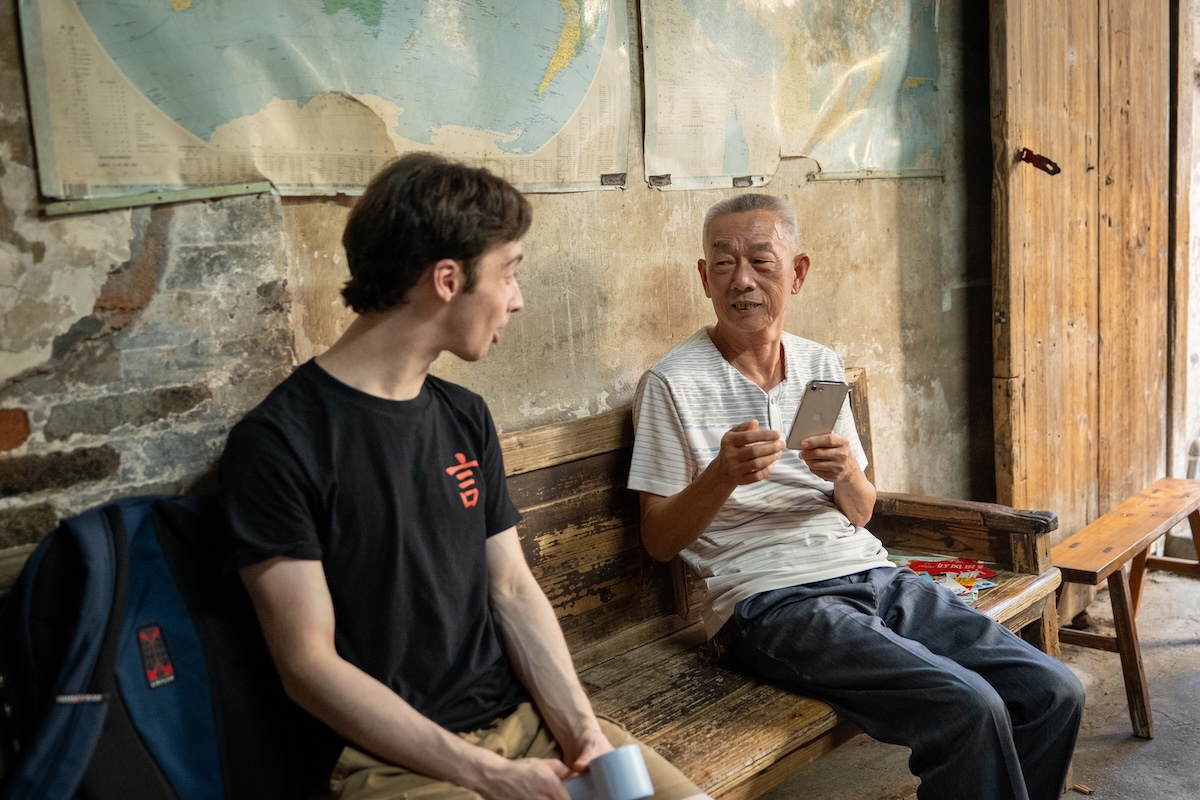
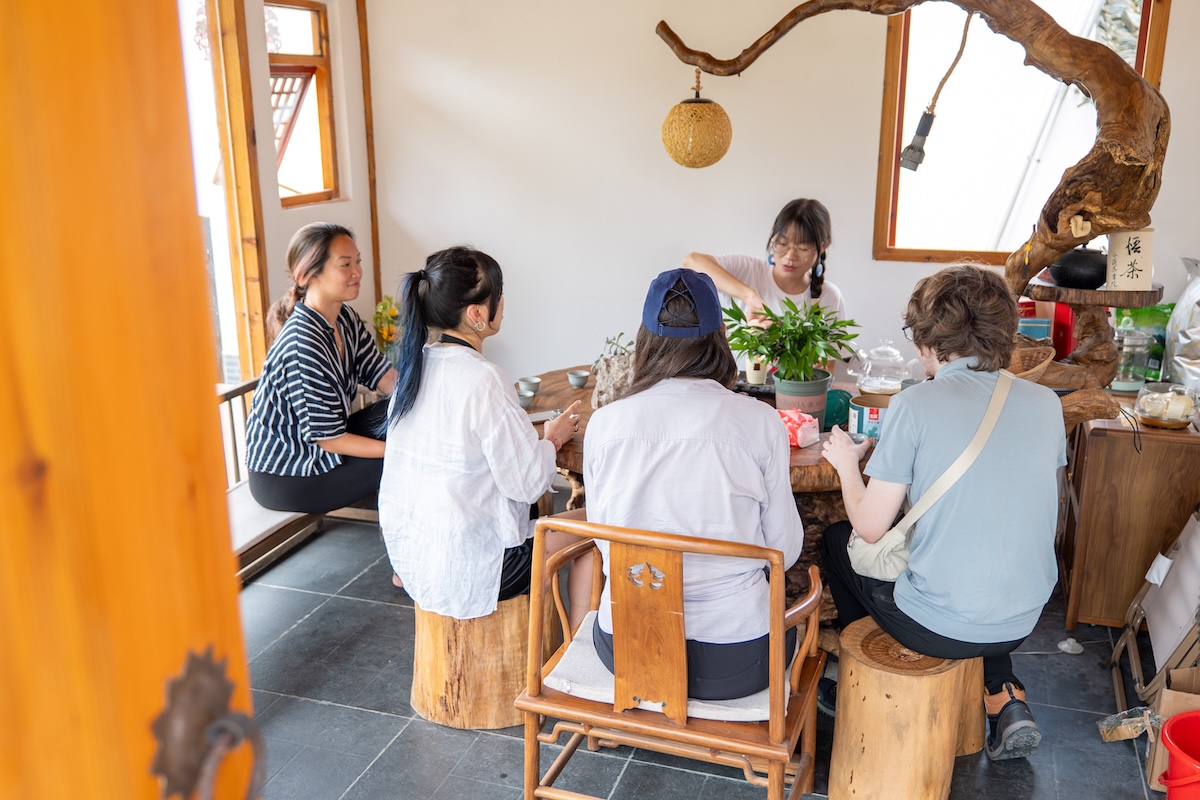
Words stick better when you're holding the thing they describe. It's easier to remember wood (mùtou 木头), tool (gōngjù 工具) and to make (zuò 做) with a chisel in your hand. Other activities over the years have included tea ceremonies, calligraphy, hikes in the hills around Guilin, village visits and a lot of mahjong.
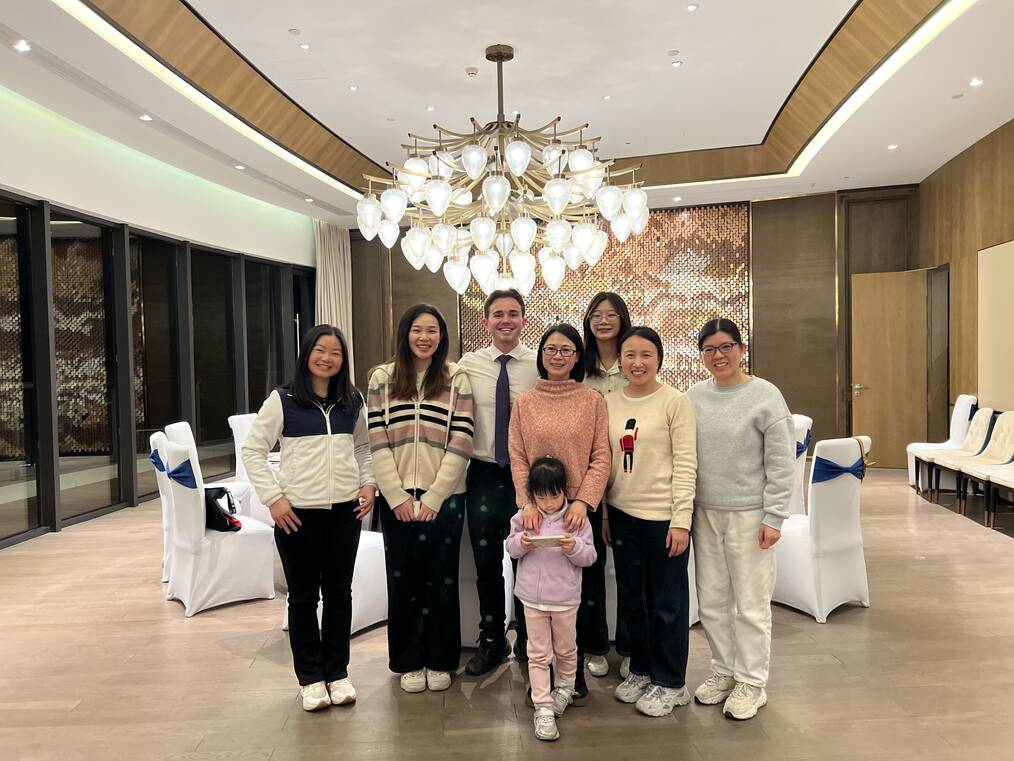
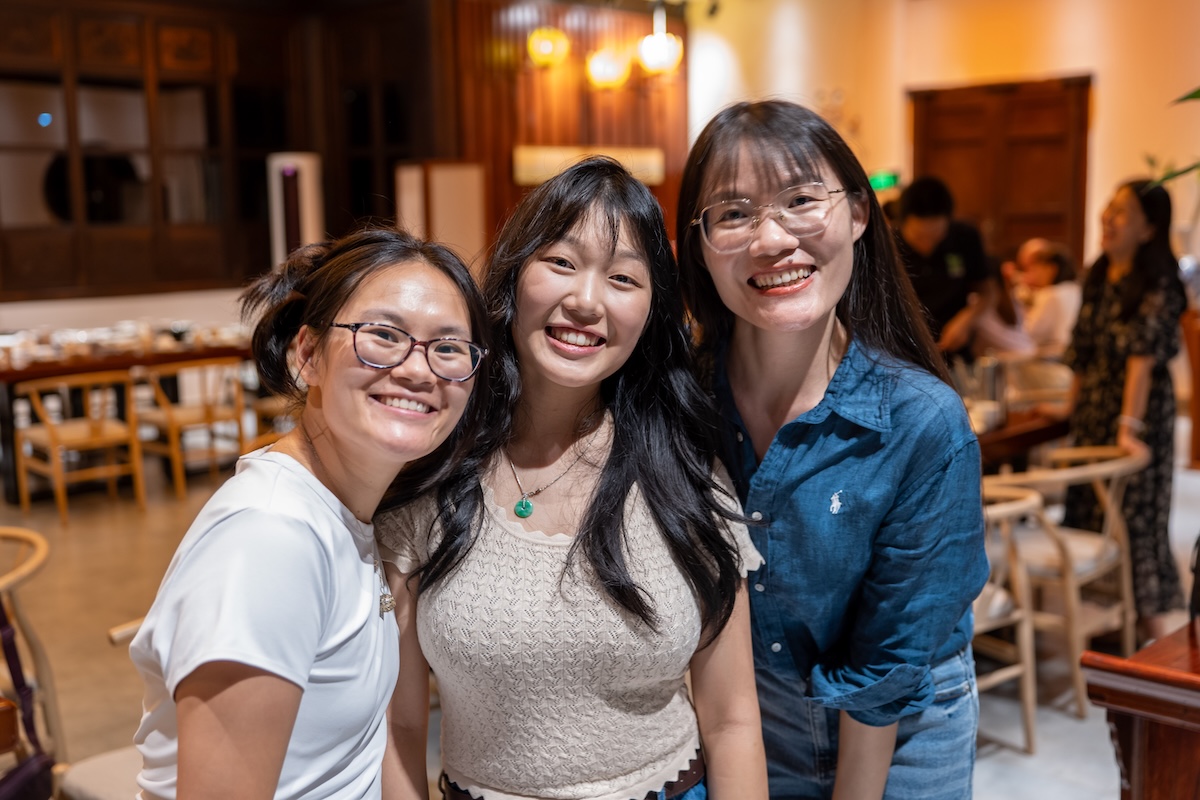
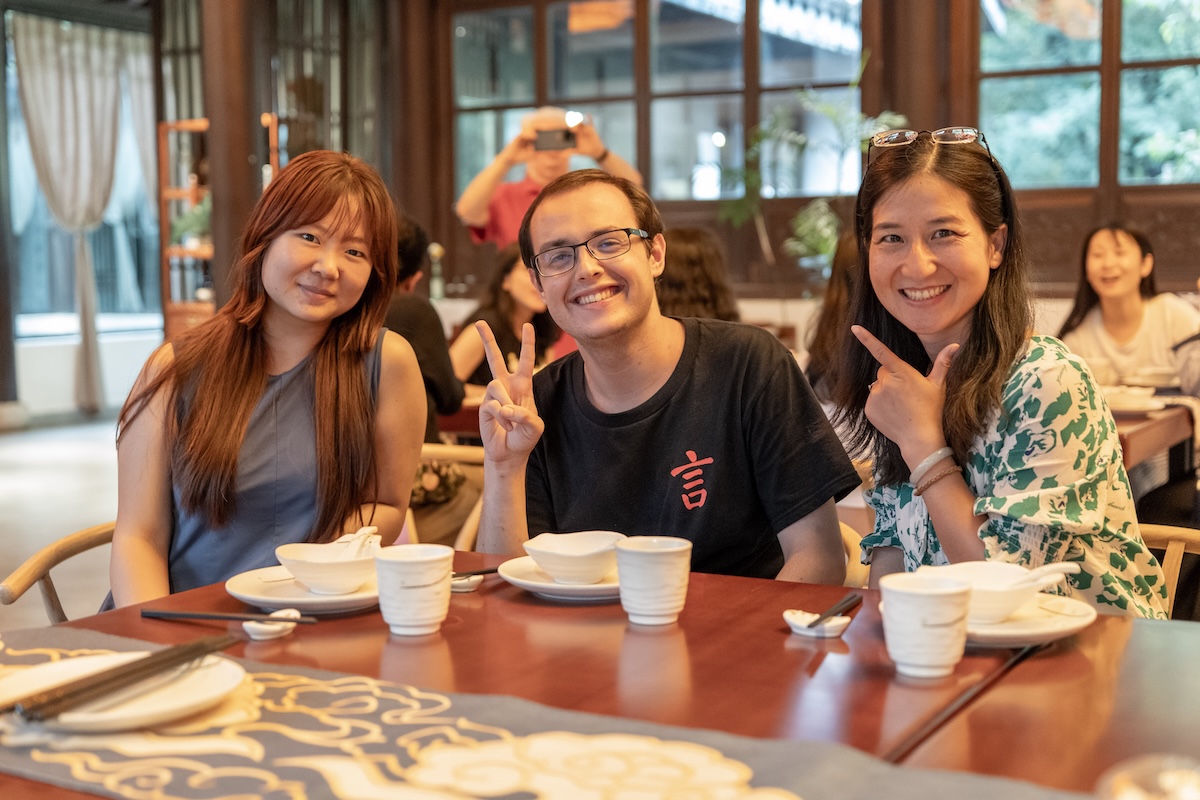
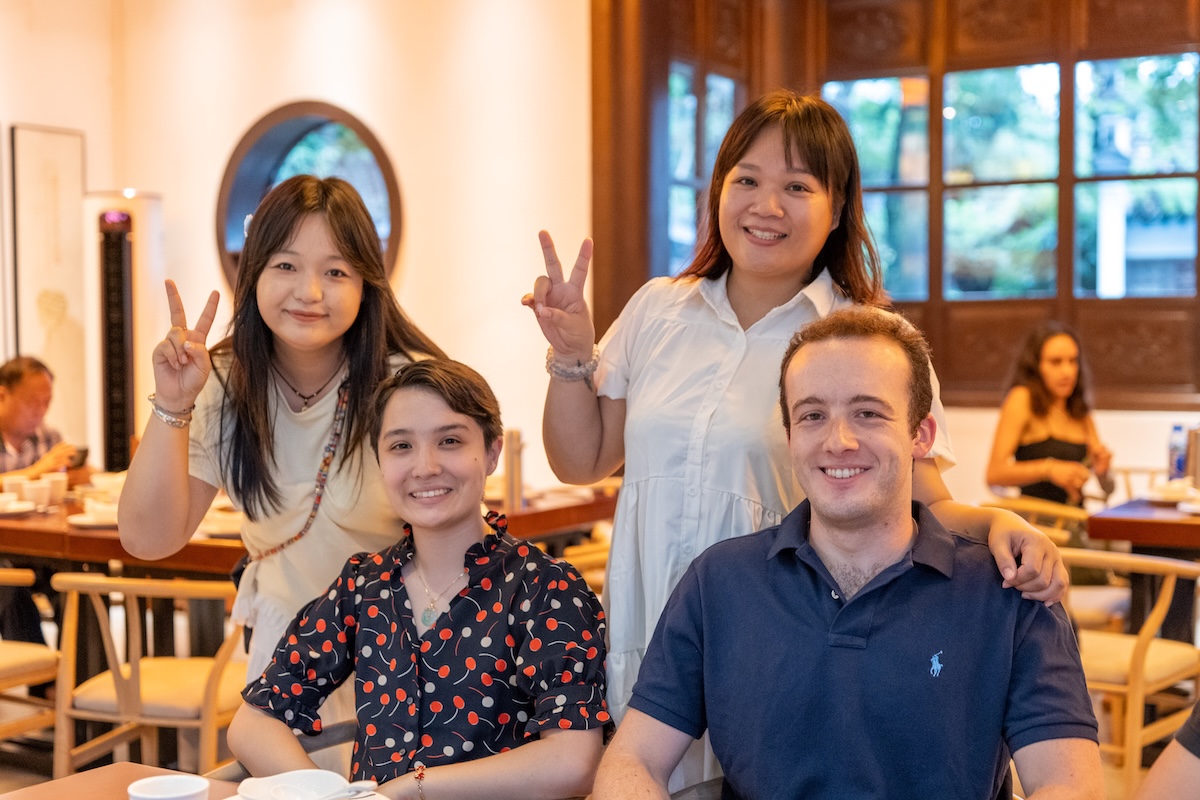
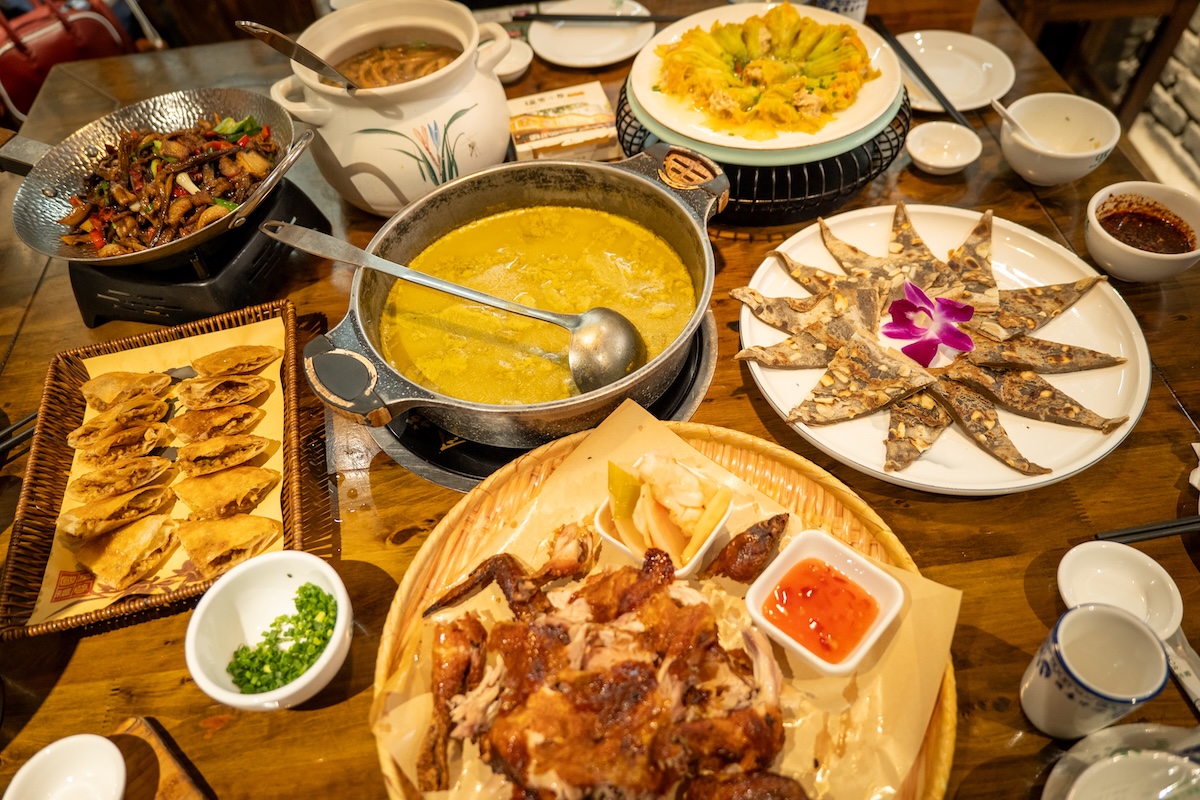
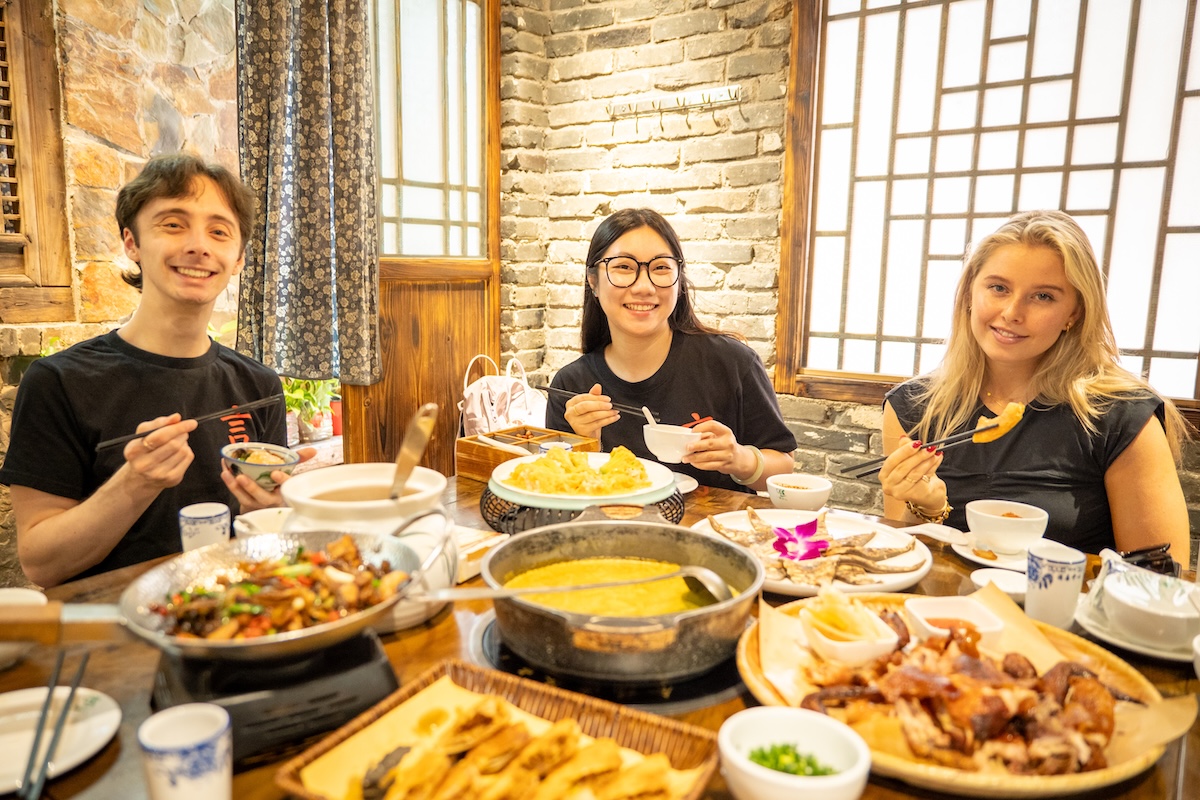
Students can start on any Monday of the year, so someone is always arriving and someone is always leaving. Every Monday we have a welcome dinner for new students. Every Thursday we have a farewell dinner for the ones heading home.
We've done this almost every week since 2009. The students who are leaving usually pick the restaurant, and everyone is invited: teachers, students, team members and our pengyou from Guangxi Normal University.
Someone always gives a speech, often in Chinese. Most of them thank their teachers and promise to come back. Quite a few do.

Chinese painters and poets have been putting Guilin's karst peaks and the Li River into their work for more than a thousand years. A saying from the Song dynasty sums it up: "Guilin's scenery is the best under heaven" (Guìlín shānshuǐ jiǎ tiānxià 桂林山水甲天下). For our students, it's the view on the walk to class.


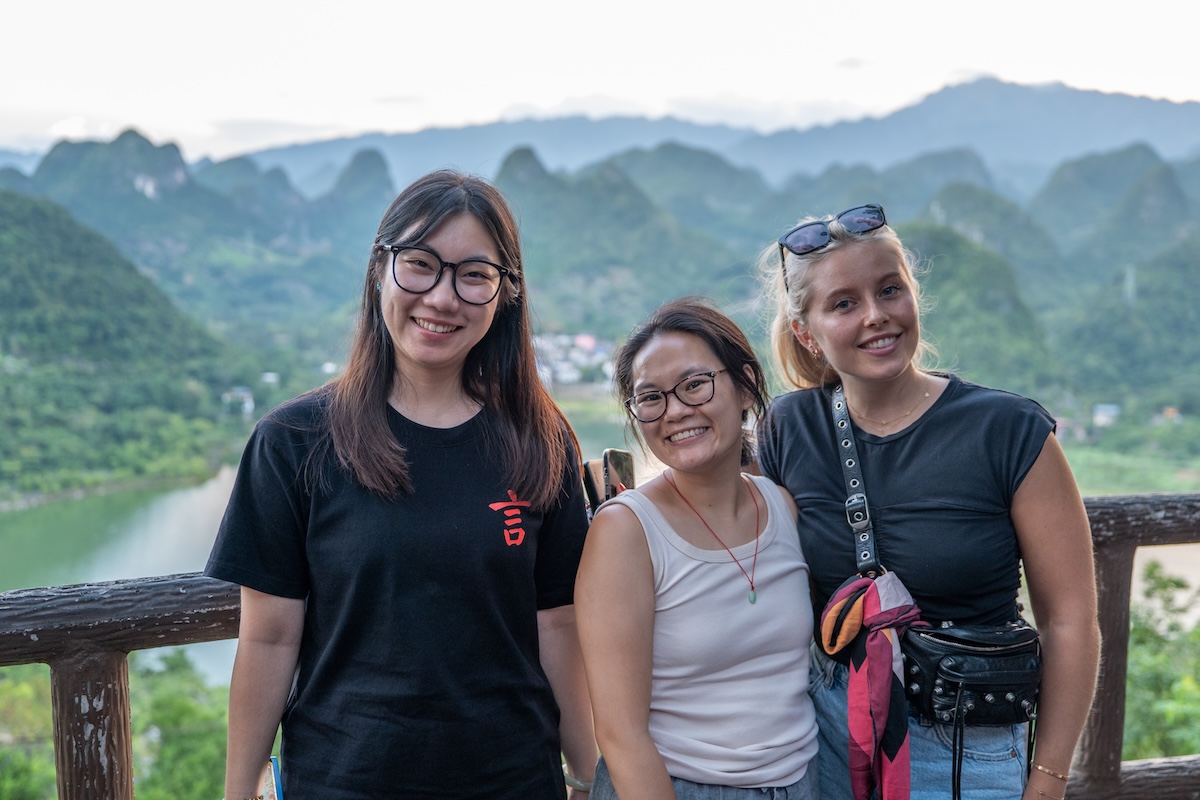
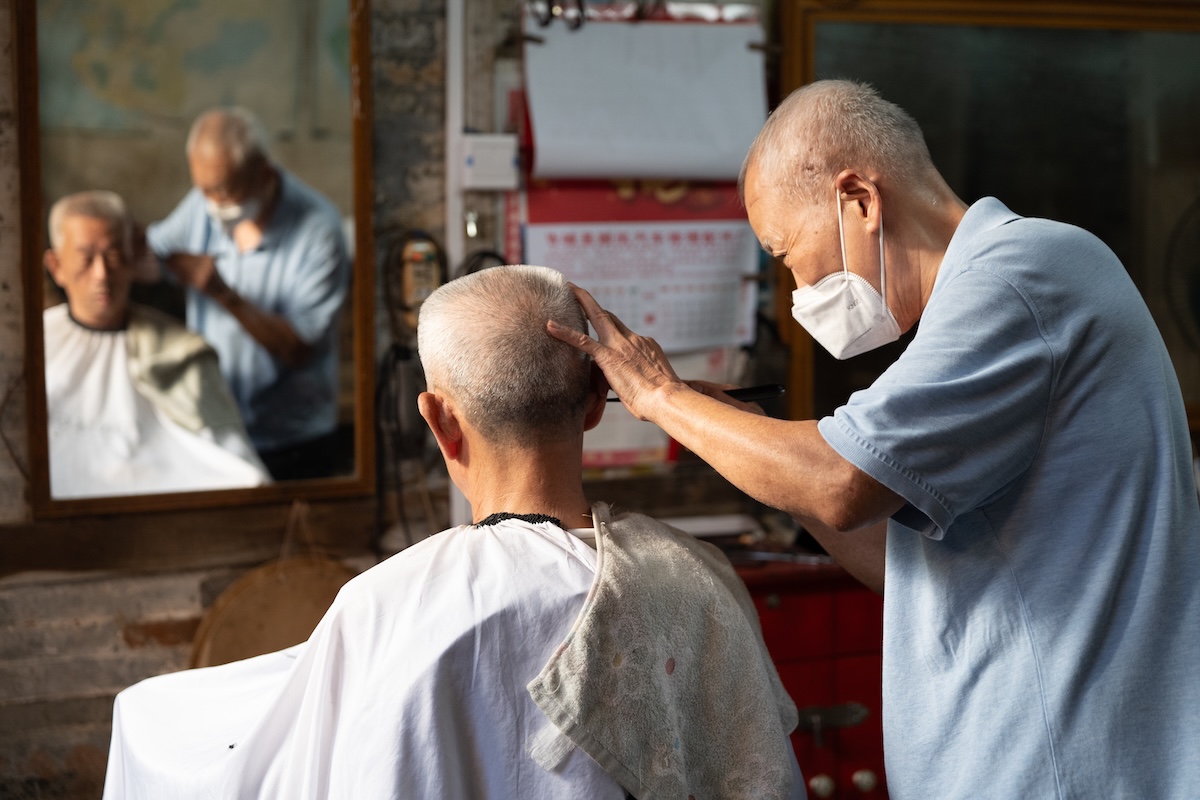
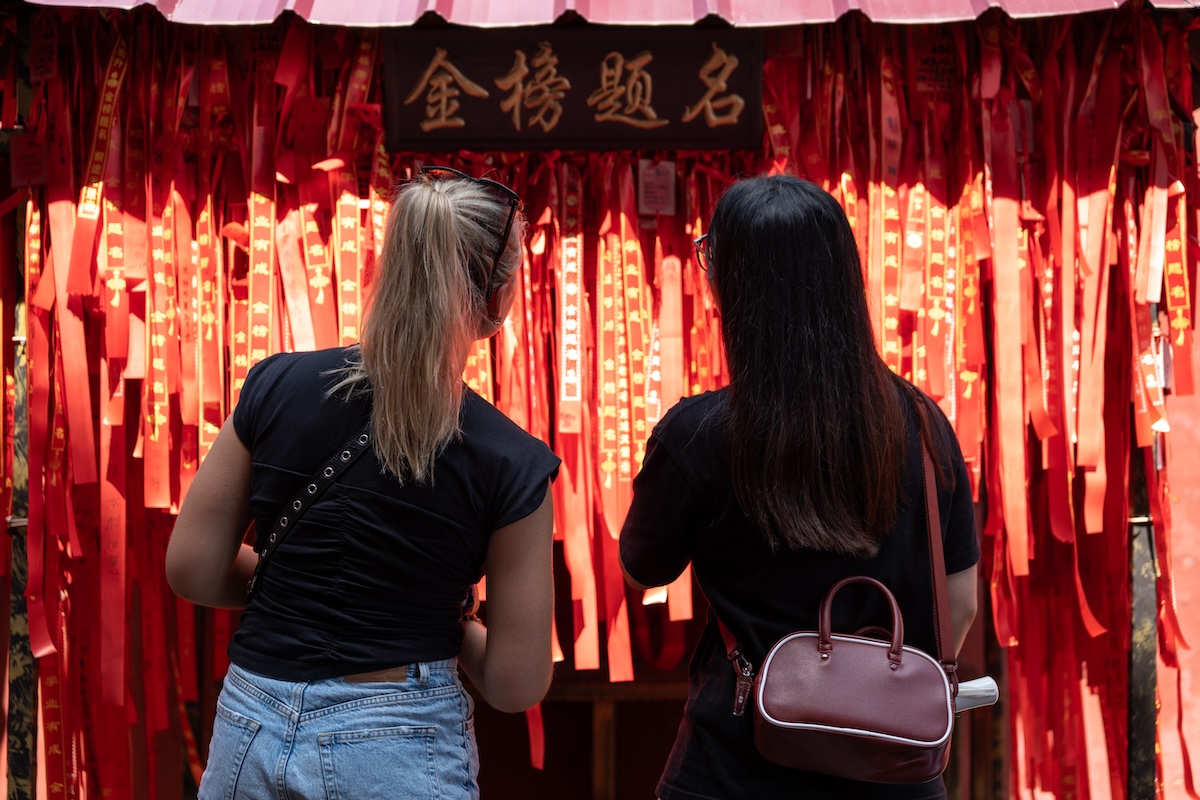
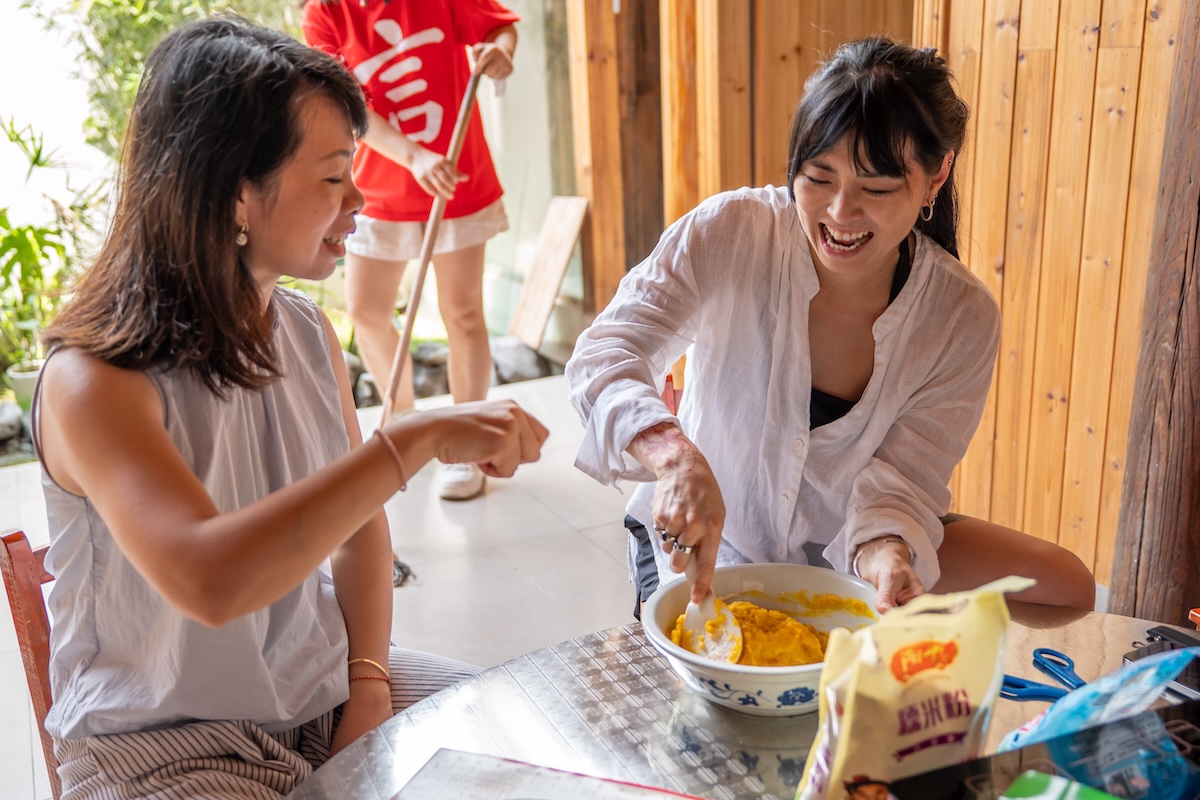



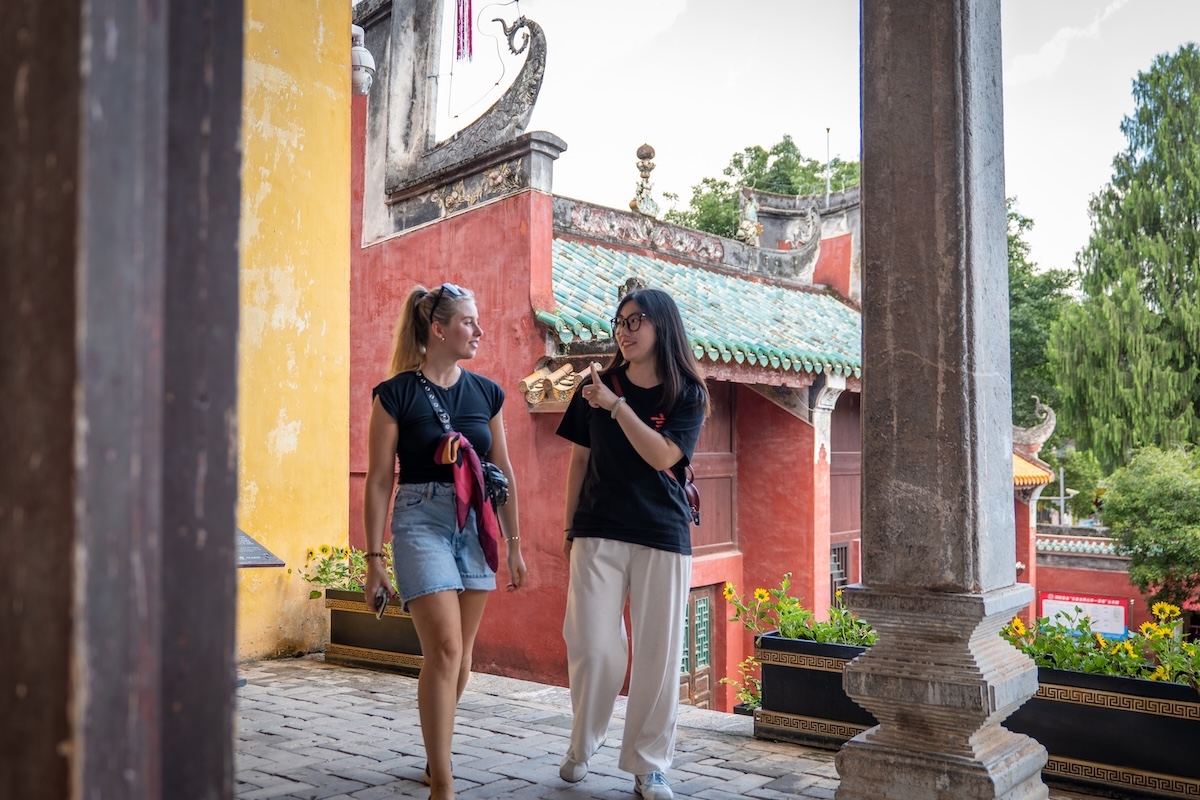

The karst peaks of 七星公园 are close by and make an easy hike after class.

Take a weekend boat down to Yangshuo, past the scenery printed on the 20-yuan note.

A day trip to 龙脊梯田, carved into the mountains by hand over hundreds of years.

Ride past rice paddies and villages outside Yangshuo, with karst peaks on every side.
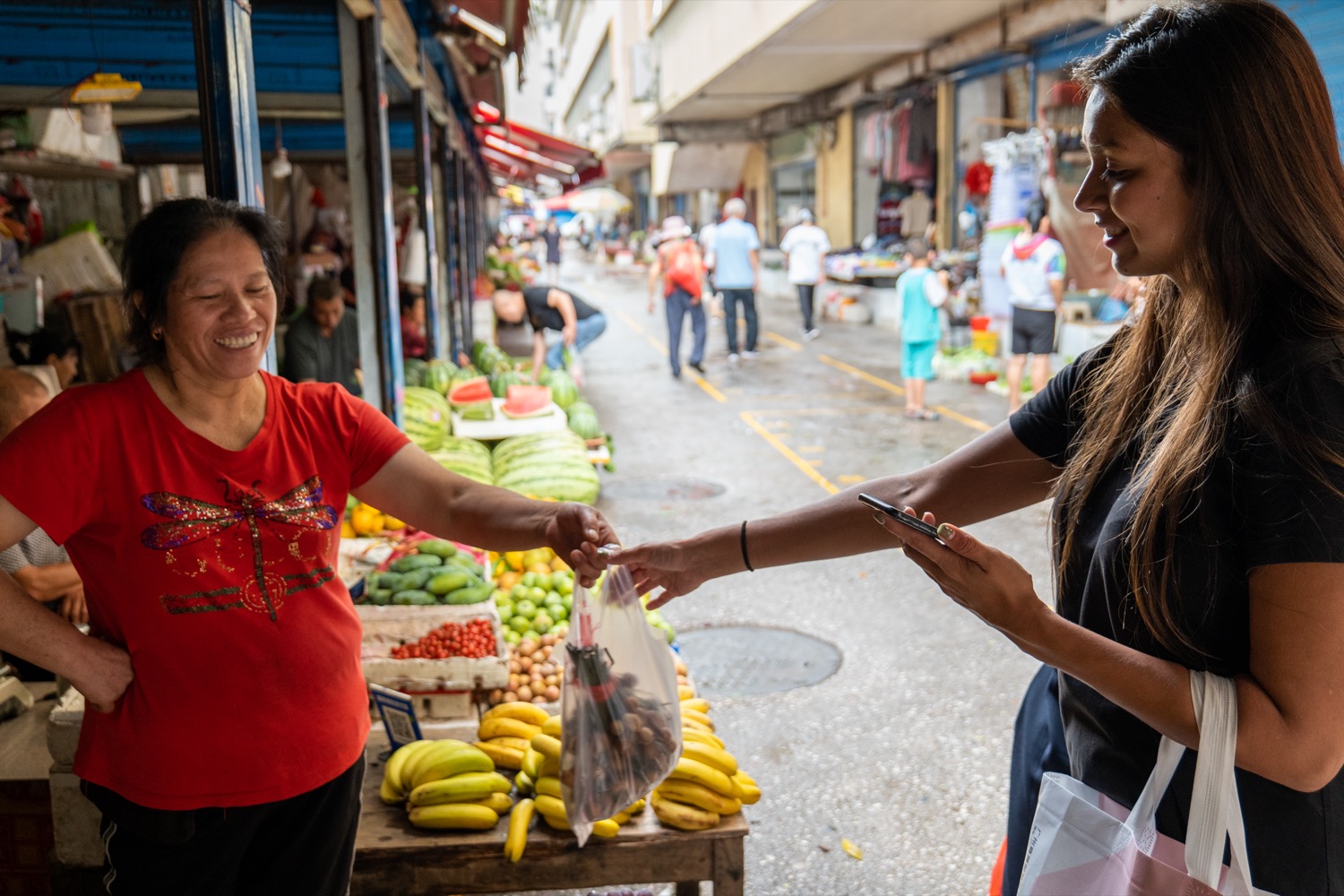
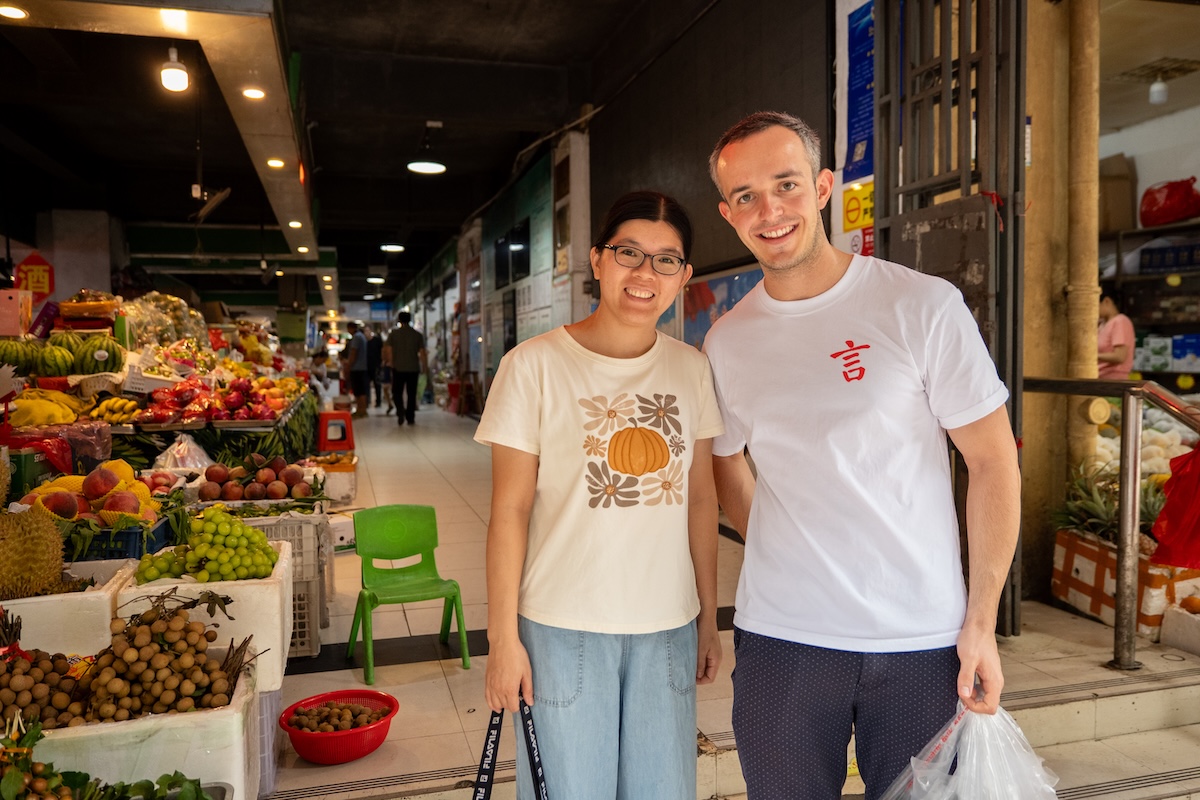
Few vendors speak English, so buying fruit or asking a price is real speaking practice.
Start any Monday and stay as long as you like. After 17 years and more than 5,000 students, we'd love to meet you.
Need college credit or can't travel yet? See Study Abroad in China or Learn Chinese Online.