

- Shenyang (沈阳, Shěnyáng), formerly known as Mukden, is the largest city in northeast China and the capital of Liaoning Province. It blends rich imperial history with modern metropolitan energy.
- The city served as the early capital of the Manchu-led Qing dynasty and is home to UNESCO World Heritage Sites including the Shenyang Imperial Palace, Zhaoling Mausoleum, and Fuling Mausoleum.
- Beyond Qing dynasty landmarks, Shenyang offers natural attractions like Qipan Mountain, the world's largest meteorite, and vibrant street food culture featuring Chinese, Korean, and Western cuisine.
- For Chinese learners, Shenyang is an excellent destination where imperial history, local dialect, and everyday culture create opportunities to deepen your understanding of China — making it a rewarding stop for anyone looking to learn Chinese in China.
Shenyang is a city where Manchu emperors once plotted their conquest of China and where imperial palaces still stand within a modern skyline. Formerly known as Mukden, this northeastern Chinese provincial capital has a layered past that makes it one of the most fascinating — and underrated — historical destinations in the country.
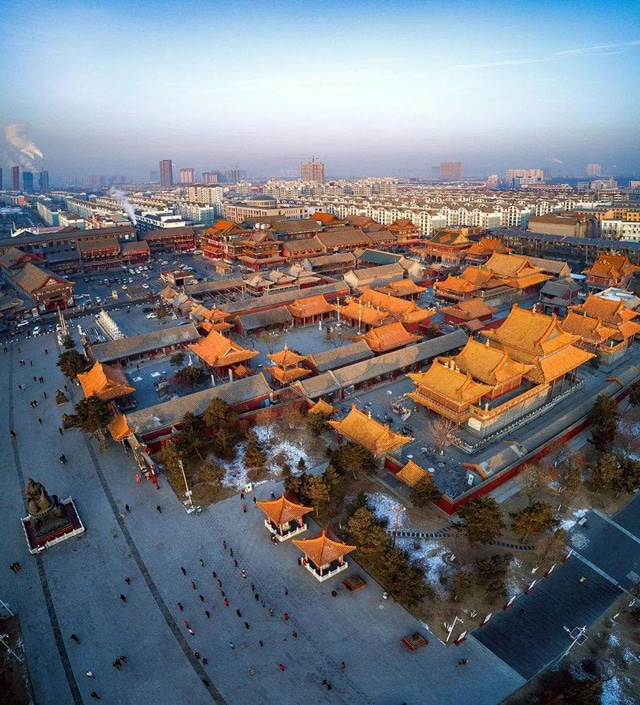
Today, Shenyang is a bustling metropolis of over 8 million people and the political, cultural, and economic center of Liaoning Province. It sits between Changbai Mountain to the north and the Liaodong Peninsula to the south, covering roughly 12,948 square kilometers.
For travelers interested in Chinese history, Shenyang offers a rare window into the origins of the Qing dynasty — complete with palaces, imperial tombs, and centuries of stories waiting to be explored. Before planning a trip, visitors should also check out the latest China visa-free travel guide. Read on for everything you need to know.
01A Brief History of Shenyang
Shenyang's historical importance stretches back centuries, but the city's defining chapter began in the early 1600s when the Manchu Qing dynasty (1636–1912 CE) chose it as their first imperial capital.
Under the leadership of Nurhaci, the founder of the Later Jin dynasty and forefather of the Qing, Shenyang — then called Mukden — became the political and military base from which the Manchus launched their conquest of China.
After the Manchu capital moved to Beijing in 1644, Shenyang became a secondary capital and retained deep political significance throughout the Qing period. The imperial palaces and tombs that remain today are a direct legacy of that era.
The Battle of Mukden (1905)
Shenyang also played a pivotal role in modern history. In 1905, it was the site of the Battle of Mukden, a massive confrontation during the Russo-Japanese War.
Involving over half a million troops, it was one of the largest land battles fought before World War I. Japan's decisive victory marked the first time a modern Asian power defeated a major European military force, reshaping the geopolitics of East Asia.
Famous People from Shenyang
Shenyang was once home to the Chinese warlord Zhang Zuolin and remains connected to many notable figures. Renowned film actress Gong Li, world-class pianist Lang Lang, and table tennis champion Ma Lin all hail from the city.
Peace activist Yoshiko Yamaguchi and actress Jin Qiaoqiao are also among Shenyang's most recognized natives.
02Top Things to See and Do in Shenyang
Shenyang has enough to fill several days. From UNESCO-listed imperial sites to natural wonders and family-friendly attractions, here are the highlights no visitor should miss.
Shenyang Imperial Palace (沈阳故宫, Shěnyáng Gùgōng)
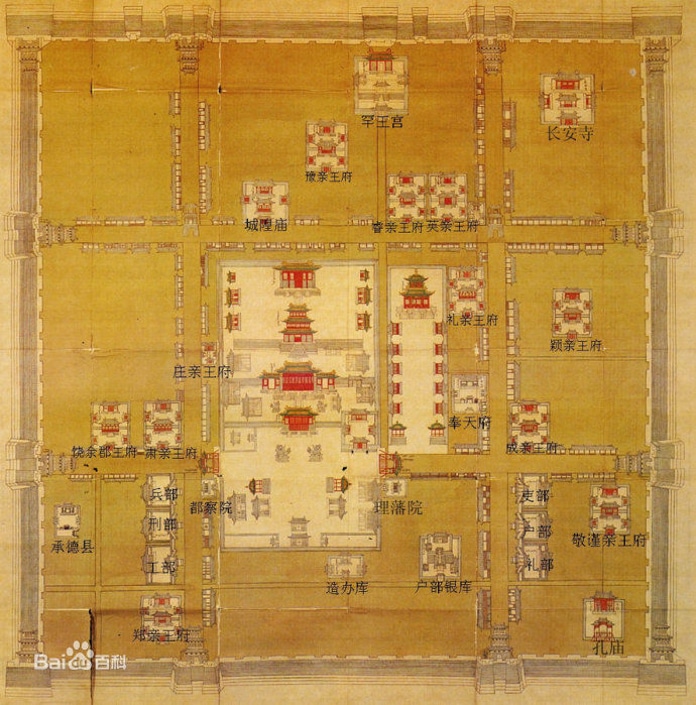
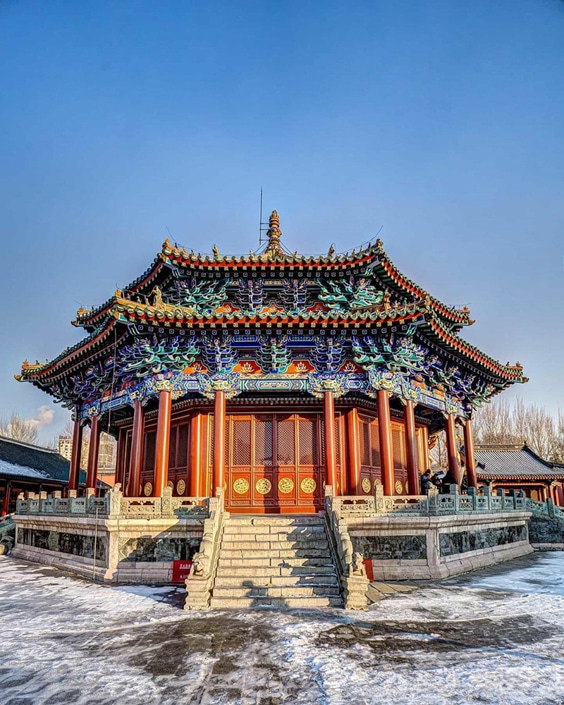
The Shenyang Imperial Palace, also known as Mukden Palace, was the base of the Manchu royals before they captured Beijing. Built beginning in 1625, the palace complex covers 60,000 square meters and contains over 300 rooms across 20 courtyards.
Recognized by UNESCO as a World Heritage Site in 2004, it was added as an extension of Beijing's Forbidden City listing. The palace blends Han Chinese, Manchu, and Mongolian architectural styles — a combination found nowhere else.
Today, it serves as a historical museum and is the only surviving imperial palace complex in China outside of Beijing. For anyone interested in the Qing dynasty, a visit here is essential.
The palace is located in central Shenyang. Take Metro Line 1 to Zhongjie Station and walk about 10 minutes. Opening hours vary by season — generally 8:30 AM to 5:30 PM in summer and 9:00 AM to 4:30 PM in winter. Closed Monday mornings.
Fuling Mausoleum (东陵, Dōnglíng)
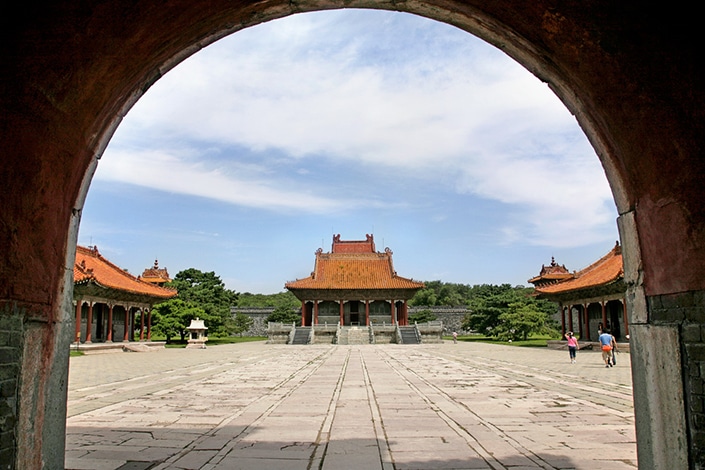
The Fuling Mausoleum is the tomb of Nurhaci, the Qing dynasty's founding leader. Set within a forested park east of the city, the mausoleum combines traditional Chinese burial architecture with distinctive Manchu design elements.
Like the Imperial Palace, the Fuling Mausoleum is a UNESCO World Heritage Site. It is a peaceful and historically rich site that rewards visitors who take the time to walk its grounds.
Zhaoling Mausoleum and Beiling Park (北陵, Běilíng)
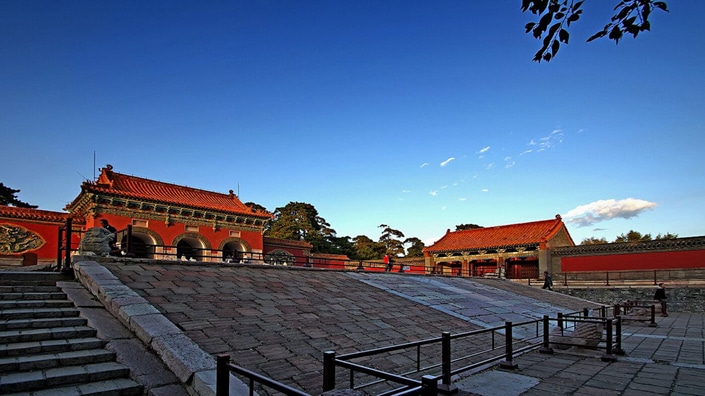
The Zhaoling Mausoleum is the tomb of Emperor Huang Taiji, the second Qing emperor, and his wife. It is the largest imperial tomb in China and another UNESCO World Heritage Site.
The mausoleum sits within Beiling Park, Shenyang's largest public green space. In Chinese, "Beiling" means "north tomb," a reference to the mausoleum's position within the city. To the west of the tomb you'll find beautiful gardens and a children's play area, making the park a relaxing destination for families.
South Mosque and Shisheng Temple
Shenyang is also home to important religious landmarks. The South Mosque (南关清真寺) is one of the largest and most significant Islamic mosques in northeastern China.
The Shisheng Temple, meanwhile, is the city's largest sanctuary for Tibetan Buddhists. Together, these sites reflect the diverse cultural and religious heritage of the region.

Study Chinese in Guilin or Start Online
CLI offers personalized Chinese instruction built around your goals. Join our Immersion Program in Guilin or begin from anywhere with a free Chinese lesson .
03Outdoor Attractions and Nature
Beyond its imperial landmarks, Shenyang offers a surprising range of natural attractions and outdoor activities. Here are some of the best.
Meteorite Mountain Park
Want to see a meteorite up close? Shenyang's Meteorite Mountain Park is home to the world's most massive meteorite, weighing at least 2 million tons. Scientists estimate it fell to earth 1.9 billion years ago and is roughly 4.5 billion years old.
Qipan Mountain (棋盘山, Qípánshān)
Situated 20 km (12.4 miles) from central Shenyang, Qipan Mountain is a stunning natural reserve popular for hiking and outdoor exploration. The name "qipan" (棋盘, qípán) means "chessboard" in Mandarin — a nod to the mountain's history as the site of a Women's Chess Championship.
Climb to the summit for panoramic views of the Shenyang skyline. The surrounding Qipan Scenic Area also hosts the Shenyang International Ice and Snow Festival in winter, offering a memorable cold-weather experience.
Shenyang Botanical Garden
Established in 1959, the Shenyang Botanical Garden boasts more than 1,700 plant varieties, including many rare species. It's a top destination for botanists and nature lovers — and an especially excellent place to welcome the spring season.
International Horticultural Expo Garden
Located just 18 km (11.2 miles) from the city center, this 246-hectare garden features ten imperial plots, 50 local yards, and 24 open parks earmarked for exhibitions. It's a popular spot for anyone who loves flora and garden design.
Strange Slope — A Gravity-Defying Natural Wonder
Located 30 km (18.6 miles) from Shenyang, the 80-meter (262-foot) long Strange Slope appears to defy the laws of gravity. If you stop a car at the foot of this slope, it will drift upward toward the top instead of rolling downward.
Whether you drive or walk along the slope, the experience is a memorable one and a favorite among visitors to the region.
04What to Eat and Where to Shop in Shenyang
Shenyang boasts an impressive food scene shaped by Chinese, Korean, and Western culinary traditions. Whether you're craving traditional northeastern Chinese stewed chicken, cold noodles influenced by nearby Korea, or Western-style pizza, the city delivers.
For an immersive eating experience, head to Tai Qing Pedestrian Street — a bustling shopping paradise popular with locals and visitors alike. You can buy everything from local crafts to mouthwatering bites here, and several permanent restaurants serve some of the best northeastern Chinese delicacies.
If you're a vegetarian, it helps to brush up on key Mandarin phrases for vegetarians in China before your trip. And for general dining etiquette, our guide to Chinese table manners is a helpful read.
Royal Ocean World
For family-friendly fun, Royal Ocean World is a popular amusement park in downtown Shenyang. It features a waterpark called "Hawaii" with water rides and a stunning aquarium with unique fantasy-themed exhibits.
05Practical Travel Tips
Best Time to Visit Shenyang
Shenyang has a continental climate with dry conditions for most of the year. Summers are hot, with temperatures reaching as high as 39.3°C (103°F), while winters are bitterly cold, often dropping well below 0°C (32°F). Pack plenty of warm layers if visiting in winter.
| Season | Temperature Range | Notes |
|---|---|---|
| Spring (May–Jun) | 23–27°C (73–81°F) | Ideal weather; fewer crowds |
| Summer (Jul–Aug) | 25–39°C (77–103°F) | Hot and humid; plan indoor visits during midday |
| Autumn (Aug–Oct) | 16–28°C (61–82°F) | Pleasant temperatures; great for sightseeing |
| Winter (Nov–Mar) | -20–0°C (-4–32°F) | Very cold; Ice and Snow Festival season |
The best windows for visiting are May to June and August to October, when temperatures are comfortable and the city is less crowded.
How to Get to Shenyang
Shenyang is well-connected by air, rail, and road. International travelers can fly into Shenyang Taoxian International Airport, which offers direct flights from South Korea, Hong Kong, Tokyo, and Osaka.
Domestic flights connect Shenyang to Sanya, Beijing, Xi'an, and Guangzhou, among many other cities. For those who prefer a more scenic approach, the city is also a major stop on China's high-speed rail network — the high-speed train from Beijing takes roughly 4 hours.
Shenyang has two main railway stations — North and South — both serving as entry points from Beijing, Jilin, Dalian, Tianjin, and Harbin. By car, Beijing is about 685 km (425 miles) away, and long-distance buses also connect the city to major northeastern hubs.
Is Shenyang Safe for Tourists?
Shenyang is considered a safe city for visitors. Crime rates have dropped significantly in recent years. That said, it's always advisable to exercise standard personal security precautions, just as you would in any large city.
Language Tips
Shenyang natives speak a local dialect that is quite similar to China's standard Mandarin (普通话, Pǔtōnghuà). This makes it one of the easier cities in China for Mandarin learners to practice listening and speaking.
Even basic Chinese will go a long way here. If you're preparing for a trip, brushing up on essential Chinese travel phrases can make your experience noticeably smoother.
06Shenyang for Chinese Learners
If you are studying Chinese, Shenyang is more than a vacation — it is a chance to bring your studies to life in a city that shaped one of China's most important dynasties.
Practice Your Mandarin
Because the local Shenyang dialect is close to standard Mandarin, visitors will find the city surprisingly accessible for language practice. Ordering food at a local restaurant, navigating the metro, or chatting with vendors at Tai Qing Street are all real-world opportunities to use the language.
Where Qing Dynasty History Comes Alive
The Qing dynasty you've read about in textbooks began right here. Walking through the same palace halls where Nurhaci and Huang Taiji held court creates a tangible connection to the history behind the language and culture you're learning.
For learners who want to take their Chinese further, structured one-on-one instruction can help build a stronger foundation and make the most of travel experiences like these.
07Useful Shenyang Vocabulary
The following vocabulary will help you navigate Shenyang's history, landmarks, food scene, and daily travel situations with more confidence.
| Chinese | Pinyin | Translation |
|---|---|---|
| 沈阳 | Shenyang | |
| 盛京 | Shengjing (historic name of Shenyang) | |
| 奉天 | Fengtian / Mukden (historic name) | |
| 辽宁 | Liaoning Province | |
| 清朝 | Qing dynasty | |
| 满族 | Manchu ethnic group | |
| 故宫 | imperial palace / former palace | |
| 沈阳故宫 | Shenyang Imperial Palace | |
| 福陵 | Fuling Mausoleum | |
| 昭陵 | Zhaoling Mausoleum | |
| 北陵公园 | Beiling Park | |
| 棋盘山 | Qipan Mountain | |
| 植物园 | botanical garden | |
| 博物馆 | museum | |
| 清真寺 | mosque | |
| 寺庙 | temple | |
| 东北菜 | Northeastern Chinese cuisine | |
| 冷面 | cold noodles | |
| 地铁 | metro / subway | |
| 火车站 | train station | |
| 机场 | airport | |
| 普通话 | Standard Mandarin | |
| 方言 | dialect | |
| 好吃 | delicious |
08Plan Your Visit
Shenyang is a city that blends the ancient and the modern. Whether you come for the imperial palaces, the natural scenery, or the food, there's something here for everyone. It's one of the best places to visit in China for history lovers.
After exploring Shenyang, Qing dynasty history aficionados may want to head south to Beijing and visit the Summer Palace, the primary residence of later Qing emperors. For a different flavor of ancient China, consider a trip to Suzhou, famous for its classical Chinese gardens, or Xi'an, the ancient starting point of the Silk Road.
If you're planning a northeastern China itinerary, nearby Harbin — famous for its spectacular ice festival — makes an excellent companion stop.