

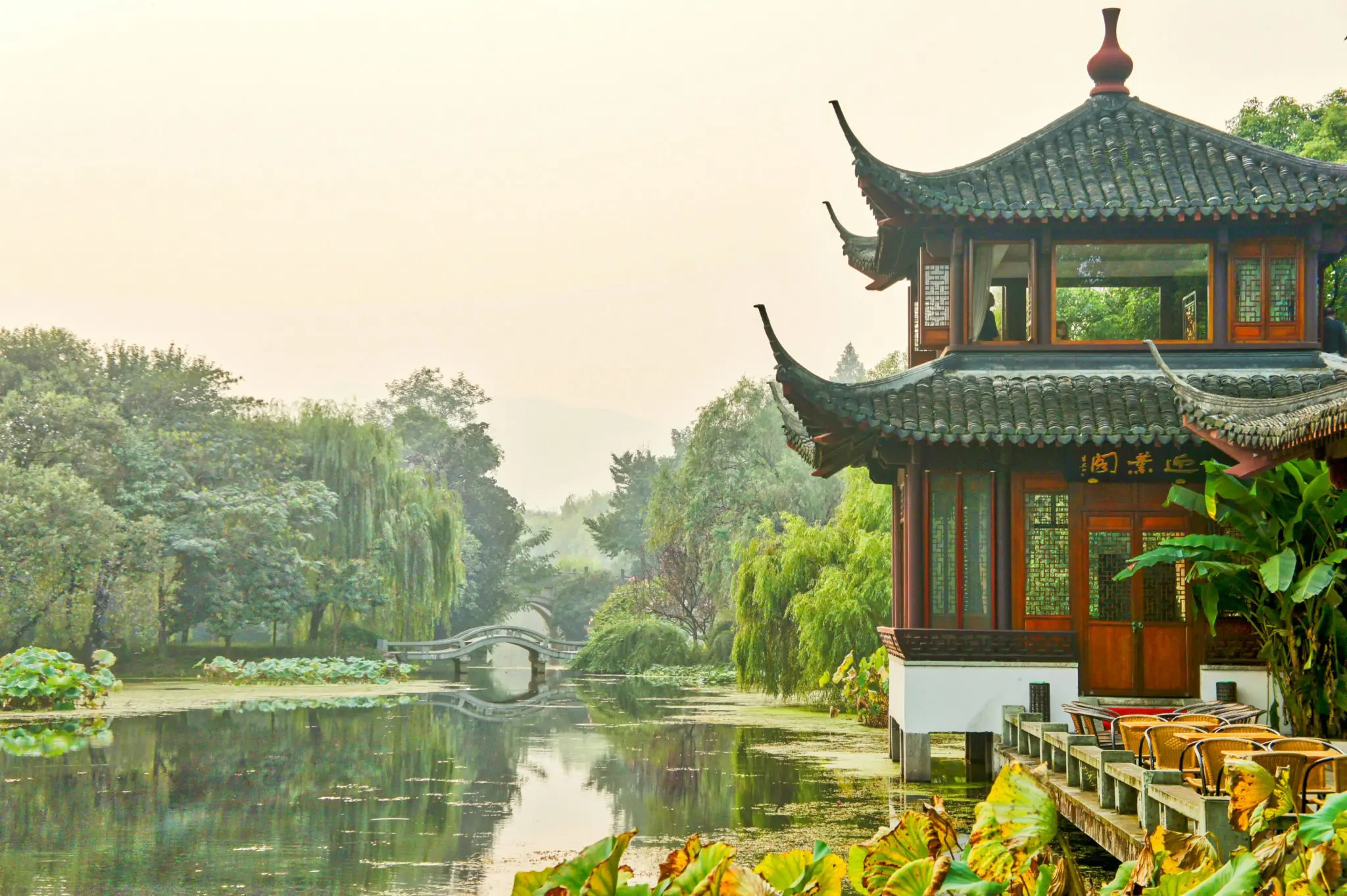
- Hangzhou (杭州, Hángzhōu) is best understood as a cultural landscape city — not just a checklist of isolated attractions.
- For most first-time visitors, West Lake (西湖, Xīhú) should stay at the center of the trip.
- Lingyin Temple (灵隐寺, Língyǐn Sì) is the strongest second priority for visitors who want more cultural and historical depth.
- If you have enough time, Longjing tea culture often makes the most rewarding third layer.
- One day can work, but two days is often the most comfortable first-time balance.
- For Chinese learners, Hangzhou is a place where language, history, and living culture come together — making it one of the most rewarding destinations for anyone looking to learn Chinese in China or explore the country's cultural heritage firsthand.
If you are planning a trip to China, Hangzhou can be a slightly confusing destination at first. People often describe it as beautiful, peaceful, or romantic — which is not wrong. The problem is that those descriptions alone do not tell you what Hangzhou is actually best at, or whether it deserves a place in a limited itinerary.
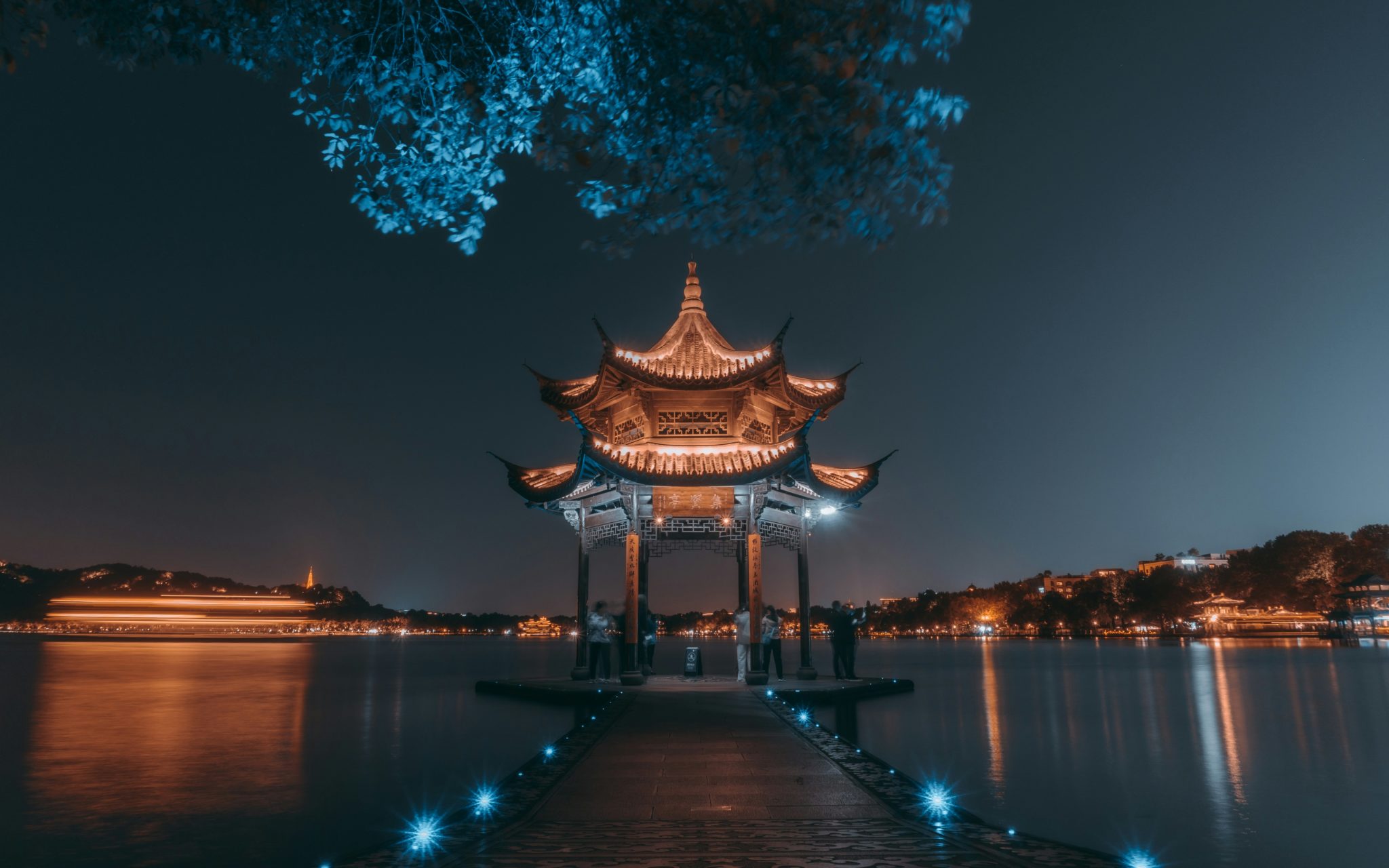
Here's the good news: for most first-time visitors, Hangzhou is at its best when you treat it as a cultural landscape city rather than a sightseeing checklist. West Lake is the heart of the experience, and it is not just locally famous. It is recognized by UNESCO as a cultural landscape shaped over centuries through causeways, islands, temples, pagodas, gardens, and designed viewpoints.
That broader context matters. It helps explain why Hangzhou feels rewarding when you slow down and see how scenery, temples, tea culture, and history fit together. For many first-time visitors, the safest structure is simple: keep West Lake at the center, add Lingyin Temple, then use tea culture as your third layer if you have enough time. Before planning a trip, visitors should also check out the latest China visa-free travel guide.
If you are visiting Hangzhou for the first time, the safest priority order is simple: start with West Lake, add Lingyin Temple if time allows, then use tea culture as your third layer. Treat most other sights as optional rather than compulsory.
01 What Is Hangzhou Known For?
Hangzhou, or 杭州 (Hángzhōu), is best known for West Lake, or 西湖 (Xīhú). But West Lake is not just a lake with nice views. It is the core of one of China's most celebrated cultural landscapes.
The appeal is not only natural scenery — it is also the way causeways, pagodas, gardens, temples, islands, and viewing points were carefully shaped to work together as one idealized composition. Poets, painters, Buddhist monks, and government officials all contributed to this vision over many centuries, and the result is a landscape that feels designed rather than accidental.
This matters because it changes how you should visit. If you go expecting a single headline monument, Hangzhou may feel underwhelming. If you go expecting a city built around atmosphere, layered scenery, and slow appreciation, it makes much more sense.
Beyond West Lake, Hangzhou is also known for three things that matter to travelers:
- Buddhist heritage, especially around Lingyin Temple (灵隐寺, Língyǐn Sì), one of China's most important Buddhist monasteries. For a broader look at this tradition, see our guide to religion in ancient China.
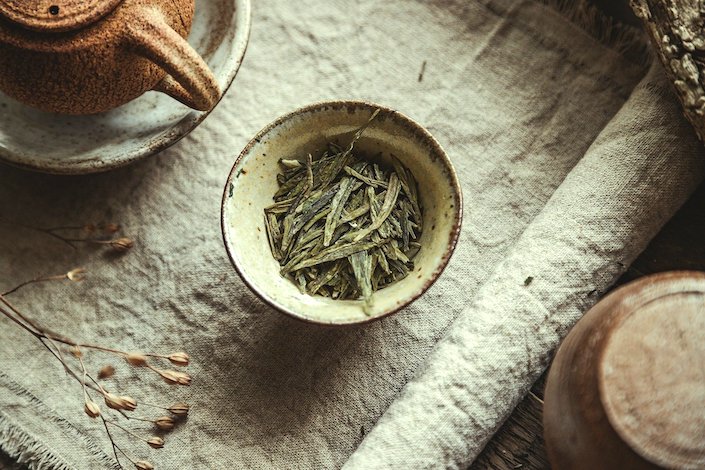
- Longjing tea culture, which gives the city one of its strongest local identities and connects it to the broader tradition of Chinese tea culture.
- Its former role as the capital of the Southern Song dynasty, when the city was known as Lin'an (临安, Lín'ān) — a period of extraordinary cultural and artistic achievement in Chinese history.
In other words, Hangzhou is not just "a pretty place near Shanghai." It is one of eastern China's classic cultural destinations, and it regularly appears on any list of the best places to visit in China.
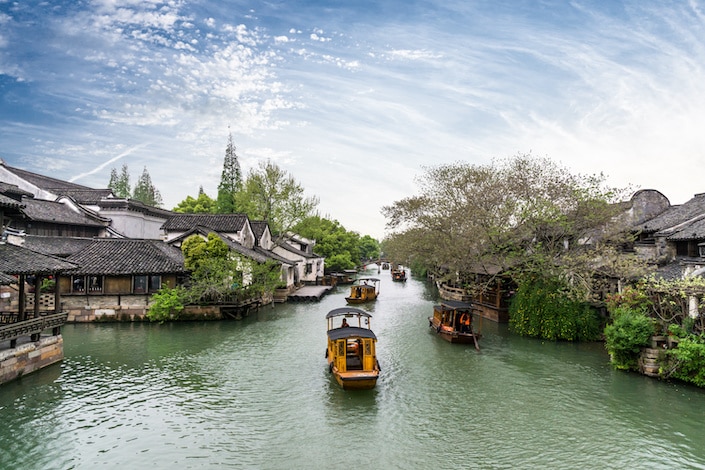
02 Is Hangzhou Worth Visiting?
For many travelers, yes — and it is easy to see why. Hangzhou is especially worth visiting if you like places that reward slower travel.
It is a strong choice for people who enjoy walking, lakeside scenery, temple visits, tea culture, and places where the mood matters as much as the landmark count. In addition, it pairs naturally with other eastern China destinations like Suzhou and Shanghai, making it easy to build into a broader itinerary.
That said, Hangzhou is not automatically the best choice for everyone. If your ideal trip is built around mega-museums, dense urban energy, or a very fast checklist of famous monuments, Hangzhou may feel too soft-edged. Its appeal is real, but it is not aggressive. The city usually gives more to visitors who are willing to slow down.
03 Who Should Visit Hangzhou?
Hangzhou is likely to appeal most to:
- First-time visitors to China who want a scenic but culturally meaningful stop
- Travelers interested in Chinese gardens, temples, and literary landscapes
- Tea lovers
- People pairing it with Shanghai or Suzhou
- Visitors who prefer one strong area explored well over ten rushed stops
Hangzhou may be less ideal for:
- Travelers with only a few hours and no overnight stay
- People who want every attraction to feel dramatically different from the last
- Visitors who do not enjoy walking, scenic wandering, or temple environments
This does not mean a short visit cannot work. It just means Hangzhou usually pays off more when you give it a little breathing room.
04 Top Things to Do in Hangzhou for First-Time Visitors
West Lake (西湖, Xīhú)
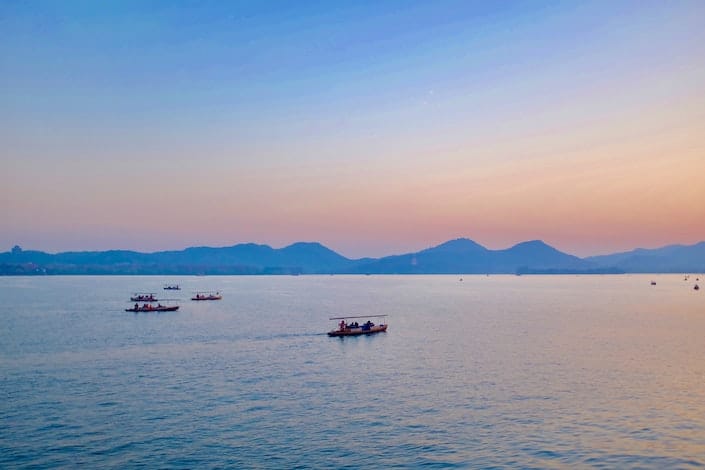
If you do only one thing in Hangzhou, make it West Lake. This is the city's defining attraction and the main reason most people come. It is also much larger and more layered than many first-time visitors expect. The point is not to "finish" it — the point is to experience at least part of it well.
A good first visit usually means choosing a section or two, walking slowly, and combining lake views with one or two nearby cultural elements rather than trying to circle everything mechanically. What makes West Lake special is the combination of scenery and design. Bridges, causeways, pavilions, islands, and historic viewpoints were not added randomly. They help create the landscape that made Hangzhou famous in the first place.
West Lake is not best approached as a strict box-ticking route. Leave room to walk, pause, and absorb the setting. If you try to add too many extra sights in a single day, the city's atmosphere — which is its greatest strength — disappears.
Lingyin Temple (灵隐寺, Língyǐn Sì)
For many first-time visitors, Lingyin Temple is the strongest cultural add-on after West Lake.
It gives Hangzhou more weight and contrast. After a scenic, lake-centered experience, Lingyin brings in Buddhist architecture, religious history, and a different emotional tone. Founded during the Eastern Jin period, it is one of China's largest and most historically significant Buddhist monasteries. Even if you are not especially religious, it is often one of the most memorable stops because it feels substantial rather than decorative.
If your time is limited, West Lake plus Lingyin Temple is usually the strongest one-two combination for a first visit.
Before you go, check the current entry rules for Lingyin Temple — ticketing details, reservation requirements, and opening hours can change. Arriving early in the morning generally means fewer crowds and a more contemplative atmosphere.

Longjing Tea Village and Tea Culture (龙井, Lóngjǐng)
The third layer that often makes a Hangzhou trip feel complete is tea culture.
Longjing, or 龙井 (Lóngjǐng), is one of China's most celebrated teas and one of Hangzhou's best-known cultural symbols. For many travelers, this part of Hangzhou adds texture that a purely scenic itinerary would miss. If West Lake gives you Hangzhou's visual identity and Lingyin gives you spiritual and historical depth, tea culture gives you its lived local character.
This does not mean every tea-themed stop deserves equal priority. It means that if you have enough time, a tea-village area, tea-focused museum, or tea-landscape experience can be more rewarding than padding your schedule with too many minor attractions. A particularly useful option is the China National Tea Museum, which is devoted specifically to Chinese tea culture and helps connect Hangzhou's landscape to one of its strongest local traditions.
05 How Many Days Do You Need in Hangzhou?
| Time You Have | Best Use of It | How to Think About It |
|---|---|---|
| 1 day | West Lake + one major second stop, usually Lingyin Temple | Selective rather than complete |
| 2 days | West Lake, Lingyin Temple, and a tea-focused experience | Often the best first-time balance |
| 3 days | Core priorities plus one or two optional additions | Generous rather than necessary for many travelers |
If You Have One Day in Hangzhou
Keep it simple. Use most of your time on West Lake, then add one major second stop. For most people, that second stop should be Lingyin Temple.
A good one-day Hangzhou visit is not about maximizing quantity. It is about avoiding a scattered day that turns into transport, queues, and rushed photos. If you try to add too many extra sights, the city's calm, atmospheric appeal diminishes quickly. A one-day visit can work, but it will feel selective rather than complete.
If You Have Two Days in Hangzhou
Two days is usually the sweet spot for many first-time visitors. Day one can focus on West Lake and its immediate surroundings.
Day two can cover Lingyin Temple and a tea-focused experience, or a more relaxed mix of temple, tea, and another secondary stop. This is often enough time to understand the city's basic logic without making the trip feel bloated.
If You Have Three Days in Hangzhou
Three days makes sense if you really enjoy scenic travel, want a slower pace, or plan to explore beyond the core priorities.
At that point, optional additions start to make more sense. You have room for tea-country time, a canal-related stop, a secondary viewpoint, or a more relaxed pace around the lake without feeling that every extra stop is crowding out something more important. For many travelers, though, three days is generous rather than necessary.
06 A Brief History of Hangzhou
You do not need to study a full dynasty timeline before visiting Hangzhou. Still, two pieces of history are genuinely useful for understanding why the city feels the way it does.
How West Lake Became a Cultural Landscape
West Lake became famous not just because it was naturally attractive, but because it was developed, interpreted, and celebrated over many centuries as an ideal cultural landscape. Poets, painters, officials, monks, and garden-minded elites all helped shape the way people experienced it. The causeways, islands, and viewing points that visitors enjoy today are the product of deliberate aesthetic choices stretching back more than a thousand years. Much of the language used to describe West Lake over the centuries draws on the tradition of Chinese literary culture, where landscape and poetry have always been deeply intertwined.
Hangzhou as the Southern Song Dynasty Capital
Hangzhou served as the capital of the Southern Song dynasty (1127–1279 CE) under the name Lin'an (临安). That does not mean the modern city feels like an open-air Song museum. It does mean Hangzhou's prestige was political and cultural, not accidental. The city mattered at a very high level during one of the most refined periods in Chinese history, and that helps explain why it accumulated so much symbolic and artistic importance.
The Grand Canal is also part of Hangzhou's broader historical significance — the city sits at the canal's southern terminus, connecting it to Beijing and the vast trade networks of imperial China. For most first-time visitors, however, the canal is better treated as meaningful context or an optional add-on rather than the main event.
07 Best Time to Visit Hangzhou
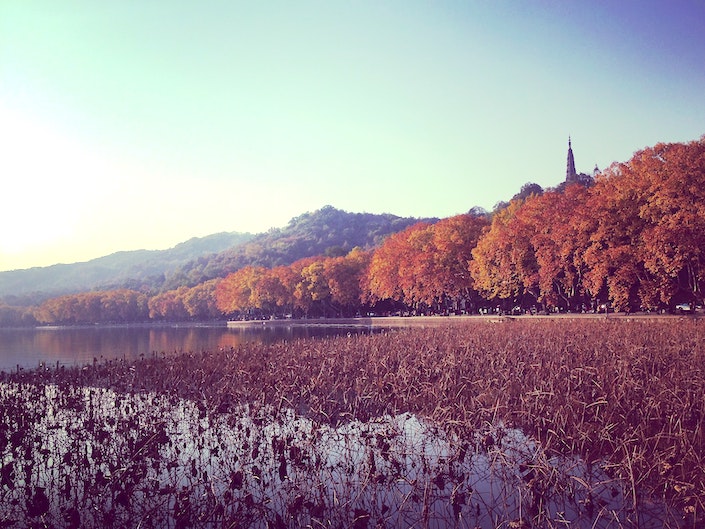
Hangzhou is usually easiest to enjoy in milder weather, which is one reason spring (March–May) and autumn (September–November) are often recommended. However, they are not the only possible times to go.
| Season | What to Expect | Notes |
|---|---|---|
| Spring (Mar–May) | Mild, green, often misty | Popular season; West Lake at its most photogenic |
| Summer (Jun–Aug) | Hot and humid | Outdoor sightseeing can feel tiring; lotus season on the lake |
| Autumn (Sep–Nov) | Comfortable, clear skies | Peak season; ideal for walking and temple visits |
| Winter (Dec–Feb) | Cold, quieter | Fewer crowds; atmospheric and moody; snow on the lake is memorable |
Summer can still be rewarding, especially if you do not mind heat and humidity. Winter can be quieter and moodier, which some travelers may actually prefer. The more important point is that Hangzhou is a city whose core attractions depend heavily on atmosphere. Weather, crowd levels, and your own energy level will shape the experience more than in some destinations built around a few indoor blockbuster sights.
If possible, avoid building your visit around peak domestic holiday periods such as National Day Golden Week in early October. Other major holidays like Chinese New Year can also bring large crowds, though some travelers find the festive atmosphere worthwhile. Major scenic sites are likely to feel significantly more crowded during these periods, and Hangzhou's calm appeal can diminish quickly when every viewpoint is packed.
08 Other Things to See in Hangzhou
Once you cover West Lake, Lingyin Temple, and a tea-focused experience, the rest of Hangzhou becomes more personal. Here is how to think about the secondary attractions.
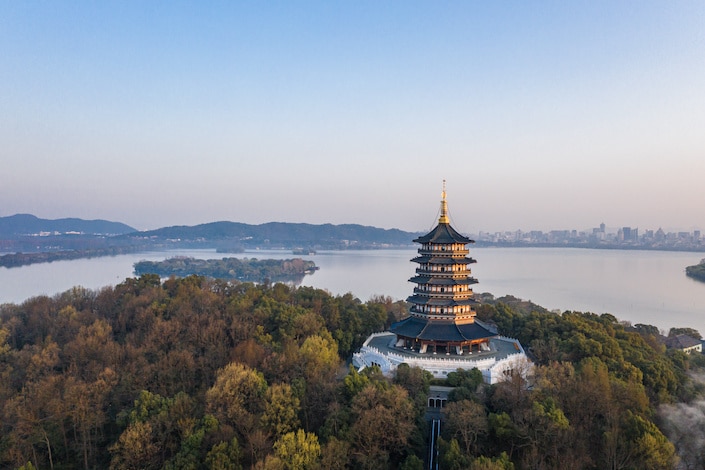
Leifeng Pagoda (雷峰塔, Léifēng Tǎ)
Leifeng Pagoda can be a reasonable add-on if you want another strong viewpoint over West Lake or if the famous Legend of the White Snake — one of the most beloved stories in Chinese literature — interests you. The reconstructed pagoda also offers panoramic views of the lake and surrounding hills.
The Grand Canal (大运河, Dà Yùnhé)
A canal-related stop can make sense if you care about urban history and want something beyond the lake-centered image of Hangzhou. The section near Gongchen Bridge offers a glimpse of the city's historical role as a major trade hub.
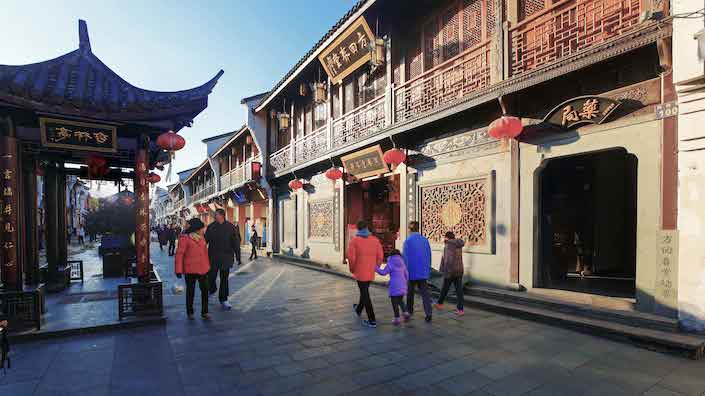
Hefang Street (河坊街, Héfāng Jiē)
Hefang Street may be enjoyable as an atmospheric walk, snack stop, or easy casual add-on, but it should not be treated as a universal must-see. It is a restored commercial street with traditional shopfronts and street food — pleasant for a stroll, but not essential.
Xixi National Wetland Park (西溪湿地, Xīxī Shīdì)
Xixi Wetland may appeal to travelers with extra time, repeat visitors, or people specifically interested in wetland scenery. For a short first trip, though, it is usually harder to justify ahead of the core three priorities.
This is where many Hangzhou guides become less helpful. They start listing attractions instead of helping you rank them. For most first-time visits, ranking matters more than volume.
09 Practical Travel Tips for Visiting Hangzhou
Getting to Hangzhou
Hangzhou is well-connected by both air and rail. Hangzhou Xiaoshan International Airport (HGH) serves domestic and international flights, while the city is a major stop on China's high-speed rail network. As a result, the journey from Shanghai takes roughly one hour, making Hangzhou one of the most convenient day trips or short additions to an eastern China itinerary.
Getting Around Hangzhou
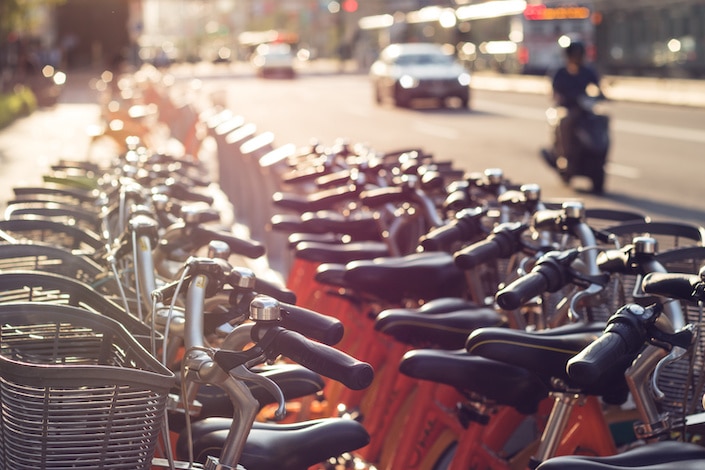
Hangzhou's metro system covers many major areas, and taxis and ride-hailing through Didi (滴滴, Dīdī) are affordable and convenient. Around West Lake itself, however, walking is often the best way to travel. Try to group nearby priorities instead of zigzagging across the city — a calmer route usually produces a better Hangzhou day than an overambitious one.
Language Tips for Hangzhou
Standard Mandarin (普通话, Pǔtōnghuà) works perfectly well throughout Hangzhou. While the local Wu dialect has its own distinctive character, younger residents and anyone in the tourism industry communicate in Standard Mandarin without difficulty. English signage is available at major attractions, though it becomes less common in quieter neighborhoods and tea villages.
Even a few basic Chinese travel phrases can make a noticeable difference — whether you are ordering tea, buying a boat ticket on West Lake, or asking for directions to Lingyin Temple. Recognizing a handful of Chinese characters can also be helpful when reading signs, menus, and temple inscriptions around the city.
A little Chinese goes a long way in Hangzhou, and the difference between having basic skills and having none is felt at every teahouse counter and temple entrance. If you want to arrive prepared, studying with CLI before your trip can turn a good visit into a much richer one.

Build Around Your Real Interests
If you care most about temple culture, give Lingyin proper time. If you care most about tea, do not reduce that part of the city to a rushed photo stop. Hangzhou rewards focus more than it rewards speed.
Verify the Logistics Most Likely to Change
Opening hours, reservation systems, ticketing details, and transport arrangements can change. Before you go, check the current details for the specific places you plan to visit — especially Lingyin Temple entry rules, tea museum hours, holiday crowd levels, and any transport or boating options around West Lake.
Pair Hangzhou with Shanghai or Suzhou
Hangzhou often fits naturally into an eastern China itinerary with places like Shanghai, Suzhou, or Nanjing. If you are deciding between several nearby cities, think in terms of contrast. Hangzhou usually works best as the calmer, more atmospheric counterweight to a faster-paced city experience.
Study Chinese in Guilin or Start Online
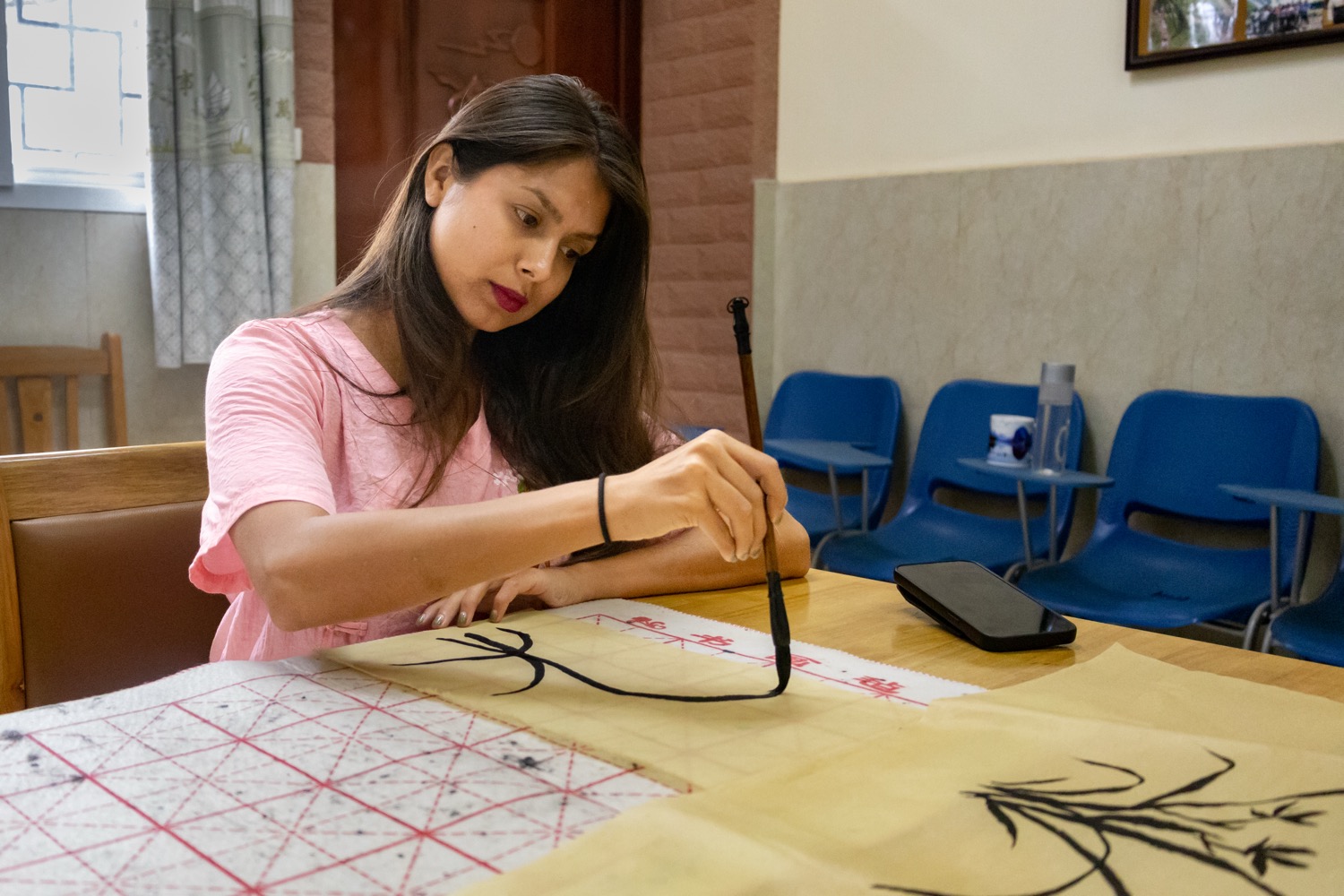
CLI offers personalized Chinese instruction built around your goals. Join our Immersion Program in Guilin or begin from anywhere with a free Chinese lesson .
10 Final Verdict
Hangzhou is not a city that tries to overwhelm you with constant spectacle. Its strength is that it brings together lake scenery, temple heritage, tea culture, and historical prestige in a way that feels unusually coherent. For most first-time visitors, the best strategy is simple: keep West Lake at the center, add Lingyin Temple, consider tea culture your third pillar, and treat the rest as optional rather than compulsory.
Do that, and Hangzhou is likely to feel thoughtful, beautiful, and distinct — not vague or overrated. If you still haven't gotten your fill of traditional Chinese culture after visiting Hangzhou, consider a trip to neighboring Suzhou, the ancient capital of Xi'an, or the stunning karst landscapes of Guilin — three other magnificent cities where history and modernity continue to meet in fascinating ways.
11 Frequently Asked Questions
Is Hangzhou worth visiting for first-time travelers to China?
Yes, especially if you want a stop that combines scenery, cultural depth, and a slower pace. It is usually a stronger fit for travelers who enjoy atmosphere, walking, temples, and tea culture than for travelers who want nonstop blockbuster sightseeing.
How many days do you need in Hangzhou?
One day can work if you stay focused, but two days is often the most comfortable first-time balance. That usually gives you enough time for West Lake, Lingyin Temple, and some form of tea-focused experience without making the visit feel rushed.
What is Hangzhou most famous for?
Hangzhou is most famous for West Lake. More broadly, it is also known for Lingyin Temple, Longjing tea culture, and its historical importance as the capital of the Southern Song dynasty.
Is West Lake enough for one day in Hangzhou?
West Lake can easily fill most of a one-day visit. If you move efficiently, many travelers can still add one major second stop — usually Lingyin Temple — but trying to do too much in one day can weaken the experience.
Should first-time visitors go to Lingyin Temple or Xixi Wetland?
For most first-time visitors, Lingyin Temple is usually the stronger priority. Xixi Wetland can still be worthwhile if you have extra time or a specific interest in wetland scenery, but for a short first trip it is often harder to justify ahead of West Lake, Lingyin Temple, and tea culture.
Can you visit Hangzhou as a day trip from Shanghai?
Yes. High-speed trains from Shanghai to Hangzhou take roughly one hour, making it a feasible day trip. However, two days is usually more comfortable if your schedule allows it.
12 Useful Hangzhou Vocabulary
The following vocabulary — presented with pinyin pronunciation guides — will help you navigate Hangzhou's streets, teahouses, and attractions with more confidence.
| Chinese | Pinyin | Translation |
|---|---|---|
| 杭州 | Hangzhou (city name) | |
| 浙江 | Zhejiang Province | |
| 西湖 | West Lake | |
| 灵隐寺 | Lingyin Temple | |
| 龙井 | Longjing (Dragon Well tea) | |
| 龙井茶 | Longjing tea | |
| 雷峰塔 | Leifeng Pagoda | |
| 河坊街 | Hefang Street | |
| 大运河 | Grand Canal | |
| 西溪湿地 | Xixi Wetland | |
| 临安 | Lin'an (Hangzhou's name as the Southern Song capital) | |
| 南宋 | Southern Song dynasty | |
| 茶馆 | teahouse | |
| 绿茶 | green tea | |
| 寺庙 | temple | |
| 佛教 | Buddhism | |
| 塔 | pagoda; tower | |
| 湖 | lake | |
| 桥 | bridge | |
| 船 | boat | |
| 风景 | scenery; landscape | |
| 博物馆 | museum | |
| 门票 | admission ticket | |
| 地铁 | metro / subway | |
| 高铁 | high-speed rail | |
| 好喝 | delicious (for drinks); tasty to drink |