

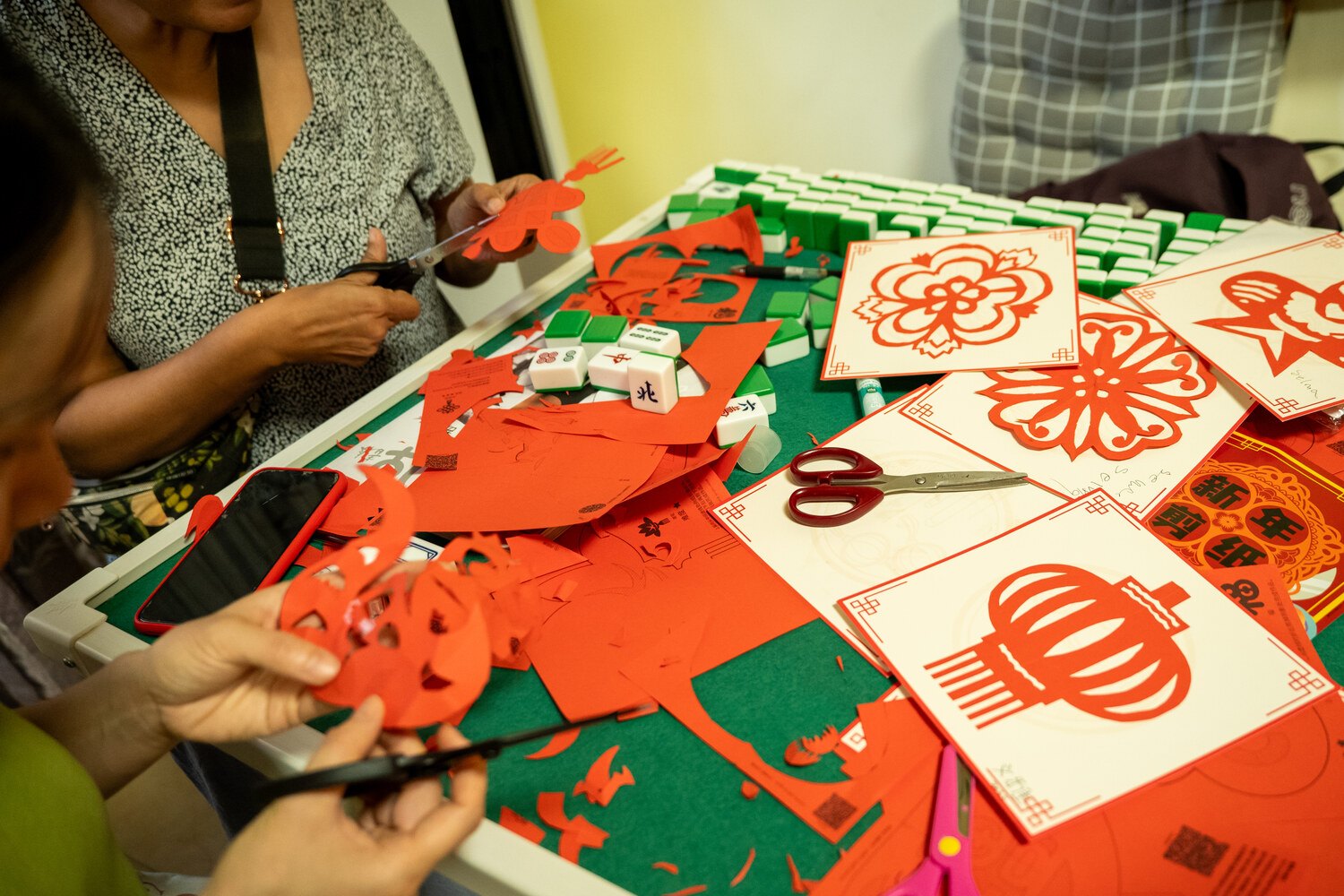
- Chinese shadow puppetry (皮影戏, pí yǐng xì) is one of China's best-known traditional performing arts, combining storytelling, music, painting, carving and live theatrical performance.
- Traditional shadow puppets are often made from leather or paper, painted in vivid colors, and brought to life behind an illuminated translucent screen.
- Shadow plays have long been used to pass down legends, historical stories and social values, making them an important part of China's intangible cultural heritage.
- For Chinese learners, shadow puppetry offers a memorable way to explore Chinese folklore, visual culture and useful vocabulary while deepening cultural understanding — making it one of many rewarding reasons to learn Chinese in China.
Chinese shadow puppetry, also called Chinese shadow play, is a traditional folk theater in which flat, colorful figures are manipulated behind a lit cloth screen to create the illusion of movement. Known in Chinese as 皮影戏 (pí yǐng xì), it blends visual art, storytelling, music and performance into a single expressive tradition.
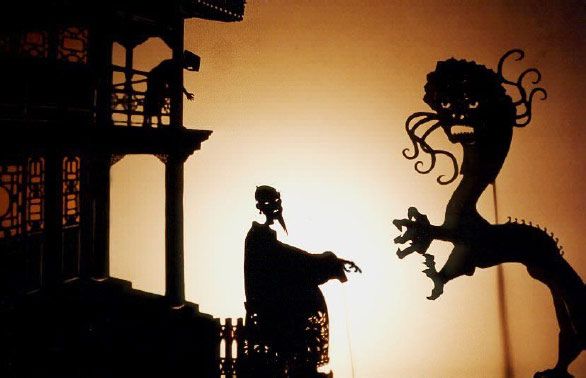
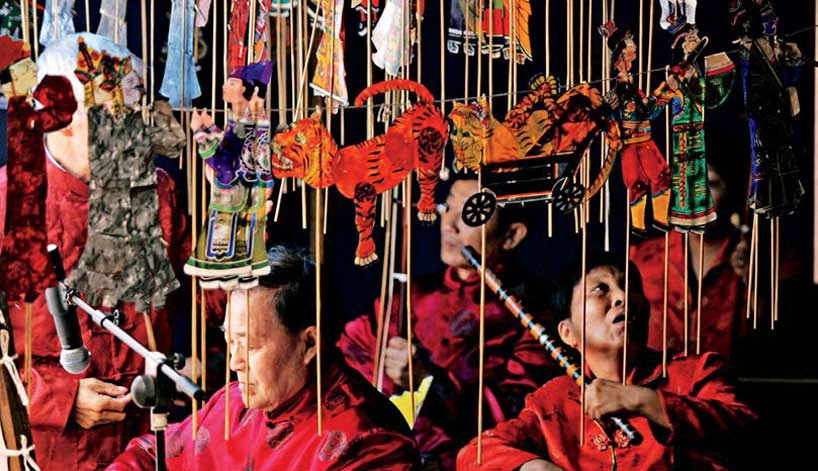
Traditionally, shadow puppets were made from leather or paper and painted with bright pigments to represent recognizable character types from legends, operas and folk tales. Some depict human figures, while others take the form of animals both real and mythical, including Chinese dragons. Their intricate designs place shadow puppetry alongside other classic Chinese visual arts such as Chinese calligraphy.
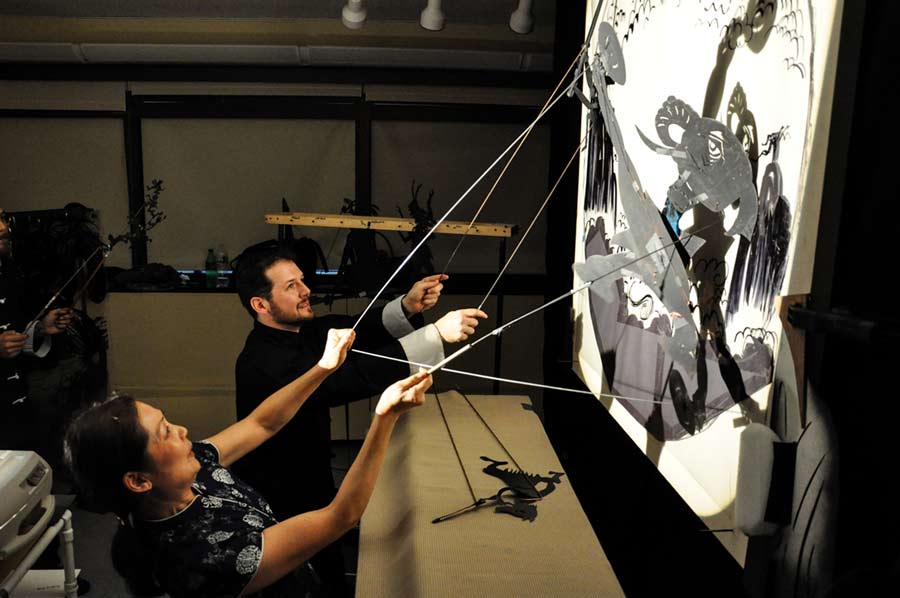
During a performance, the puppets are held against a translucent screen and manipulated with rods while singers and musicians provide dialogue, sound effects and accompaniment. The result is a theatrical art that feels simple in form yet remarkably expressive in motion.
For learners who want culture and language to reinforce each other, traditions like shadow puppetry make Chinese feel more vivid and memorable. It is one more reason many students choose to learn Chinese in China, where artistic traditions, daily life and language study connect more naturally.
01 The History and Origins of Chinese Shadow Puppetry
The origins of Chinese shadow puppetry are ancient, though the exact starting point is difficult to pin down with certainty. To understand how shadow plays developed, it helps to look at the broader arc of Chinese history and the role performance arts played in court and village life.
Traditional Han Dynasty Origin Story
A well-known origin story links Chinese shadow puppetry to the Han Dynasty. According to legend, a court magician created a shadow image to console Emperor Wu after the death of his beloved consort. Today, this story is usually treated as a traditional origin legend rather than firm historical proof of exactly when the art form began.
How Shadow Puppetry Spread from Court to Village
Over the centuries, shadow plays spread far beyond elite circles and became a widely loved form of folk entertainment. By the late imperial period, local troupes performed for ordinary communities, especially during festivals, temple fairs and seasonal celebrations — much like the communal gatherings still seen today during events such as the Lantern Festival.
Shadow Puppetry During the Ming and Qing Dynasties
During the Ming and Qing dynasties, shadow puppetry flourished in many regions of China. Traveling troupes brought performances to towns and villages, and local styles developed their own music, carving techniques and storytelling traditions.
Because the stories often drew on opera, folklore and moral tales, shadow plays helped preserve cultural memory across generations. In that sense, they belong to the same wider world of traditional performance as regional opera forms like Guilin Opera.
Chinese Shadow Puppetry Today and UNESCO Recognition
In the 20th century, shadow puppetry declined in popularity as cinema, television and other modern entertainment forms spread. Political upheaval also disrupted some local performance traditions. Even so, the art did not disappear. Today it remains an important symbol of Chinese traditional culture and was inscribed on UNESCO's Representative List of the Intangible Cultural Heritage of Humanity in 2011.
UNESCO describes Chinese shadow puppetry as a theater form performed with colorful silhouette figures made from leather or paper, accompanied by music and singing on a translucent cloth screen.
02 How Chinese Shadow Puppets Are Made and Performed
Part of what makes Chinese shadow puppetry so fascinating is that it is both a visual art and a performing art. Each puppet is a handcrafted object, and every performance is a live synthesis of image, sound and story.
Traditional Materials: Leather, Paper and Paint
Shadow puppets are usually cut from thin leather or, in some traditions, paper. The figures are then dyed or painted and assembled with movable joints so that arms, legs and heads can be manipulated during performance. The craft requires careful carving, coloring and assembly, and finished puppets are both functional stage objects and works of folk art.
Movement, Music and Voice in Shadow Play
The puppets are controlled with rods rather than strings, so they are not technically marionettes. As the puppeteers move them behind the lit screen, singers and instrumentalists bring the scene to life through narration, dialogue, rhythm and song. Veteran performers often master specialized techniques such as improvisational singing, falsetto and the simultaneous manipulation of several puppets. This combination of image, sound and story is what gives shadow play its lasting appeal.
Stories, Characters and Symbolism
Shadow plays have traditionally dramatized historical episodes, folk legends, religious tales and moral stories. Common characters include emperors, generals, scholars and mythical figures from classical storytelling traditions. Their stylized costumes and character designs also connect them to broader Chinese artistic traditions, including traditional Chinese clothing and operatic costume design.

Study Chinese in Guilin or Start Online
CLI offers personalized Chinese instruction built around your goals. Join our Immersion Program in Guilin or begin from anywhere with a free Chinese lesson .
03 Why Chinese Shadow Puppetry Is Important in Chinese Culture
Chinese shadow puppetry is more than a niche theatrical tradition. It is a living record of how stories, values and local identity were once shared before mass media — and it continues to shape how Chinese communities connect with their heritage today.
How Shadow Plays Preserve Chinese Folklore
For generations, shadow plays helped pass down stories that people already knew from oral tradition, opera and local legend. Tales of loyalty, filial piety and heroism were performed at temple fairs and seasonal celebrations such as Chinese New Year, reinforcing shared values through entertainment. In that sense, shadow puppetry functioned as both performance art and cultural education.
Regional Shadow Puppet Traditions Across China
China developed many regional shadow puppet traditions, each with its own carving style, music and repertory. Well-known traditions can be found in places such as Shaanxi, Hebei, Sichuan, Gansu, Shanxi and Liaoning, among others. That regional variation is one reason the art remains so rich and difficult to reduce to a single standardized form. UNESCO also notes that Chinese shadow puppetry includes many communities, groups and regional styles across the country.
Why Shadow Puppetry Is Useful for Chinese Learners
For Mandarin students, traditional arts like shadow puppetry provide cultural context for vocabulary that might otherwise feel abstract. Shadow plays introduce learners to Chinese idioms, historical references and folk vocabulary in a vivid, memorable way. If you are also working on literacy, our guide on how to learn Chinese characters can help you connect written Chinese with the cultural world behind it.
Learners preparing for travel may also find it useful to review practical expressions before visiting museums, performances or heritage sites. A short guide to Chinese travel phrases can make those experiences easier to navigate.
04 Watch a Chinese Shadow Puppet Performance
To get a better feel for how the puppets move and how music shapes the performance, watch this short video example of a traditional Chinese shadow play:
05 Chinese Shadow Puppet Vocabulary List
Below is a useful beginner-friendly vocabulary list related to Chinese shadow puppetry and performance. For a deeper dive into pinyin and how it works, check out our beginner's guide.
| Chinese | Pinyin | Translation |
|---|---|---|
| 皮影戏 | shadow play / shadow puppetry | |
| 传说 | legend | |
| 龙 | dragon | |
| 木偶 | puppet | |
| 影子 | shadow | |
| 画师 | artist | |
| 脚本 | script | |
| 歌曲 | song | |
| 音乐 | music | |
| 文化 | culture | |
| 服装 | costume / clothing | |
| 表演 | performance |
06 Explore More Traditional Chinese Arts and Culture
Chinese shadow puppetry offers a rare window into the worlds of folklore, craftsmanship, music and theatrical storytelling. Although it belongs to the past in some ways, it also remains a living tradition that helps modern audiences understand how culture was performed, remembered and shared.
If you enjoyed learning about shadow puppetry, continue exploring China's artistic traditions with our articles on Guilin Opera, traditional Chinese clothing and Chinese martial arts. For learners ready to take the next step, our guide on whether Chinese is hard to learn can help you plan your study journey.