

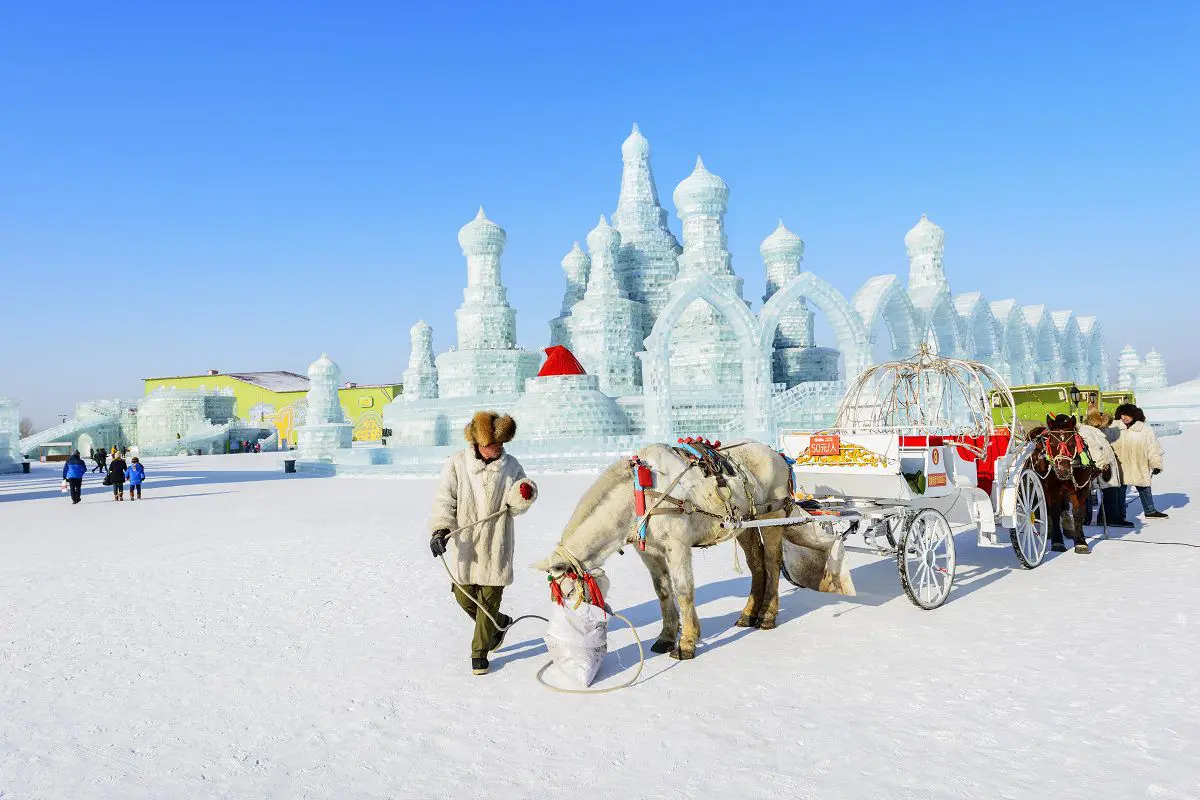
- In mainland China, Christmas (圣诞节, shèngdàn jié) is mainly a commercial and romantic occasion rather than a religious or public holiday.
- December 25th is not an official public holiday in mainland China, so most businesses and schools stay open. Hong Kong and Macau, by contrast, observe it as a public holiday.
- Christmas first reached China centuries ago through Tang Dynasty missionaries, but it only gained mass popularity after the economic reforms of 1978.
- A distinctive local custom is gifting apples on Christmas Eve, a play on the words for “apple” (苹果) and “peace” (平安).
- The holiday continues to spark debates about cultural exchange, commercialization, and national identity in contemporary China.
Christmas has arrived in China, and the country is ready to celebrate. Believe it or not, December 25th has gradually carved out its own unique place in the Chinese holiday calendar. Join us as we explore the history, customs, and cultural debates that shape Christmas in China today.
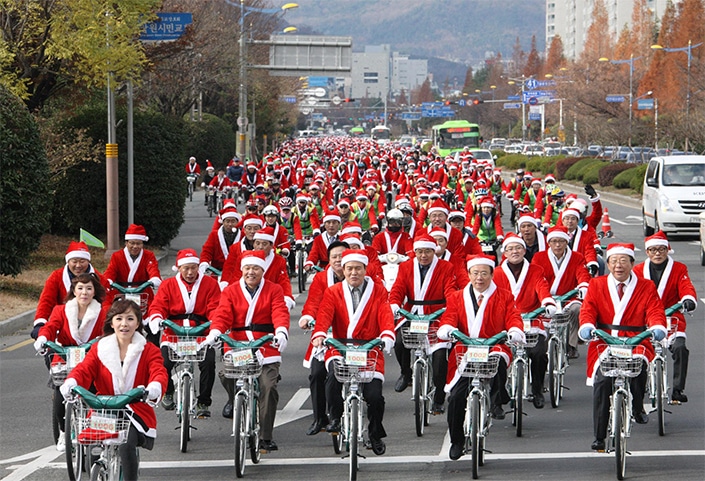
Although Christmas is celebrated very differently here than in the West, it offers a fascinating window into how a global tradition can be reinterpreted within a new cultural setting. For visitors and language learners alike, understanding how the holiday is observed can make festive-season conversations and outings far more meaningful.
01 The name and its meaning
The term for Christmas in Mandarin, 圣诞节 (shèngdàn jié in pinyin), is not just a translation but a reflection of the holiday's nature and its adaptation into Chinese culture. Each character carries its own significance, and together they capture the essence of Christmas as understood in the Chinese context.
- 圣 (shèng): This character stands for “saint” or “holy,” capturing the sacred aspect of the holiday. It nods to the religious origins of Christmas, marking it as a day that holds spiritual significance, particularly for those who understand and observe its Christian roots.
- 诞 (dàn): This character means “birth,” linking the day directly to the reason Christmas is celebrated globally — the birth of Jesus Christ. In the Chinese rendition of the holiday, this aspect is acknowledged, even if the religious connotation is not as pronounced as in Western countries.
- 节 (jié): Translating to “holiday” or “festival,” this character appears in the names of many celebrations across the Chinese year. Its use positions Christmas as a festive occasion, aligning it with other significant days in the cultural and social landscape.
Placing Christmas alongside long-established festivals is easier to appreciate once you understand how the traditional Chinese calendar organizes the year. Most major celebrations follow lunar dates, which is one reason a fixed-date, imported holiday like Christmas occupies such a distinctive position.
02 Christmas Day in China
While Christmas is often celebrated over an extended period elsewhere — encompassing the days before and after December 25th — in mainland China the observance is more concise and focused.
A one-day celebration — no more, no less
Unlike many Western countries, where festivities can span from Christmas Eve through Boxing Day or even into the New Year, in China the celebrations center on December 25th alone. This focused approach reflects how China integrates a Western tradition into its own calendar without extending it into a prolonged holiday season. The concept of Boxing Day or Second Christmas Day, as observed in some Western countries, is essentially non-existent on the mainland.
In mainland China, December 25th is not a public holiday, which means businesses, government offices, and schools generally operate as usual. However, some international schools and companies with Western ties may offer a day off or hold special events to mark the occasion.
Christmas in Hong Kong and Macau
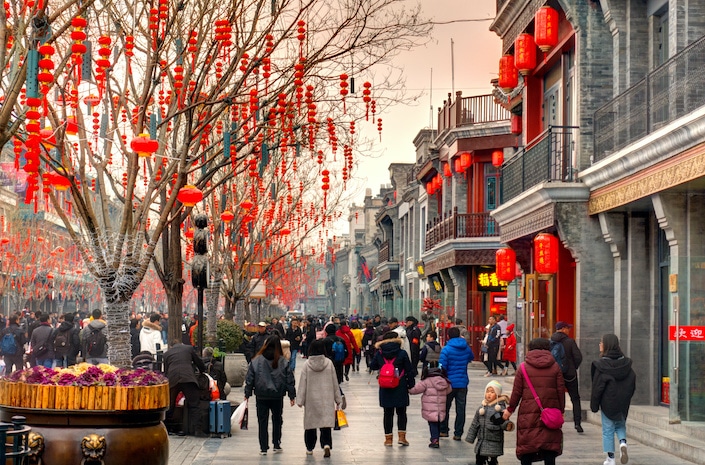
In contrast to mainland China, where Christmas is largely commercial, Hong Kong and Macau celebrate it with a blend of traditional and festive Western customs. As official public holidays, December 25th and Boxing Day are marked with vibrant celebrations that reflect their unique cultural mix.
Hong Kong becomes a winter wonderland, with skyscrapers and public spaces adorned in dazzling lights, Christmas trees, and festive displays. Victoria Harbour's Symphony of Lights and attractions like Harbour City, Pacific Place, and Hong Kong Disneyland create a festive buzz. Midnight mass at churches such as St. John's Cathedral and family feasts combining Western and Cantonese flavors highlight the season.
Macau, with its Portuguese heritage, brings a distinct charm to Christmas. Senado Square is decked in lights and decorations, while historic churches like St. Dominic's host services and concerts. Traditional Portuguese dishes such as bacalhau and bolo rei mingle with local culinary favorites. Luxury hotels and casinos add flair with themed shows and markets.
Varied observance across China
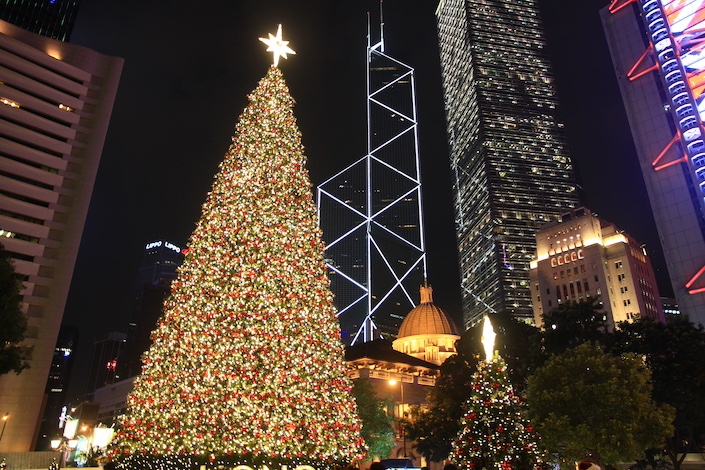
The extent and style of celebration can vary significantly from region to region. In major metropolitan areas with greater Western influence, such as Beijing and Shanghai, Christmas may be observed with more fanfare, including decorations, themed events, and retail promotions. In more rural or less Western-influenced areas, it might pass with little to no acknowledgment.
In short, Christmas Day in China is a unique blend of Western customs and contemporary Chinese practices. It stands out as a day of cultural significance and celebration, yet it is woven into everyday life without the extended holiday period seen elsewhere — a clear example of the selective integration of global traditions within the diverse cultural landscape of China.

03 The historical roots of Christmas in China
The evolution of Christmas in China traces a fascinating journey from ancient religious observance to contemporary secular festivity, mirroring the nation's broader historical and cultural shifts.
Early Christian influence
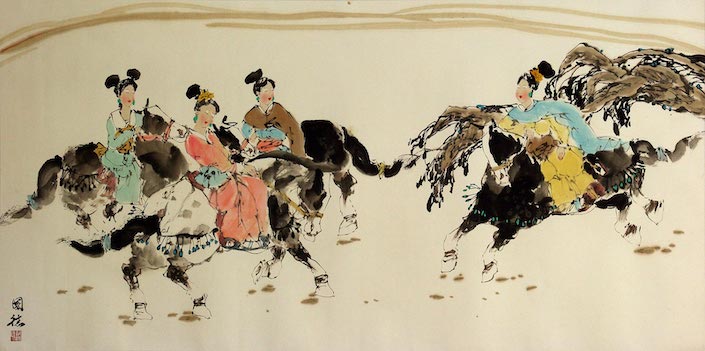
The inception of Christmas in China can be traced to the Tang Dynasty (618–907 AD), a period known for its openness to foreign cultures and ideas. During this era, Christian missionaries were active in China, and it is believed they introduced the concept of Christmas, primarily as a religious observance. These early celebrations were modest and largely confined to the Christian communities the missionaries established.
The 20th century and The People's Daily
Fast forward to the 1940s, when the concept of Christmas re-emerged in China, primarily through mentions in The People's Daily newspaper. However, these references were often not about celebrations within China but rather used Christmas as a time reference in discussing Western events.
Post-1978 reforms and Western influence
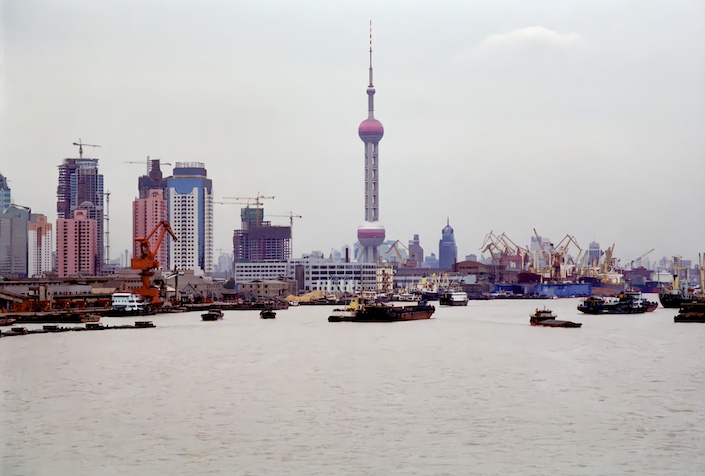
The real resurgence of Christmas began after the economic reforms of 1978, which opened China to increased contact with Western countries. This period marked the beginning of Christmas symbols and traditions seeping into Chinese popular culture, especially in urban areas. By the 1990s, some cities had begun to adopt Christmas decorations and customs, although these were largely secular in nature.
Contemporary celebrations
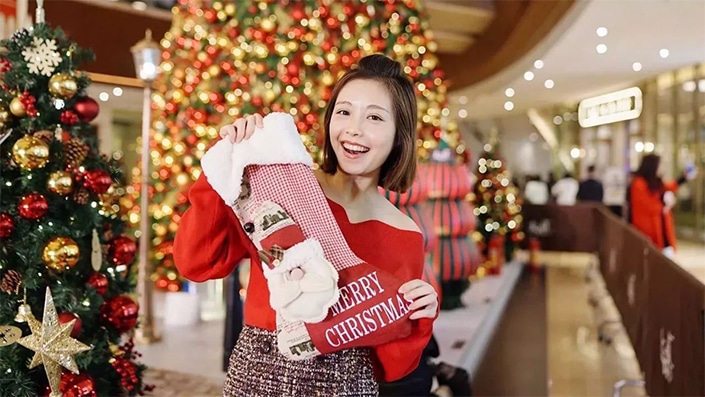
Today's celebrations are a far cry from the religious observances of the Tang Dynasty or the limited references in mid-20th-century media. They have evolved into a fusion of Western and Chinese cultural elements, marked by commercialization, romantic themes, and festive decorations — a testament to China's dynamic cultural landscape, which continues to adapt and incorporate diverse global influences.
04 Christmas and cultural debates
The celebration of Christmas in China, particularly in its modern form, has sparked a variety of cultural debates that reflect the country's complex relationship with Western influences and its own cultural identity.
Cultural assimilation vs. preservation
As Christmas gains popularity, it raises questions about cultural assimilation and the preservation of traditional Chinese culture. Some view its adoption as a sign of openness and global integration, while others worry about Western cultural hegemony overshadowing China's rich and ancient traditions. This tension reflects a broader dialogue on how China navigates a rapidly changing cultural landscape in an increasingly globalized world.
Nationalistic sentiments
In recent years, there has been a growing nationalistic sentiment among certain groups who argue against celebrating Christmas. They see it as an unwarranted encroachment of Western culture that could erode values and traditions unique to Chinese society, and they advocate for a stronger emphasis on native festivals such as Chinese New Year, fearing that the popularity of Western holidays might lead to cultural dilution.
Governmental stance and regulations
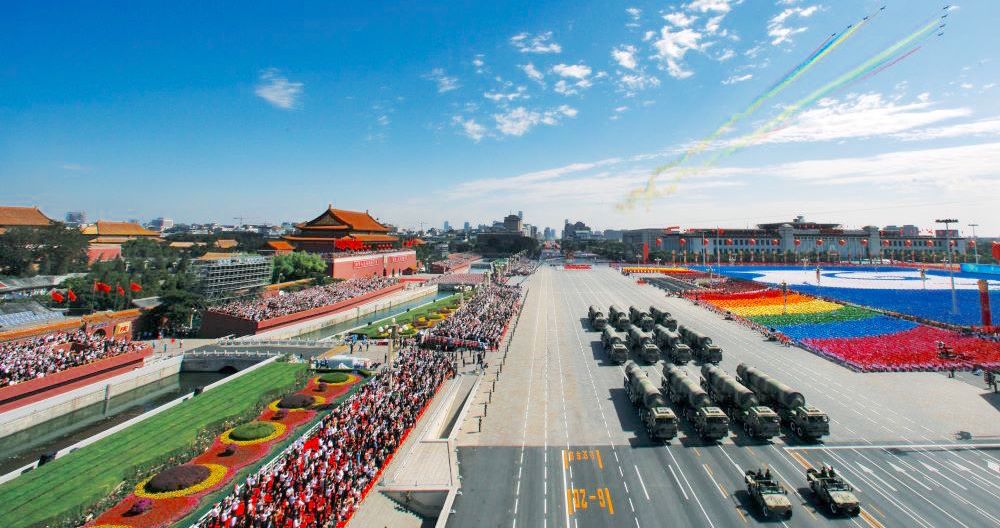
The government's stance has been somewhat ambivalent, reflecting the broader tension between globalization and cultural preservation. While there have been no outright bans on celebrating Christmas, there have been instances where local authorities discouraged or limited public displays of festivity, often citing the need to preserve Chinese cultural traditions.
Commercialization vs. cultural significance
Another aspect of the debate centers on the commercialization of Christmas. For many in China, the holiday is less about its religious or cultural significance and more about its commercial potential — a phenomenon not unique to China. This commercial emphasis often overshadows any religious connotations, prompting discussions about the true meaning and relevance of celebrating Christmas in a predominantly non-Christian country.
Educational perspectives
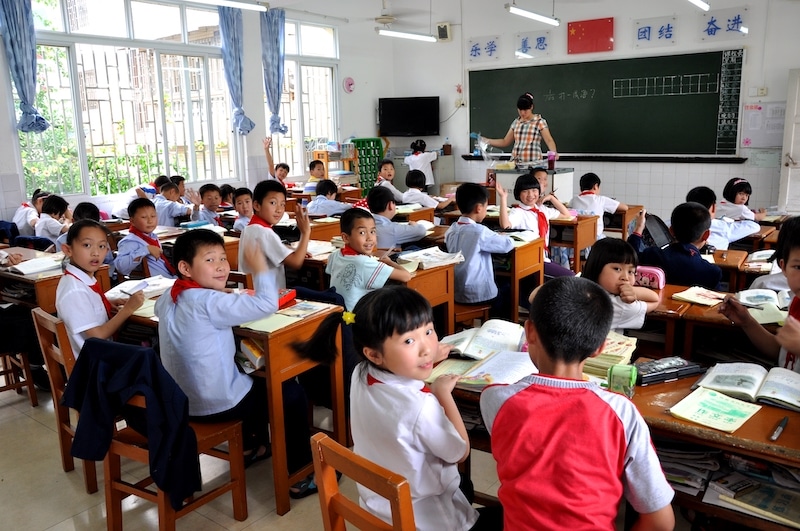
In schools, the debate extends to whether and how Christmas should be introduced. Some institutions embrace it as an opportunity to teach about global cultures, while others prefer to focus on Chinese festivals and traditions, often out of concern that celebrating Western holidays might detract from appreciation of native cultural heritage.
05 Christmas as a romantic and commercial holiday
In China, the perception and celebration of Christmas have taken a unique turn, setting it apart from traditional Western observances and reflecting the dynamic nature of cultural exchange in modern China.
Romantic connotations
- A Valentine's Day resemblance: In mainland China, Christmas is often viewed through a lens similar to Valentine's Day. It is seen as a day for romantic gestures and expressions of love, especially among young couples, who share intimate moments, exchange gifts, and enjoy special dates. Common activities include ice skating, visiting amusement parks, or attending Christmas-themed events — all part of a wider dating culture in China that has reshaped how imported holidays are observed.
- Youth culture and Christmas: For many young people, Christmas is less about its religious background and more about the social and romantic experiences it brings. They often use the holiday as a reason to throw parties, meet friends, and take part in festive activities with a secular, social flavor.

Commercial impact
- Shopping and gift-giving: The commercial side of Christmas in China is significant. Retailers capitalize on the holiday's romantic connotations with sales and special offers aimed at young shoppers. Men, in particular, may feel pressure to buy expensive gifts for their partners, turning Christmas into a high-spending event. While the festive red envelopes known as hongbao remain tied to traditional holidays, the impulse to give around Christmas fits neatly into China's broader gifting culture.
- Marketing strategies: Stores and shopping malls in urban areas are decked out with sparkling lights and ornate trees, creating a festive shopping atmosphere that is strategically designed to boost consumer spending.
- Consumer trends: The commercialization of Christmas in China mirrors global consumer trends. The emphasis on gift-giving and festive spending aligns with how the holiday is increasingly celebrated worldwide, focusing more on commerce than on religious or cultural significance.
- Economic benefits: Beyond individual spending, the season carries broader economic implications. As a global manufacturing hub, China plays a major role in producing Christmas goods, from decorations to toys, contributing to the economy and creating international economic ripples.
06 Unusual Christmas foods
The culinary side of Christmas in China stands out for its unique adaptations, merging traditional Western holiday fare with local tastes and customs to create a distinctive festive-season experience.
The apple tradition
One of the most intriguing customs is gifting and eating apples on Christmas Eve. The word for apple, 苹果 (píngguǒ), sounds similar to the word for peace, 平安 (píng'ān). Since Christmas Eve is known as 平安夜 (Píng'ān Yè, “Peaceful Night”), apples have become a symbol of peace and tranquility during the season.
In many parts of China, it is customary to gift beautifully wrapped apples to friends and family on Christmas Eve. These apples are often decorated with colorful paper or ribbons and sometimes bear stickers or inscriptions with messages of love, peace, or Christmas greetings — a unique flavor of the season that embodies goodwill and harmony.
Diverse Christmas meals
- No standardized feast: Unlike the West, where a Christmas meal might include turkey, ham, or roast beef, there is no single standard Christmas meal in China. Dinners vary widely, shaped by local culinary traditions and personal preferences.
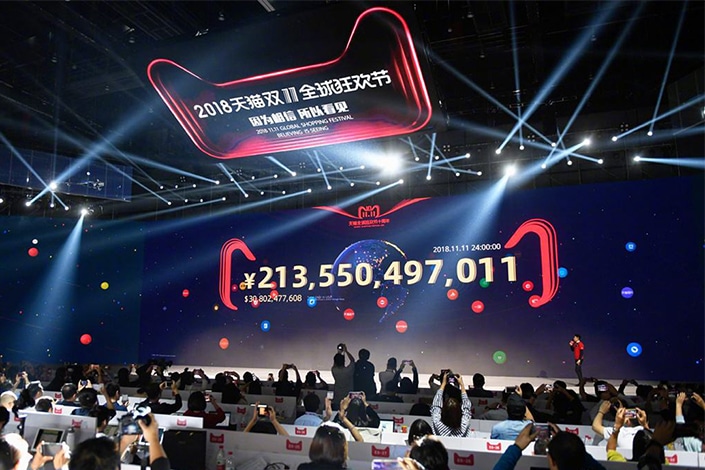
- Restaurant celebrations: For many, especially younger people, Christmas is an opportunity to dine out. Restaurants across China offer special menus or themed dinners, some featuring Western dishes and others a fusion of Western and Chinese cuisines. These meals often serve as a central part of celebrations for couples, families, and friends.
- KFC's Christmas promotion: One peculiar tradition, inspired by a similar trend in Japan, is eating KFC fried chicken. Successful marketing has positioned it as a sought-after Christmas meal, leading to long queues and advance orders in major cities.

Learn Chinese with Cultural Context
CLI offers personalized Chinese instruction built around real language and culture. Join our Immersion Program in Guilin or start online with a free Chinese lesson.
07 Celebrating Christmas in China as a visitor or expat
For visitors and expatriates, experiencing Christmas in China can be a unique blend of familiar traditions and new, culturally rich practices — a fascinating glimpse into how a Western festival is reinterpreted within the Chinese cultural landscape.
Embracing the fusion of cultures
- Seeking familiar traditions: Expats often recreate the warmth and nostalgia of Christmas at home, decorating with trees, lights, and ornaments, gathering for festive meals, and blending local ingredients into traditional recipes.
- Community gatherings and events: Many expat communities organize Christmas parties, markets, and events, providing a space to celebrate with others who share a similar cultural background, often with music, gift exchanges, and activities for children.

Exploring Chinese Christmas celebrations
- Local interpretations: Visitors can observe and join China's version of the holiday — walking through brightly lit shopping malls, soaking up the festive atmosphere in urban centers, or attending events hosted by local businesses and communities.
- Culinary adventures: Trying Christmas specials at restaurants or enjoying the apple-on-Christmas-Eve tradition can be delightful. For more familiar tastes, international hotels and restaurants in major cities often offer traditional Christmas dinners.
Adapting to a different holiday experience
Living in or visiting China during the season is a chance to learn about the cultural adaptation of a global festival. Whether you are here for the holidays or planning a longer stay to Learn Chinese in China, the festive period showcases the globalized yet localized nature of contemporary celebrations. For those who enjoy seasonal traditions, the holiday also overlaps with the Winter Solstice Festival, one of China's own beloved winter occasions.
Building new traditions
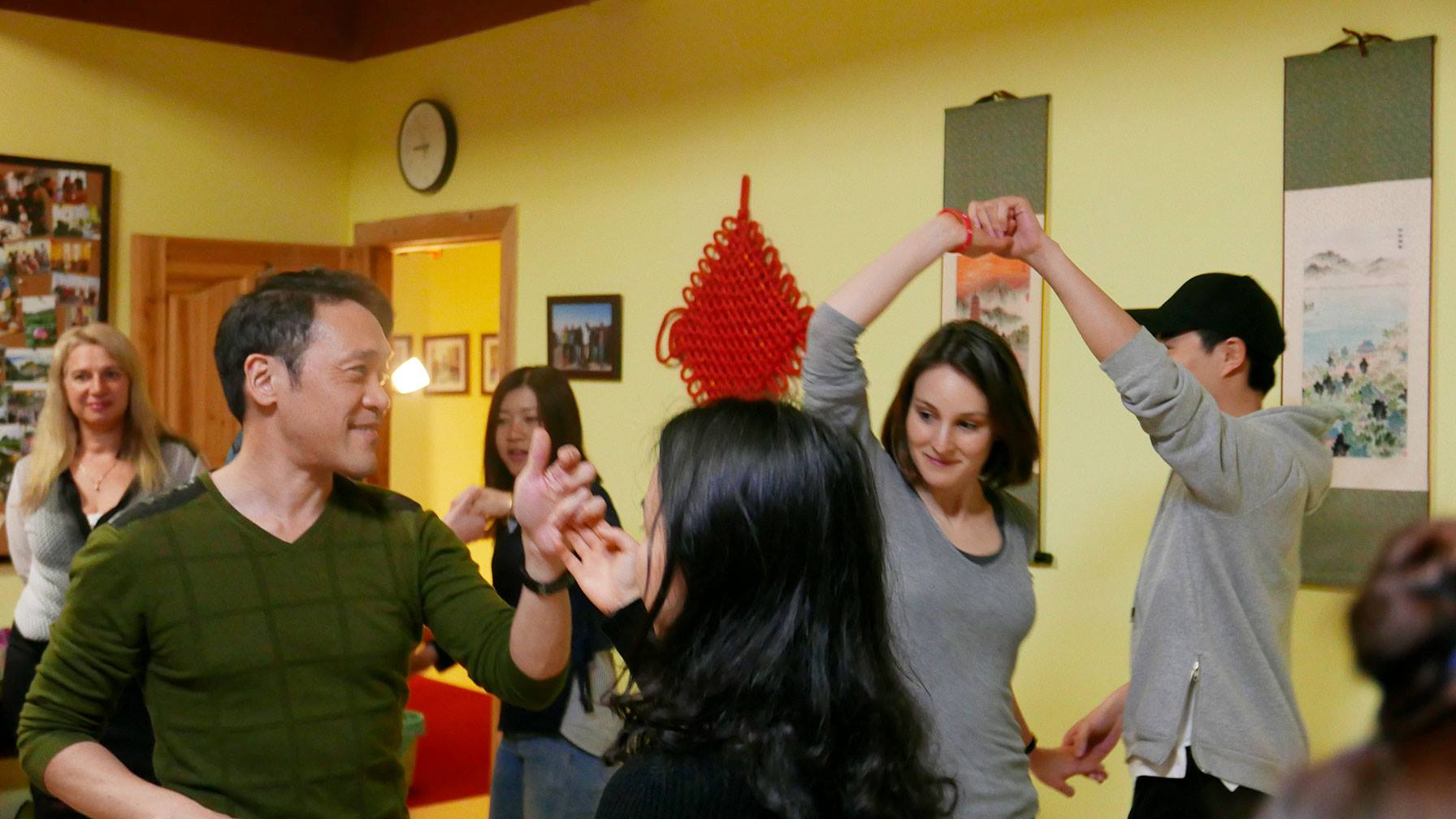
Expats and visitors often find innovative ways to blend their own traditions with local customs, creating a personalized Christmas experience. This might mean combining Western-style gift-giving with the Chinese custom of gifting apples, or joining local events while keeping a few personal festive rituals alive.
08 The unique tapestry of Christmas in the Middle Kingdom
Christmas in China is a unique phenomenon, interweaving Western traditions with Chinese cultural elements, commercial interests, and modern adaptations. Whether you are a local, an expat, or a visitor, the holiday offers a vibrant and diverse celebration unlike anywhere else in the world.
In the days and weeks leading up to December 25th, Chinese students of all ages commonly exchange Christmas cards, wear costumes, and get into the holiday spirit. As a distinctive Christmas Eve tradition, many young couples present each other with red apples, a custom born from the way the Mandarin word for Christmas Eve echoes the word for apple.
Friends and family members may also take advantage of holiday sales to give small gifts, with some even buying faux Christmas trees for their living rooms. If you find yourself in China during the festive season, keep an eye out for restaurants serving 八宝鸭 (bā bǎo yā, eight treasures duck) — duck stuffed with chicken, ham, shrimp, and more, a Chinese-style Christmas dinner.
09 Learn your Christmas in China vocabulary
The following terms will help you recognize Christmas references in conversations, holiday greetings, and festive outings across China.
| Chinese | Pinyin | Meaning |
|---|---|---|
| 圣诞节 | Christmas | |
| 圣诞快乐 | Merry Christmas | |
| 平安夜 | Christmas Eve (“Peaceful Night”) | |
| 平安果 | “Peace apple” given on Christmas Eve | |
| 苹果 | Apple | |
| 圣诞老人 | Santa Claus | |
| 圣诞树 | Christmas tree | |
| 礼物 | Gift; present | |
| 圣诞卡 | Christmas card | |
| 八宝鸭 | Eight treasures duck |
10 FAQ
Is Christmas a public holiday in China?
In mainland China, December 25th is not a public holiday, so most businesses, offices, and schools operate as usual. In Hong Kong and Macau, however, Christmas Day and Boxing Day are official public holidays.
How do people in China celebrate Christmas?
For many, especially young people in cities, Christmas is a romantic and social occasion. Common activities include exchanging gifts, dining out, shopping the holiday sales, decorating with lights and trees, and gifting apples on Christmas Eve.
Why do people give apples on Christmas Eve in China?
The custom comes from a play on words: the Mandarin word for apple, 苹果 (píngguǒ), sounds like the word for peace, 平安 (píng'ān). Because Christmas Eve is called 平安夜 (“Peaceful Night”), apples have become a symbol of peace.
Is Christmas a religious holiday in China?
For most people in mainland China, Christmas is celebrated as a secular, commercial, and romantic occasion rather than a religious one. Religious observance is mainly limited to China's Christian communities.
Do Hong Kong and Macau celebrate Christmas differently from the mainland?
Yes. Both regions treat Christmas as a public holiday with extended festivities that blend Western traditions and local customs, including festive lights, church services, and special seasonal foods.
11 Final thoughts
Christmas in China is far more than an imported holiday. It is a living example of how global traditions are selectively adopted, reshaped, and woven into local culture. From the linguistic charm of the “peace apple” to the bright lights of urban shopping districts, the season reveals a country comfortable with blending the familiar and the new.
For Chinese learners, understanding how festivals like this are celebrated adds rich context to everyday conversations and makes the festive season far more rewarding to experience firsthand.