

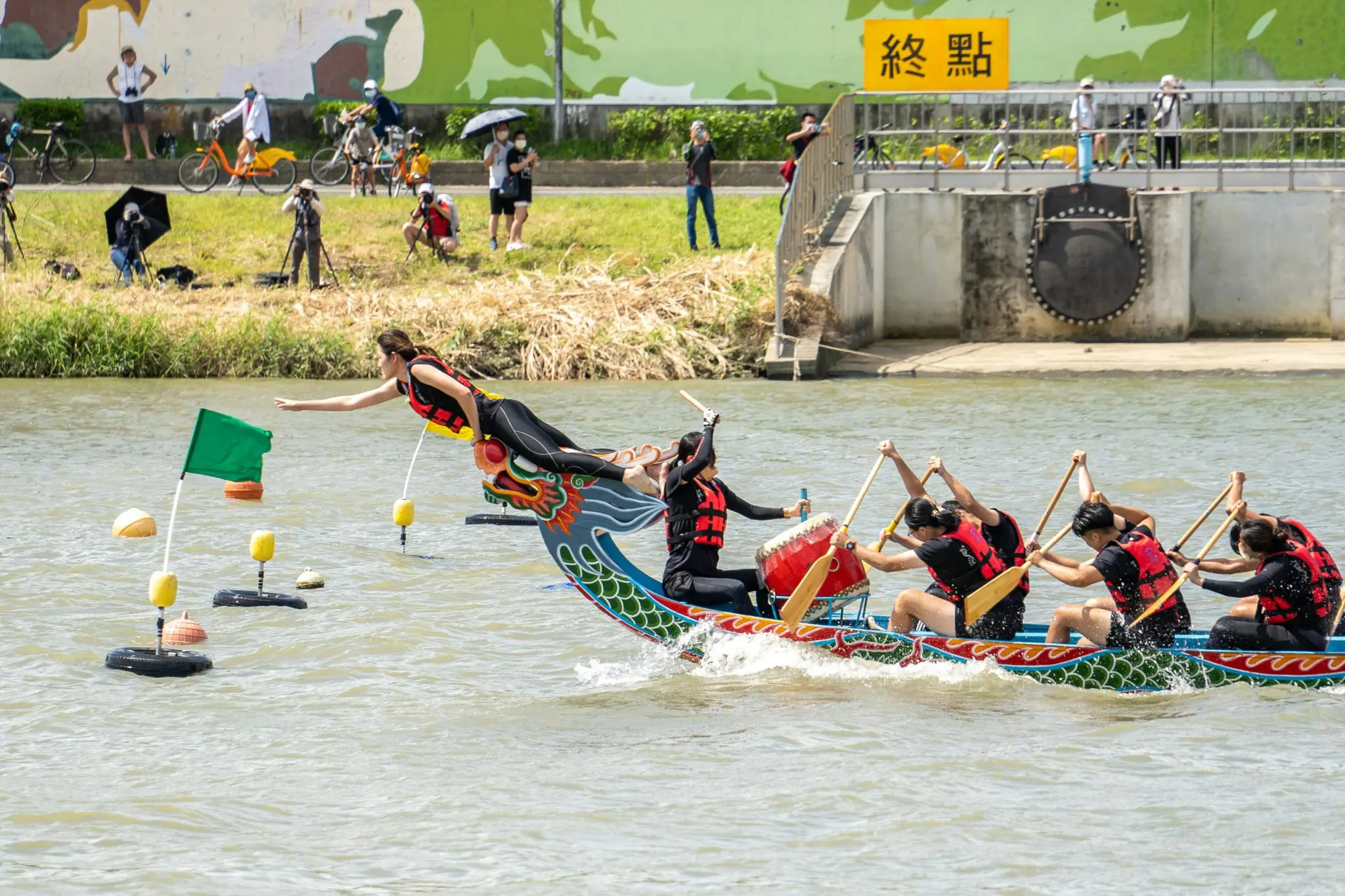
- The Dragon Boat Festival, known as 端午节 (Duānwǔjié), is an official public holiday in Mainland China.
- It falls on the fifth day of the fifth lunar month, so its Gregorian date shifts each year between late May and late June.
- The most popular origin story centers on the poet Qu Yuan, while another explanation links the day to fifth-month superstition.
- The festival's best-known customs are dragon boat racing (赛龙舟) and eating sticky rice dumplings called 粽子 (zòngzi).
- After a long decline, the holiday was restored as an official public holiday in 2008.
The Dragon Boat Festival (端午节, Duānwǔjié) is one of China's most energetic traditional holidays and an official public holiday in Mainland China. Also called the Double Fifth Festival, it is celebrated on the fifth day of the fifth month of the Chinese lunar calendar (农历, nónglì).
Because the holiday is tied to the lunar calendar, it falls on a different date each year. On the Gregorian calendar (阳历, yánglì) this is generally sometime from late May to late June.
The festival sits within the wider cycle of traditional Chinese holidays, alongside celebrations like Chinese New Year and the Mid-Autumn Festival. For anyone hoping to Learn Chinese in China, experiencing these holidays first-hand is one of the most rewarding ways to connect language study with real cultural life.
01 What is the history of the Dragon Boat Festival?
The Dragon Boat Festival has existed in various forms for thousands of years. Its modern celebration blends several older traditions, and two main stories are commonly used to explain where the holiday came from.
Read on to explore the festival's origins and the customs that still define it today. Both stories help explain why the day is marked the way it is.
The suicide of Qu Yuan
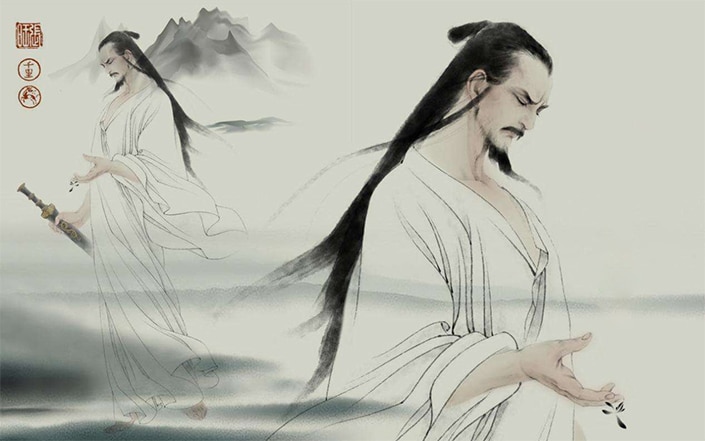
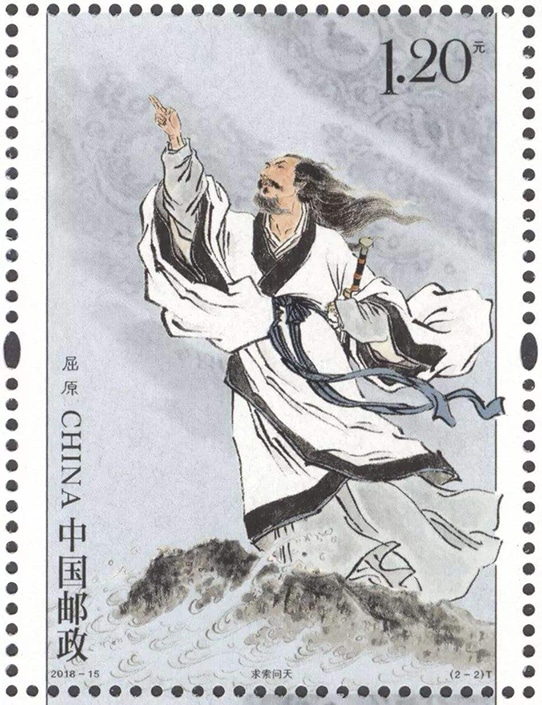
The most widely known origin story centers on Qu Yuan (屈原, Qū Yuán), a poet and official of the Warring States period (approx. 475 to 221 BC). Qu Yuan served in the State of Chu but was later slandered and sent into exile.
During his exile he wrote extensively, yet political turmoil and Chu's military defeats weighed heavily on him. Legend says he eventually drowned himself in the Miluo River in Hunan Province.
Local people rushed out in boats to rescue him or recover his body. Unable to find him, they threw balls of sticky rice into the river, hoping the fish would eat the rice instead.
Avoiding bad luck in the fifth month
Another explanation connects the holiday to seasonal superstition. Because it falls on the fifth day of the fifth lunar month, it is often called the Double Fifth Festival, an especially charged date in Chinese numerology.
Traditionally, the fifth lunar month was considered unlucky in some regions. People believed the "five poisonous animals" (五毒, wǔdú) emerged from winter hiding around this time.
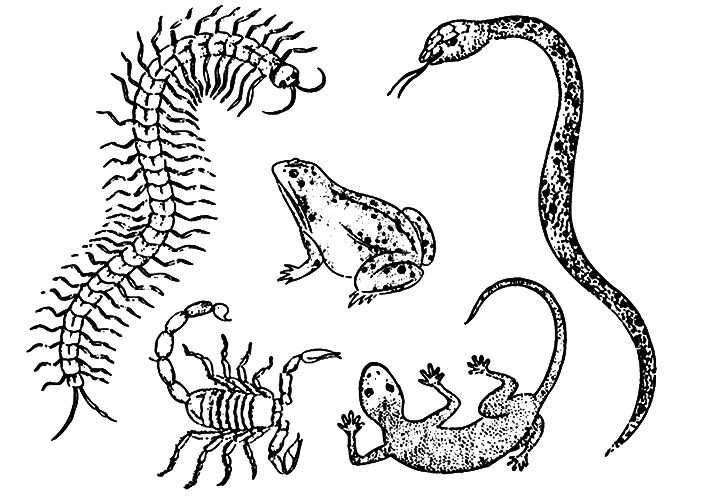
The classic list includes centipedes, poisonous snakes, scorpions, lizards, and toads. To protect themselves, people performed rituals meant to neutralize danger and reduce illness during this period.
One custom that survives today is hanging mugwort and calamus on doors to ward off evil and misfortune. Because the date falls close to the summer solstice, these protective rituals also overlap with older midsummer traditions.
02 How do people celebrate the Dragon Boat Festival?
The Dragon Boat Festival is loud, energetic, and focused on the outdoors. In many parts of China the weather is pleasant, so people gather on riverbanks and lakeshores to watch races and enjoy the day.
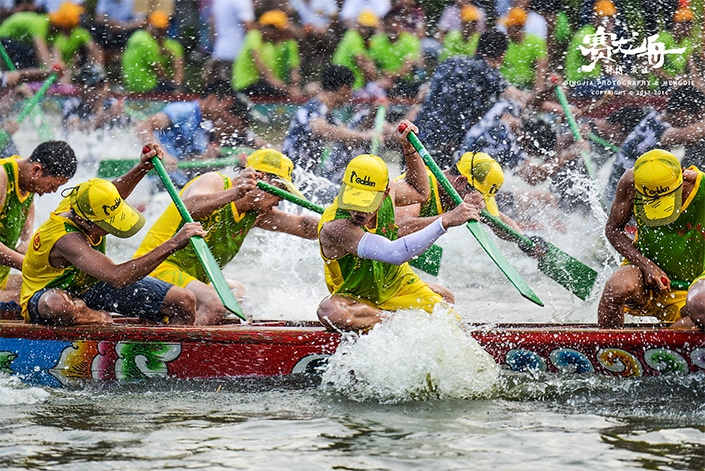
Participating in or attending dragon boat races
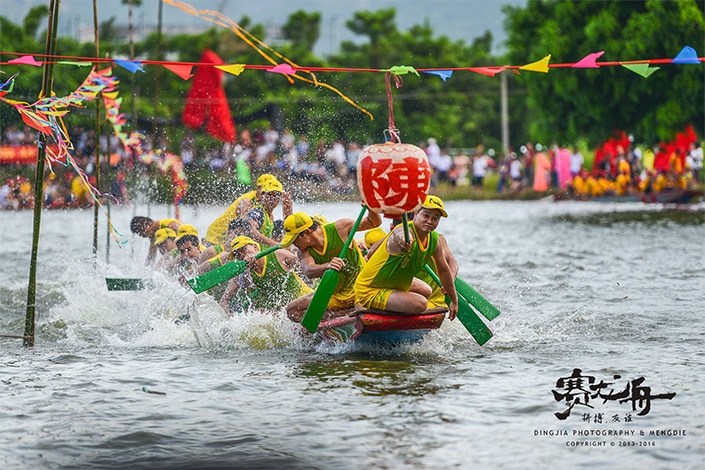
These days, the most famous aspect of the holiday is the tradition of racing dragon boats (赛龙舟, sàilóngzhōu). Crowds line the water to cheer on teams as drums pound out the rhythm.
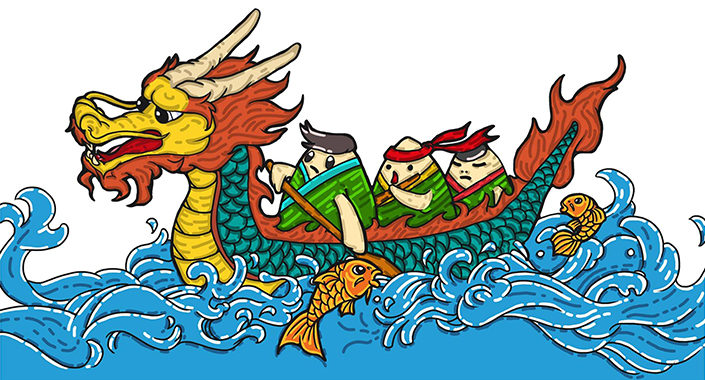
The Qu Yuan story is often used to explain the racing tradition, but some scholars argue the practice is older and connected to water- and dragon-related worship. This view fits the long cultural importance of Chinese dragons, the same auspicious creatures celebrated in the Year of the Dragon.
Dragon boats are long and narrow, and standard crews often include 20 paddlers, a drummer at the bow to keep rhythm, and a steerer at the stern to guide the boat. Race distances vary widely, but 500 meters (1,640 feet) is common.
Eating zòngzi
Almost every Chinese holiday has a signature food, and the Dragon Boat Festival is no different. On this holiday the food of choice is zòngzi (粽子).
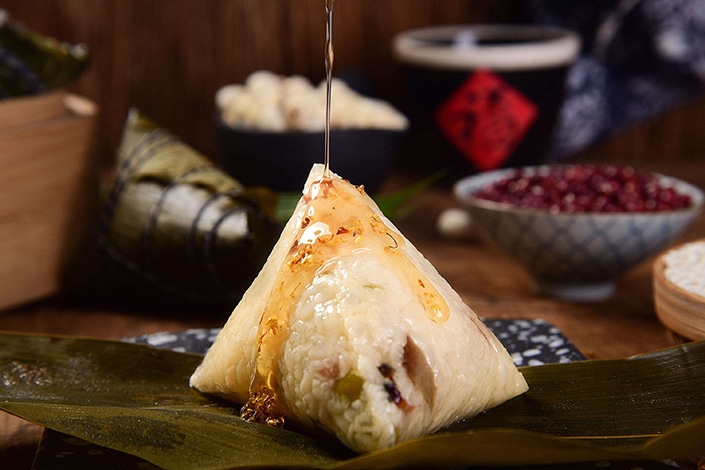
Zòngzi are pyramid-shaped dumplings made from glutinous rice and wrapped in bamboo leaves. Sweet versions may include red bean paste or jujube, while savory versions can feature pork, mushrooms, or salted egg yolk.
In the Qu Yuan origin story, zòngzi echo the rice offerings thrown into the river to keep fish away from his body. In practice, they become widely available in the weeks leading up to the holiday.
03 The Dragon Boat Festival, then and now
Although the festival has a long history, it has not always found favor with authorities. During the 1960s, campaigns against traditional customs, especially during the Cultural Revolution, contributed to a decline in many traditional festivals.
In recent years the holiday has regained its place as an important celebration in Mainland China. In 2008, the Dragon Boat Festival reemerged as an official public holiday.
Because the date is set by the lunar calendar, the Dragon Boat Festival lands on a different Gregorian day each year. It is the same dating logic that makes festivals such as the Lantern Festival shift around the calendar too.
Despite the ups and downs it has faced, anyone who experiences the excitement of the festival in China quickly understands why it has endured. It remains a vivid, hands-on entry point into Chinese culture.

Study Chinese in Guilin or Start Online
CLI offers personalized Chinese instruction built around your goals. Join our Immersion Program in Guilin or begin from anywhere with a free Chinese lesson .
04 Useful Dragon Boat Festival vocabulary
The following terms will help you talk about the festival, follow holiday greetings, and understand its customs. They also come up often in conversations around early-summer celebrations in China.
| Chinese | Pinyin | Meaning |
|---|---|---|
| 端午节 | Dragon Boat Festival | |
| 赛龙舟 | Dragon boat racing | |
| 粽子 | Sticky rice dumplings wrapped in bamboo leaves | |
| 糯米 | Glutinous (sticky) rice | |
| 农历 | Traditional Chinese lunar calendar | |
| 屈原 | Qu Yuan, the poet linked to the festival | |
| 五毒 | The five poisonous animals | |
| 艾草 | Mugwort, hung on doors to ward off evil | |
| 龙 | Dragon | |
| 节日快乐 | Happy holiday! (a common festival greeting) |
05 FAQ
When is the Dragon Boat Festival?
It falls on the fifth day of the fifth lunar month. On the Gregorian calendar this is usually somewhere between late May and late June, changing from year to year.
Why is it called the Double Fifth Festival?
The name comes from its date, the fifth day of the fifth lunar month. The repeated five also carries special weight in Chinese numerology.
What food is eaten during the Dragon Boat Festival?
The signature food is zòngzi, pyramid-shaped sticky rice dumplings wrapped in bamboo leaves. They come in both sweet and savory varieties.
Who was Qu Yuan?
Qu Yuan was a poet and official of the State of Chu during the Warring States period. The popular legend of his death by drowning is the best-known origin story for the festival.
Is the Dragon Boat Festival a public holiday in China?
Yes. It declined during the twentieth century but was restored as an official public holiday in Mainland China in 2008.
06 Final thoughts
The Dragon Boat Festival weaves together poetry, seasonal superstition, dragon symbolism, and the simple pleasure of shared food. It is a holiday that has survived political upheaval and re-emerged as a cherished part of the Chinese calendar.
For learners, the festival is a memorable way to anchor new vocabulary and cultural knowledge in a real celebration. Pairing it with a structured Chinese study plan can turn a single holiday into a lasting boost for your language skills.
07 Selected References
- Encyclopaedia Britannica: biography of the poet Qu Yuan. View source →
- Encyclopaedia Britannica: overview of the Warring States period. View source →