
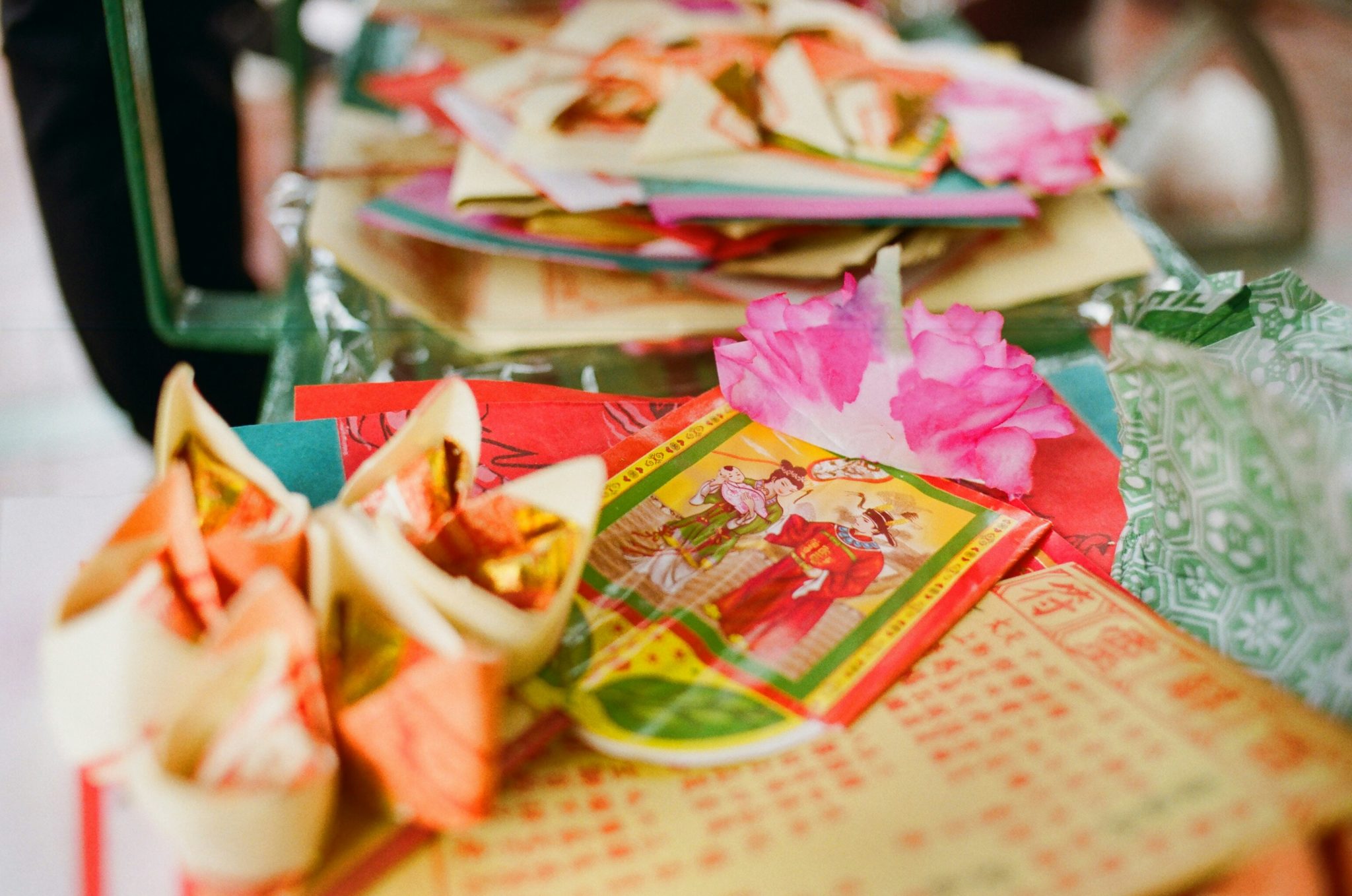
- Joss paper, also called spirit money or ghost money, is a type of symbolic paper offering burned for ancestors, deities, or spirits in Chinese religious and folk traditions.
- Chinese people burn paper money because many believe the offerings are transferred to the spirit world, where deceased relatives can use them in the afterlife.
- Joss paper is commonly burned during funerals, Qingming Festival, Ghost Festival observances, temple rituals, and family memorial ceremonies.
- For Chinese learners, understanding practices like joss paper burning offers insight into how family, ritual, and worldview intersect in everyday Chinese culture. It is one of many traditions explored through CLI's programs for students who want to learn Chinese online or study in China more deeply.
If you've ever wandered through a Chinese supermarket, you may have noticed stacks of ornate paper money near the incense, candles, or household goods. Or perhaps you've visited a temple or cemetery and seen paper offerings curling into ash in a metal furnace.
These are not decorations or leftover party supplies. They are joss paper: symbolic paper offerings burned for ancestors, deities, or spirits in Chinese religious and folk traditions.
In many communities, the act of burning is understood as a way of sending money and goods to the spirit world, where deceased relatives can make use of them.
At its heart, this practice is about remembrance, reverence, and care. Rather than severing the bond between the living and the dead, joss paper rituals express the idea that family obligations continue after death.
That broader outlook also resonates with classical Chinese ideas about honoring the dead with the same seriousness shown to the living. Read on to learn what joss paper is, why it is burned, and what it reveals about Chinese culture.

01 What Is Joss Paper and Why Is It Burned?
Joss paper, also called spirit money, ghost money, or paper money (纸钱; zhǐqián), refers to paper offerings burned in rituals for the deceased and, in some cases, for deities. The practice is common in Chinese folk religion and appears in funerary and festival customs across mainland China, Taiwan, Hong Kong, and Chinese communities abroad.
Many people believe that burning these offerings transfers them to the spirit world, where ancestors or spirits can use them. Depending on the occasion, the offerings may represent money, clothing, household goods, or other necessities.
This is why paper money is often burned at gravesites, temples, funerals, and memorial observances. For a general overview of ancestor veneration and Qingming-related customs, see our guide to Qingming Festival and Britannica's overview of ancestor worship.
This custom is closely tied to ancestor veneration. In many Chinese families, honoring the dead is not treated as a distant abstraction but as an ongoing relationship expressed through ritual acts such as cleaning graves, preparing food offerings, lighting incense, and burning paper money.
These gestures carry the same emotional weight as the customs surrounding gift giving and other expressions of care in Chinese society. Anyone who has explored the elaborate kinship vocabulary of a Chinese family tree will already have a sense of how seriously these relationships are taken, both in life and in death.
The practice can also be understood alongside older Chinese ritual ideals. Classical texts emphasize serving the dead with the same sincerity shown to the living, a principle often summarized by the phrase 事死如事生 ().
This idea has deep roots in Confucian thought, which places enormous value on filial duty and proper ritual. For readers interested in the classical background, see the relevant passages in the Chinese Text Project.
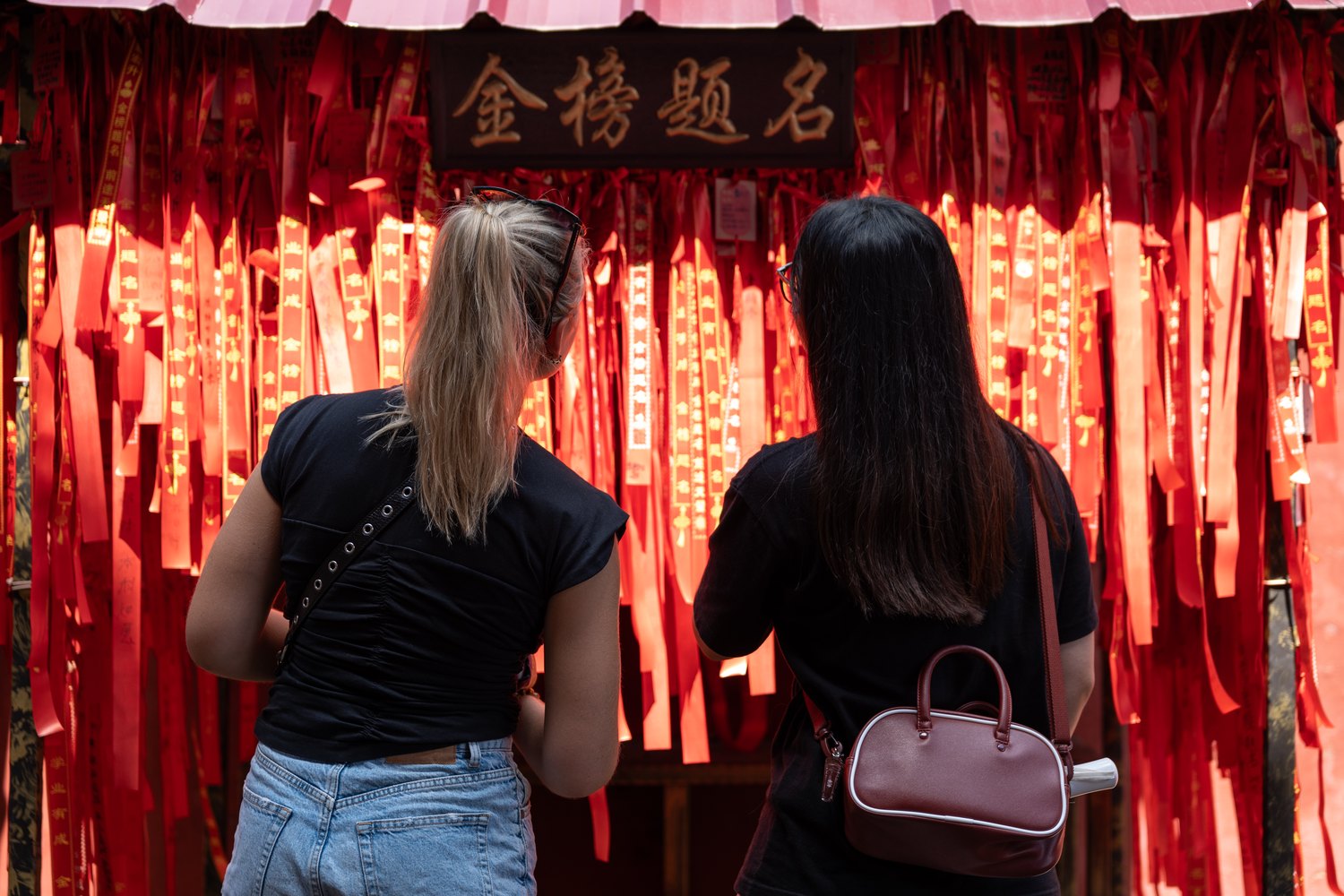
Although people often talk about "Chinese paper money" as if it were one single thing, the practice varies a great deal by region, family tradition, and religious setting. The broad meaning is stable, but the exact types of paper and the way they are used are not identical everywhere.
02 Types of Chinese Joss Paper and Spirit Money
There is no single universal system for joss paper, but a few broad distinctions appear again and again.
Gold and Silver Paper
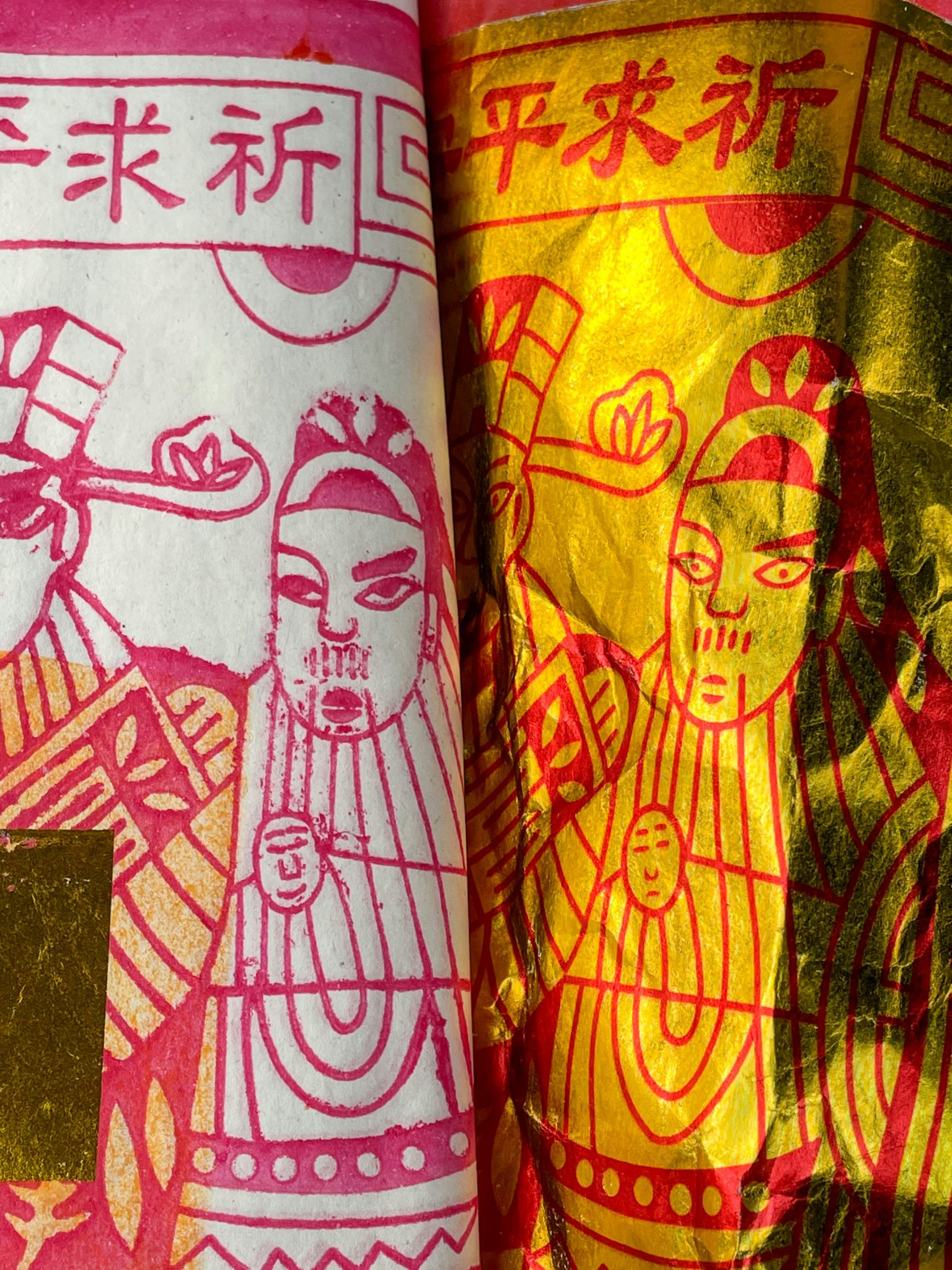
Gold and silver paper are among the most common forms of joss paper. Broadly speaking, gold paper is often offered to deities, while silver paper is more commonly offered to ancestors or other spirits.
In many traditions, using the appropriate kind of paper matters because different offerings are intended for different recipients. The symbolism of specific numbers and colors in these rituals often intersects with Chinese numerology, where certain figures carry auspicious or spiritual meaning.
Spirit Banknotes (冥币, Míngbì)
Modern spirit banknotes (冥币; míngbì) are probably the type most familiar to outsiders. These resemble regular banknotes but are clearly symbolic, often printed with huge denominations and fictional institutions such as "Bank of the Underworld" or "Heaven and Earth Bank."
Their purpose is easy to understand: they represent spending money for the afterlife. Families burn them so deceased loved ones will not go without basic means in the next world.
In some ways, spirit banknotes function as a parallel to hongbao, the red envelopes filled with cash that the living exchange during holidays and celebrations. Both customs reflect the deeply held belief that giving money is an act of care and goodwill.
Paper Ingots and Folded Offerings
Not all spirit money looks like a banknote. Some paper offerings are folded into ingot shapes or stacked as bundles, especially in traditions where the visual form evokes older styles of wealth.
These are also burned as offerings for ancestors, spirits, or deities, depending on the ritual context.
Paper Goods and Everyday Necessities
Joss paper culture extends far beyond money. Families may also burn paper clothing, shoes, servants, houses, vehicles, and household items.
The inclusion of traditional Chinese clothing among these offerings reflects how deeply dress and personal appearance are woven into cultural identity, even in rituals for the dead. The logic is similar: symbolic goods are sent to the dead so they can live comfortably in the afterlife.
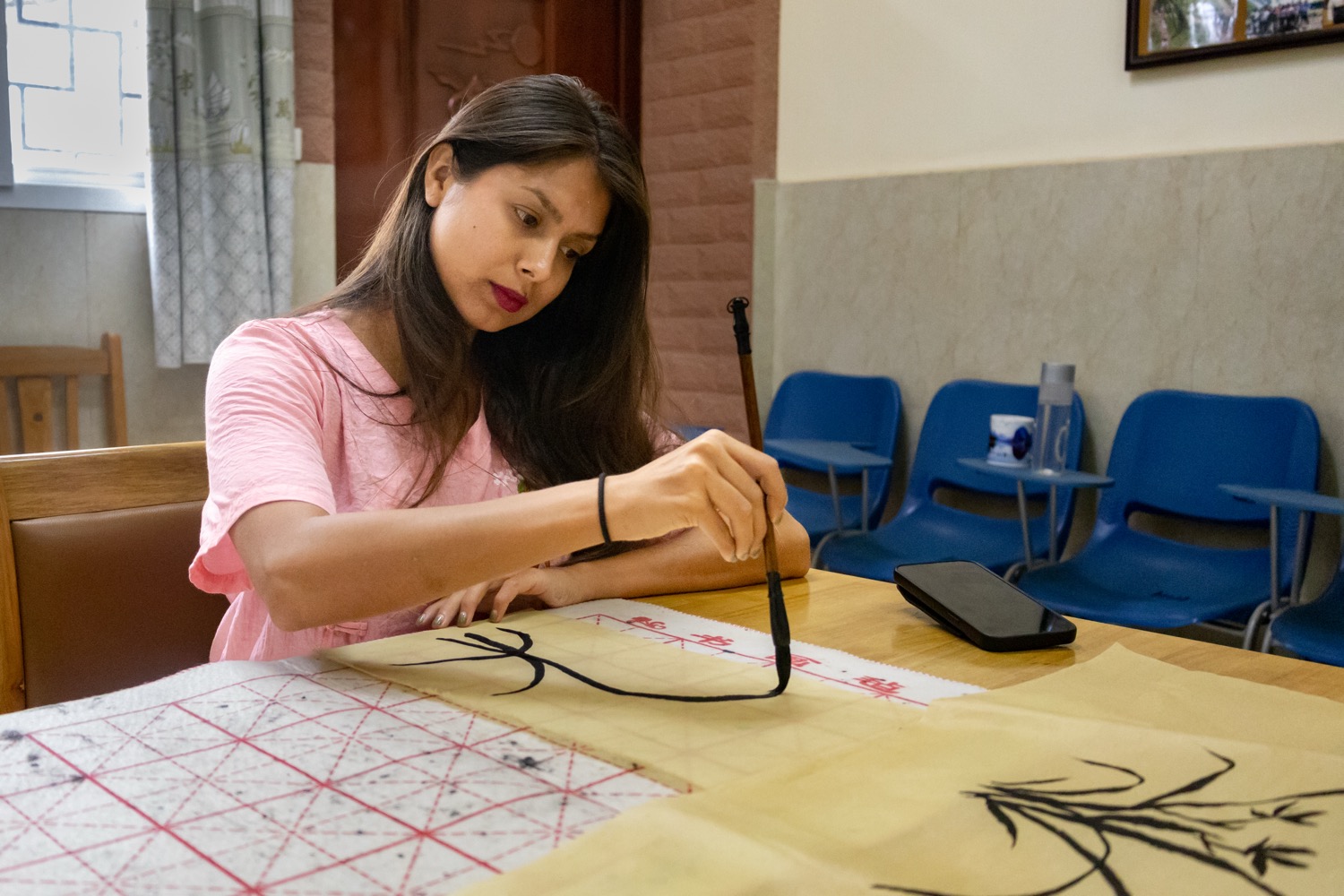
Study Chinese in Guilin or Start Online
CLI offers personalized Chinese instruction built around your goals. Join our Immersion Program in Guilin or begin from anywhere with a free Chinese lesson .
03 When Is Joss Paper Burned?
Paper offerings are burned at several ritual moments throughout the year, as well as during funerals and family memorial observances.
Qingming Festival (Tomb-Sweeping Day)
Qingming, often called Tomb-Sweeping Day, is one of the best-known occasions for burning joss paper. Families visit ancestral graves, clean the tombs, present food and flowers, burn incense, and make paper offerings for the deceased.
The ritual expresses remembrance, respect, and continued care for family members who have passed away. For background, see Britannica's Qingming Festival entry.
Ghost Festival (Hungry Ghost Festival / Zhongyuan Festival)
During the Ghost Festival, offerings are made not only for one's own ancestors but also for wandering or neglected spirits. Paper money is often burned alongside food and other ritual offerings so these spirits will be fed, appeased, and less likely to bring harm or misfortune.
This is one of the most visible times of year for public paper burning in many Chinese communities. For more on this tradition, see Britannica's entry on the Hungry Ghost Festival.
Funerals and Death Anniversaries
Joss paper is also burned during funerals, after-burial rites, death anniversaries, and other memorial ceremonies. In these settings, the offerings often help mark the deceased's transition into the spirit world and express the family's desire to continue caring for them.
In some families, offerings may also be personalized. A relative who loved tea, music, elegant clothes, or modern gadgets might receive paper versions of those items as a gesture of affection and remembrance.
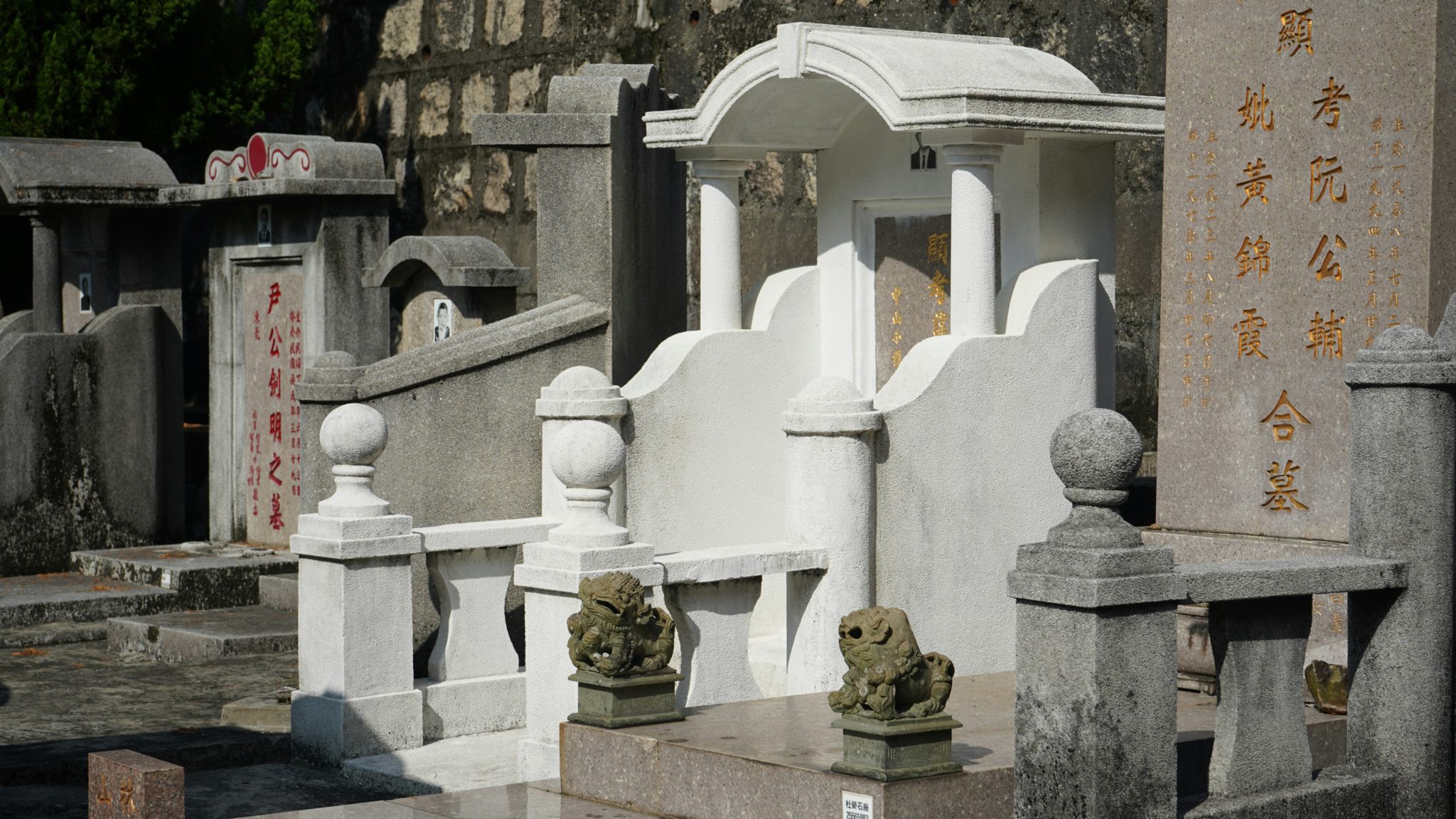
Temple Rituals and Local Observances
Paper offerings are not limited to ancestor rites. In some traditions, people also burn specific kinds of joss paper for gods, temple rituals, or local spirit observances.
The exact items used depend heavily on regional custom and religious context. Joss paper burning is just one element in a much larger calendar of observances; for a broader look at other important dates, see our guide to Chinese New Year, the Dragon Boat Festival, and the full list of Chinese holidays.
Outside observers sometimes assume all paper burning is "superstition," but for many families it functions more like a ritual language of care. Even when beliefs differ, the emotional logic of the practice often remains the same: the dead should not be forgotten or left without support.
04 Beyond Paper Money: Elaborate Paper Offerings in Modern Culture
While spirit banknotes remain central, modern paper offerings can be remarkably elaborate. Today's paper replicas may include houses, cars, appliances, handbags, cosmetics, smartphones, and even full lifestyle sets designed for the next world.
On one level, these offerings continue an older tradition: the dead are still being supplied with what they might need. On another level, they show how ritual adapts to modern life.
As living standards change, so do people's imaginations of comfort in the afterlife. Concepts like feng shui, which shape the arrangement of spaces for the living, also sometimes inform the design of paper houses and furnishings meant for the spirit world.
From Paper Houses to Designer Goods
In recent years, highly detailed paper replicas have attracted widespread media attention, especially in Taiwan and Chinese-speaking communities online. Some workshops produce extravagant paper villas, luxury cars, beauty products, game consoles, and branded accessories.
Recent coverage has even highlighted paper versions of contemporary consumer items such as the Xiaomi SU7. For one example, see the reporting from World Journal.
The scale and ambition of these commissions can be striking. In Malaysia, one Penang family spent over RM16,000 on a life-sized paper Lamborghini to burn during Qingming — a creation so large it had to be delivered by lorry.
In Taiwan, specialist artisans have pushed the craft even further, producing intricately detailed paper villas, film studios, smartphones, and miniature vaults stocked with paper credit cards and gold bars. As one report noted, consumer requests have grown increasingly elaborate, reflecting a desire to ensure the deceased enjoy every comfort imaginable in the afterlife.
To some observers, these creations look humorous, excessive, or commercialized. Critics argue that they can turn sacred ritual into spectacle and raise legitimate concerns about waste, air pollution, and fire hazards.
Supporters, however, see something more tender in them. An elaborate paper offering may not be about luxury for its own sake, but about refusing to imagine a loved one deprived in the next world.
Environmental Concerns
The modern growth of paper offerings has also drawn criticism on environmental grounds. Researchers and public discussions have pointed to the local air-quality impact of burning sacrificial offerings, especially in dense urban areas.
Paper Offerings as Contemporary Art
In some places, especially Taiwan, elaborate paper offerings have also come to be appreciated as an art form. Skilled paper artisans create works that blend traditional ritual craft with contemporary design, and these creations have attracted international attention.
In 2019, the Musée du quai Branly in Paris presented an exhibition of Taiwanese paper funeral offerings, highlighting both their visual richness and their cultural meaning. That exhibition helped many non-Chinese viewers see these objects not simply as curiosities, but as part of a living artistic and ritual tradition.
See the museum's exhibition page for Paradise.
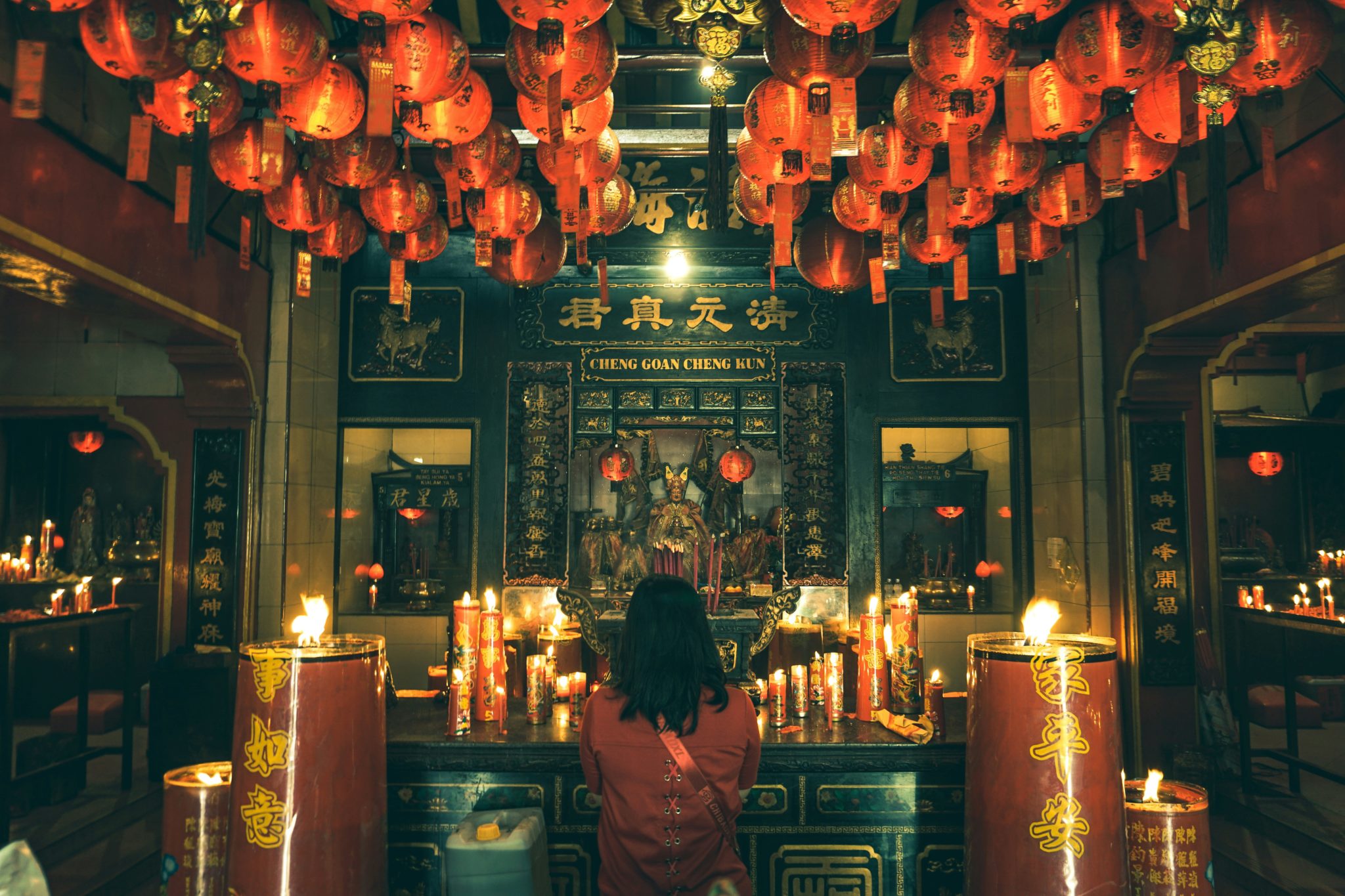
05 Why Joss Paper Still Matters in Chinese Culture
Despite changing styles and modern materials, the continued use of joss paper points to something enduring: the importance of family continuity, ritual remembrance, and respect for the dead.
For some people, burning paper money is an act of religious belief. For others, it is a family custom, a sign of filial piety, or a way to participate in a shared cultural tradition. In practice, these meanings often overlap.
For learners of Chinese, understanding joss paper offers a window into how language, ritual, and worldview connect. It shows that what may first appear unusual or superstitious often emerges from something deeply human: the desire to remember, provide for, and remain connected to those who are gone.
Students who Learn Chinese in China often find that encountering traditions like these firsthand transforms their understanding of both the language and the culture behind it. The values embedded in joss paper rituals also echo through Chinese literature, where themes of loyalty to family and reverence for the past run deep across centuries of poetry and prose.
06 Useful Vocabulary for Talking About Joss Paper
The following vocabulary will help you discuss joss paper, ancestor rites, and related Chinese cultural traditions with more confidence. If you are just getting started with Chinese, our guide to basic Chinese words and phrases is a great place to begin building a foundation before tackling specialized vocabulary like the terms below.
| Chinese | Pinyin | Meaning |
|---|---|---|
| 纸 钱 | paper money; ritual paper offering | |
| 冥 纸 | spirit paper; ghost paper | |
| 冥 币 | spirit banknotes; ghost money | |
| 金 纸 | gold paper | |
| 银 纸 | silver paper | |
| 祖 先 | ancestors | |
| 祭 祖 | to honor one's ancestors ritually | |
| 祭 拜 | to worship; to make ritual offerings | |
| 扫 墓 | to sweep or visit a grave | |
| 清 明 节 | Qingming Festival; Tomb-Sweeping Day | |
| 中 元 节 | Ghost Festival | |
| 鬼 节 | Ghost Festival; literally "Ghost Festival" | |
| 香 | incense | |
| 供 品 | offering; sacrificial offering | |
| 烧 纸 | to burn ritual paper | |
| 纸 扎 | paper replica offering; papier-mâché ritual craft | |
| 孝 | filial piety | |
| 事 死 如 事 生 | serve the dead as if they were living | |
| 庙 | temple | |
| 神 明 | deities; divine beings |
07 Learn More About Chinese Culture
Joss paper is only one part of a much larger world of Chinese ritual, belief, and family tradition. The more you learn about customs like these, the easier it becomes to understand how Chinese culture is lived in everyday life rather than just described in textbooks.
At CLI, cultural context is woven into our programs in Guilin, helping students experience not just how Chinese is spoken, but how it is lived. If this topic interests you, you may also enjoy our guides to Qingming Festival, Chinese holidays, and Chinese history.