The Year of the Horse: Galloping into 2026
 Tania Yeromiyan
Learn Chinese in China or on Zoom and gain fluency in Chinese!
Join CLI and learn Chinese with your personal team of Mandarin teachers online or in person at the CLI Center in Guilin, China.
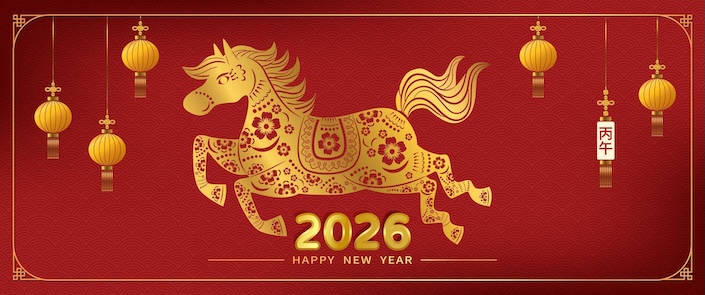
The Chinese zodiac (生肖 shēngxiào) is an ancient system with profound cultural significance. 2026 brings us the energy of the Fire Horse (火马 huǒ mǎ). As we gallop into the Year of the Horse, let's explore this dynamic and much-loved zodiac sign.
Whether you're curious about the year's impact on your fortunes or fascinated by the horse's symbolism, our Year of the Horse guide will illuminate what makes 2026 special.

Understanding the Chinese Zodiac System
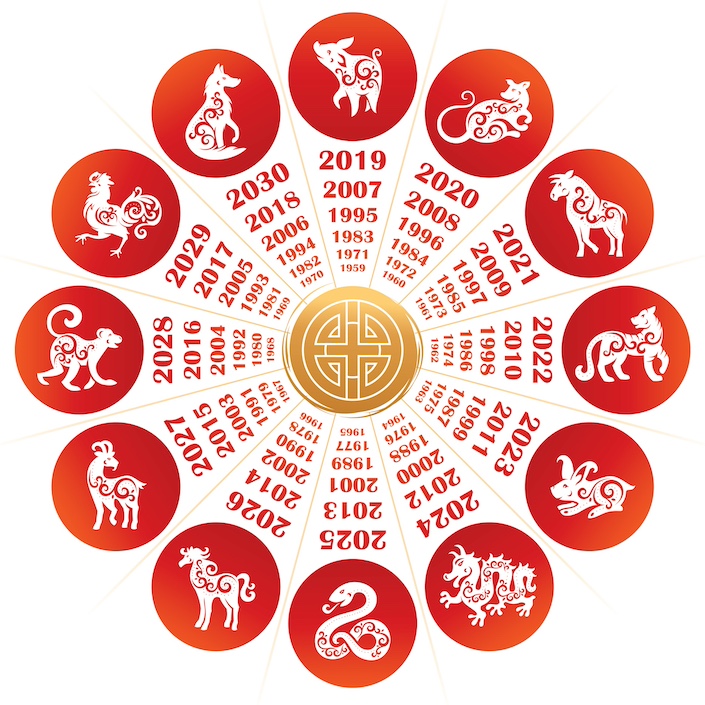
The Chinese zodiac operates on a 12-year cycle, with each year represented by a different animal.
However, it is less widely known that this cycle doesn't simply repeat identically every 12 years. It's actually part of a more complex 60-year system called the Sexagenary Cycle (六十甲子 liùshí jiǎzǐ), a fundamental component of the traditional Chinese calendar used to count years, months, days, and even hours.
The zodiac also interweaves with the Five Elements (五行 wǔxíng): Wood (木 mù), Fire (火 huǒ), Earth (土 tǔ), Metal (金 jīn), and Water (水 shuǐ). Each element combines with the 12 animals to create 60 unique year types.
This means that while the Horse returns every 12 years, a Fire Horse specifically only occurs once every 60 years. The last Fire Horse year was 1966, and the next (after 2026) will be 2086. Each time an animal returns, it carries a different elemental energy, creating unique characteristics and influences for that particular year.
For the exact timing of the zodiac-year transition in 2026 (which follows the lunar calendar, not January 1), see our Chinese New Year guide and the 2026 Chinese holiday calendar.

Fire Horse Meaning in the Chinese Zodiac
The horse (马 mǎ) is the seventh animal in the overall cycle and represents freedom, passion, and boundless energy. In 2026, these traits combine with the Fire element to create the Fire Horse (火马 huǒ mǎ), a particularly potent combination in Chinese astrology.
In some traditional calendrical/astrology systems, the Fire Horse year is also associated with the label “Heavenly River Water” (天河水 tiānhé shuǐ).
This creates an interesting duality. While the zodiac horse embodies fire's passion and intensity, the year is also described (in some traditions) with water imagery—suggesting a year that balances powerful energy with graceful movement.
In 2026, it is believed that the fire attribute will bring innovation, revolution, and forward momentum, which are qualities often celebrated in Chinese idioms—like "马到成功" (mǎ dào chéng gōng), meaning "immediate success" or literally "success arrives with the horse." If you want more examples like this, see our guide to Chinese idioms.

Horse Zodiac Personality Traits
In Chinese tradition, zodiac animals are more than simple symbols. They are believed to influence personalities, behaviors, and a person's fortune.
Strengths and weaknesses
Those born under the sign of the Horse are known for their positive and free-spirited personality (积极自由 jījí zìyóu). Horses love adventure, detest constraints, and are filled with the drive to take action.
Their passionate and cheerful disposition (热情开朗 rèqíng kāilǎng) makes them naturally magnetic in social situations, though this enthusiasm can sometimes tip into impatience and impulsiveness.
The horse's independent and confident character (独立自信 dúlì zìxìn) means they set clear goals and pursue them with unwavering self-assurance.
Horse zodiacs also face certain challenges. Their tendency toward restlessness can make it difficult to see long-term projects through to completion. While they are natural motivators, they may sometimes act before thinking things through carefully.
Those born under the sign of the Fire Horse, in particular, may exhibit enhanced stubbornness and a heightened competitive spirit that can work both for and against them.

Meaning of the Year of the Horse in 2026
The horse's symbolism emphasizes movement and vitality. A common cultural belief holds that staying physically active and socially engaged helps align with the year's pulsing character.
Those familiar with zodiac principles often view this as an auspicious time for initiating new ventures and breaking from routine. This is the year to be decisive!
The horse's swift nature is thought to favor those who act fast when opportunities arise, though strategic thinking remains important to rein in some of that impulsiveness.
Many view the Year of the Horse as particularly favorable for striving toward significant goals or making life transitions. Whether it’s in personal growth, career advancement, or new experiences, Chinese zodiac followers consider this a year of especially abundant opportunity for those courageous enough to embrace its adventurous spirit.
The Year of the Horse channels the concept of the "Dragon-Horse Spirit" (龙马精神, lóngmǎ jīngshén), a phrase that symbolizes vigorous energy, tireless determination, and a will to push forward. This expression combines the power of the Dragon with the stamina of the Horse to represent the kind of spiritedness that Chinese culture associates with this zodiac year. For more cultural context on dragons, see our guide to Chinese dragons.
Start a fresh project, explore a new country, or pursue a long-held goal. The Year of the Horse encourages harnessing the year’s dynamic spirit.

For Those Born in the Year of the Horse
If you belong to the Horse zodiac sign, 2026 is your 本命年 (běnmìngnián), the zodiac year of your birth.
In Chinese tradition, one's 本命年 is considered a time of heightened vulnerability and (potential) misfortune. To ward off bad luck, customs advise wearing red (particularly red underwear, belts, or accessories), carrying small protective talismans, and visiting temples for blessings. (You’ll also see red featured prominently during Chinese New Year traditions, including giving hongbao (red envelopes).)
In 2026, those born in 1990 (庚午年, gēngwǔnián, Metal Horse) will turn 36 by Western age reckoning and 37 by traditional Chinese age counting (虚岁, xūsuì, which counts a person as “one” at birth and adds a year at each Lunar New Year).
What’s the significance of “本命年”?
One’s 本命年 (běnmìngnián; the year of one’s birth sign) is a significant life threshold (关卡, guānkǎ) requiring extra caution and mindfulness, occurring once per 12-year zodiac cycle.
In some folk astrology traditions, certain numbers and colors are said to be symbolically significant during Horse years. The numbers 2, 3, and 7 are viewed as auspicious, while 1 and 6 are considered less favorable. For related cultural context, see Chinese numerology.
During a Fire Horse year, colors associated with the fire element, such as red, purple, pink, and orange, are believed to strengthen energy, with green also seen as supportive through the generative principle of wood feeding fire (木生火 mù shēng huǒ).
Conversely, black and gray, which represent the water element (水 shuǐ), are traditionally shunned as water suppresses fire (水克火 shuǐ kè huǒ).
While these traditional associations need not dictate every choice, those who follow Chinese zodiac practices may choose to be mindful of these elements during important decisions or events.
Horse Symbolism in Chinese Culture
Beyond the confines of astrology, horses in traditional Chinese art and folklore are celebrated as icons of success, speed, and nobility.
Many mythological tales helped shape these associations in Chinese consciousness, including the story of Emperor Mu of Zhou (周穆王 Zhōu Mù Wáng), who was said to have possessed eight legendary horses capable of galloping thousands of miles in a single day.
These horses carried him across vast territories, reinforcing the horse’s connection to endurance, freedom, and the ability to transcend limits. Over time, stories like this influenced how the Horse came to be understood in Chinese culture, shaping idioms and zodiac interpretations.
Chinese Character for Horse (马 / 馬)
The character for horse is 马 (mǎ) in simplified form and 馬 in traditional form.
The character for horse is a classic example of Chinese pictographic writing. In ancient oracle bone inscriptions (甲骨文 jiǎgǔwén), it depicted a side view of a horse, emphasizing its mane and powerful legs.
Over time, the traditional character 馬 preserved this imagery, while the simplified form 马 minimized it for ease of writing.

Learn Chinese in the Year of the Horse
The rich traditions of Chinese culture offer immersive insights into understanding the Chinese zodiac and beyond. As we enter this Fire Horse year of 2026, embrace the energy, vitality, and forward momentum it brings.
Whether you're curious about the language and lore behind concepts like 本命年 and 五行, or simply ready to embark on a fresh adventure that embodies the Fire Horse's bold spirit, our Chinese immersion programs make it easy to get started—many based in Guilin.
After all, what better way to honor a year of dynamic progress than by cultivating a meaningful new skill?
Vocabulary About the Year of the Horse
| Chinese | Pinyin | English |
|---|---|---|
| 生肖 | shēngxiào | Chinese zodiac |
| 马 | mǎ | Horse |
| 火马 | huǒ mǎ | Fire Horse (zodiac) |
| 六十甲子 | liùshí jiǎzǐ | Sexagenary Cycle |
| 五行 | wǔxíng | Five Elements |
| 木 | mù | Wood (element) |
| 火 | huǒ | Fire (element) |
| 水 | shuǐ | Water (element) |
| 马到成功 | mǎ dào chéng gōng | immediate success |
| 龙马精神 | lóngmǎ jīngshén | Dragon-Horse Spirit |
| 积极自由 | jījí zìyóu | positive and free-spirited |
| 热情开朗 | rèqíng kāilǎng | warm and outgoing |
| 独立自信 | dúlì zìxìn | independent and confident |
| 本命年 | běnmìngnián | (One's own) zodiac year of birth |
| 虚岁 | xūsuì | traditional Chinese age |
| 关卡 | guānkǎ | life threshold / critical stage |
- Chinese zodiac (overview of the 12 animals and how zodiac years work)
- Chinese calendar (how lunar dates shape zodiac-year transitions)
- Chinese New Year (traditions, timing, and why the zodiac year changes on the lunar calendar)
- Chinese red envelopes (hongbao) (a classic New Year custom tied to luck and “wearing red”)
- Chinese idioms (including 马到成功 and other culture-rich phrases)
- Chinese numerology (common symbolism for numbers, colors, and auspicious associations)

Tania Yeromiyan is the Marketing Manager at the Chinese Language Institute (CLI). She holds a BA in Arabic and Chinese with First Class Honours from the University of Leeds, where she spent two years studying abroad in Taiwan and Egypt. Tania studied Beijing Opera at the Shanghai Theatre Academy and placed third in the UK's 14th "Chinese Bridge" Language Proficiency Competition. Before her current role, she served as CLI's Admissions Manager for five years, working with thousands of students preparing to study Chinese in China. She is fluent in Chinese and travels to China annually.