


- A growing body of research suggests that studying or working in another country can leave you thinking more complexly and creatively — and may make you professionally more successful as a result.
- In research led by INSEAD's William Maddux, international MBA students' "multicultural engagement" predicted both how integratively complex their thinking became and how many job offers they received.
- Angela Leung's work suggests these creative benefits depend on how far individuals open themselves to the host culture, including a tolerance for ambiguity and open-endedness.
- Students who had actually studied abroad outperformed both those merely planning to and those with no plans at all — evidence that the effect is not simply self-selection, and one more reason to consider a study abroad program in China.
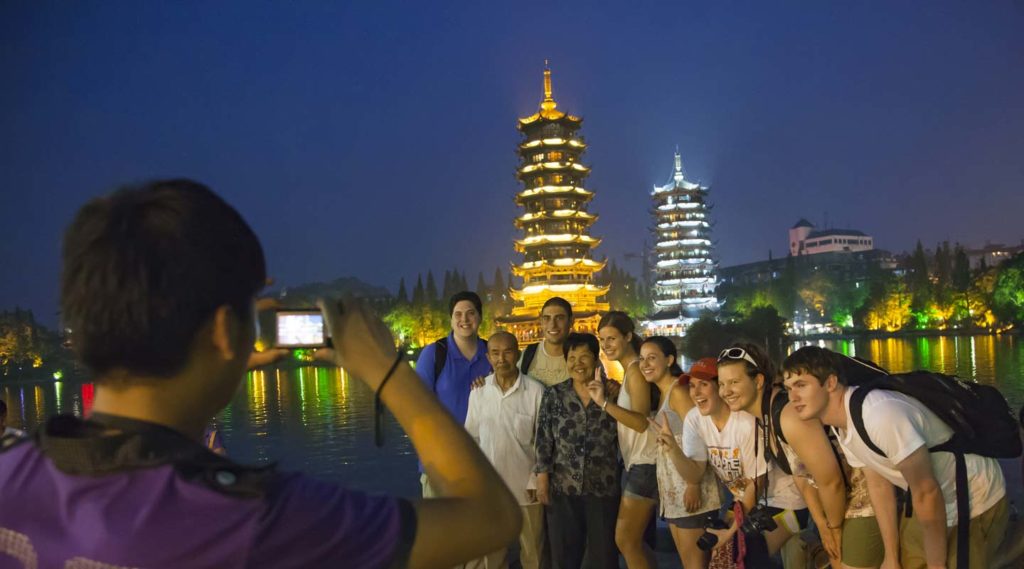
"People who have international experience or identify with more than one nationality are better problem solvers and display more creativity, our research suggests. What's more, we found that people with this international experience are more likely to create new businesses and products and to be promoted."
— William Maddux, quoted by Annie Murphy Paul
The following post was written by Annie Murphy Paul and originally published in the Opinion section of Time.com.
How does studying or working abroad change you? You return with a photo album full of memories and a suitcase full of souvenirs, sure.
But you may also come back from your time in another country with an ability to think more complexly and creatively—and you may be professionally more successful as a result.
01 What the Research Shows
These are the conclusions of a growing body of research on the effects of study- and work-abroad experiences.
For example: A study led by William Maddux, an associate professor of organizational behavior at INSEAD, found that among students enrolled in an international MBA program, their "multicultural engagement"—the extent to which they adapted to and learned about new cultures—predicted how "integratively complex" their thinking became.
That is, students who adopted an open and adaptive attitude toward foreign cultures became more able to make connections among disparate ideas. The students' multicultural engagement also predicted the number of job offers they received after the program ended.
More generally, writes Maddux, "People who have international experience or identify with more than one nationality are better problem solvers and display more creativity, our research suggests. What's more, we found that people with this international experience are more likely to create new businesses and products and to be promoted."
Findings like these help explain why sustained, in-country study tends to outperform classroom study alone — a pattern also visible in the research behind language immersion.
02 Openness Makes the Difference
Angela Leung, an associate professor of psychology at Singapore Management University, is another researcher who has investigated the psychological effects of living abroad.
She reports that people with more experiences of different cultures are better able to generate creative ideas and make unexpected links among concepts.
Like Maddux, Leung found that the advantages of living abroad accrue to those who are willing to adapt themselves to the ways of their host country: "The serendipitous creative benefits resulting from multicultural experiences," she writes, "may depend on the extent to which individuals open themselves to foreign cultures."
This openness, she adds, includes a tolerance for ambiguity and open-endedness, a lack of closure and firm answers.
In practice, that openness looks a lot like the everyday habits of a student abroad — the market conversations, shared meals, and small misunderstandings that fill a semester of experiences worth seeking out while studying abroad.
03 Is It Just the Kind of Person Who Goes?
Could it be that people who choose to study or work in other countries are already more inclined to be complex and creative thinkers?
David Therriault, associate professor of educational psychology at the University of Florida, anticipated this possibility.
He and his coauthors administered creative thinking tasks to three groups of undergraduates: students who had studied abroad, students who were planning to study abroad, and students who had not and did not plan to study abroad.
The students who had actually studied abroad outperformed the two other groups in creative thinking. That result is worth weighing alongside the more familiar reasons everyone should study abroad in China.
04 What It Means for You
Studying or working in another country can make us better thinkers—more flexible, creative, and complex—if we're willing to adapt and learn from other cultures.
As the title of an article by William Maddux advises: "When in Rome . . . Learn Why the Romans Do What They Do."
If that is right, then the decision to learn Chinese in China is about far more than vocabulary and tones. It is also one of the more compelling reasons to learn Chinese in the first place.
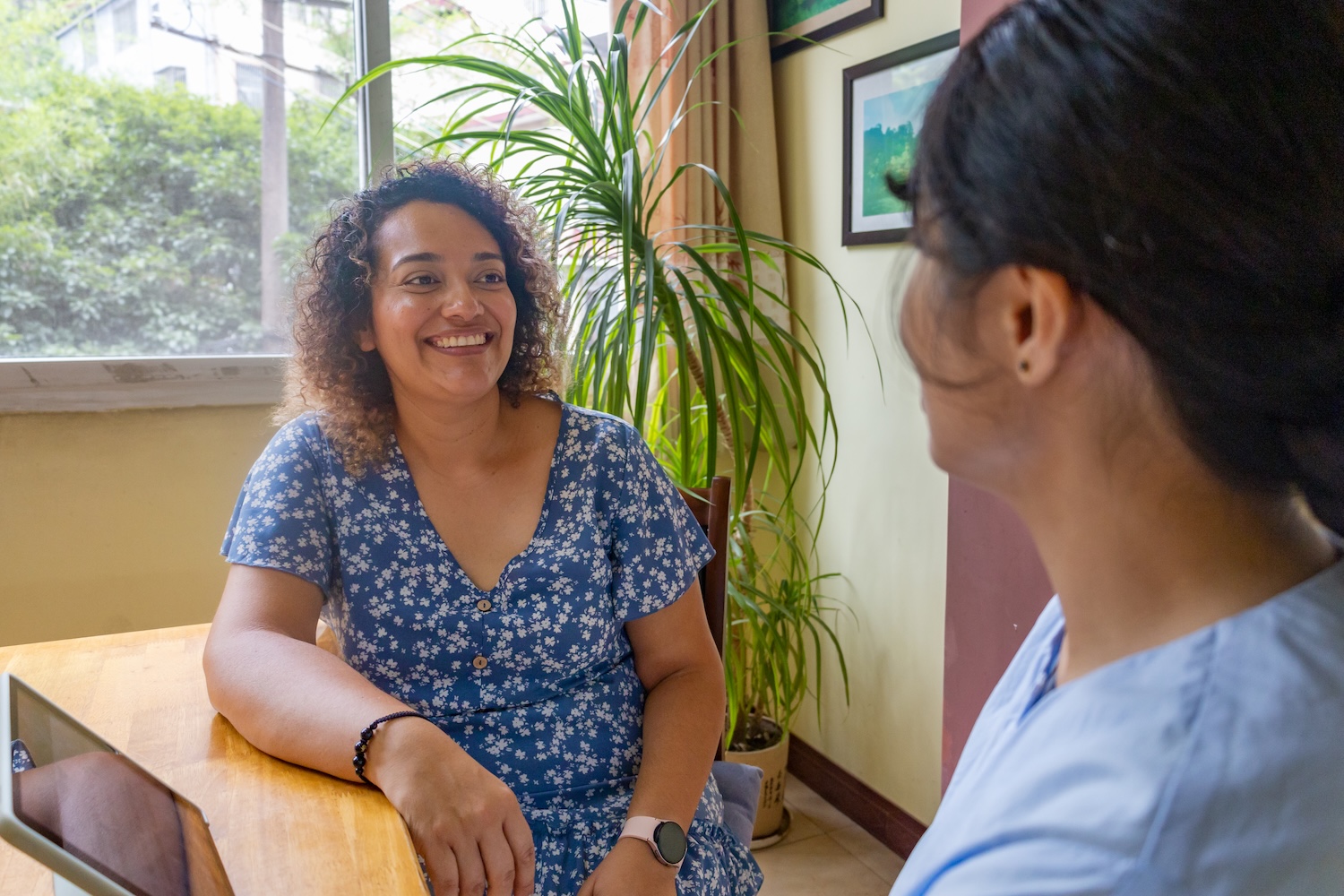
Study Chinese in Guilin or Start Online
CLI offers personalized Chinese instruction built around your goals. Join our Immersion Program in Guilin or begin from anywhere with a free Chinese lesson .
05 More From Annie Murphy Paul
Check out her TED talk on how life in the womb shapes who we become.
Follow Annie Murphy Paul on Twitter @anniemurphypaul, on her Facebook page, and on her blog.