

- "Study abroad in China" is not one single format. It can mean degree study, non-degree language study, exchange, summer programs, private immersion, one-on-one intensive study, or a hybrid path.
- The best-fit program usually depends less on prestige and more on your goals, learning style, budget, support needs, and tolerance for challenge.
- Being in China can help your Chinese a great deal, but progress still depends heavily on structure, interaction, and how much meaningful language use your routine creates.
- City choice matters, but practical fit often matters more than reputation alone.
- Housing, support, schedule design, flexibility, and program length often shape the experience more than rankings do.
If you've decided you want to learn Chinese in China, the next question sounds simple: which program should you choose?
In practice, this is where many beginners get stuck. "Study abroad in China" is not one single thing. It can mean a university language program, a summer session, an exchange semester, a private immersion school, a one-on-one intensive course, or a hybrid model that combines pieces of more than one approach. If you are still weighing whether to study in mainland China or Taiwan, that is a separate but related decision worth exploring early.
These options differ in pace, flexibility, housing, support, cost structure, and the kind of daily life they create. That matters because going to China does not automatically guarantee fast Chinese progress. Study abroad can help a lot, but results usually depend on how much structure, interaction, and real language use your program and routine actually create.
In other words, the best program is usually not the most famous one. It is the one that best fits your goals, current level, learning style, and tolerance for challenge.
This guide is designed to help you self-sort. Instead of trying to rank schools, it will show you the main program models, who they often suit, and which practical details usually matter more than prestige.
01 The Main Program Types, Simply Explained
Many readers begin with the assumption that there are only two options: a university program or "immersion." In reality, most learners will run into several distinct program types.
At the broadest level, there is degree study and non-degree study. Degree study means enrolling in a full academic program such as a bachelor's or master's degree. Non-degree study usually means language-focused or short-term study without pursuing a full degree.
Within non-degree study, there may be semester language programs, year-long language programs, exchange arrangements, short summer programs, and private intensive programs outside the standard university calendar. That difference affects almost everything else: admissions, term length, classroom intensity, housing options, administrative expectations, visa length, and how much freedom you have to start on your own schedule.

University Degree Programs
These are full academic degrees taught in China. They usually make sense for students who want a conventional institutional path, a recognized degree, and a longer academic commitment. Support is typically structured institutionally, and schedule flexibility is low since you are following a full degree calendar.
For beginners whose main goal is to improve spoken Chinese as efficiently as possible, however, a degree program is often not the most direct path. That does not make it a bad option. It simply means the program is usually solving a different problem.

University Non-Degree Language Programs
These are some of the most common study-abroad options. They are usually designed for international students who want to study Chinese for a semester, summer, or academic year without entering a full degree.
This format often offers a familiar structure: regular class schedules, a campus environment, access to student services, and a clearer administrative framework. Administrative support is usually solid, though schedule flexibility tends to be medium-low since programs follow fixed academic calendars. If you want a recognized institutional setting but do not want to commit to a degree, this is often the clearest middle ground.
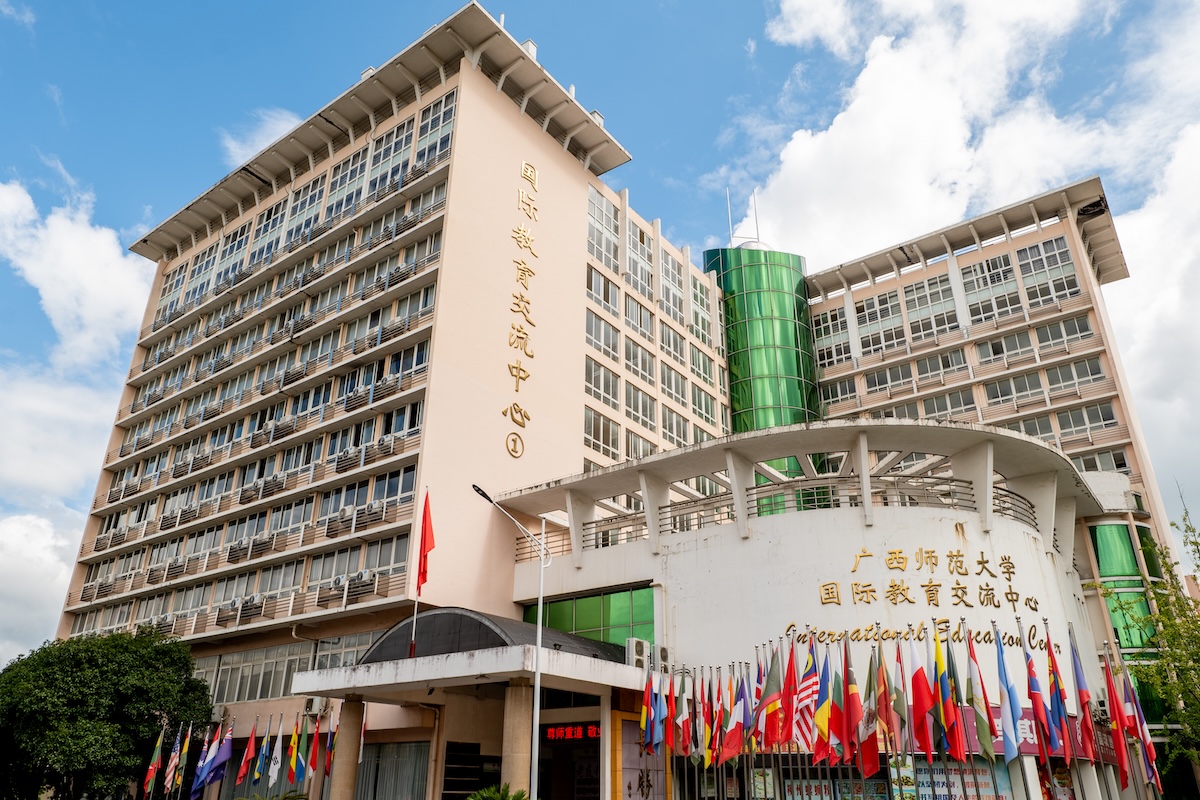
Compared with private intensive formats, university non-degree programs are usually less individualized and more tied to fixed academic calendars. That said, some programs bridge this gap by pairing university enrollment with additional support. For example, CLI's Study Abroad Program is run in partnership with Guangxi Normal University (GXNU), combining the institutional framework of a Chinese university with more personalized guidance.
Exchange Programs
Exchange programs are usually arranged through your home university. They may be especially useful if you need credit transfer, already have an international office helping you, or want a study-abroad experience tied to your current degree. Support often comes from two institutions, which can be an advantage.
The tradeoff is that your options may be narrower, customization is limited, and schedule flexibility is generally low since the program is designed around institutional compatibility rather than your personal language-learning ideal.
Short Summer Programs
These programs are appealing because they ask for less time and can feel easier to fit into a busy life. They offer moderate schedule flexibility and can be worthwhile, especially if you want a first experience in China or a short burst of focused study. Support levels vary by provider.
The important thing is to calibrate expectations. A short program can still be useful, but it usually works best as a strong introduction, a trial run, or a way to build momentum — not as a magic shortcut to fluency. The limited time means deeper progress is harder to achieve. If you are still deciding, our guide to how long it takes to learn Chinese can help you set realistic timelines before you commit.
Private Immersion Programs
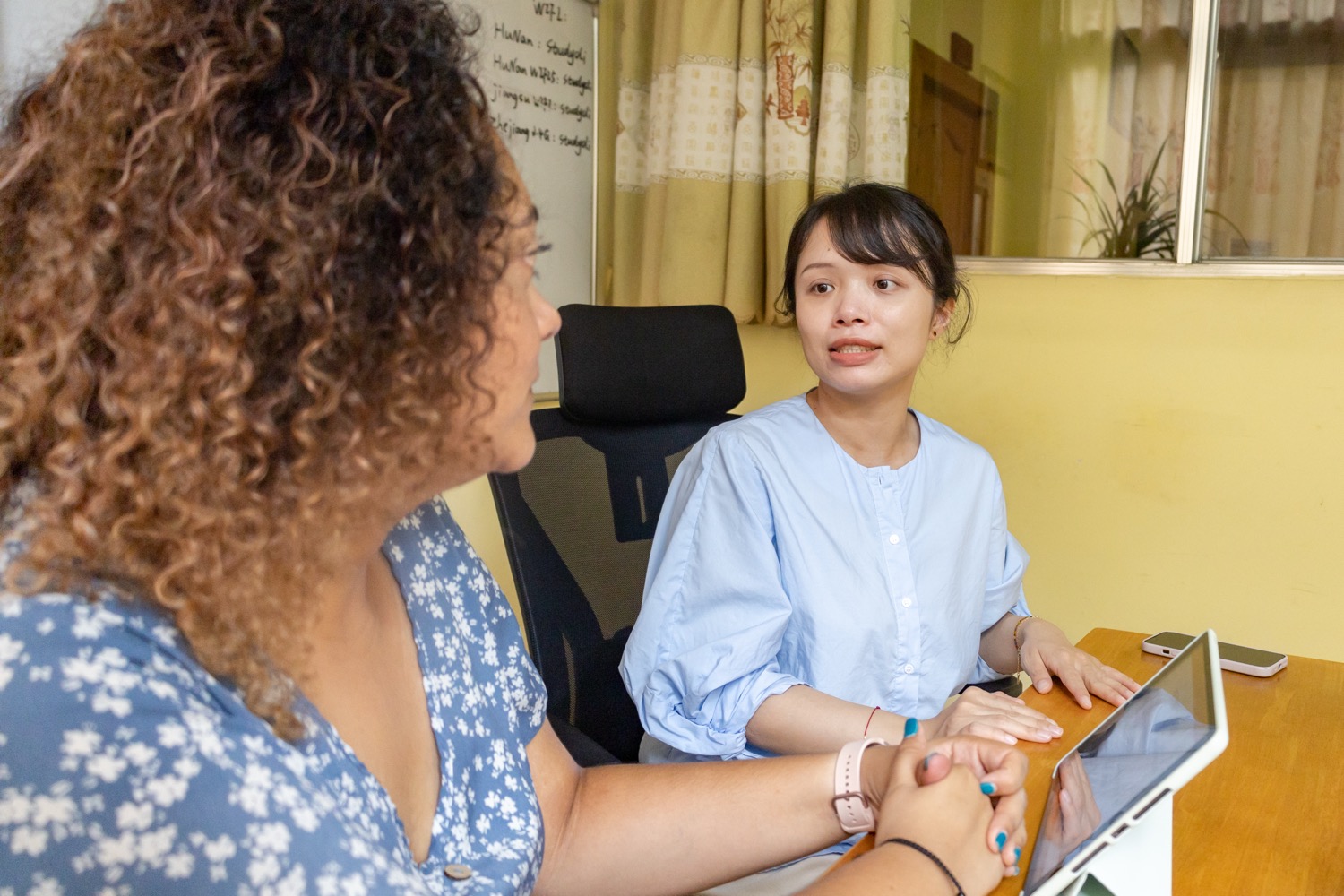
Private language schools vary widely, but many are built around flexibility, intensive instruction, and practical support. Some focus on one-on-one teaching, small groups, rolling start dates, and housing arrangements such as homestays or school-managed apartments.
This format can be especially attractive for adults who are not tied to a university calendar and care more about progress, personalization, and ease of setup than about campus life.
Some programs within this category lean heavily toward one-on-one intensive study, which can accelerate progress but may feel more demanding than group-based options. That said, it does not have to mean studying in isolation. CLI's Immersion Program in Guilin, for instance, pairs one-on-one instruction with cultural activities and a built-in community — so learners get the personalization of private study alongside a real social life.
The key distinction across this category is that private immersion programs are defined less by formal university structure and more by how they organize daily language use, instruction, and support.
Hybrid Formats
Some learners want both structure and flexibility. A hybrid path might combine university registration with additional tutoring, or pair classroom study with private one-on-one support and guided housing. Schedule flexibility is moderate, and support varies by arrangement.
This kind of model can be appealing if you want the legitimacy or rhythm of a university environment without depending on it alone for your language growth. The tradeoff is that coordinating multiple formats can be more complex.
02 Which Study Abroad Format Is Best for You?
A better way to think about program choice is not "Which option is best?" but "Which option makes the most sense for my goals, learning style, and daily needs?"
University-Based Programs
Best for learners who want academic credit, a traditional campus environment, or a recognized institutional path. This route makes sense if your priorities are tied closely to formal academic structures — whether that means a full degree, a semester of transferable credit, or the rhythm and social life of a university campus. Exchange programs fall here too, especially if your home university has an existing arrangement that simplifies credit transfer and administrative support.
Private Immersion Programs
Best for learners focused on language progress, flexibility, and close support — especially adults who are less interested in campus life and more interested in a format that can adapt to their level and schedule. Private programs often offer rolling start dates, guided housing, and practical help with settling in, which can make the transition to life in China much smoother. Research on the 2-sigma problem in language learning suggests just how significant personalized instruction can be for accelerating progress.
One-on-One Intensive Programs
Best for highly motivated learners who want tailored pacing and close feedback over a defined period. This format can be especially effective for learners returning to Chinese after a break or trying to accelerate quickly. The tradeoff is that it can feel more demanding than group-based options — but it does not have to mean studying in isolation. For a deeper look at how one-on-one study compares structurally with group formats, see our guide on one-on-one versus group Chinese lessons.
Short Summer Programs
Best for learners who want a first experience in China without committing to a long stay. A short program can work well as a trial run, a focused reset, or a way to build early momentum. The key is to calibrate expectations: a few weeks can still be valuable, but deeper progress usually requires more time.
Hybrid Programs
Best for learners who want both institutional structure and added personalization. A hybrid path might combine university enrollment with private tutoring, or pair classroom study with one-on-one support and guided housing. For some learners, this creates a better balance than relying on either model alone. The tradeoff is that coordinating multiple formats can be more complex.
03 Why Immersion Alone Is Not Enough
One of the most persistent myths in language learning is that being in the country automatically transforms your Chinese. Study abroad can produce strong gains, but those gains usually depend on the quality of interaction, the amount of meaningful social contact, and how the program structures your learning.
That matters especially for beginners. If you arrive in China with very limited Chinese and little support, daily life may feel immersive in theory but confusing in practice. You may end up relying heavily on translation apps, English-speaking friends, or predictable routines that do not stretch you very much. Even learning some basic Chinese words before departure can make a meaningful difference in those first weeks.
A better question is this: does the program help you turn your environment into actual learning?
That can happen in different ways. It might come from a strong classroom structure, guided conversation practice, one-on-one correction, a host family, local activities, or simply a routine that makes interaction unavoidable but manageable. The key point is that structure and exposure usually work best together. You can read more about this in our piece on Chinese immersion programs and what separates the formats that produce results from those that don't.
This is also why two students can spend the same amount of time in China and come away with very different results.

04 How City Choice Changes the Experience
City choice matters, but probably not in the way beginners often assume. It is tempting to ask for the "best city in China to learn Chinese." A better approach is to ask which city best matches your goals, budget, comfort level, and preferred daily routine.
Our detailed guide to the best city to learn Chinese in China walks through the practical differences in detail. (If you are also planning to travel beyond your study city, our guide to the best places to visit in China can help you make the most of your time.)
Cost and Sustainability
A city that drains your budget can quietly reduce the quality of your experience. If you are constantly stressed about money, housing, or transport, it becomes harder to focus on language study.
Pace and Daily Friction
Some learners thrive in fast, dense, internationally connected cities. Others do better in places that feel calmer and easier to navigate. Neither preference is more serious or more authentic.
Language Environment
What matters is not a simplistic "big city versus small city" stereotype. What matters is the kind of routine you are likely to build there. Will you live in a setting that nudges you toward regular Pǔtōnghuà use, or one where you can accidentally stay in a comfortable bubble?
Lifestyle Fit
Do you want campus life, independent adult life, or something in between? Are you energized by busy city life or worn down by it? Do you need a place where daily logistics feel light and manageable?
These questions usually lead to better decisions than asking which city has the strongest reputation.

05 How Long Should You Go, Realistically?
In general, longer study-abroad experiences often create more room for real progress than very short ones. But longer is not the same as better no matter what. Sustainability matters too.
A short program can still be useful if you treat it as a first step, a test run, or a focused reset. A semester can be long enough for many learners to build real momentum. A longer stay can deepen that progress further, especially if the learning structure stays strong and you remain engaged.
The main mistake is choosing a length based on fantasy rather than reality. A highly ambitious plan is not always the wisest one. A slightly shorter program that you can fully afford, sustain, and participate in well may serve you better than a longer plan that leaves you overwhelmed, isolated, or burnt out.
Before committing to a length, it is worth reading through what makes Chinese challenging so your expectations for progress at different stages are grounded in reality.
06 The Overlooked Details That Matter More Than Rankings
Many learners spend too much time comparing famous program names and too little time comparing the details that shape daily life.
Housing
Dorms, homestays, and self-arranged apartments can create very different experiences of comfort, independence, and language exposure. A homestay can support progress for some learners, but it is not automatically ideal for everyone. CLI's Chinese homestay guide covers what to expect and how to make the most of that arrangement if it appeals to you.
Support and Orientation
What happens when you arrive? Who helps if you get sick, feel lost, need to change housing, or struggle socially? Administrative support may sound boring, but it can make a major difference in whether you settle in fast enough to actually learn well.
Schedule Design
Look closely at how the week is actually structured. Is it mostly classroom time? Is there one-on-one practice? Are there built-in opportunities for speaking? Does the pace feel intensive in a useful way, or merely exhausting?
Flexibility
Can you choose your start date? Can the program adapt to your level? Can you extend if things go well? These questions matter especially for adult learners and independent travelers.
Visa Length
Visa issues do matter, but they should stay in proportion. At a high level, X1 visas generally apply to study longer than 180 days, while X2 visas generally apply to study 180 days or less. For most readers, the main point is simply that program length can affect visa category, so it is worth checking early with the provider rather than at the last minute. You will also want to sort out practical essentials like a reliable VPN for China before you arrive.

07 A Simple Framework for Choosing Your Best-Fit Program
If you are unsure where to start, use these five questions:
1. What Is My Real Primary Goal?
Do you want fast spoken-Chinese improvement, academic credit, a degree, a first taste of life in China, or a flexible adult-learning experience? If you already have a target proficiency level in mind — such as reaching a specific HSK level — that can help narrow your options further.
2. How Much Structure Do I Need?
Some learners do best with a campus and a standard calendar. Others do better with personalization and close feedback.
3. How Much Challenge Can I Sustain Well?
Be honest here. A program that is intense enough to help but not so intense that you shut down is usually the sweet spot.
4. What Kind of City and Housing Routine Will Help Me Function Well?
Think beyond image. Consider money, energy, stress, privacy, and how much local interaction your routine is likely to include.
5. What Practical Support Do I Need?
Do you want help with arrival, housing, registration, and settling in, or are you comfortable managing most of that yourself?
Study Chinese in Guilin or Start Online
CLI offers personalized Chinese instruction built around your goals. Join our Immersion Program in Guilin or begin from anywhere with a free Chinese lesson.
08 Final Guidance: Choose for Fit, Not Prestige
If there is one idea to keep in mind, it is this: choose for fit, not prestige.
A program can look impressive on paper and still be wrong for you. Another program may look less glamorous but fit your goals, budget, and learning style much better. That is often the option that leads to better outcomes.
For many beginners, the best decision is not the one with the most recognizable name. It is the one that gives you the right mix of structure, support, challenge, and real language use. Once you have a clearer sense of what you are looking for, it helps to have a solid Chinese study plan in place before you even arrive — so you can hit the ground running from day one.
That is the difference between simply going to China and actually building a study-abroad experience that helps your Chinese grow.

09 FAQ
Is studying Chinese in China worth it for beginners?
It can be, especially if the program gives you enough structure, support, and real language use. For beginners, the goal is not just exposure. It is turning that exposure into actual learning.
What is the difference between a university Chinese program and an immersion program?
University programs usually offer a more formal institutional structure, a standard calendar, and campus-based services. Immersion programs often emphasize flexibility, practical support, and more personalized language study.
How long should I study Chinese in China?
That depends on your goals and what you can sustain well. In general, longer stays often create more room for progress, but a shorter program can still be valuable if it is realistic and well structured.
Does living in China automatically improve your Chinese?
No. Being in the country can help a lot, but it does not automatically guarantee fast progress. Structure, interaction, and meaningful language use still matter.
Do I need a student visa to study Chinese in China?
Often, yes. In general, X1 visas apply to longer study and X2 visas to shorter study. The exact category depends on program length, so check it early with your provider.
Which city in China is best for learning Chinese?
There is no single best city for everyone. A better question is which city best matches your budget, comfort level, preferred routine, and the kind of language environment you want.
10 Useful Study-Abroad Vocabulary
The following vocabulary will help you navigate conversations about studying in China, from program logistics to daily campus life. If you are new to reading pinyin, the romanization column below shows how each word is pronounced.
| Chinese | Pinyin | Translation |
|---|---|---|
| 留学 | study abroad | |
| 留学生 | international student | |
| 学期 | semester / term | |
| 课程 | course / curriculum | |
| 一对一 | one-on-one | |
| 沉浸式 | immersive / immersion-style | |
| 汉语 | Chinese language (Mandarin) | |
| 普通话 | Standard Mandarin | |
| 口语 | spoken language / speaking | |
| 听力 | listening comprehension | |
| 签证 | visa | |
| 学生签证 | student visa | |
| 宿舍 | dormitory | |
| 寄宿家庭 | homestay family | |
| 学费 | tuition | |
| 入学 | enrollment / admission | |
| 交换生 | exchange student | |
| 学分 | academic credit | |
| 老师 | teacher | |
| 同学 | classmate | |
| 水平 | level / proficiency | |
| 进步 | progress / improvement | |
| 练习 | practice | |
| 生活 | daily life | |
| 适应 | adapt / adjust |