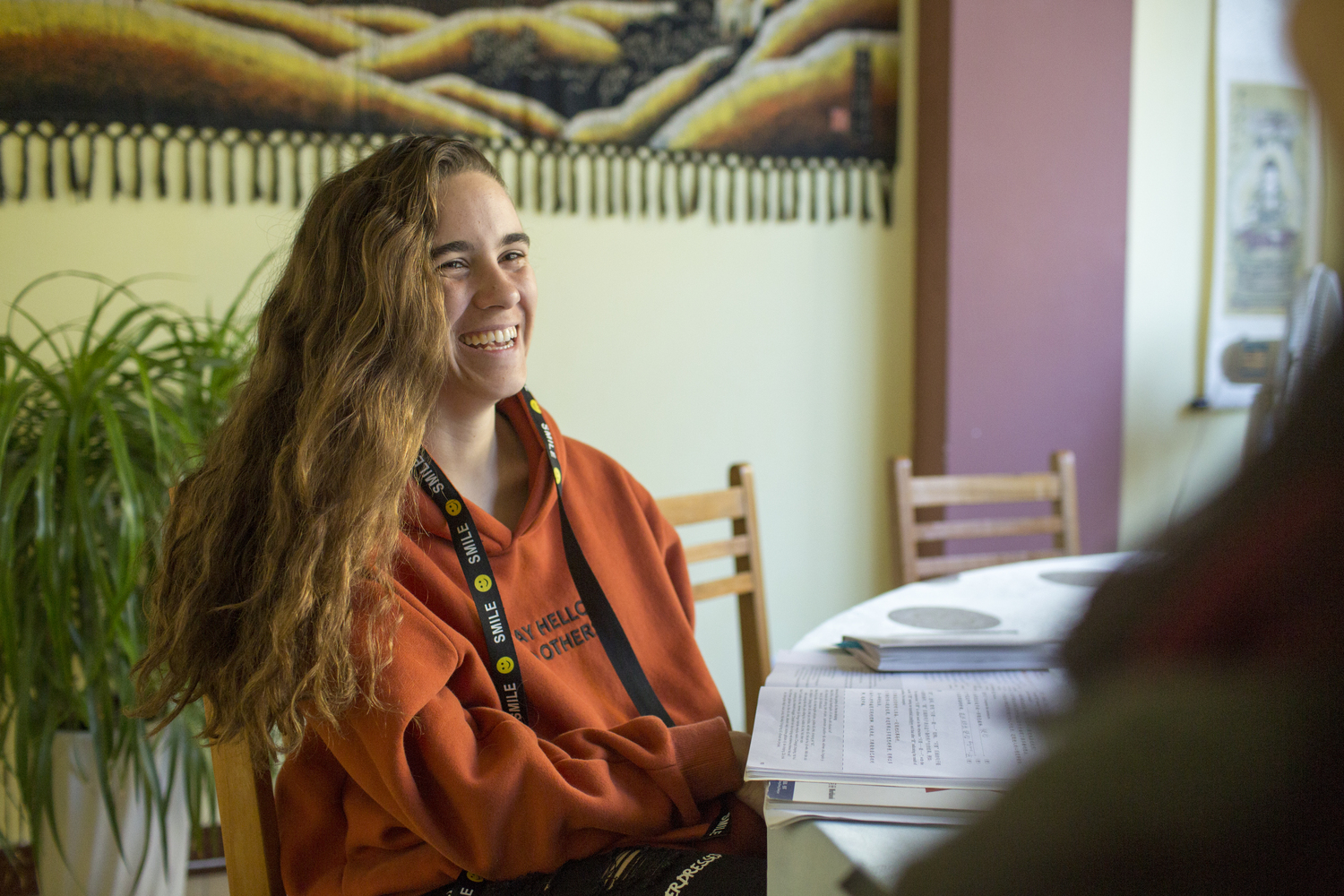
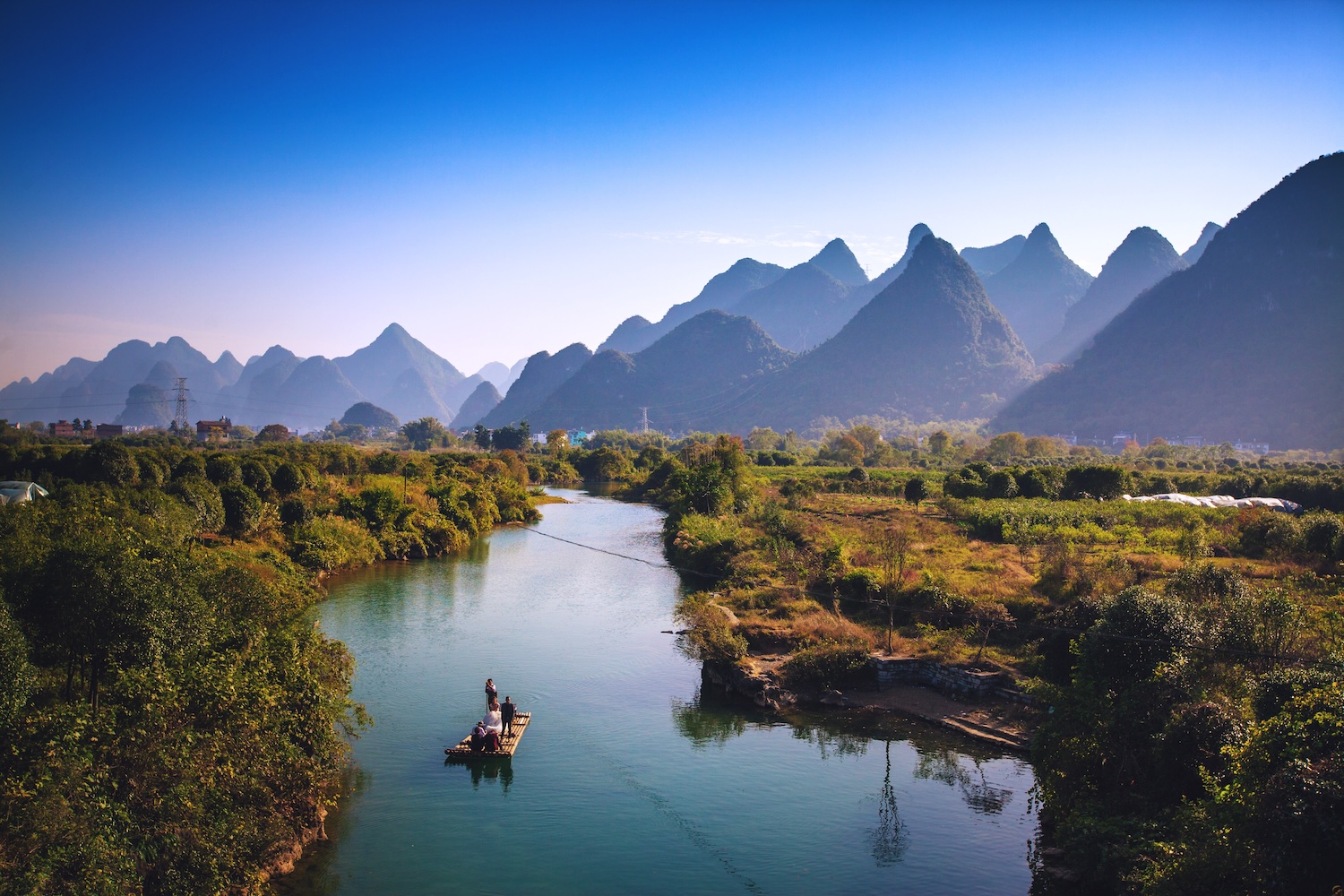
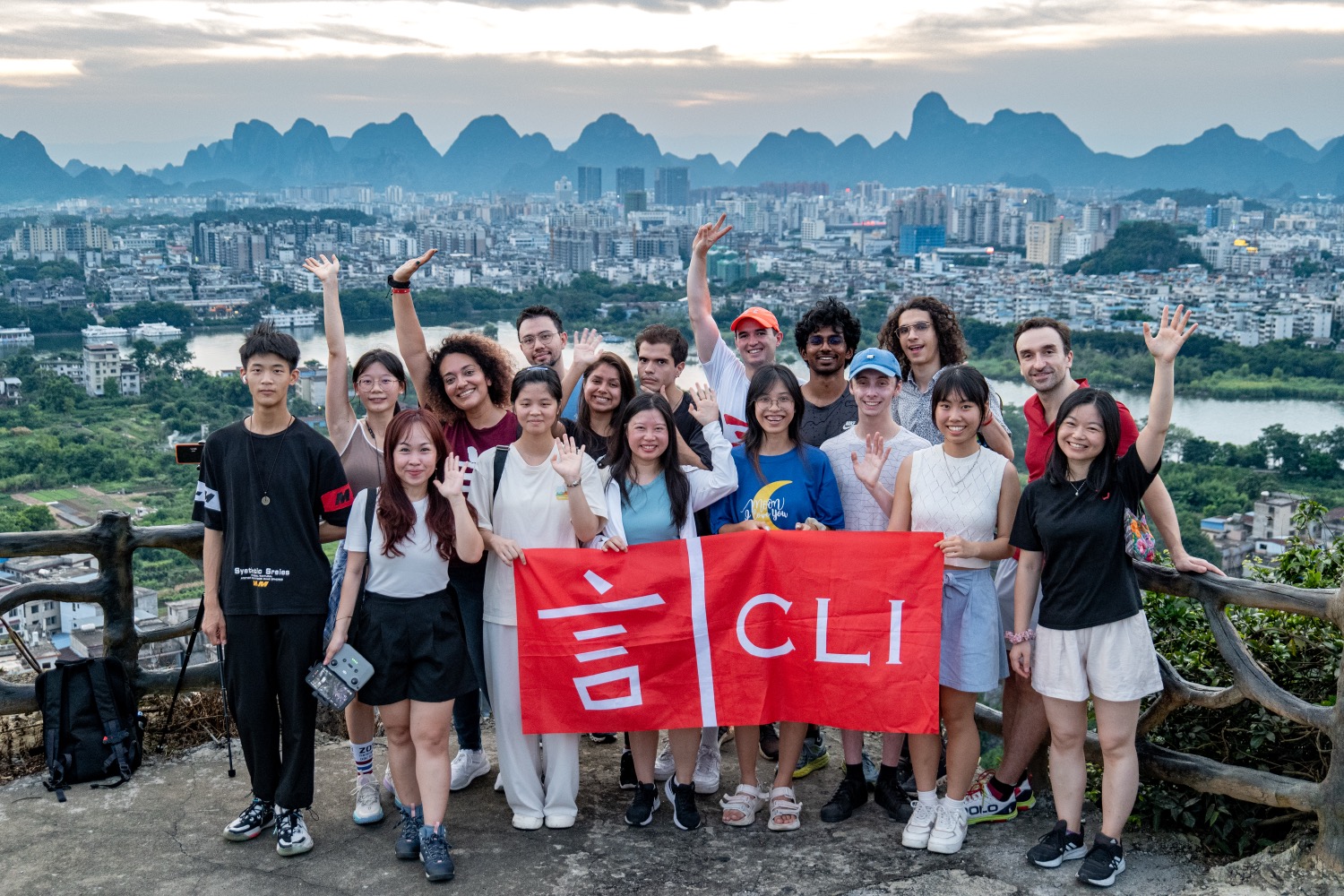
[00:00]I came to China on my own for one month to learn Chinese from zero, and I’m going to show you how I did it, because this is a place that had been on my radar for three years.
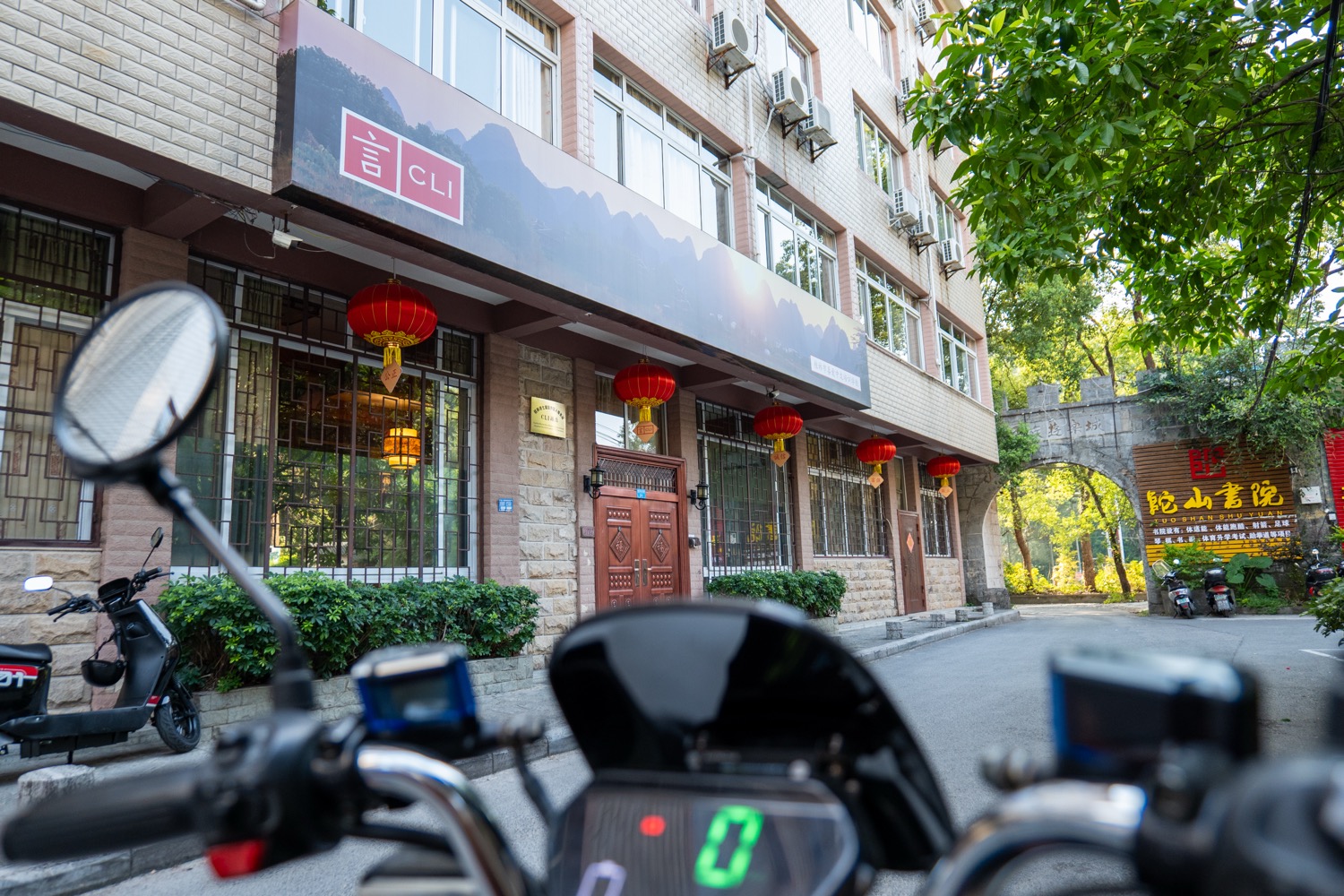
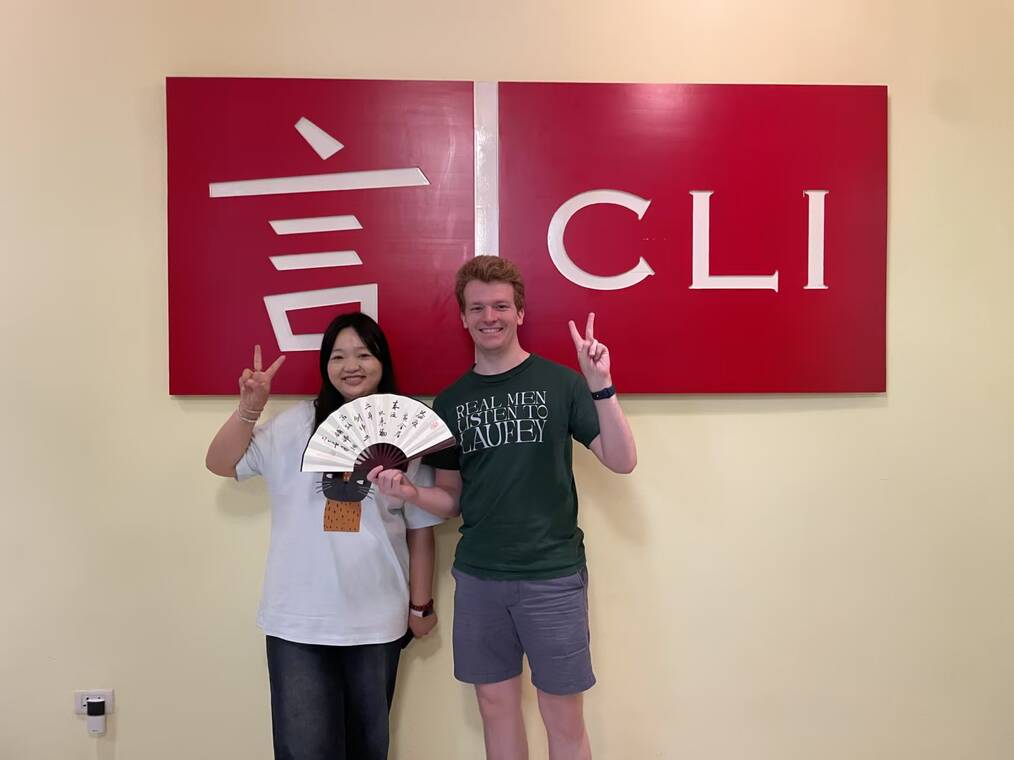
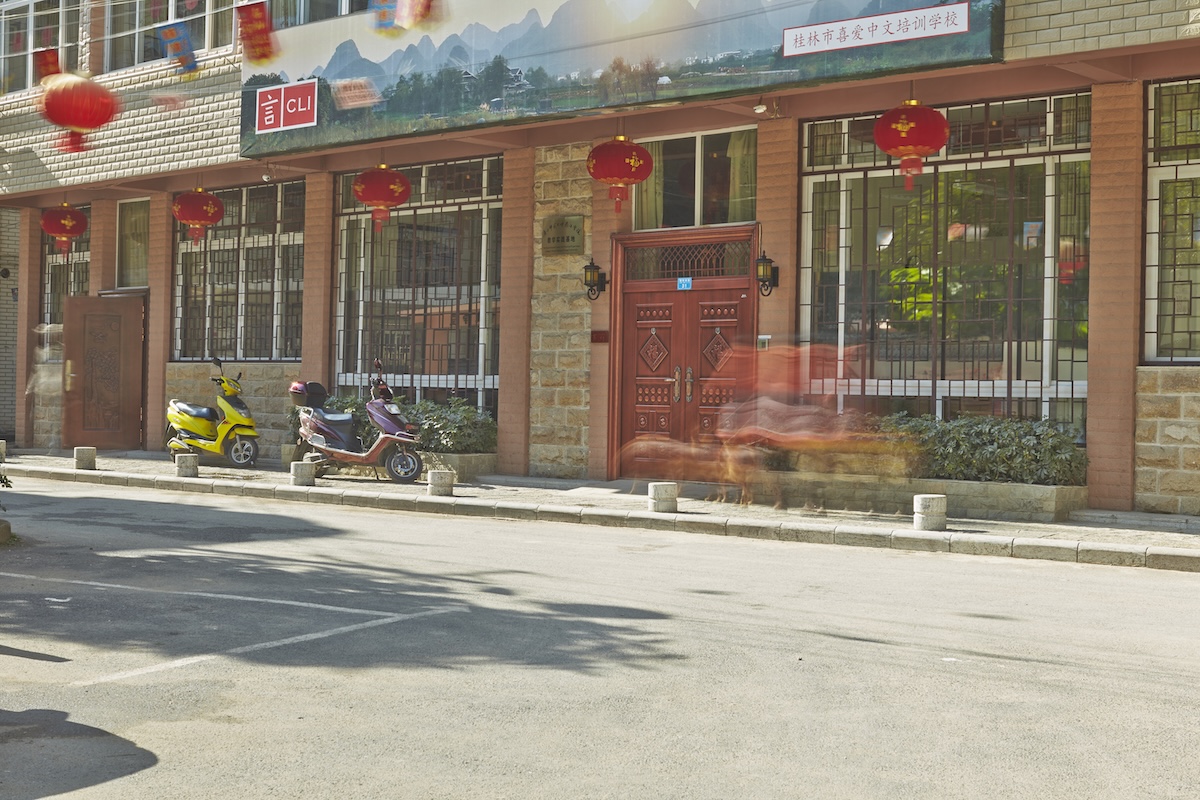
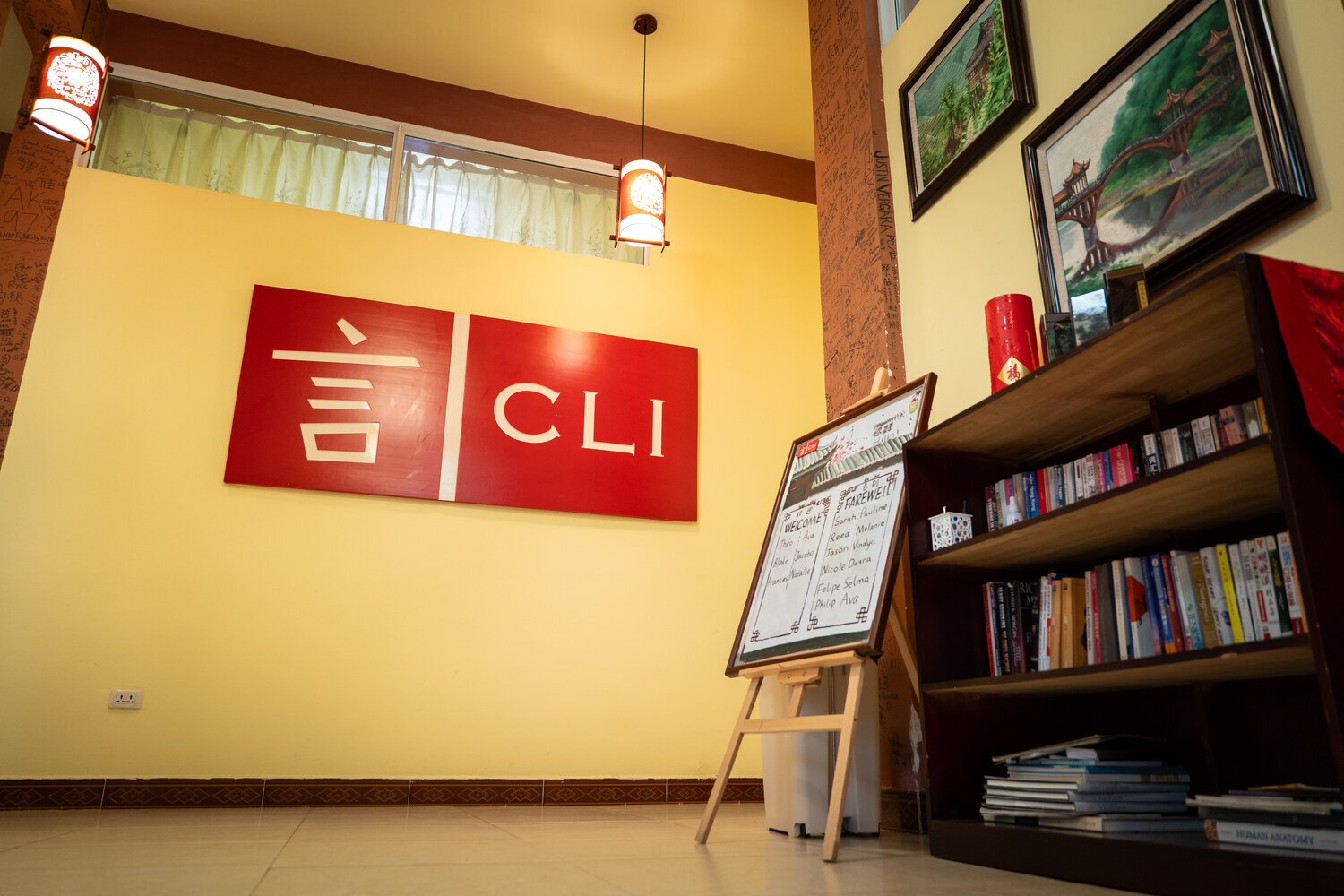
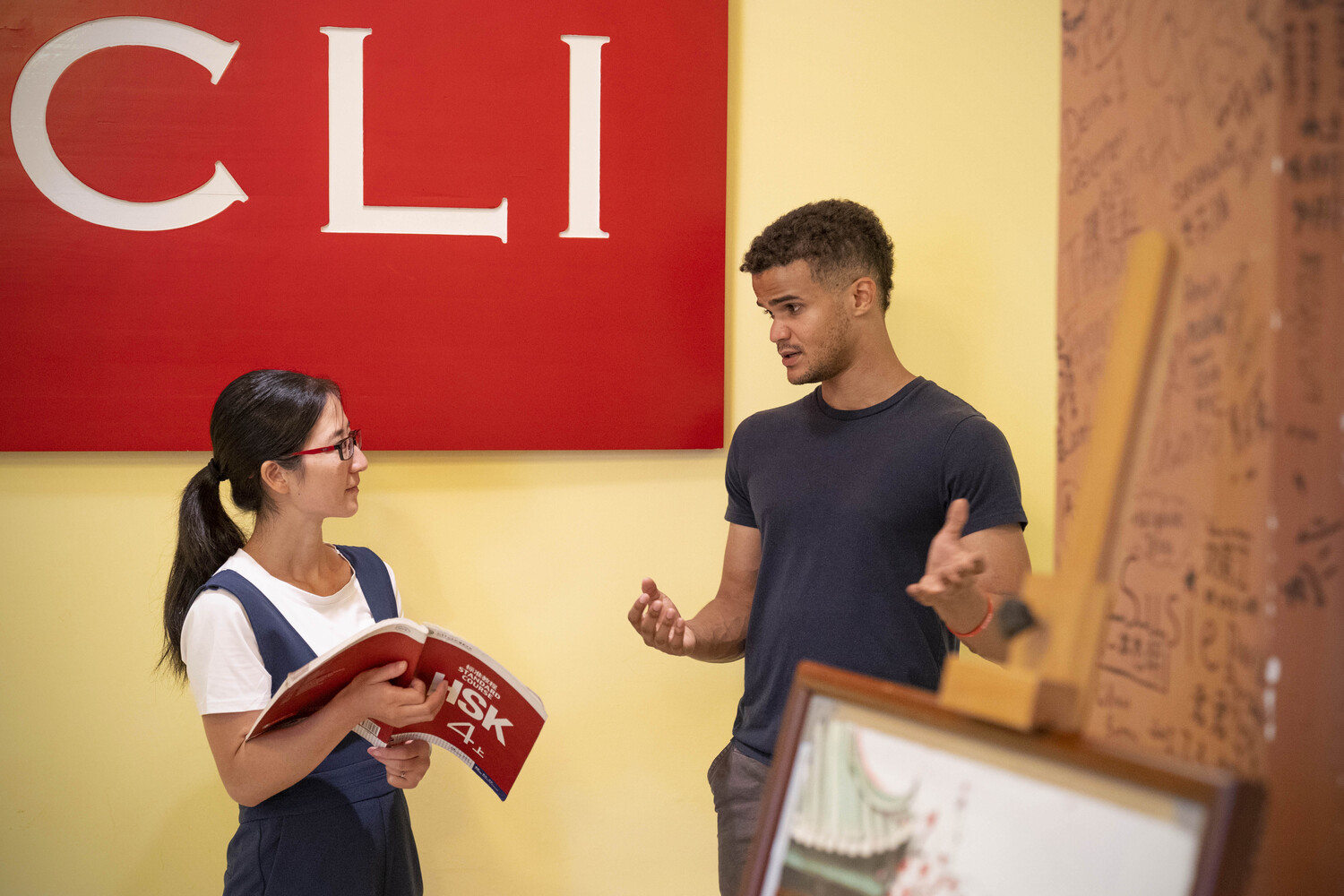
[00:07]As soon as you enter, there’s the reception area, with the typical classrooms.
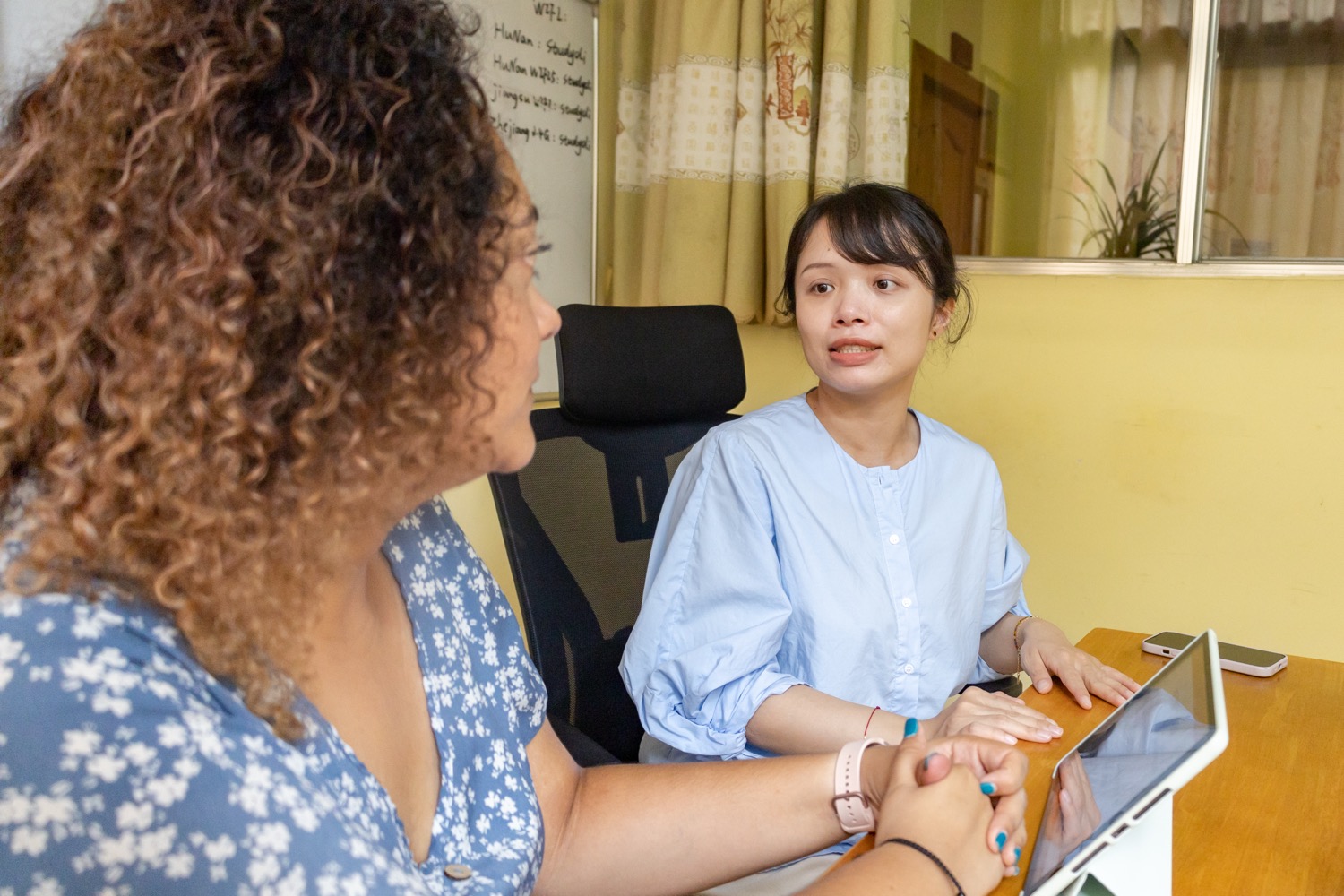
[00:13]And here, on the left, if anything happens to you, this is like the office. This is where you come on the first day, and where you buy the books, or if anything happens, you tell them here.
[00:24]Continuing this way, we still have classrooms, stairs to the second floor, and then over here, there’s an area you’re going to use a lot.
[00:31]The bathroom area, which has Western-style toilets.
[00:33]I’m telling you, that’s already a big plus, because here in China you’re going to find a lot of squat toilets.
[00:37]And water machines, because here in China you can’t drink tap water, so we have water on every floor.
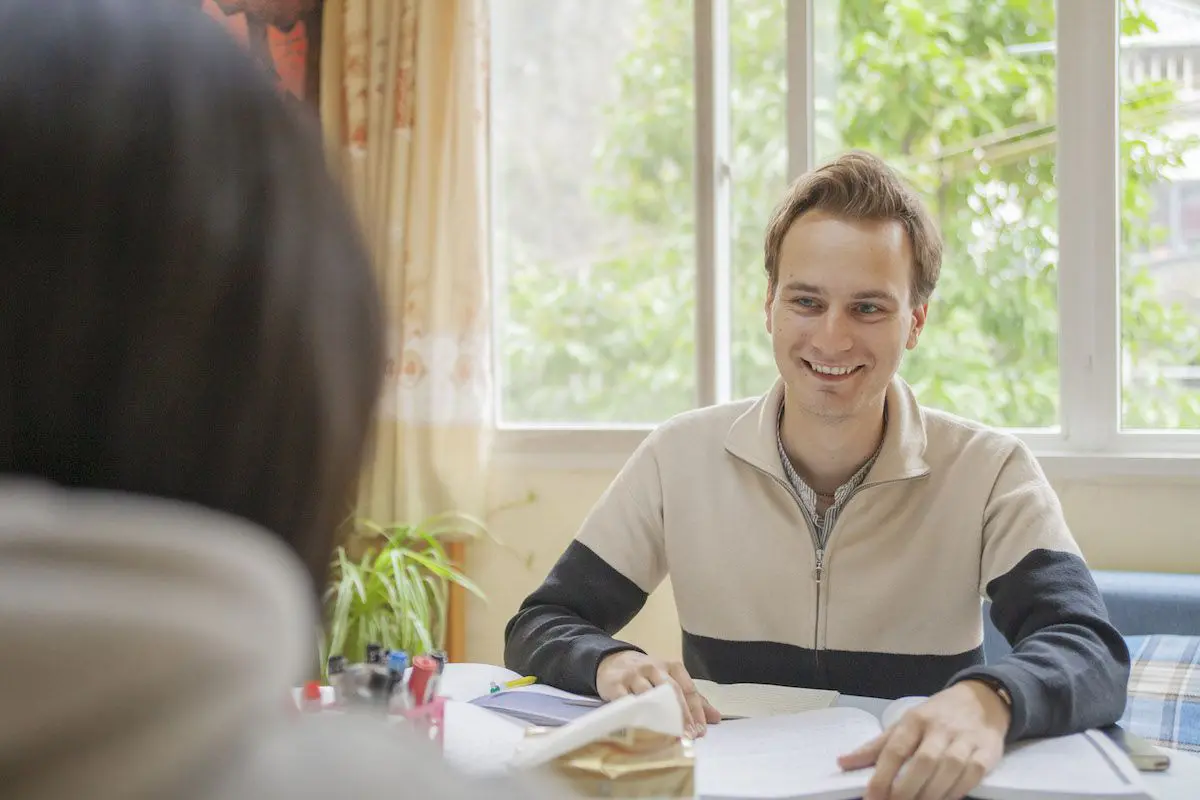
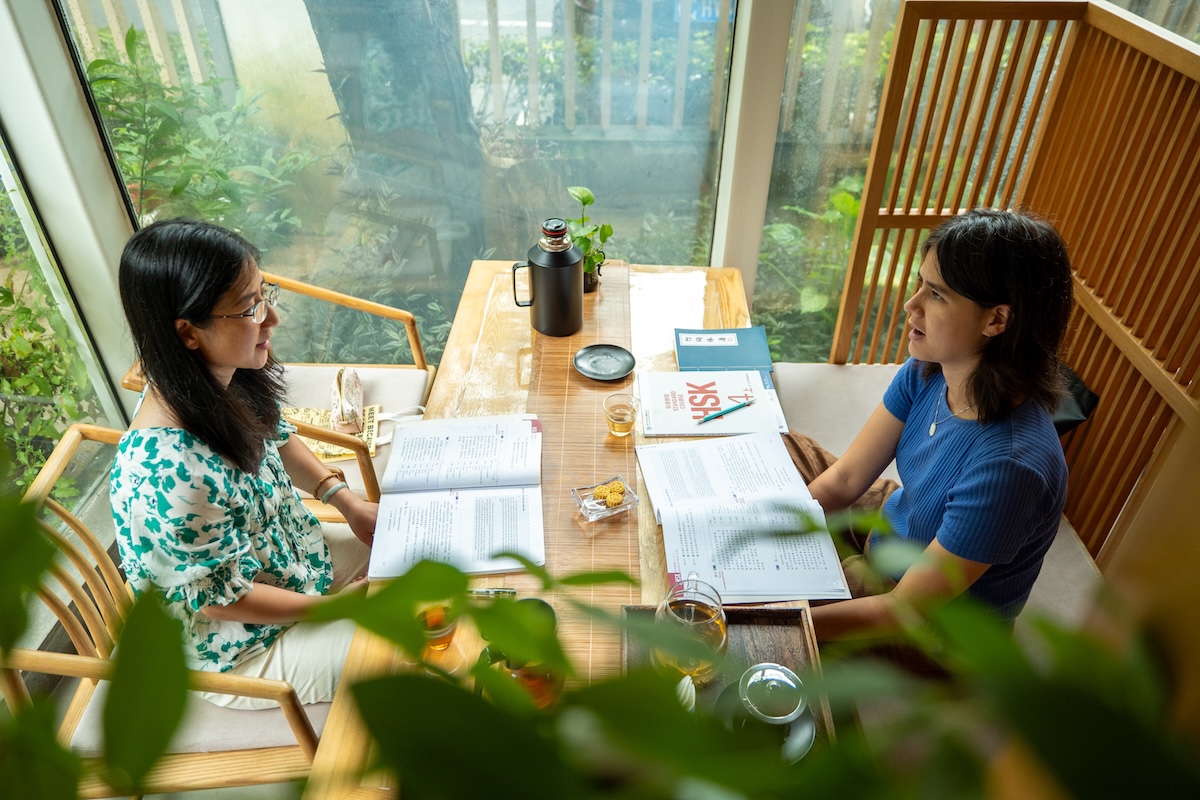
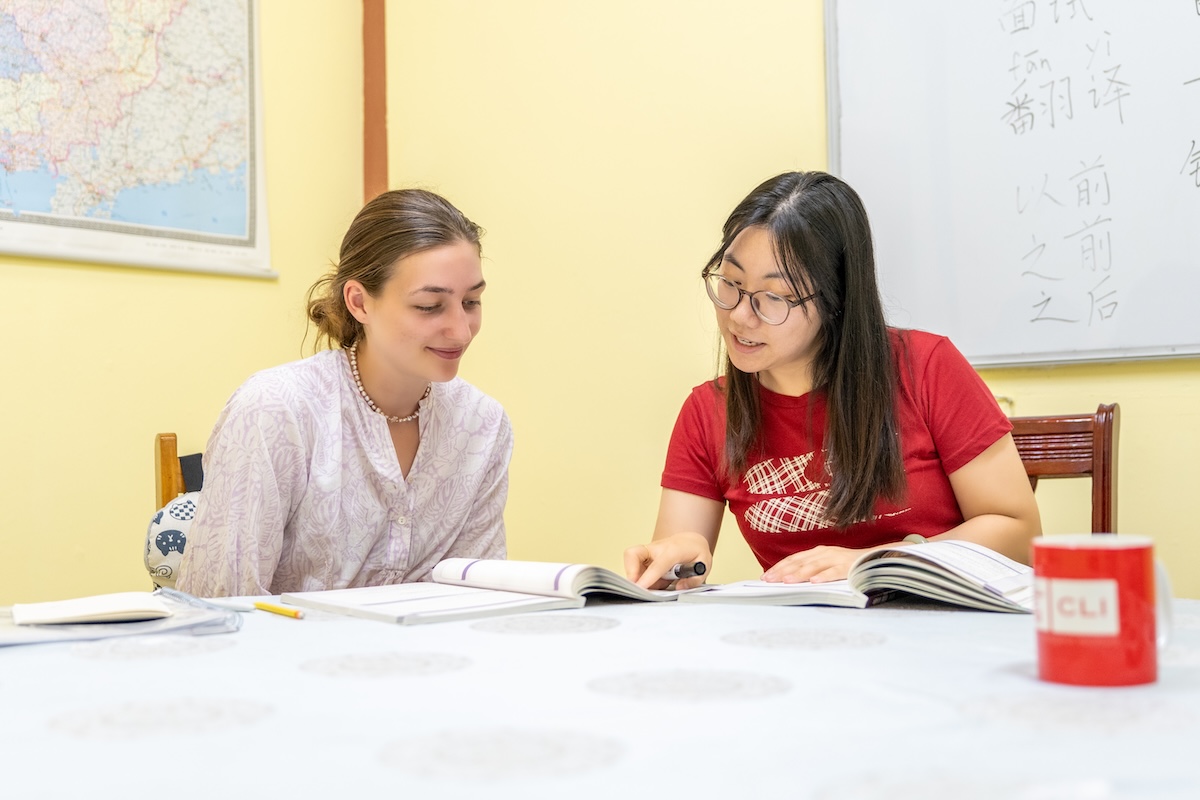
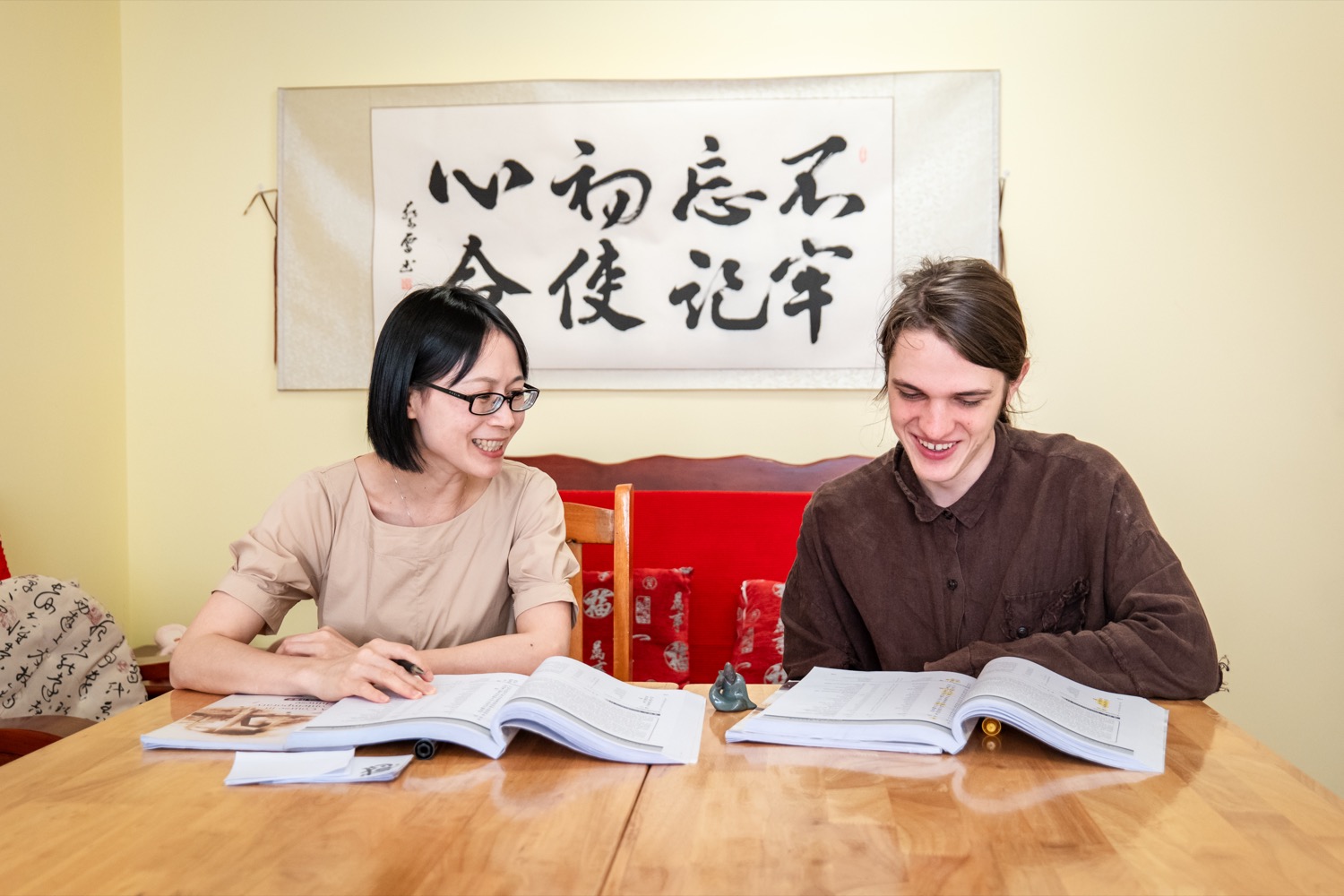
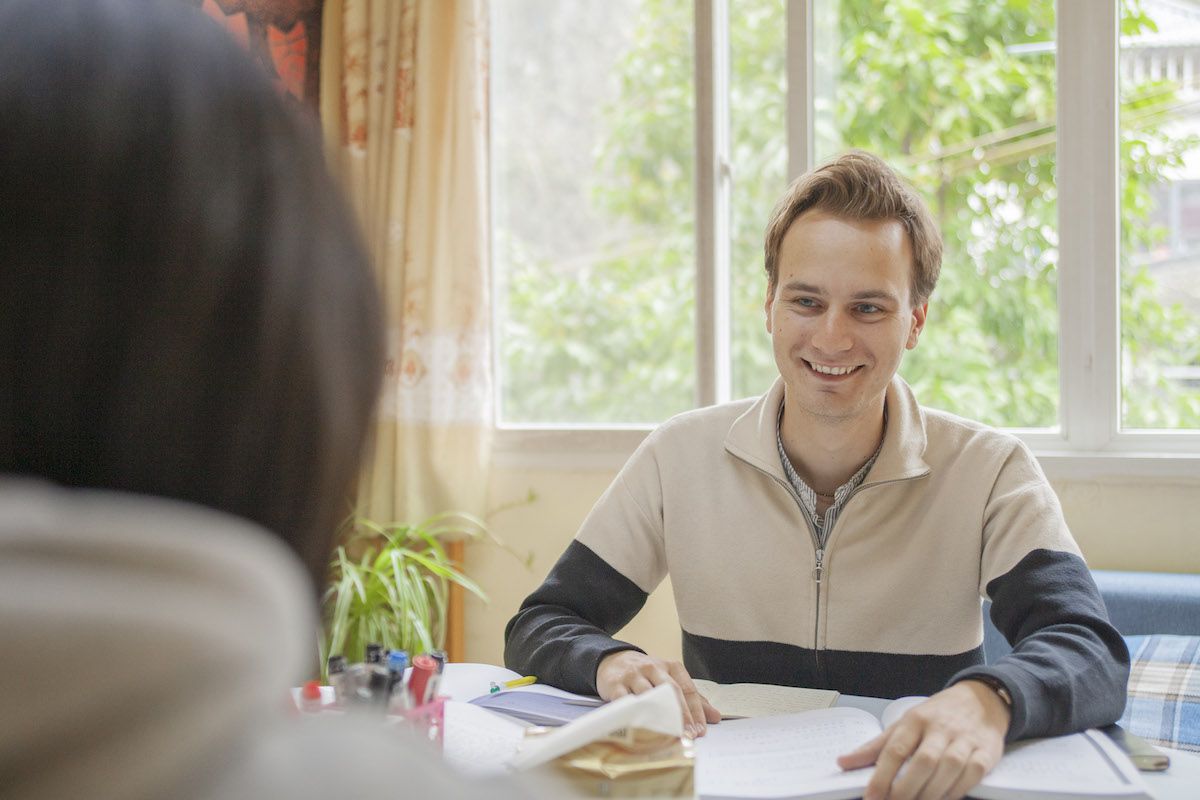
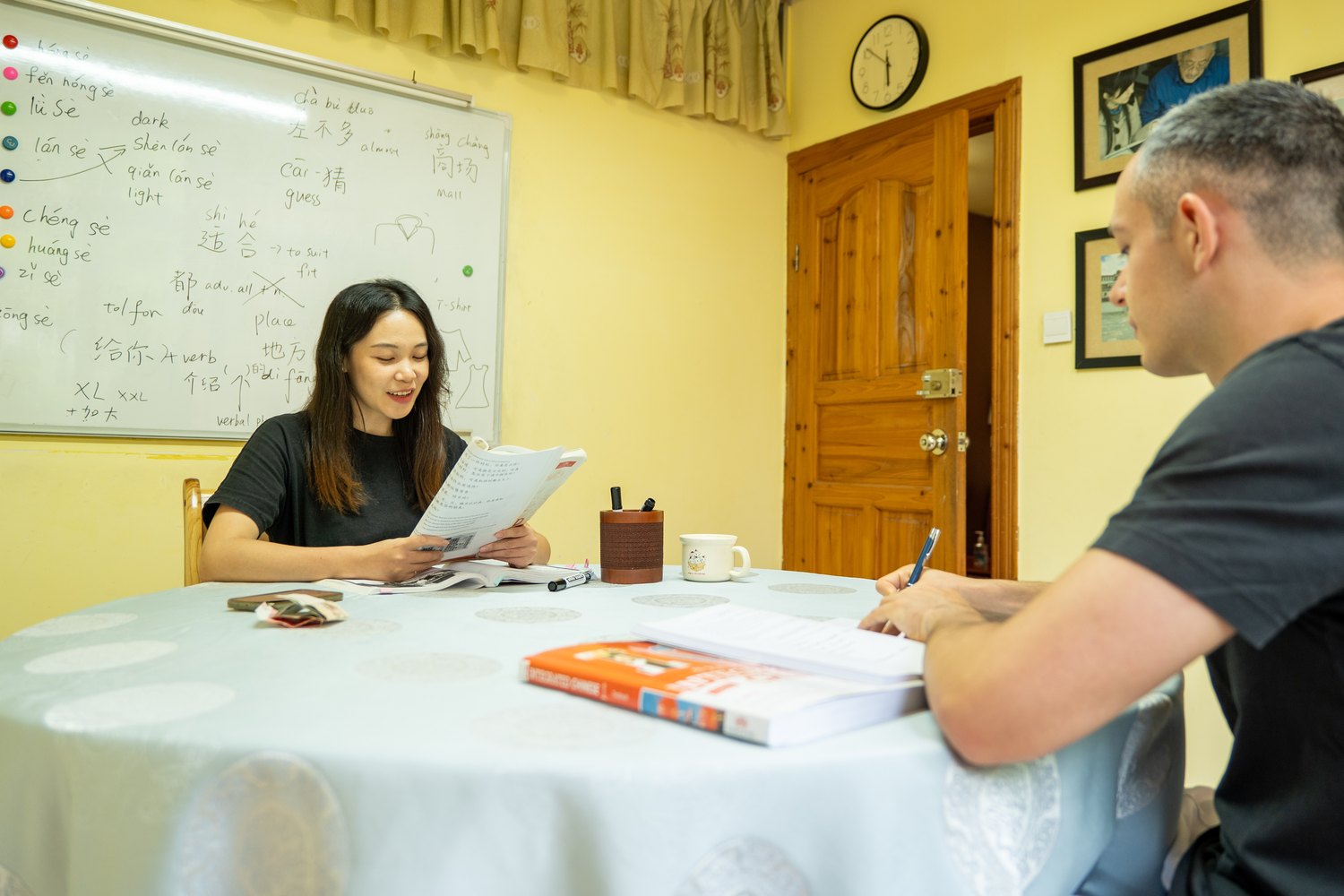
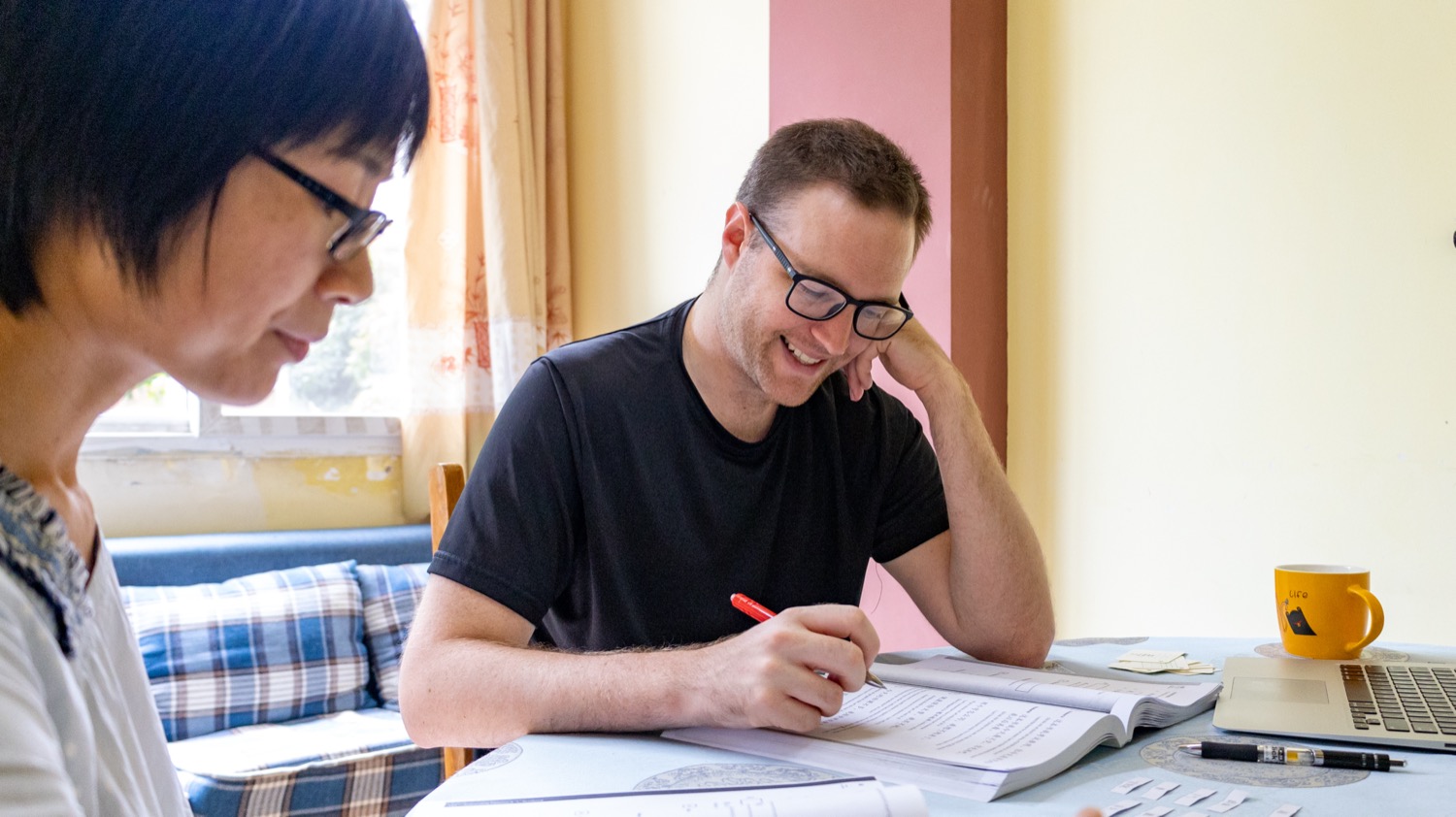
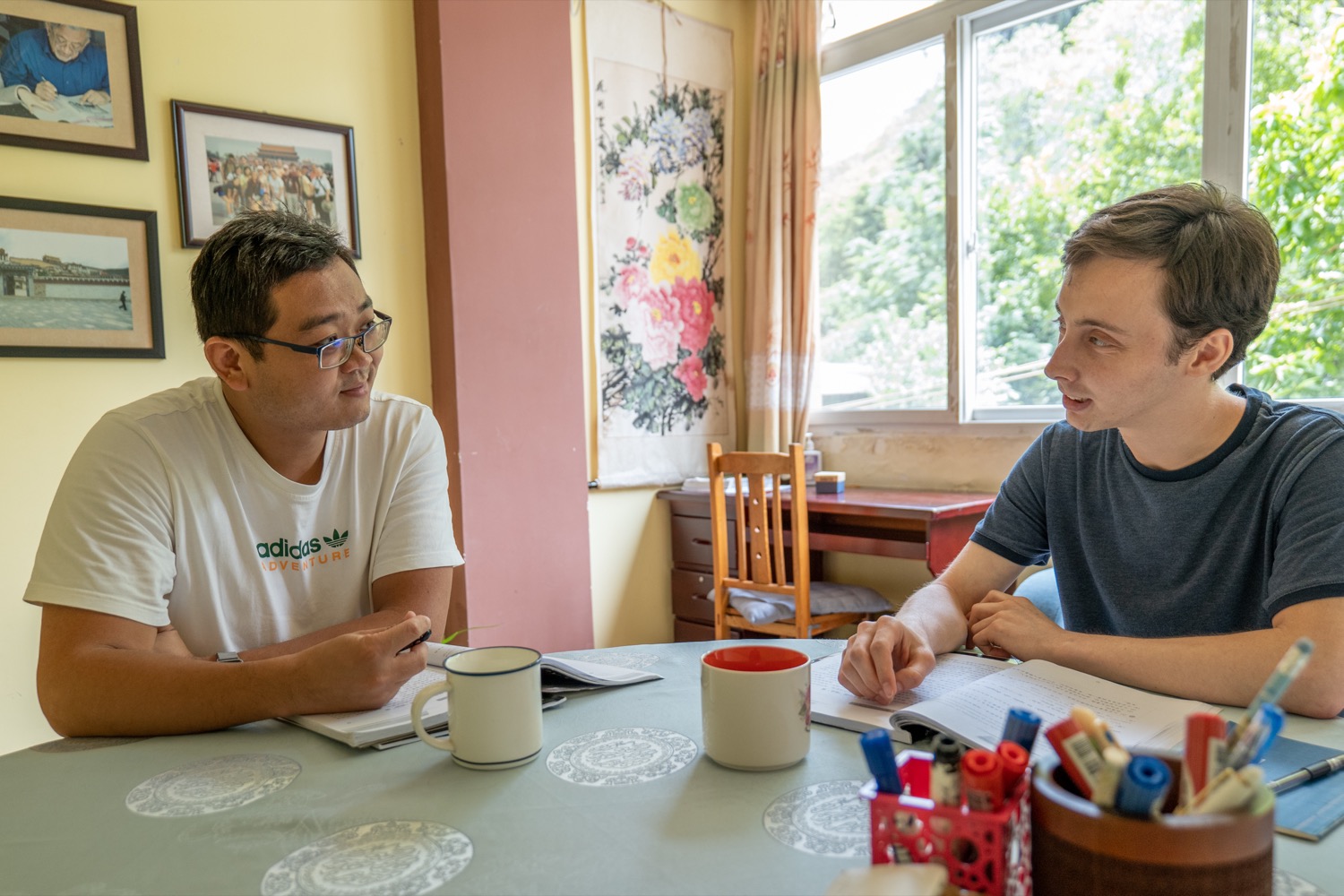
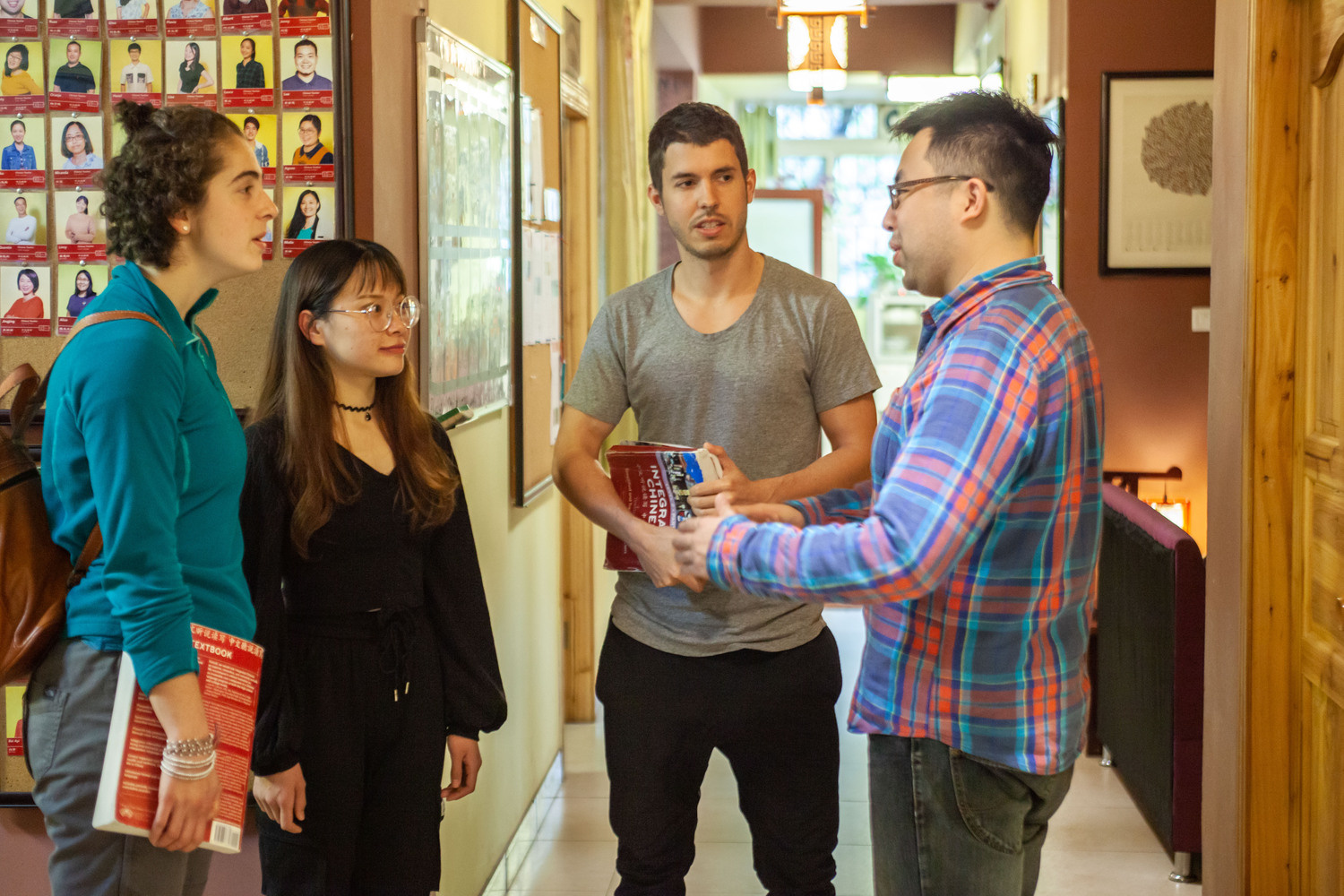
[00:42]All the classrooms are small like this because the classes are one-on-one.
[00:47]Which is really cool if you have a zero level like mine, because at other schools you have to adapt to groups.
[00:52]As I already said, I did everything on my own, in the sense that I didn’t use any agency, because the school helps you with everything, whether you’re staying for one month—
[01:02]because if you’re going for one month and you’re from Spain, you don’t need a visa—but I wanted to maybe stay a little longer, so I got a student visa, which is for two months, and you need a series of letters,
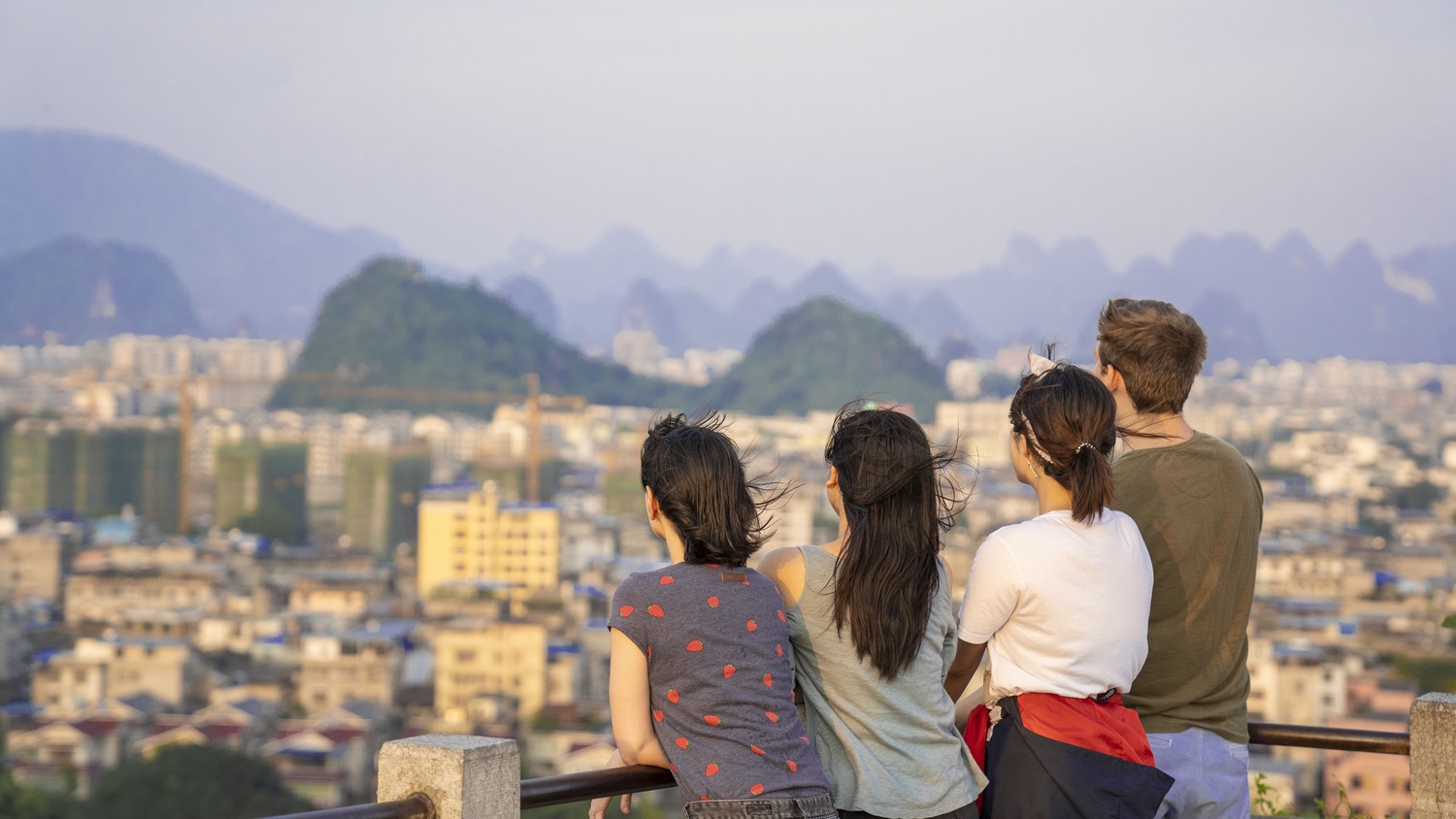
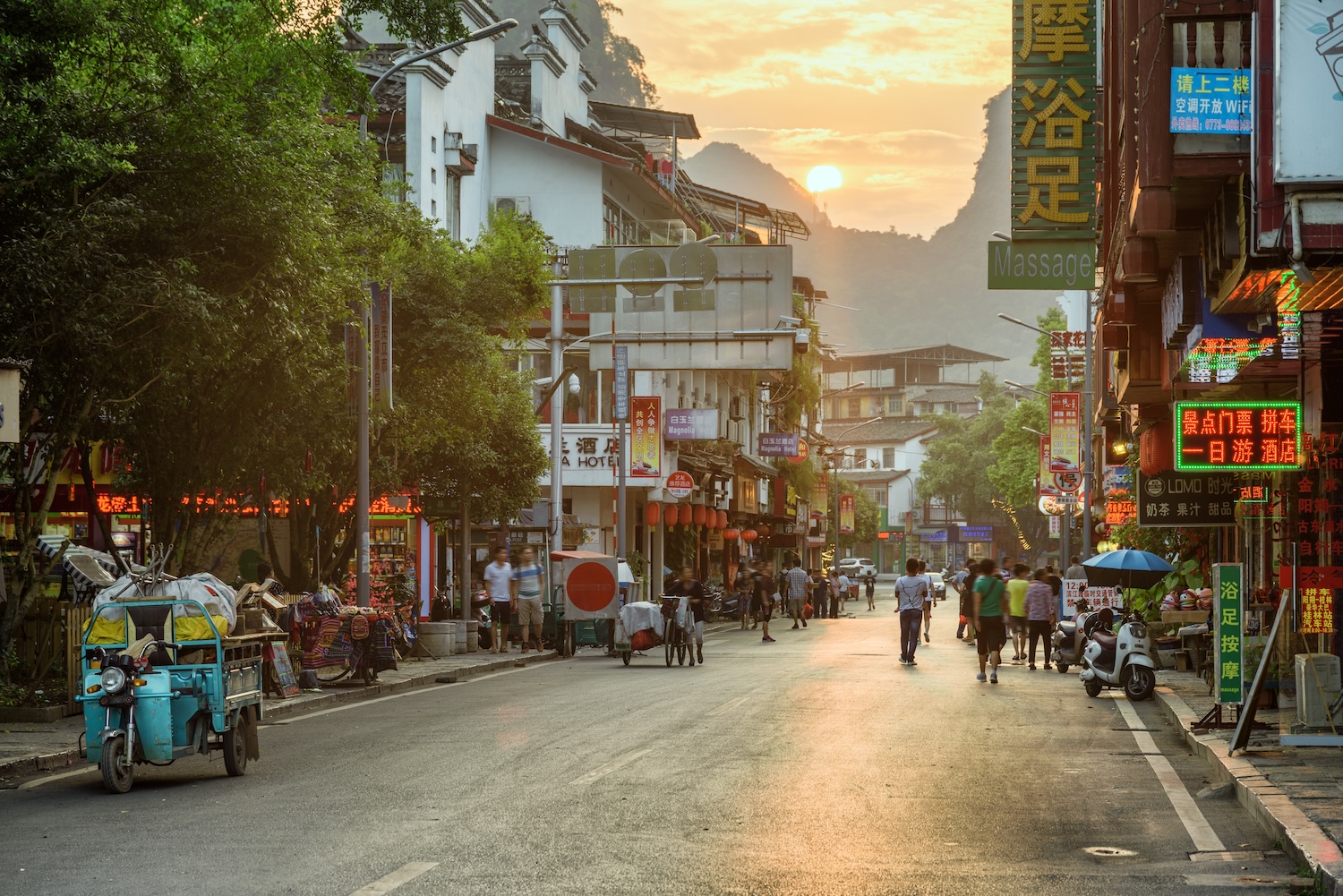
[01:12]paperwork—the school helps you with all of it, honestly. Both that and when you arrive here: you send them your flight tickets and everything, and they pick you up at the airport. We’re here in Guilin, which is in central-southern China, and the airport is about an hour away. The school does that for you. This is the second floor.
[01:26]Come on, it’s lunchtime.
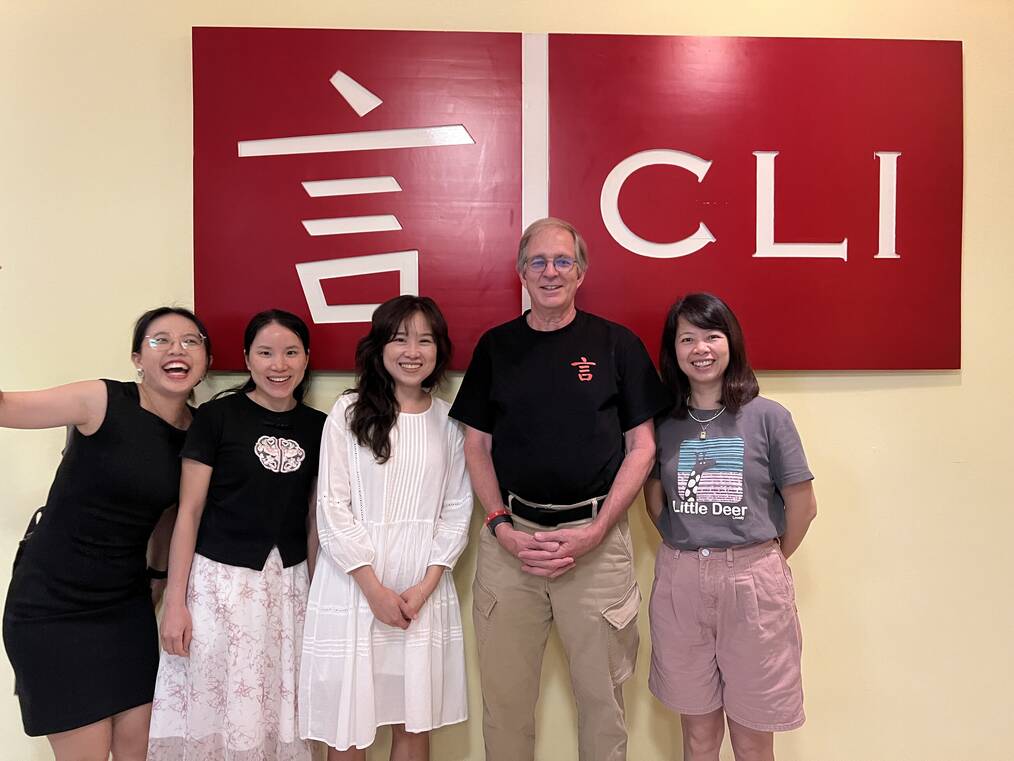
[01:27]Here you have an area that’s the teachers’ office.
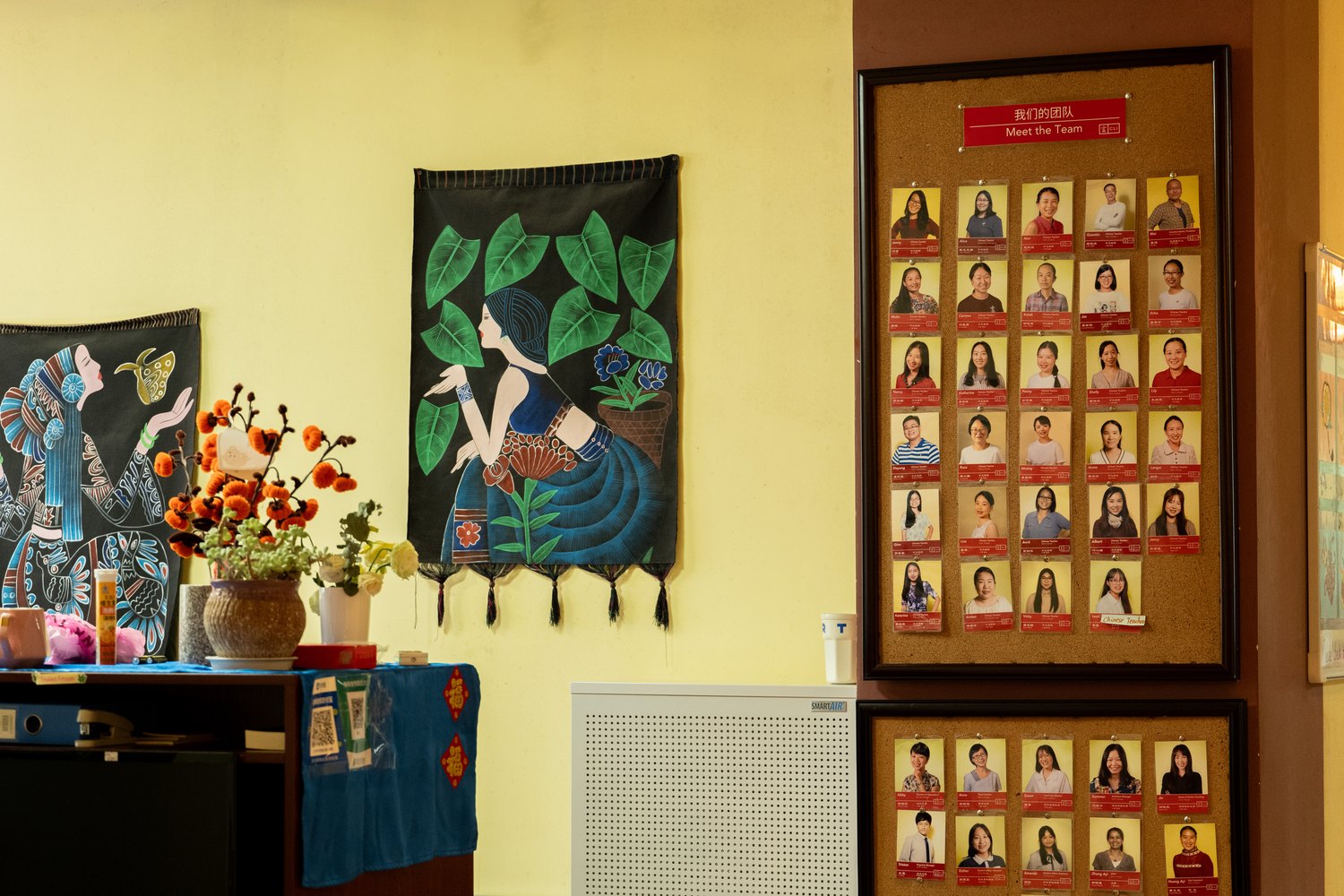
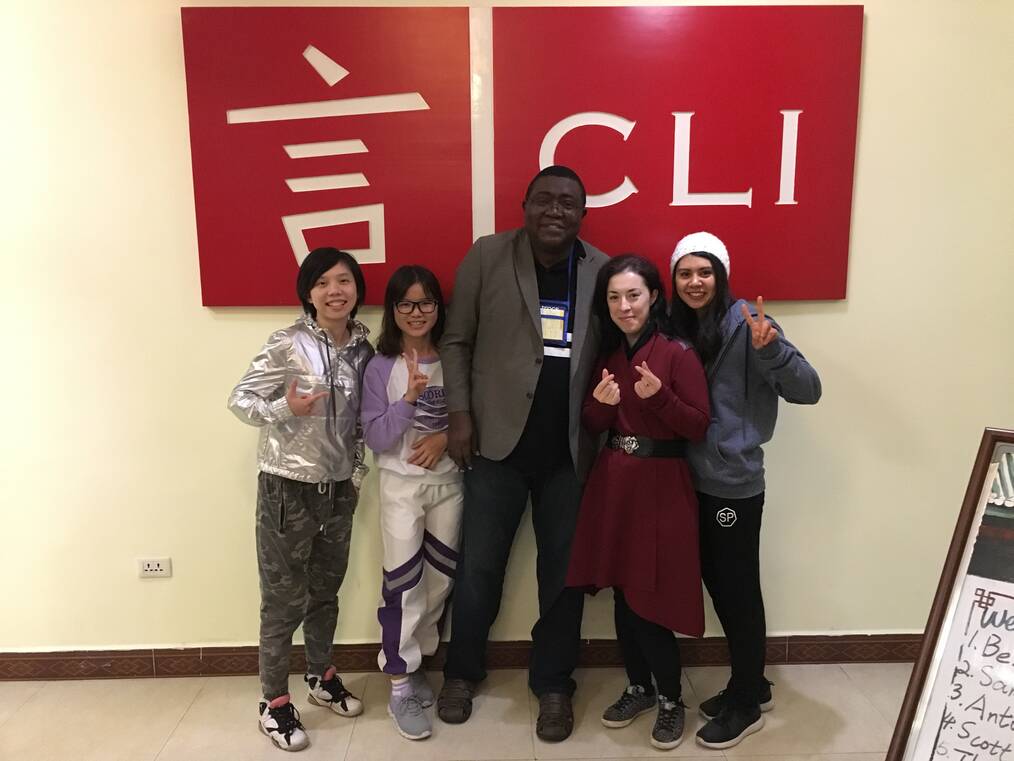
[01:31]Here you have photos of all the teachers.
[01:33]Over here is the table where people sit to eat while only speaking Chinese.
[01:37]Over here, more classrooms.
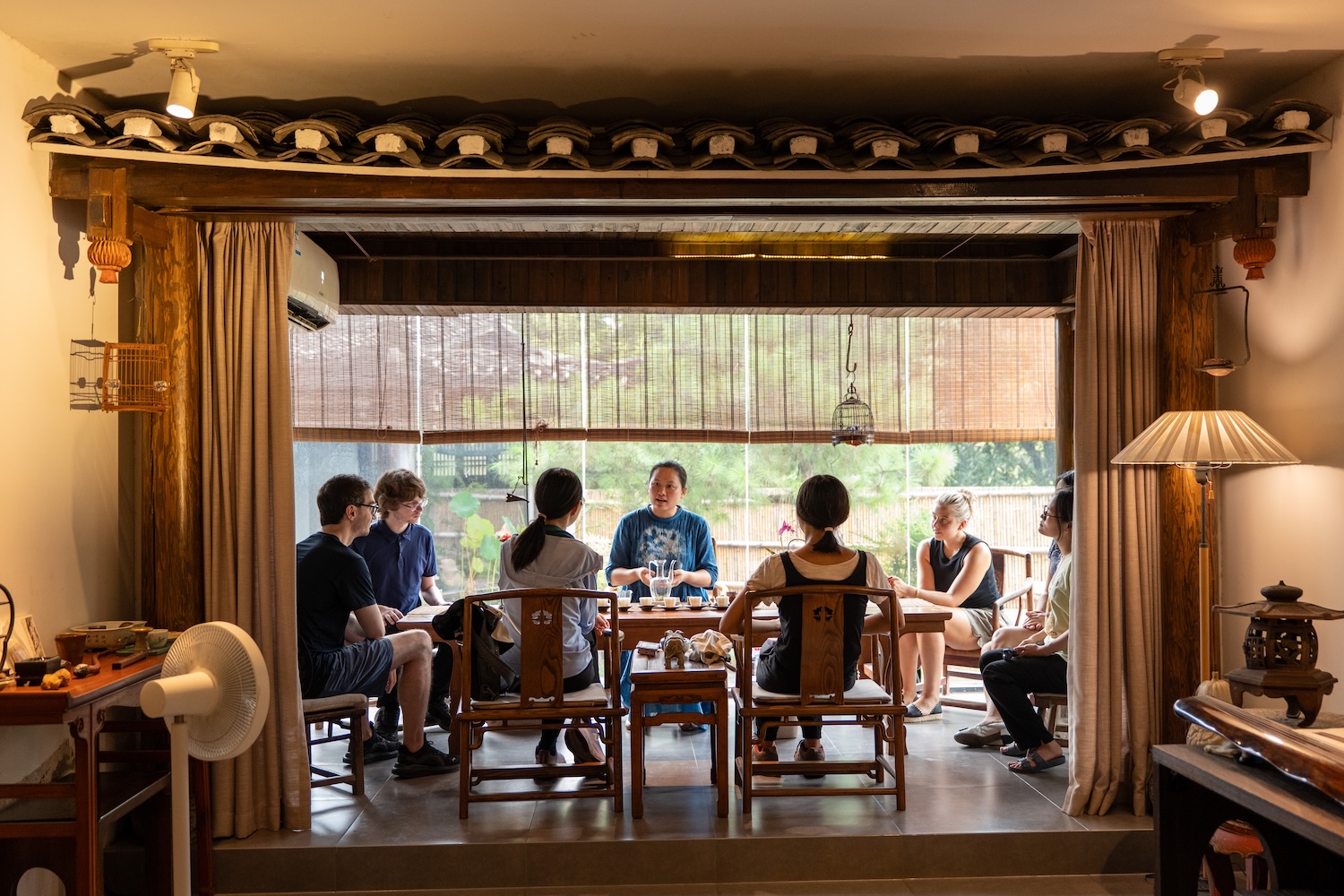
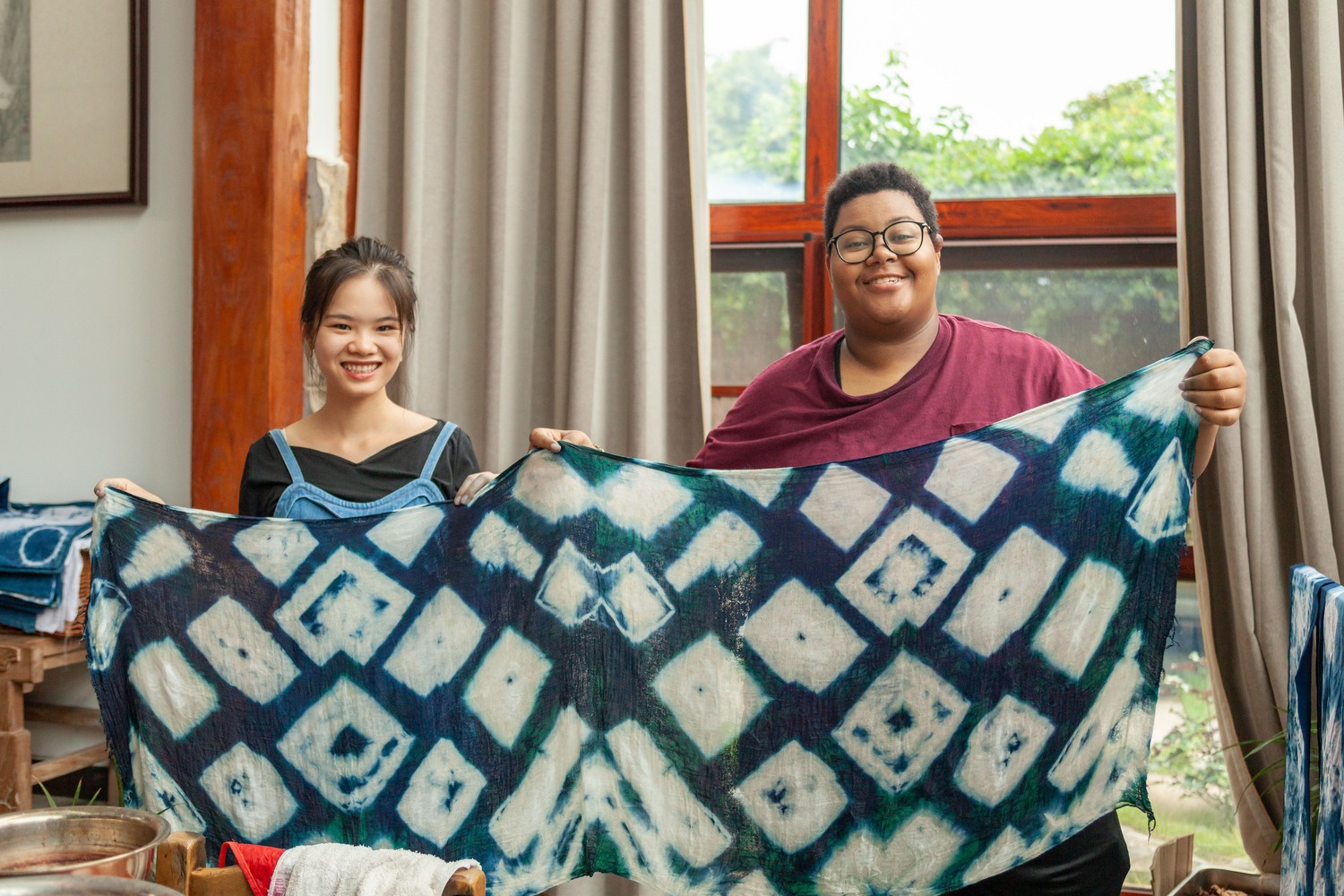
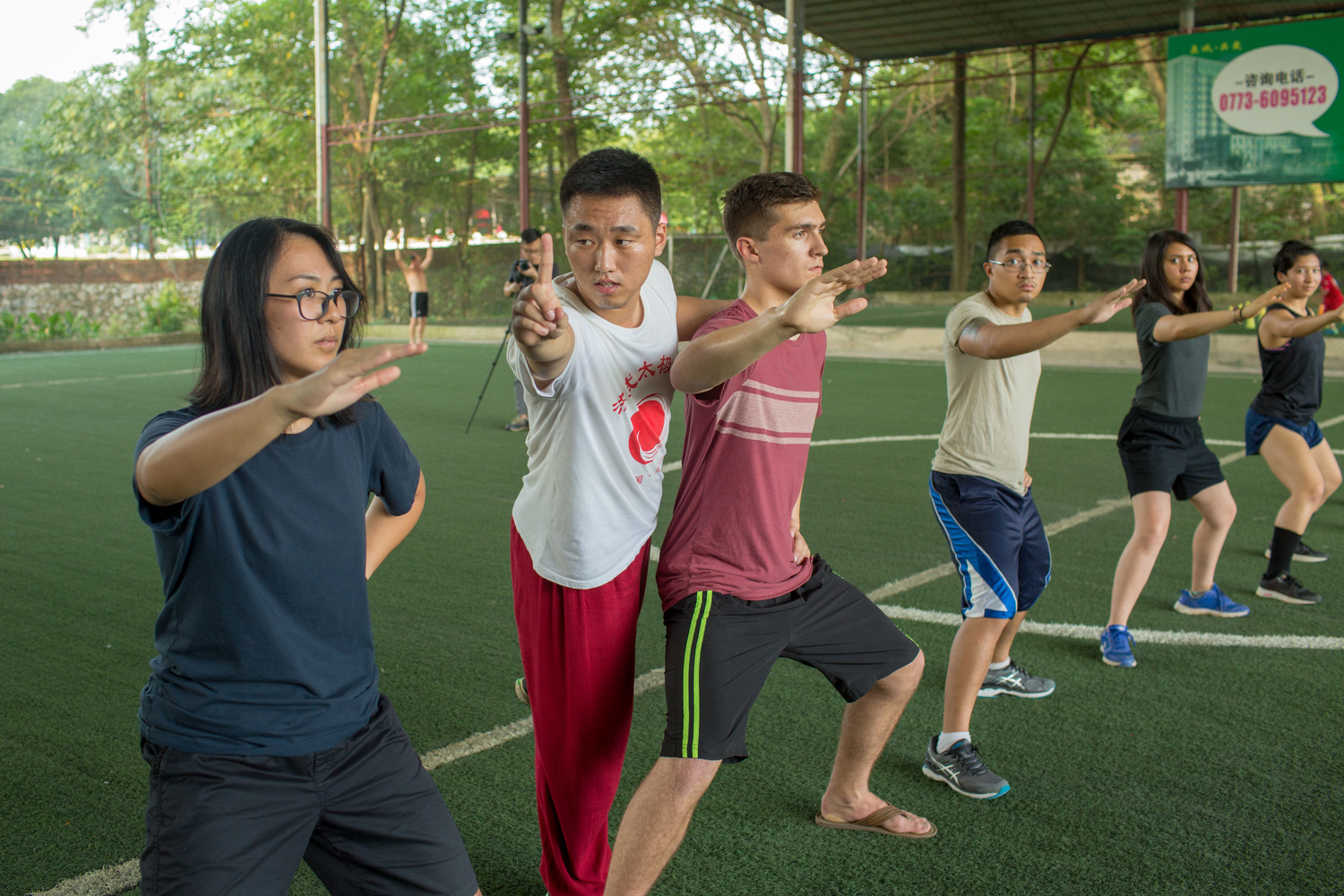
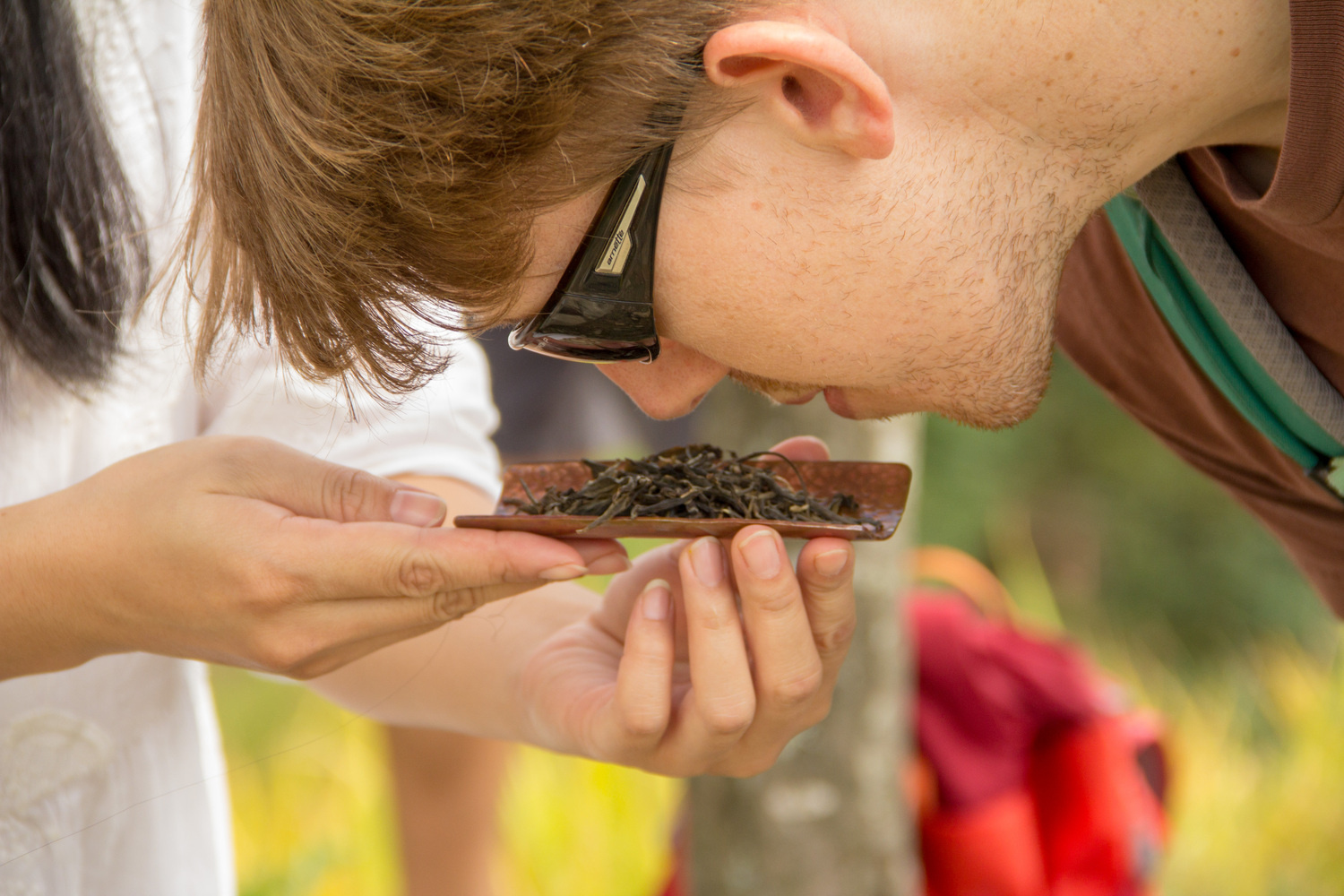
[01:38]This bulletin board here shows the activities we do each week.
[01:43]For example, playing badminton.
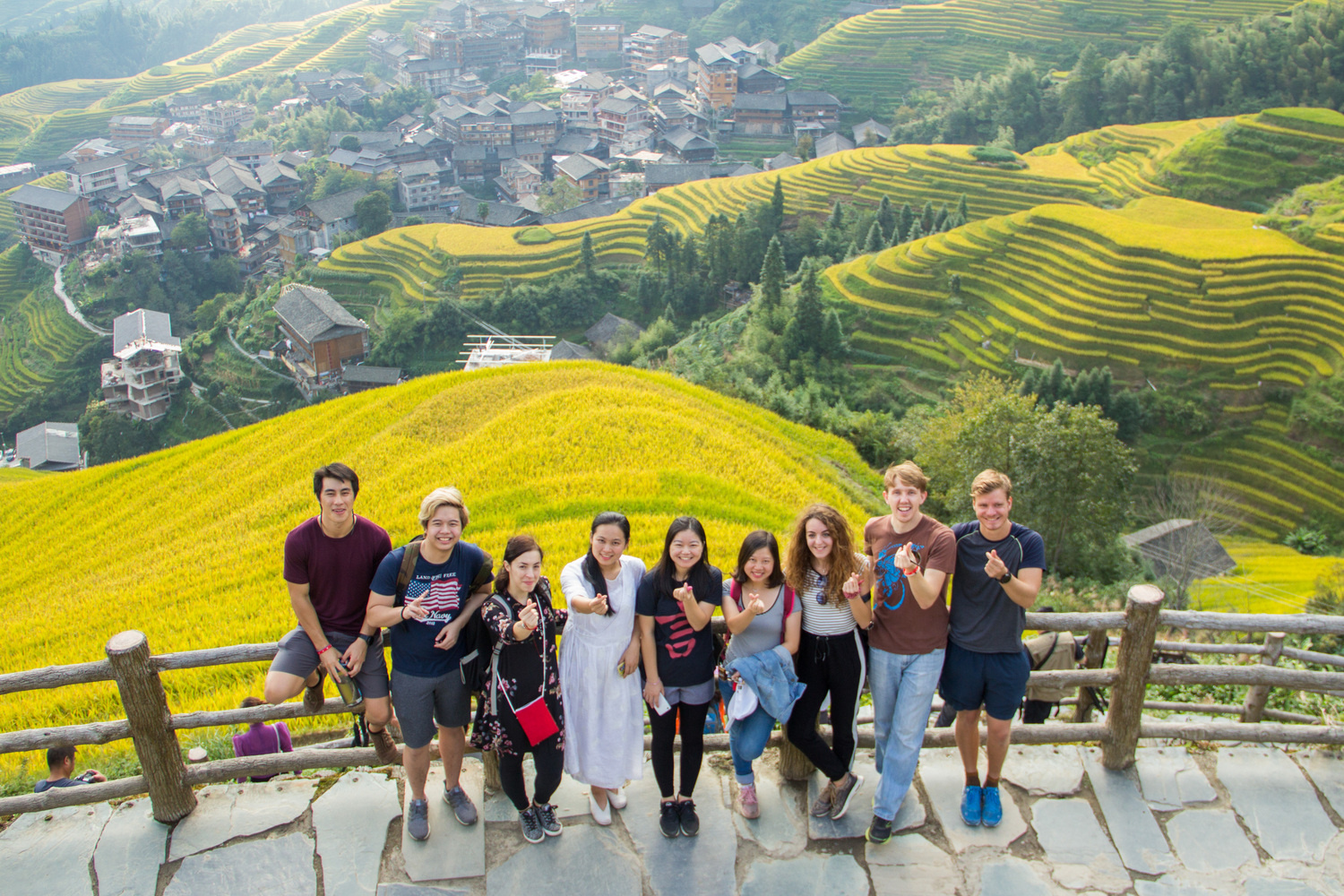
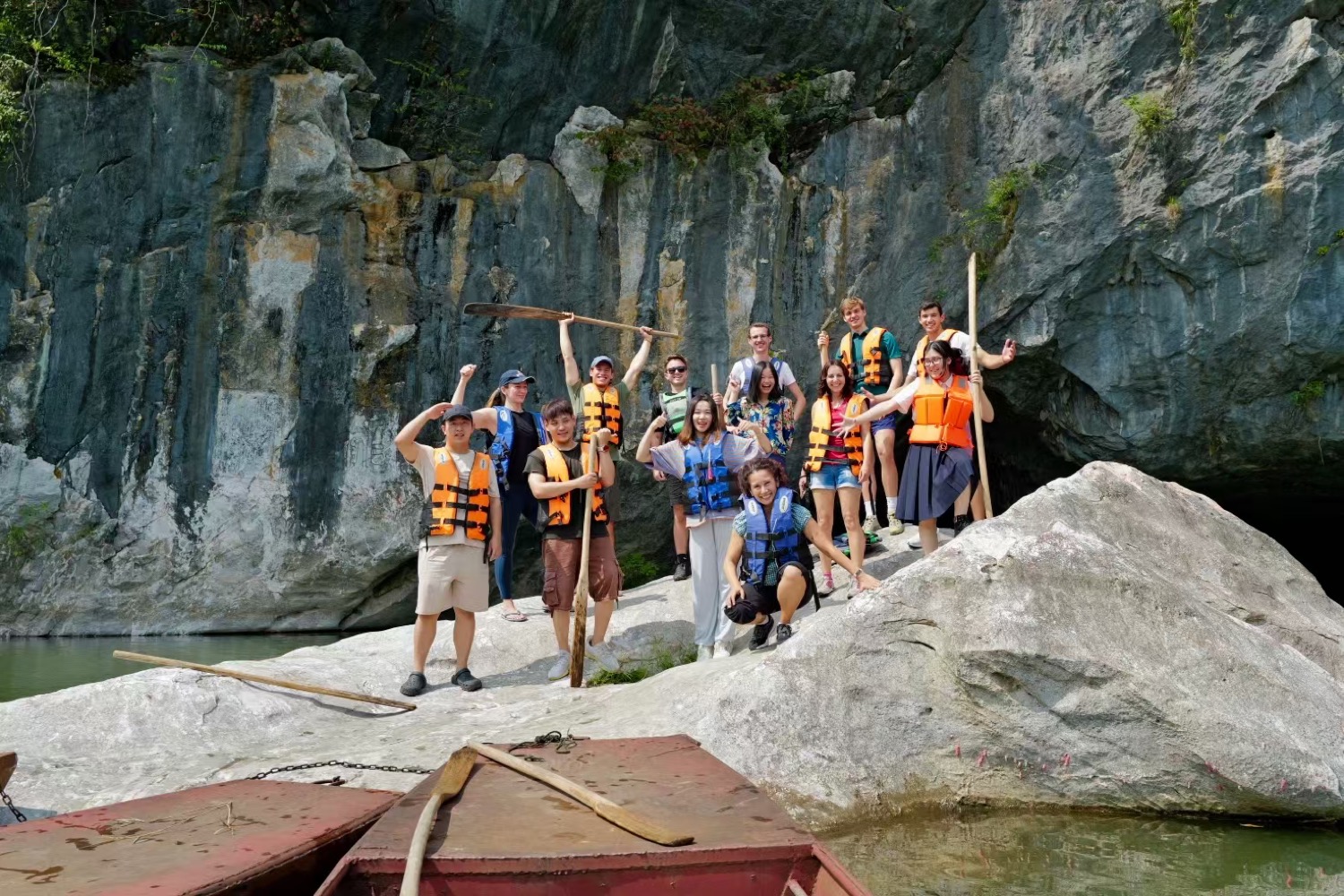
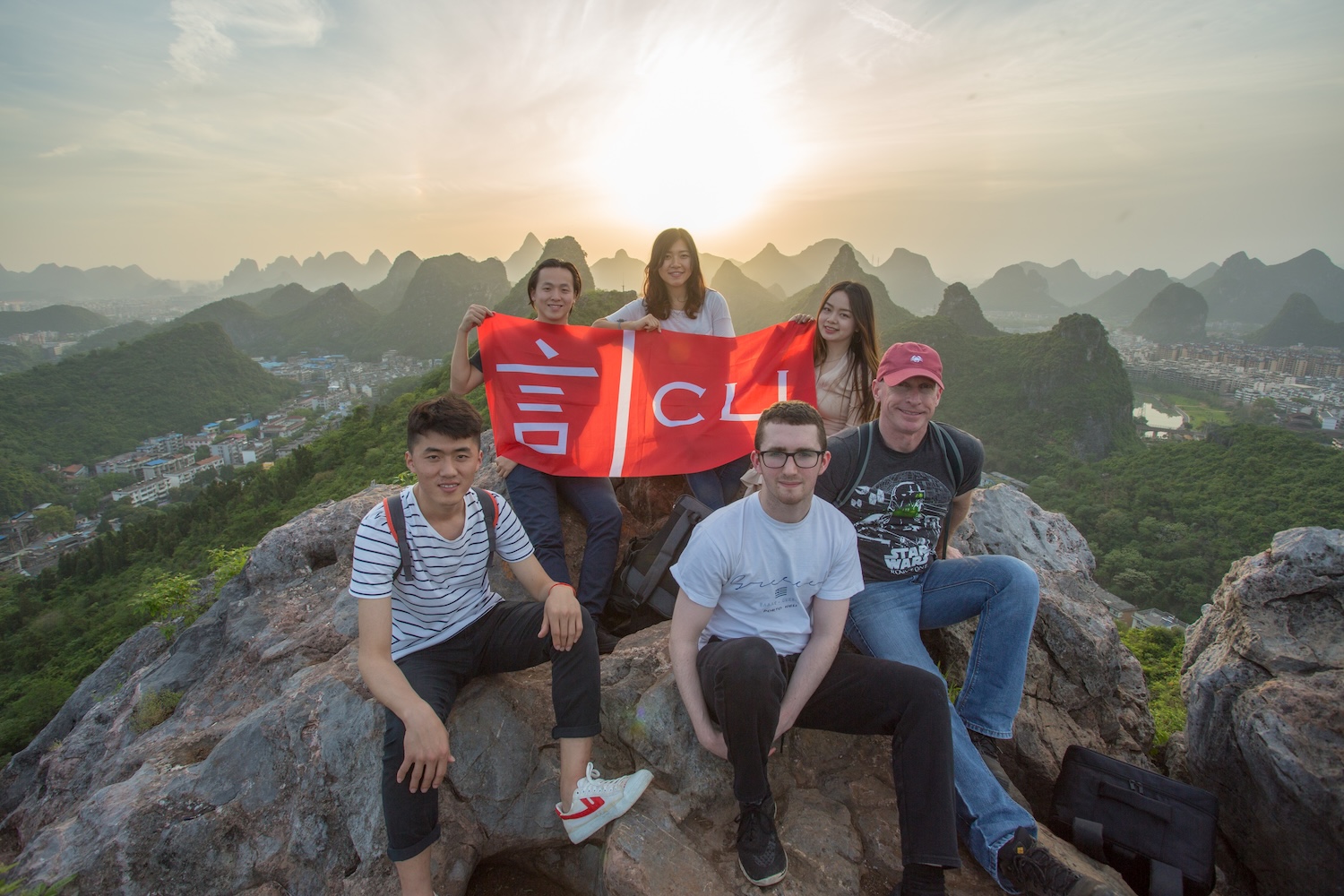
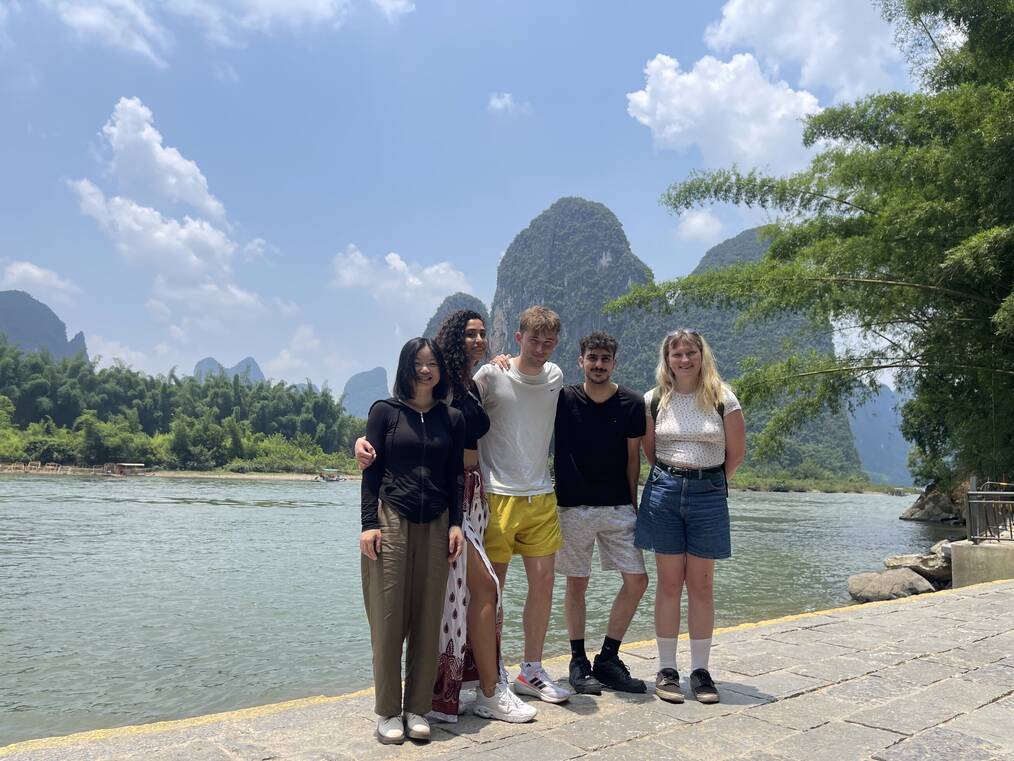
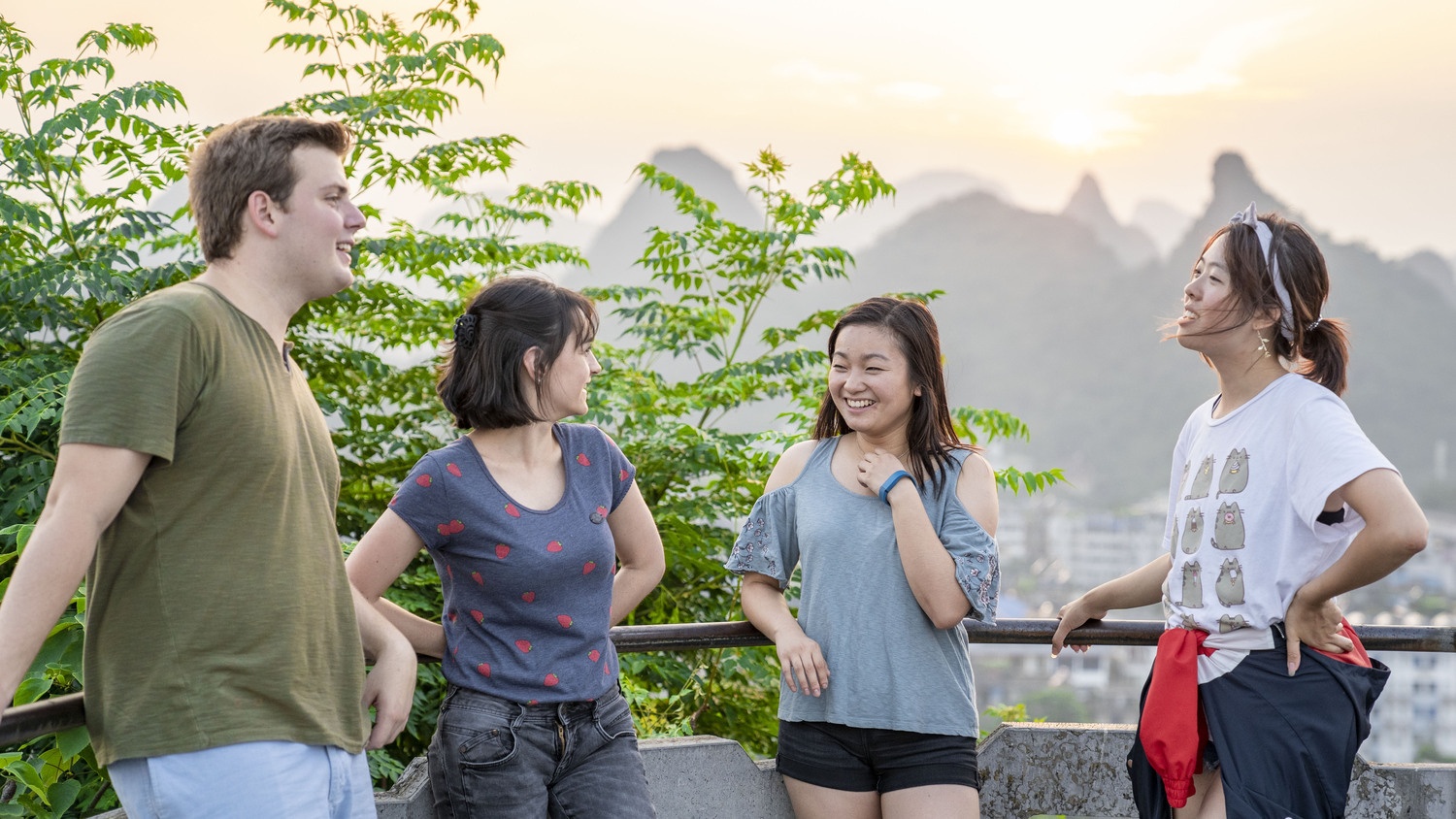
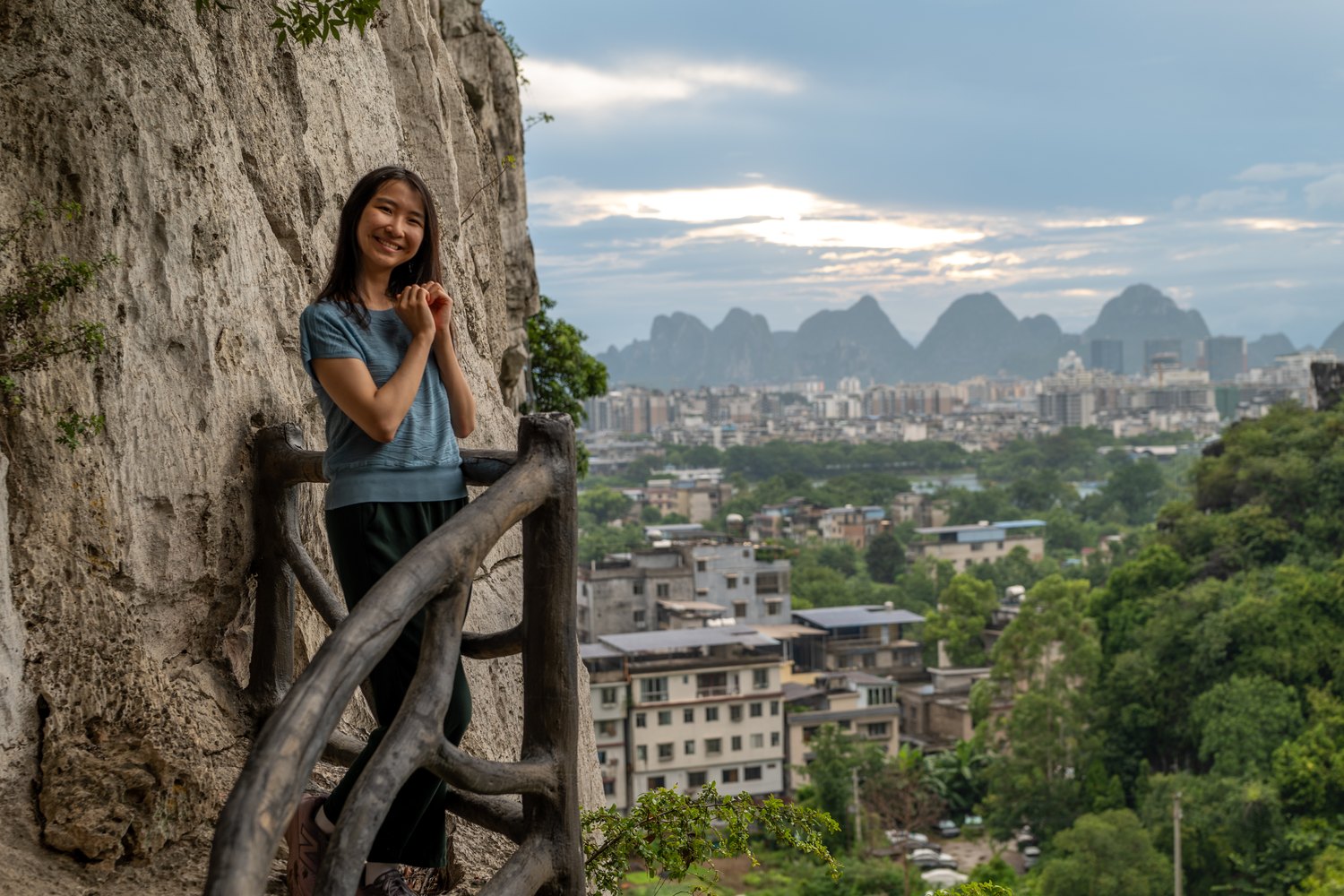
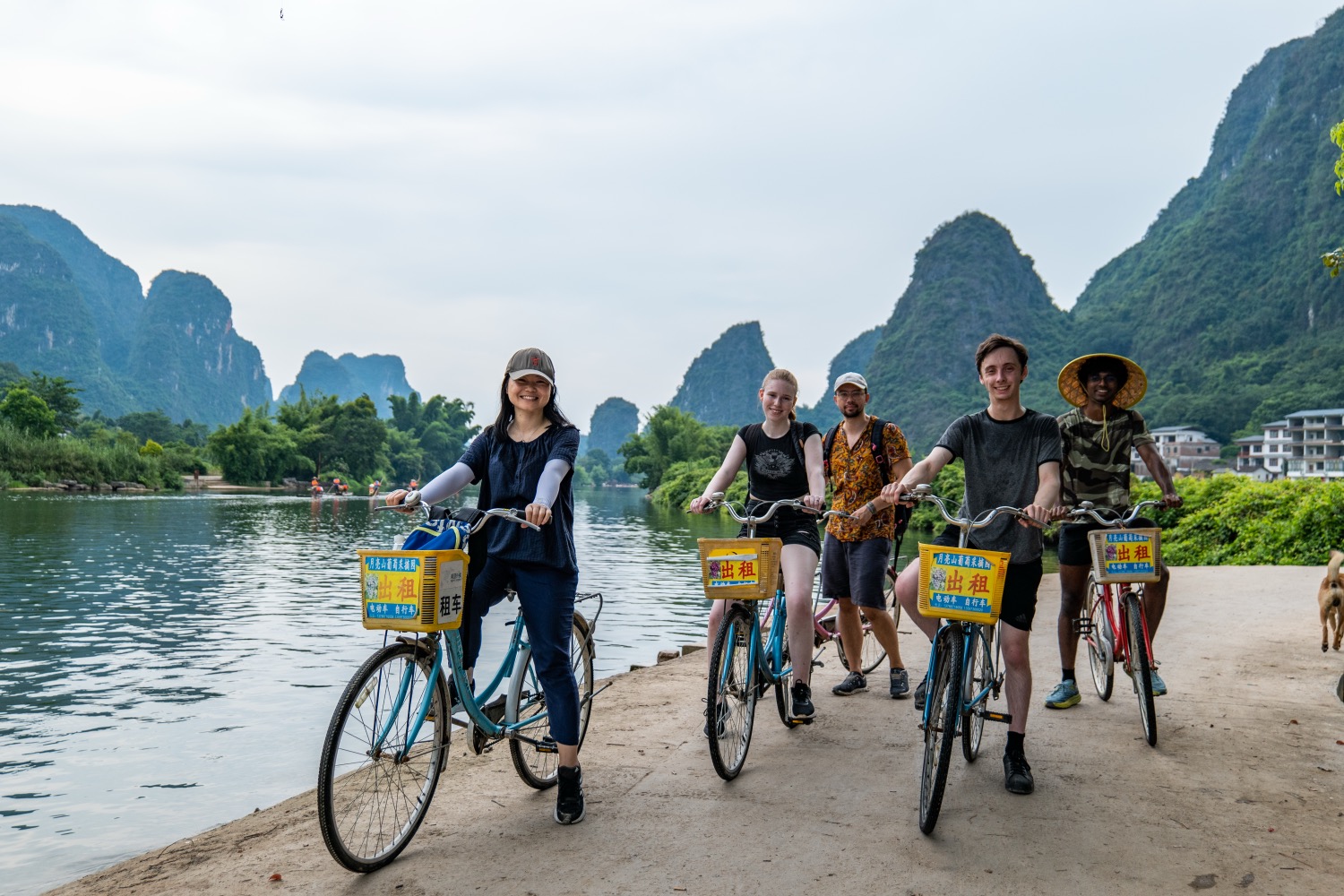
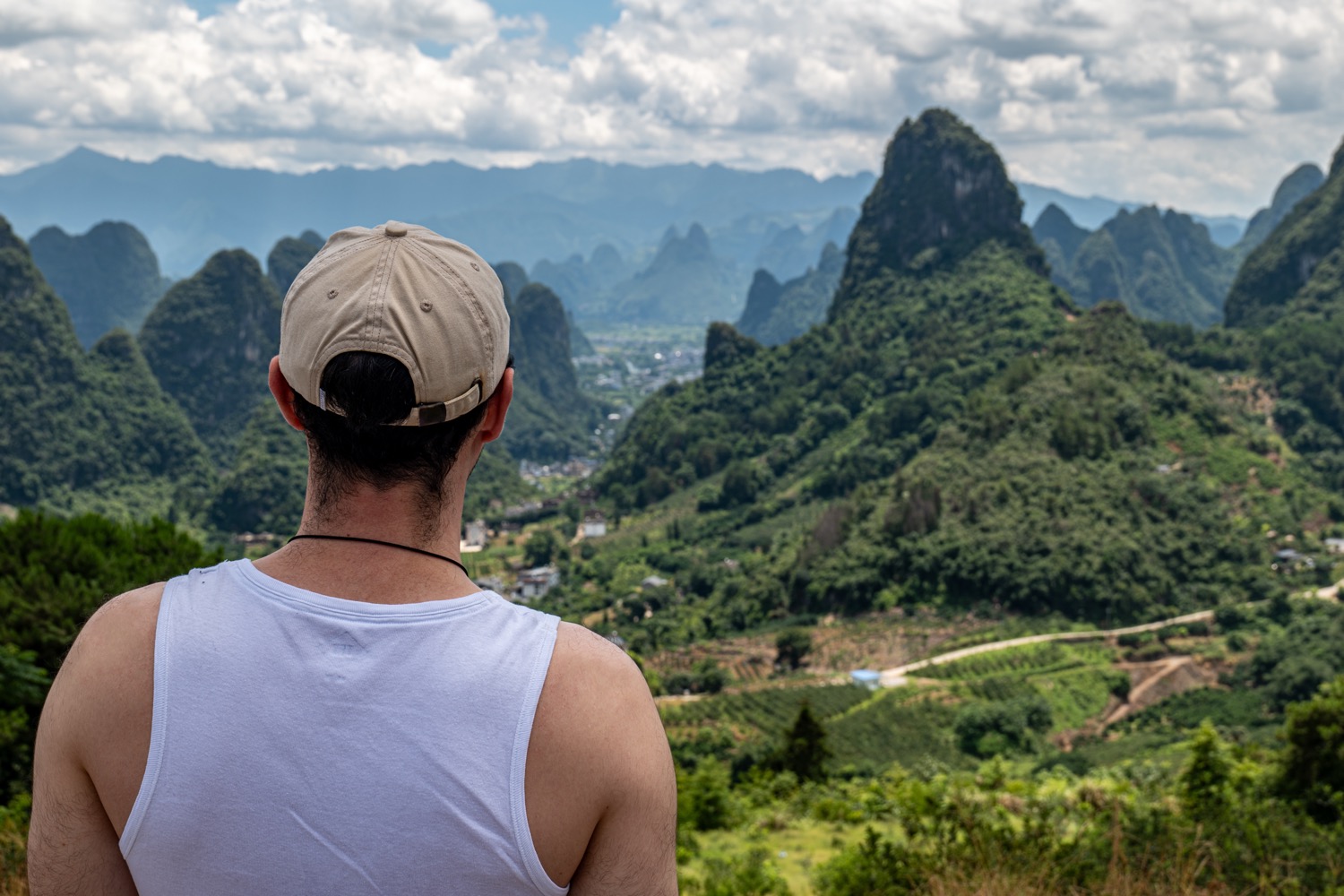
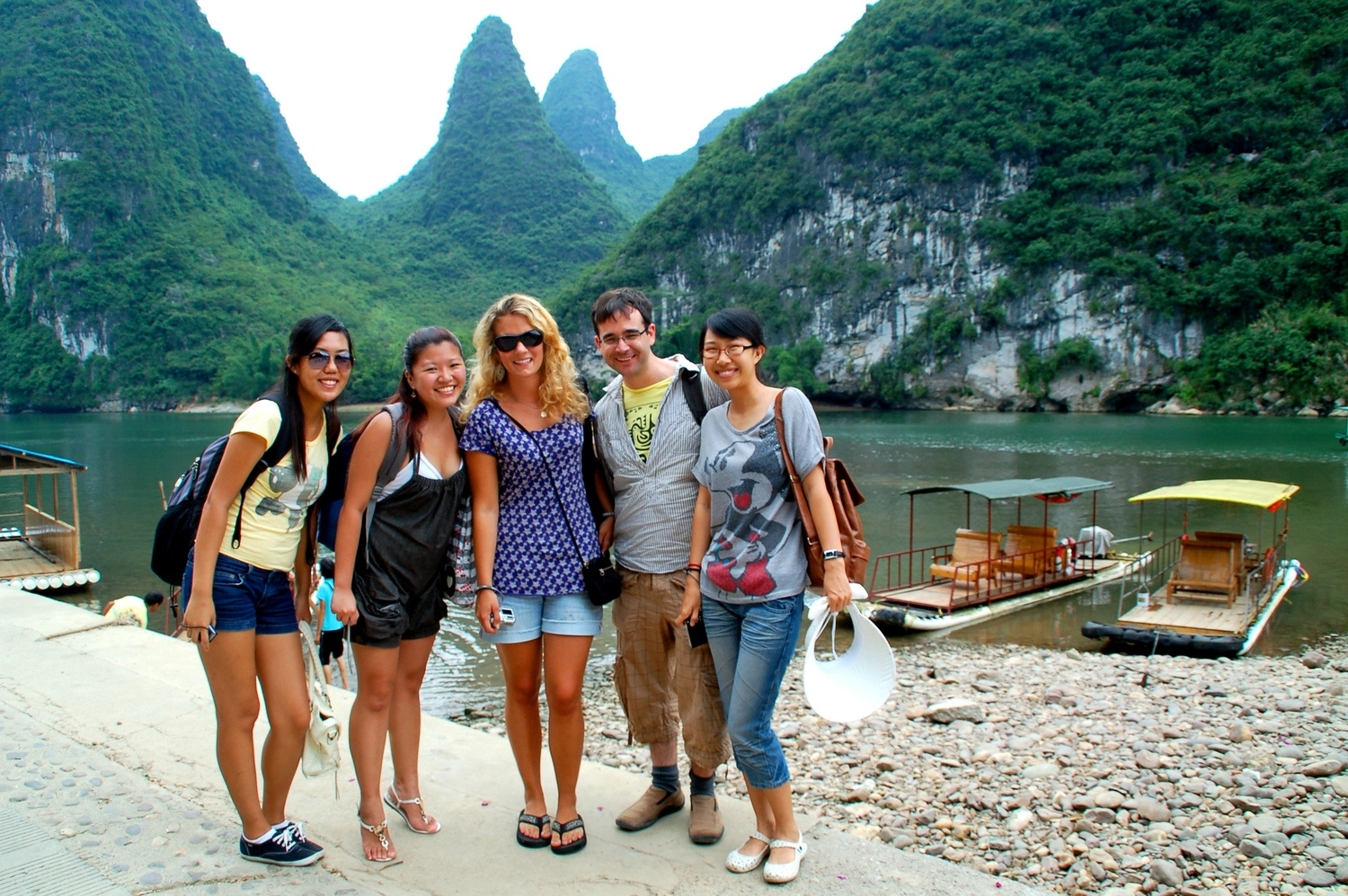
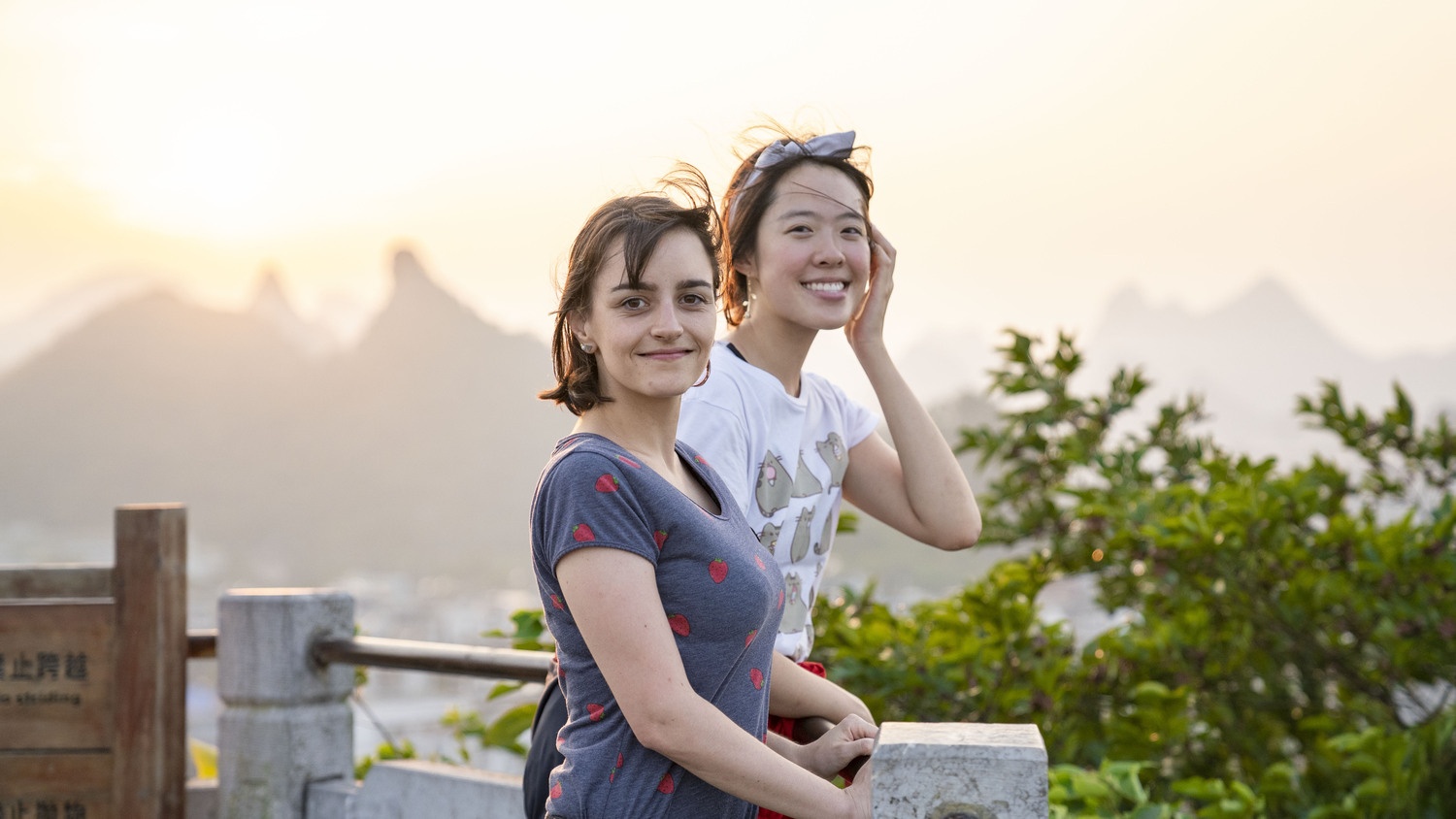
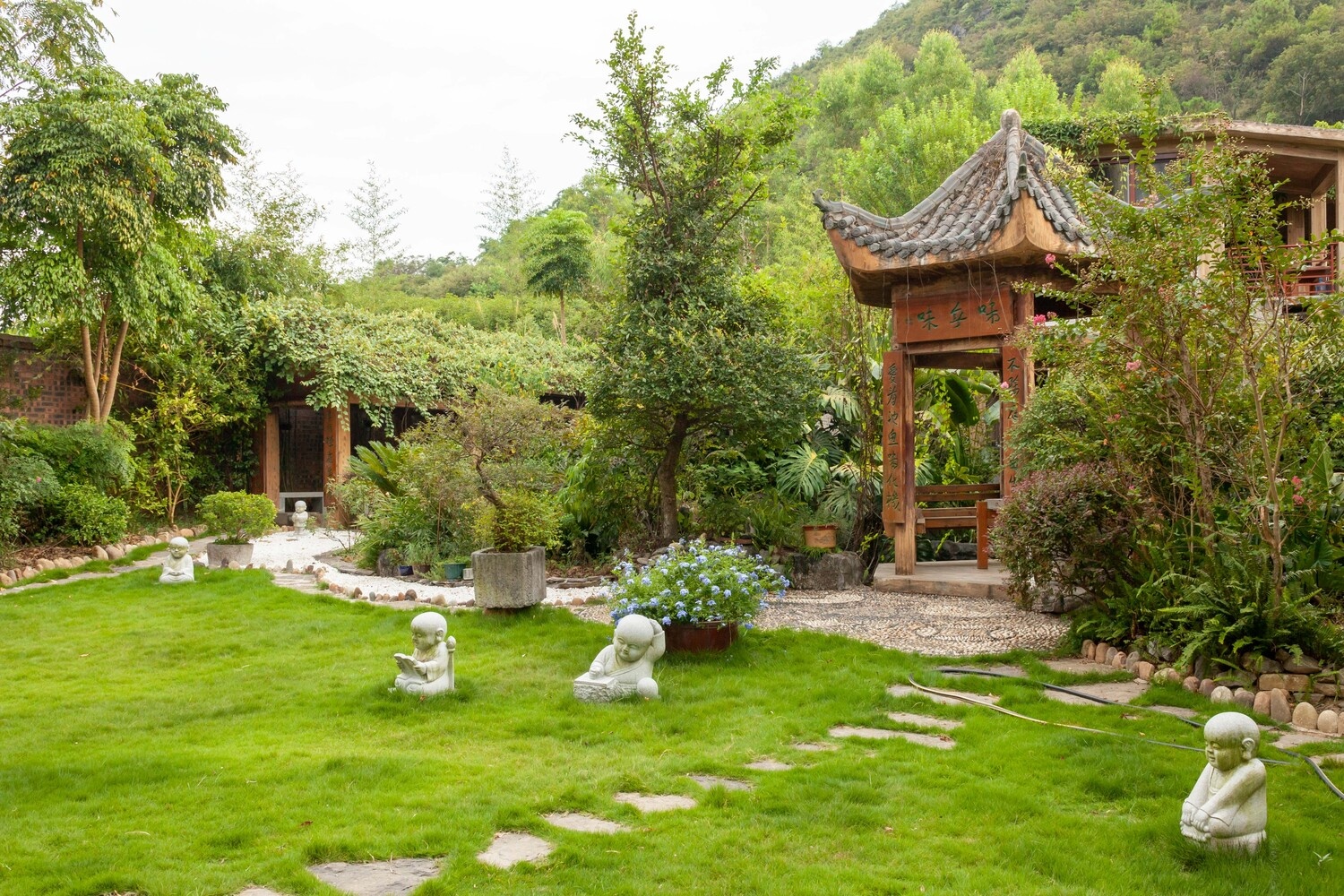
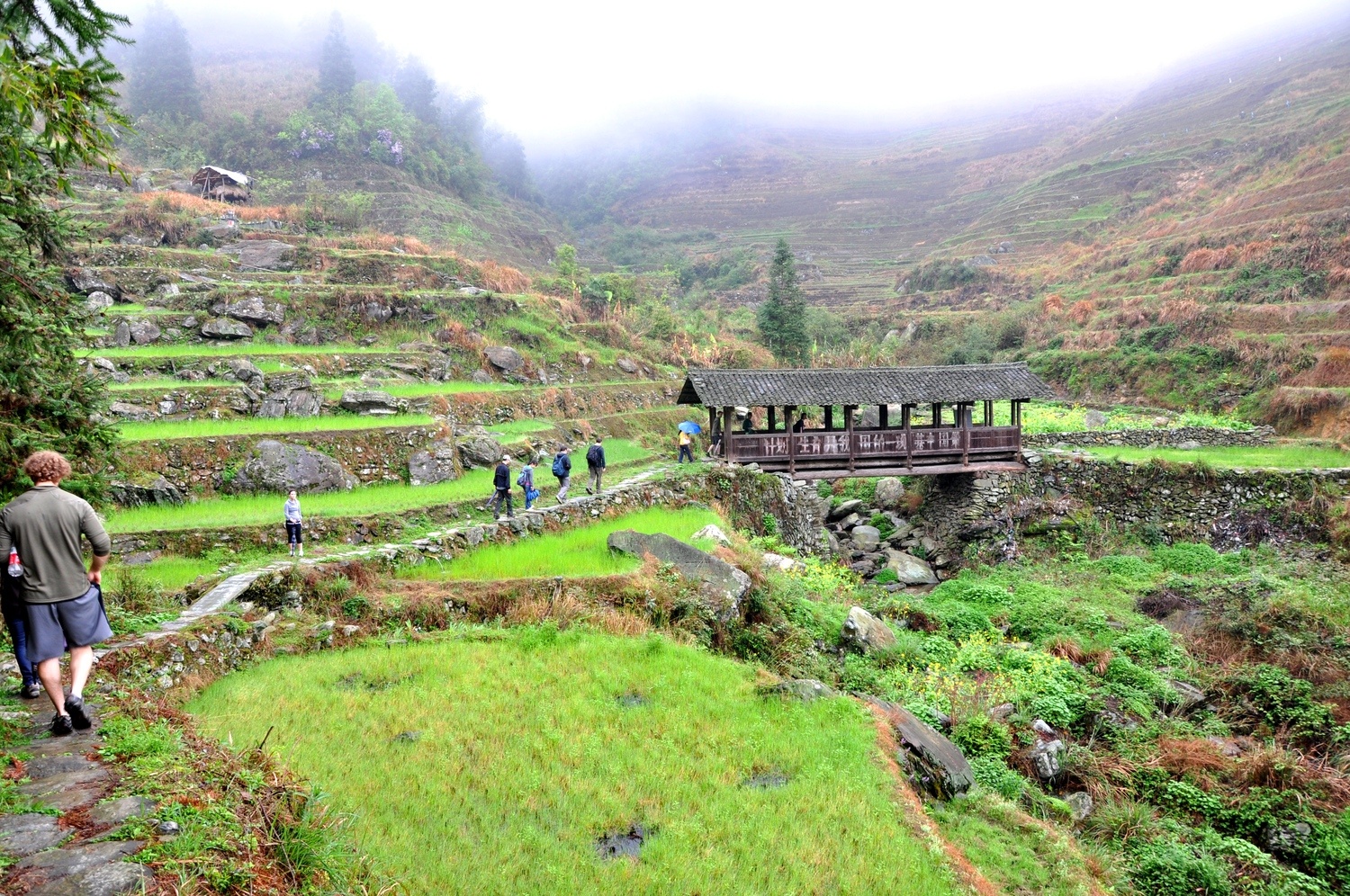
[01:44]Then on the weekend, going here to Yangshuo, which is a really cool place.
[01:49]And over here...
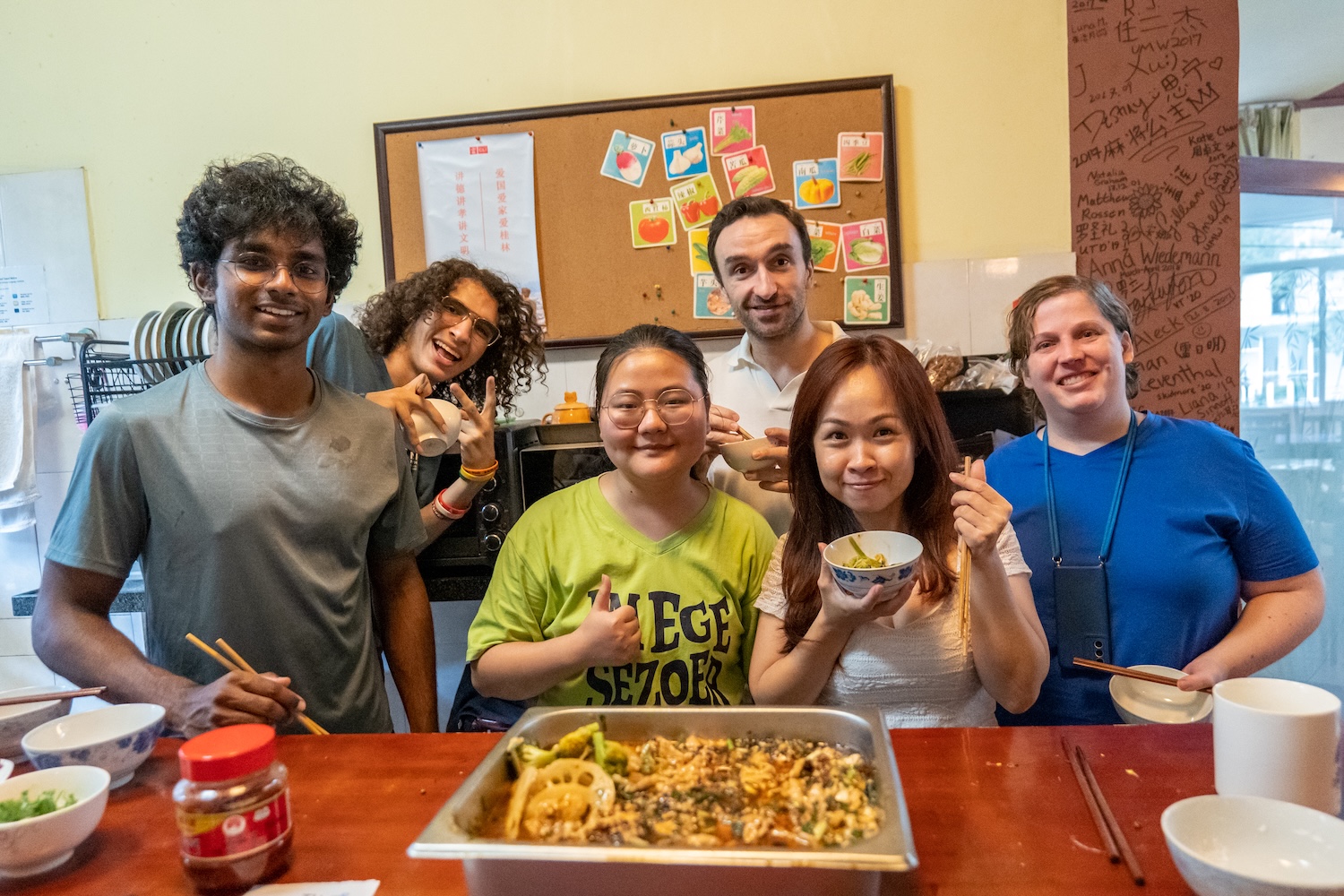
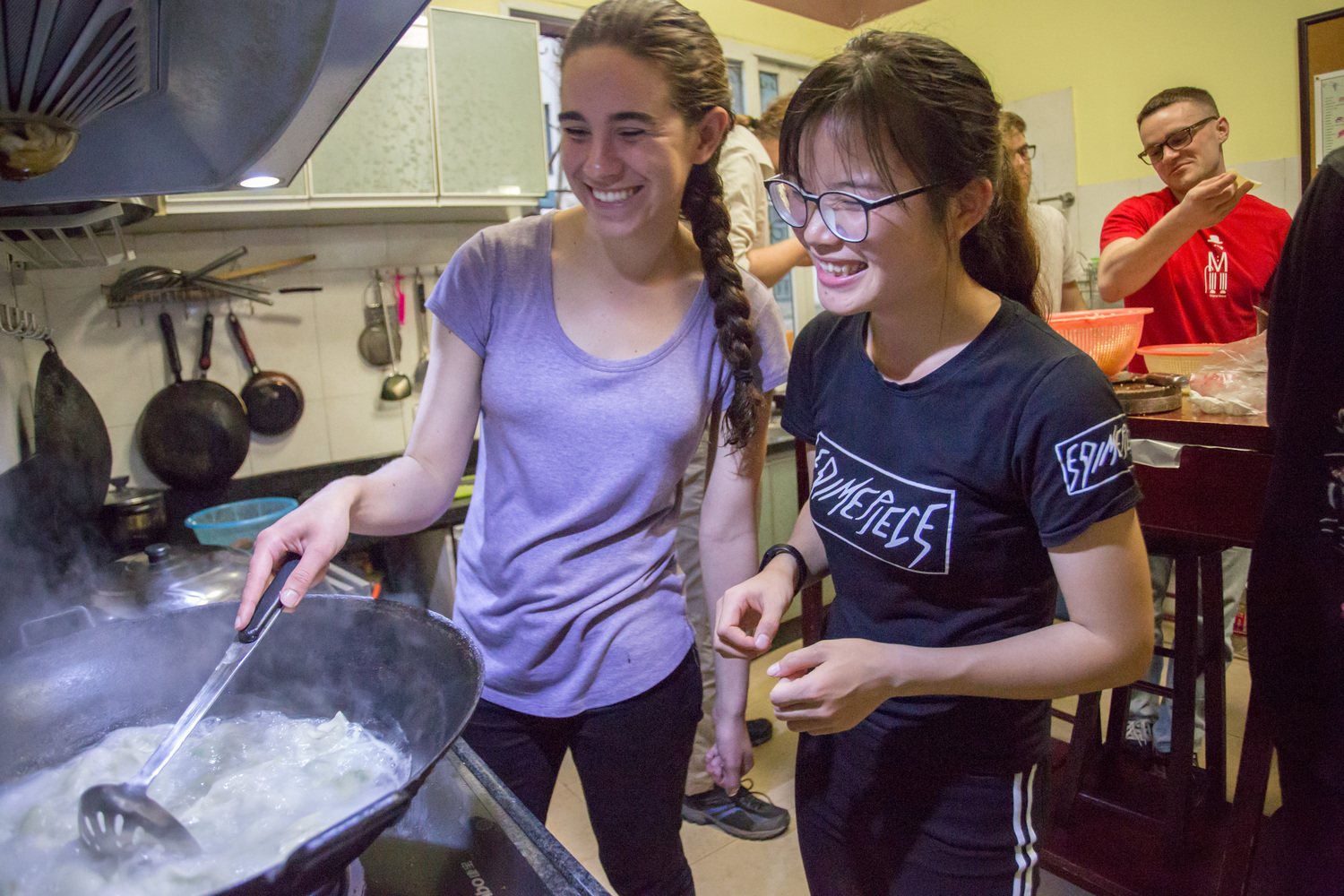
[01:50]Over here is the kitchen, where people are every day.
[01:52]And the table where I usually sit.
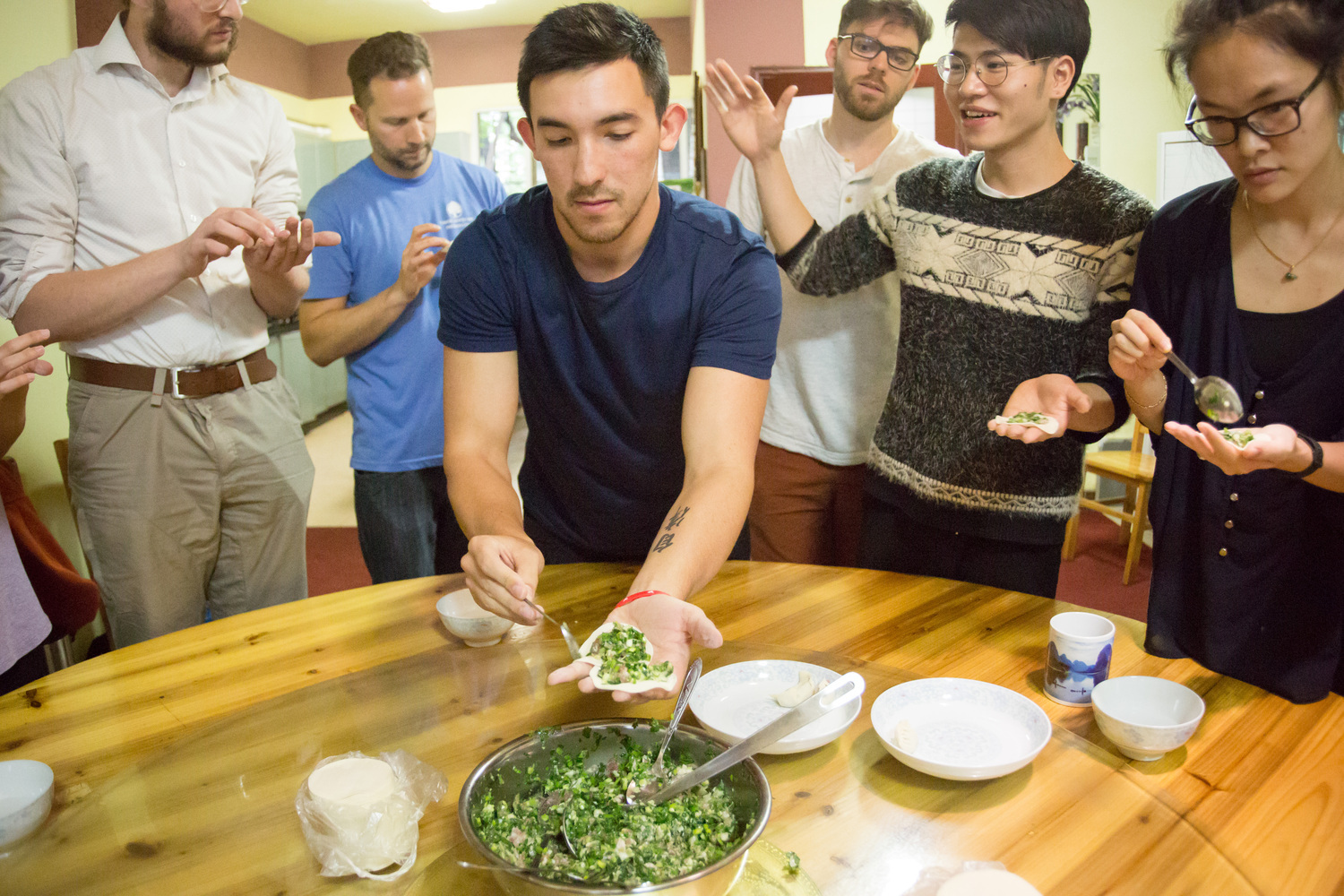
[01:54]So every day, you grab your little plate of rice, sit down, and serve yourself, because all the food is for everyone.
[02:00]You can eat what we usually make.
[02:01]You come over here, there are people like Apolín studying on the school computer, and then you come here to this room to play ping-pong.
[02:09]Look, hello.
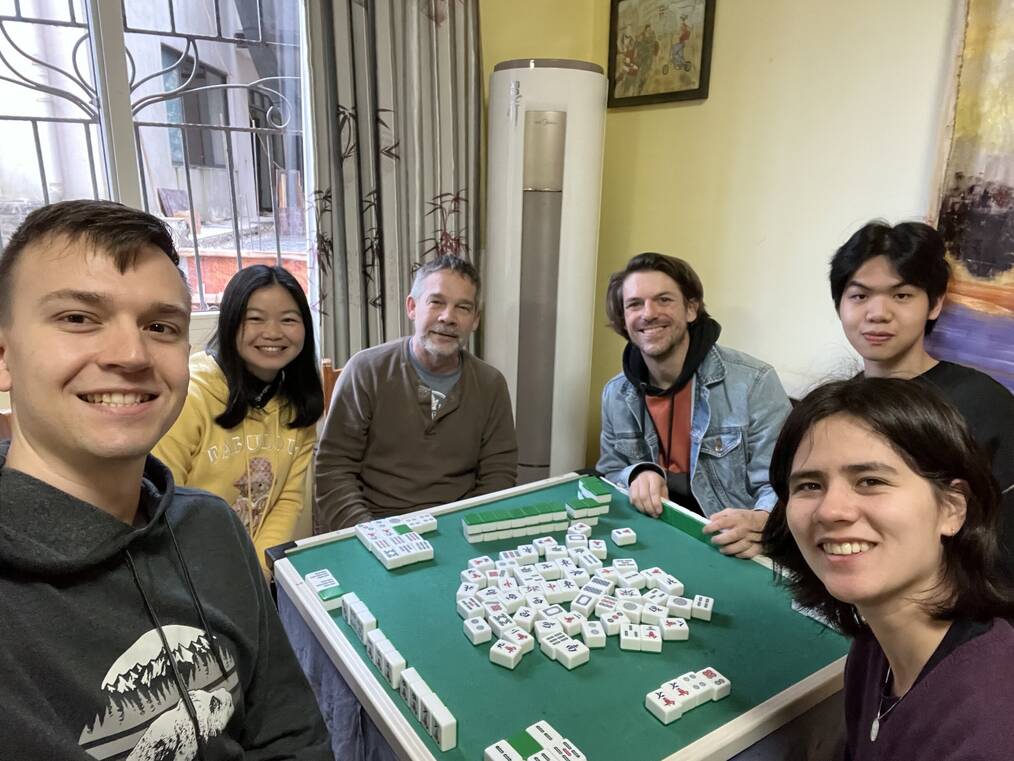
[02:10]You have a bunch of games here.
[02:11]I’m behind.
[02:13]Hello.
[02:13]My Spanish is very good.
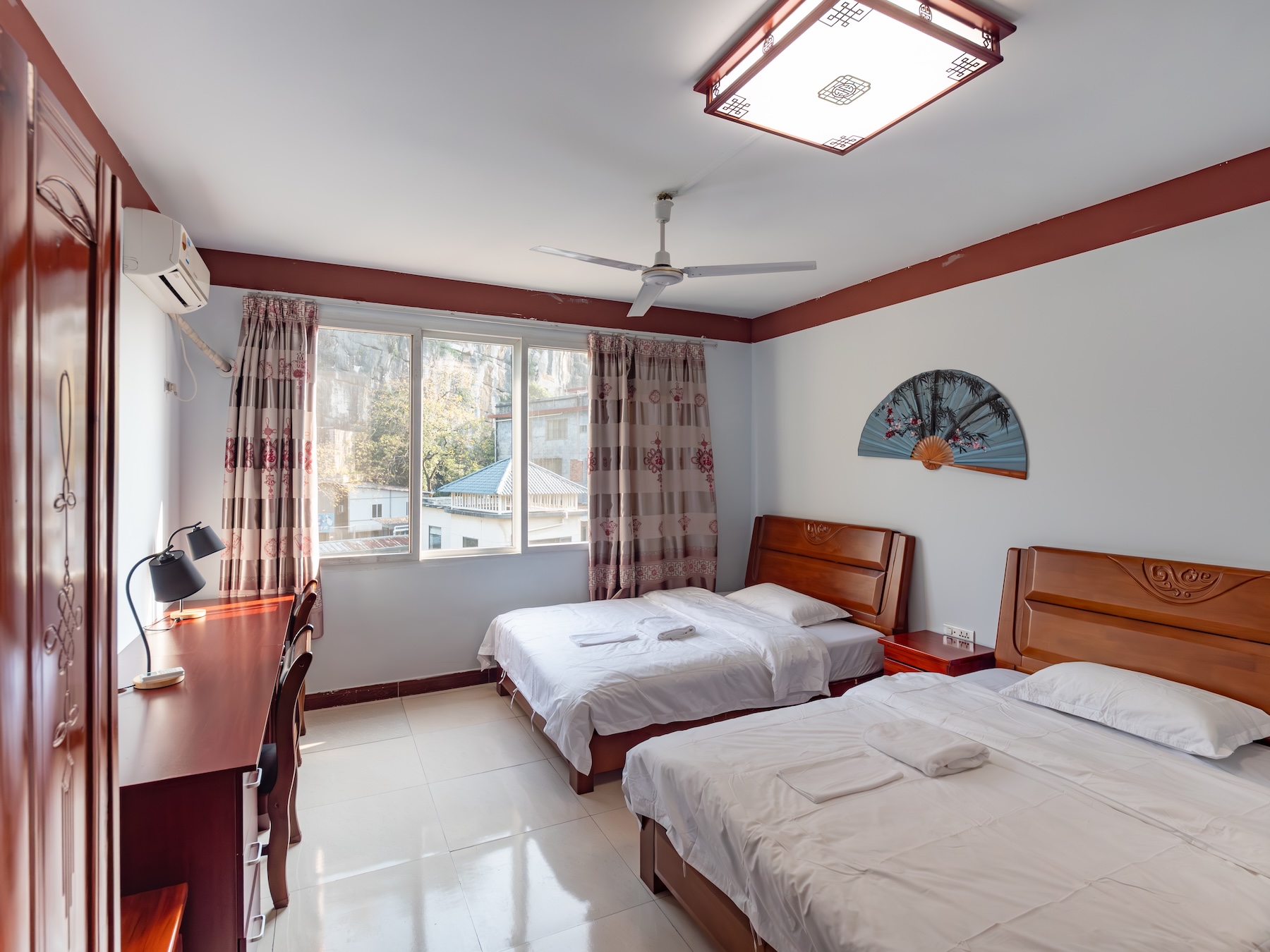
[02:15]Now we’re going upstairs, which I don’t go to much because it’s the dormitory area. If you come here to the school, you have several options.
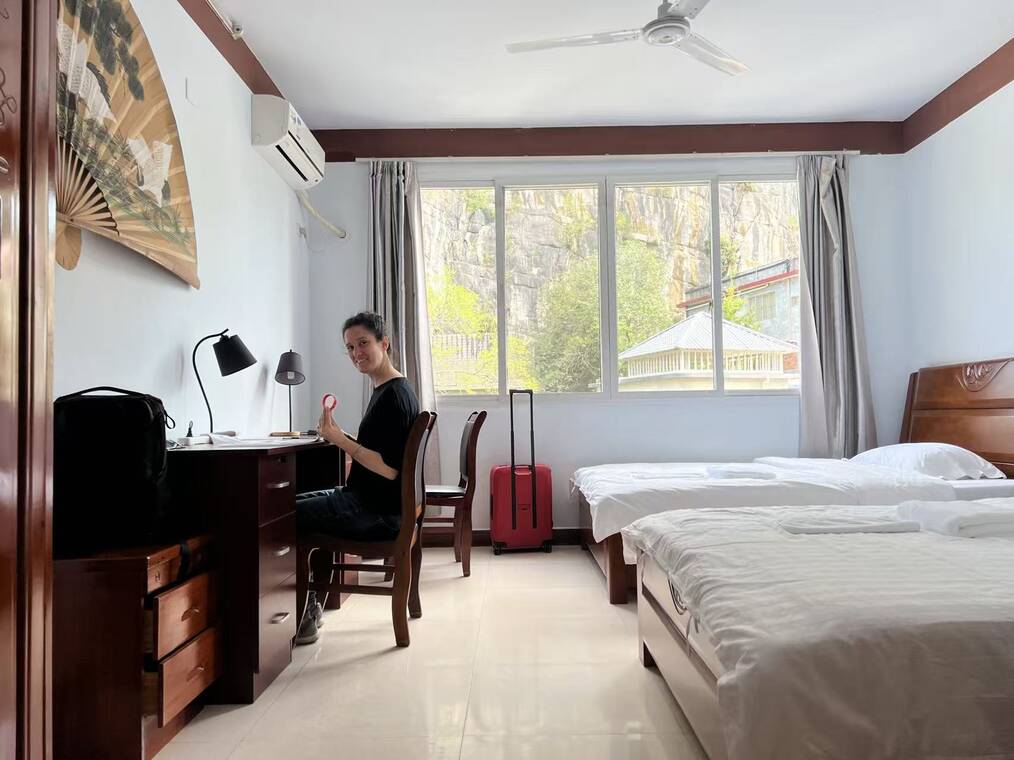
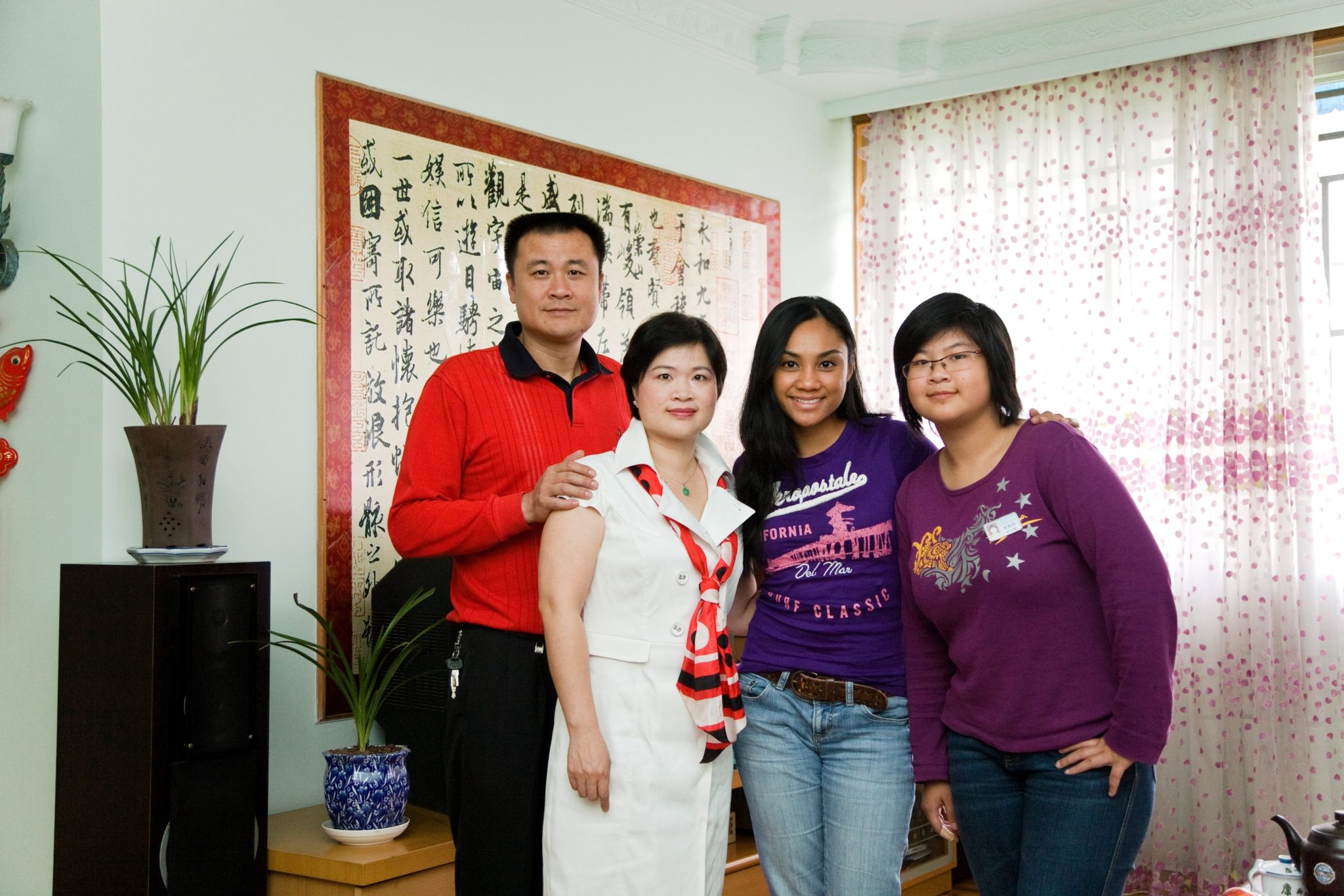
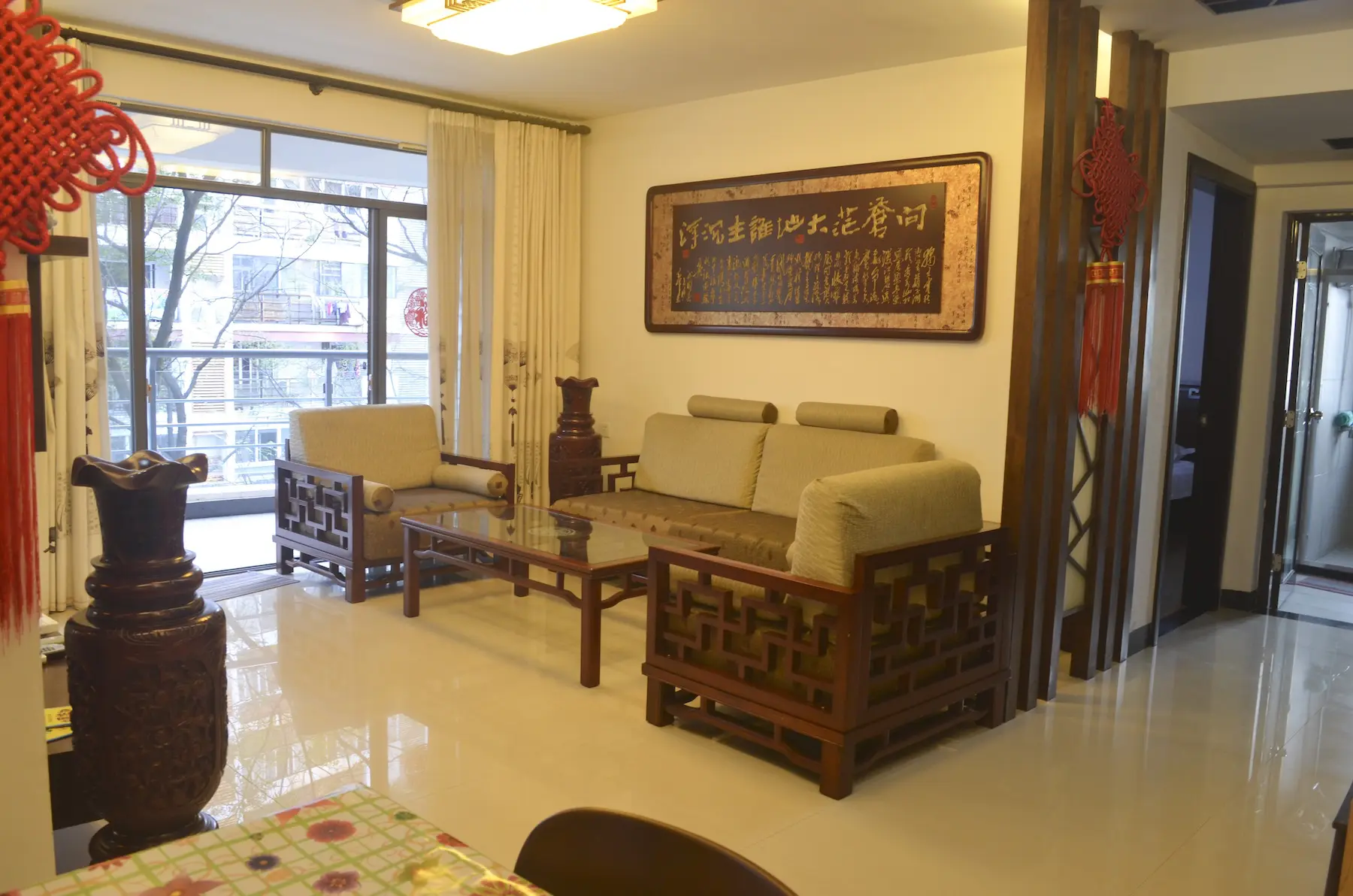
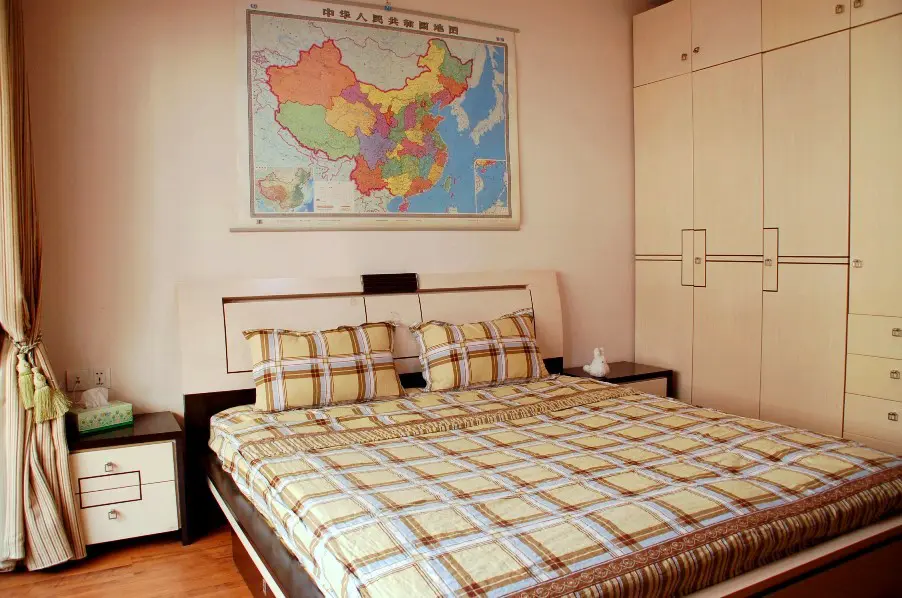
[02:22]What I did was stay with a host family, and I’m absolutely delighted with it. The school arranges everything for you. It’s a little more expensive, and then you also have the option of renting an apartment yourself or staying in the school dorms, where all the rooms have a bathroom and air conditioning, because it gets hot here and humid.
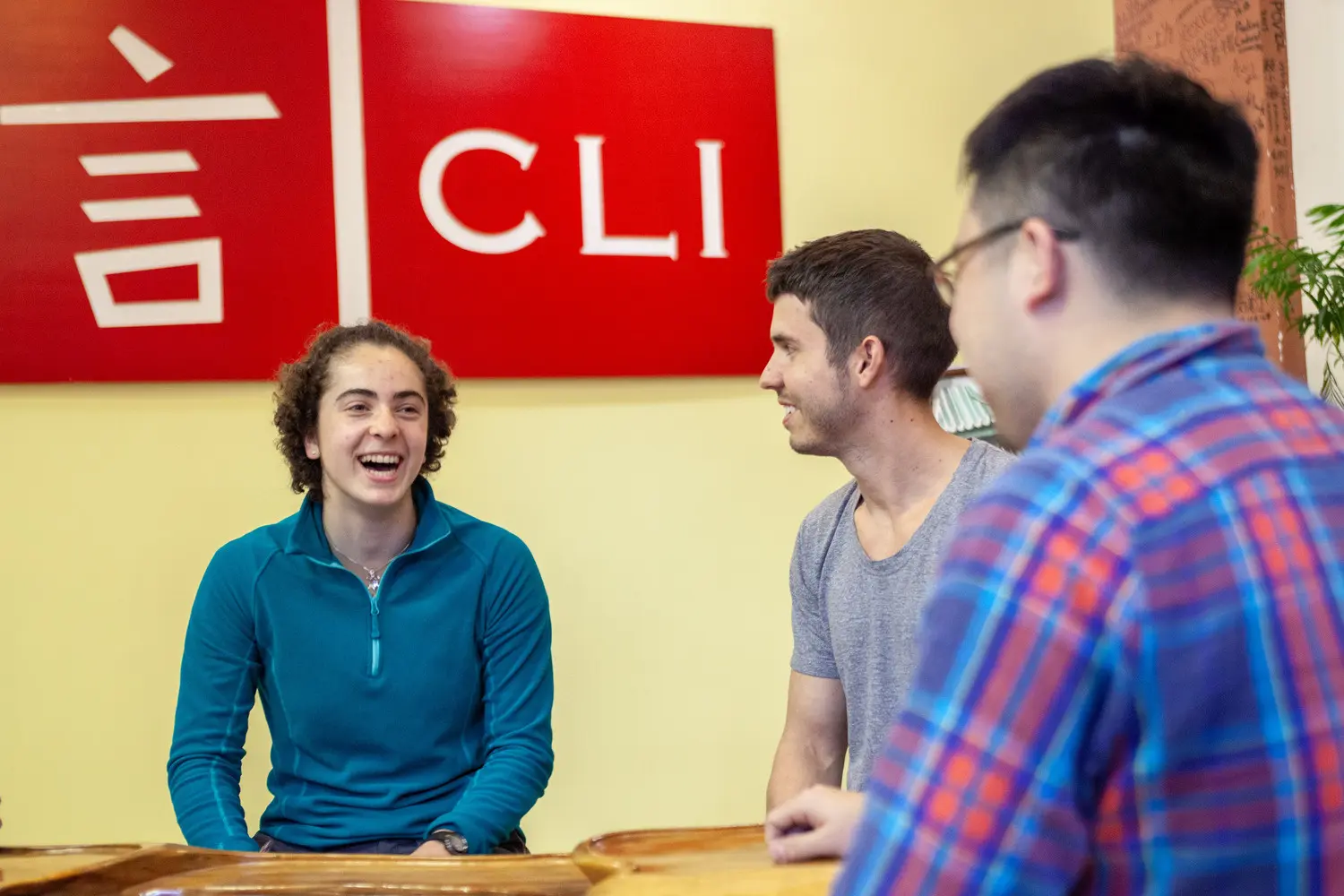
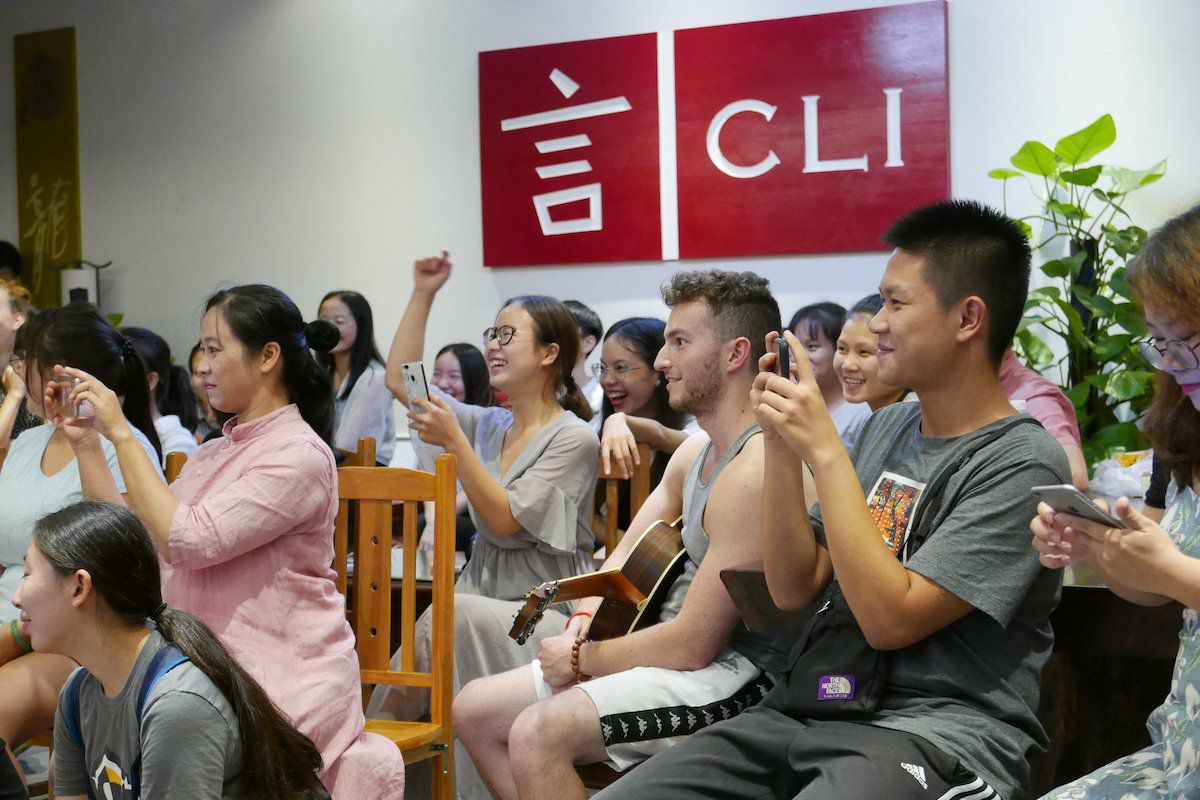
[02:33]That way, you can also be more independent. As you can see, there are a lot of options. If you have any questions, I’ll leave the link to the school’s Instagram, which is called CLI, because the prices vary depending on what you need. For example, I was doing four hours of class per day, two in the morning and two in the afternoon, but you can do six.