

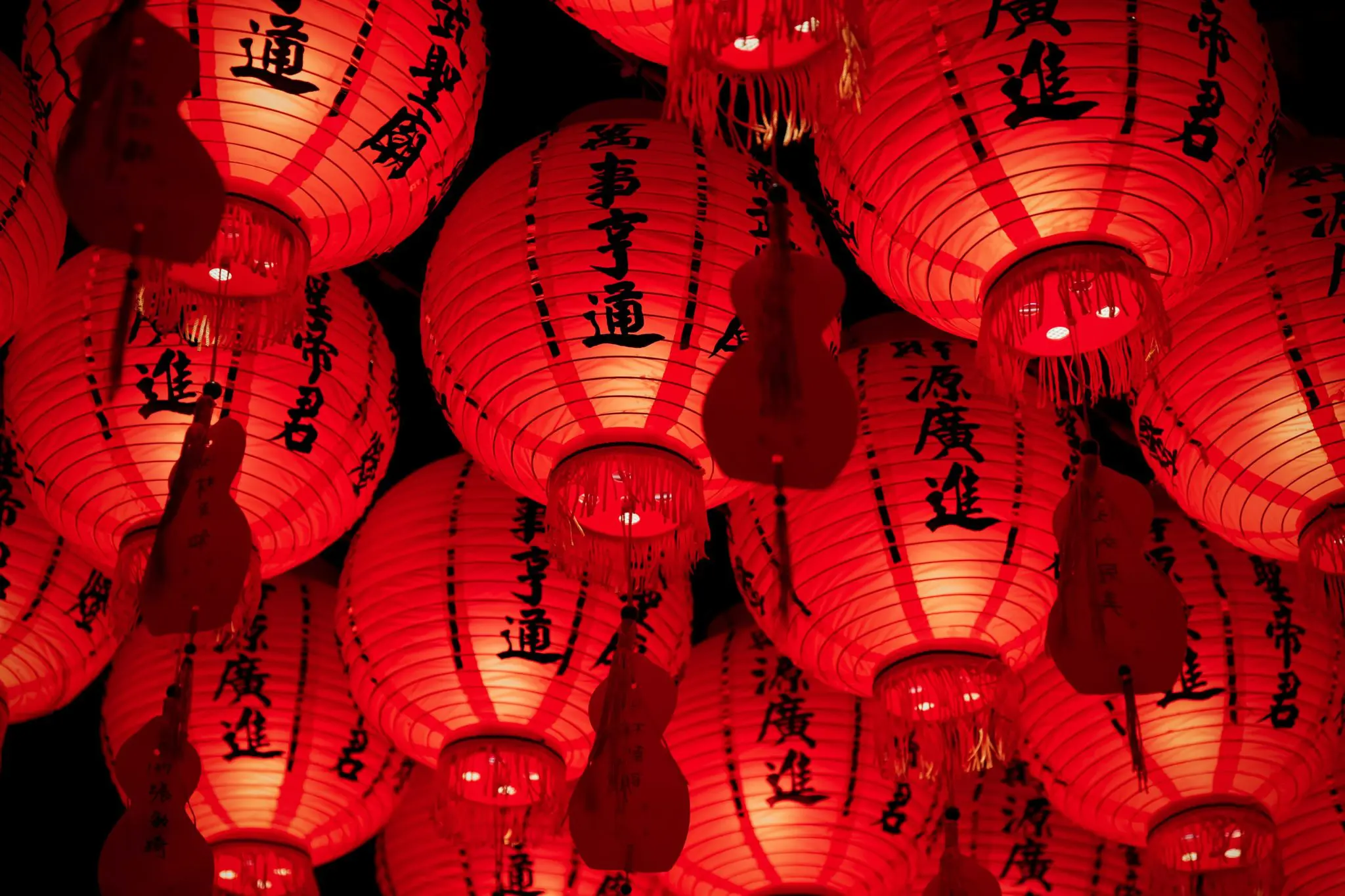
- The Lantern Festival (元宵节, Yuánxiāojié) falls on the 15th day of the first lunar month and marks the end of the Chinese New Year celebrations.
- In 2026, the Lantern Festival falls on Tuesday, March 3 — the first full moon of the new lunar year.
- Its origins reach back roughly 2,000 years to the Han dynasty, with both Buddhist and folk-legend explanations.
- The most popular traditions are viewing lantern displays, guessing lantern riddles, and eating sweet rice balls called tangyuan (汤圆).
- It is not an official public holiday in mainland China, so most people do not get the day off.
The Lantern Festival (元宵节, Yuánxiāojié) is the holiday that traditionally closes the Chinese New Year (Spring Festival) season. Falling on the first full moon of the lunar year, it fills cities with glowing lantern displays and the sweet, chewy rice balls known as tangyuan.
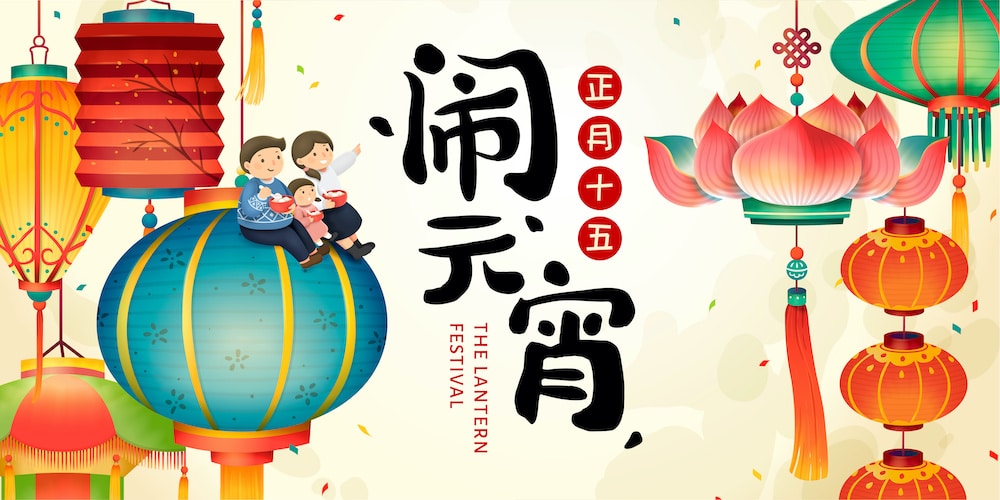
This guide explains when the Lantern Festival is celebrated, where it came from, and how people mark it today. If you ever get the chance to Learn Chinese in China, it is also one of the most rewarding holidays to experience in person.
For pronunciation help with the Chinese terms below, see CLI's audio pinyin chart or our beginner guide to what pinyin is.
01 What is the Lantern Festival? (元宵节)
The Lantern Festival is celebrated on the 15th day of the first month of the traditional Chinese lunisolar calendar, which usually falls in February or early March. Because the date follows the lunar calendar, it shifts against the Gregorian calendar each year.
In 2026, the Lantern Festival falls on Tuesday, March 3. It lands on February 20 in 2027 and February 9 in 2028.
The holiday marks the end of the roughly 15-day Chinese New Year celebrations. It also celebrates the first full moon of the new lunar year, a symbol of reunion and the return of spring.
02 The history and origins of the Lantern Festival
Lantern Festival celebrations began around 2,000 years ago during the Han dynasty (202 BCE–220 CE). The holiday's exact origins are unclear, and several different stories are told to explain how it began.
We've outlined two of the most important origin stories below.
Origin story 1: A Buddhist celebration
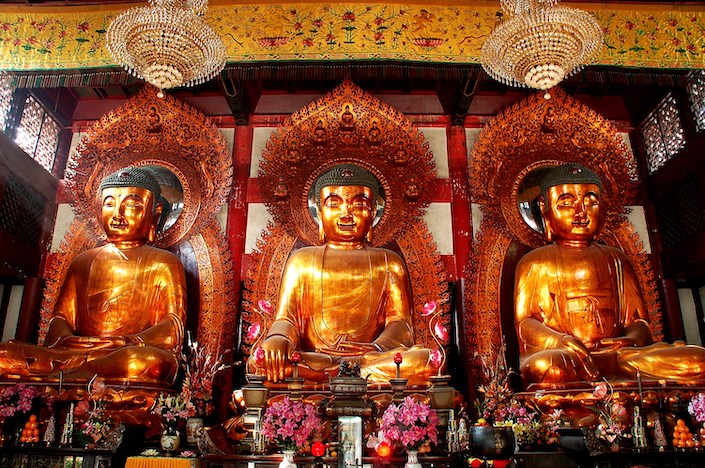
One account traces the festival to the reign of Emperor Ming of Han (58–75 CE), a time when Buddhism was gaining popularity in China. After learning that Buddhist monks lit lanterns on the 15th day of the first lunar month, Emperor Ming decreed that imperial palaces and households should do the same.
This practice is said to live on as today's Lantern Festival.
Origin story 2: Tricking the Jade Emperor
Another legend involves the Jade Emperor, whose favorite crane was killed by some villagers. Enraged, he planned to burn down their village on the 15th day of the first lunar month.
When his daughter learned of the plan, she felt sorry for the villagers and warned them. On her advice, they hung red lanterns, lit fires, and set off firecrackers to make it look as though the village was already ablaze.
The trick worked, and the village was spared. Residents have lit firecrackers and hung red lanterns every year since to commemorate the event.
How the Lantern Festival evolved through the dynasties
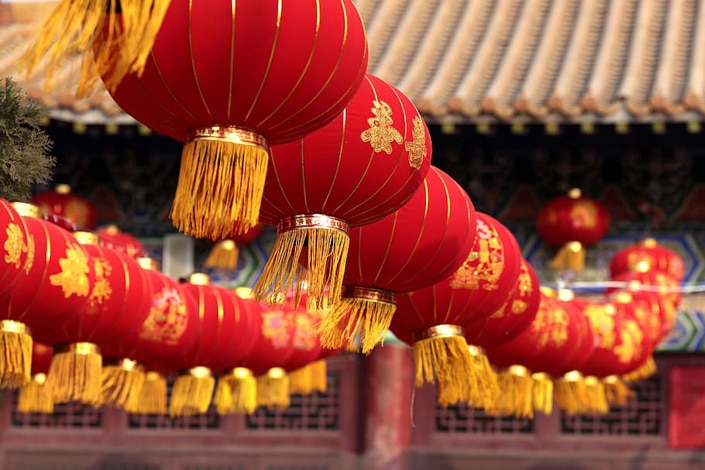
However it began, the Lantern Festival soon grew into a beloved holiday across China. Thanks to China's cultural influence, it spread to neighboring countries such as Korea and Japan.
Celebrations grew longer over the centuries. During the Tang dynasty (618–907 CE), festivities lasted three days.
They stretched to five days under the Song dynasty (960–1279 CE). During the Ming dynasty (1368–1644 CE), some celebrations ran a full 10 days.

Learn Chinese with Cultural Context
CLI offers personalized Chinese instruction built around real language and culture. Join our Immersion Program in Guilin or start online with a free Chinese lesson.
03 Is the Lantern Festival the original Chinese Valentine's Day?
Although it isn't the case today, the Lantern Festival was once closely tied to romance. Some consider it the original Chinese Valentine's Day — a title now usually given to the Qixi Festival.
In ancient times, strict curfews kept people indoors after dark. Because of traditional gender norms, women were generally expected to stay home regardless.
During the Lantern Festival, however, curfews were lifted so people could go out to view the lanterns. Women were also free to leave the house, giving people of different genders a rare chance to mingle.
This romantic side of the festival appears in the plots of many Chinese operas, as well as in art and literature from the Song and Ming dynasties.
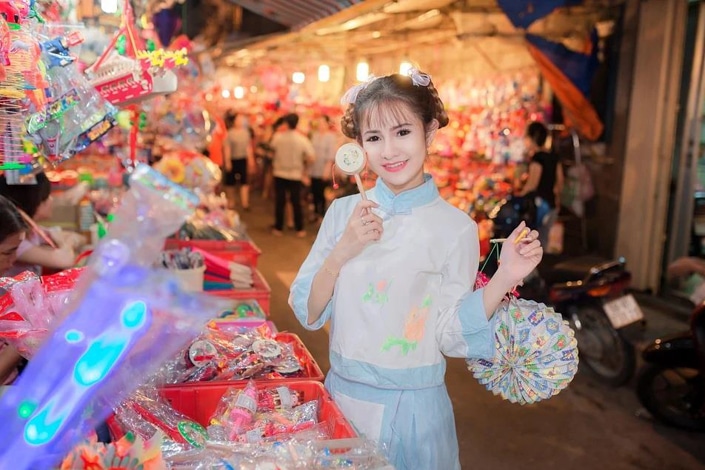
04 The Lantern Festival today: Is it a public holiday?
The Lantern Festival is still widely celebrated, but it is not one of the official public holidays recognized in mainland China. As a result, people in China don't usually get a day off school or work for it.
Lantern festivals have been popular across Asia for centuries. More recently, Chinese-style lantern festivals have begun appearing in Western countries, including the United States.
05 Lantern Festival traditions and activities
Although romance is no longer a central theme, the Lantern Festival is still celebrated with a range of festive activities. Here are the most popular ones.
Viewing lantern displays
As the name suggests, the heart of the festival is viewing grand displays of Chinese lanterns (灯笼, dēnglóng). Many people picture the round, red, basketball-sized lanterns seen outside Chinese restaurants, but festival displays are often far more elaborate.
Some installations are enormous, with the largest reaching over 65 feet (20 meters) tall and 330 feet (100 meters) long. Built in many colors and shapes, they depict animals, mythological figures, giant flowers, trees, and palaces.
Dragon-themed lanterns often draw on traditional imagery of Chinese dragons.
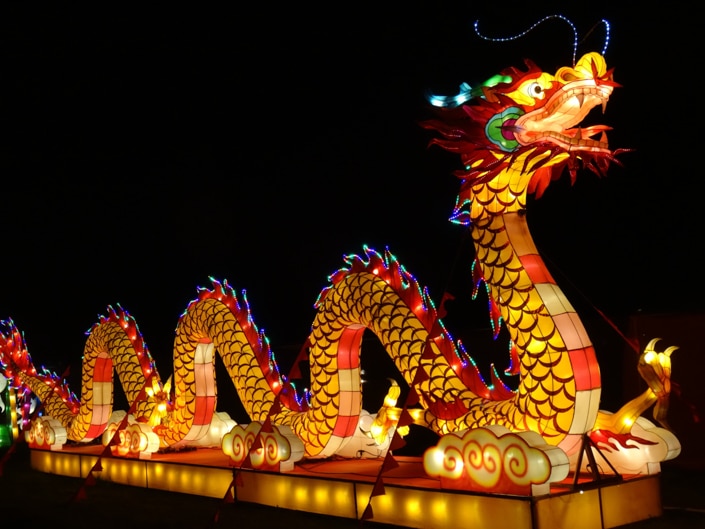
Lanterns were once made of paper, silk, bamboo, glass, or jade and lit with candles. Today, most are fabric stretched over wire frames and lit with thousands of LED lights.
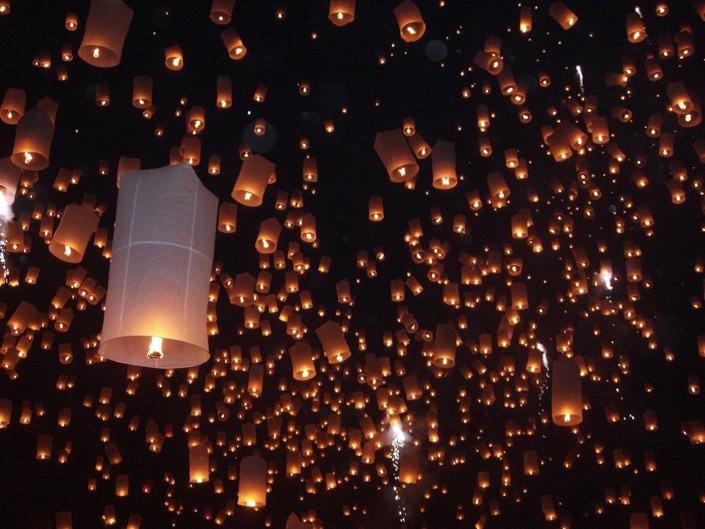
Iconic floating sky lanterns were once popular, but they are now considered a fire hazard and have been banned in many places.
Guessing lantern riddles
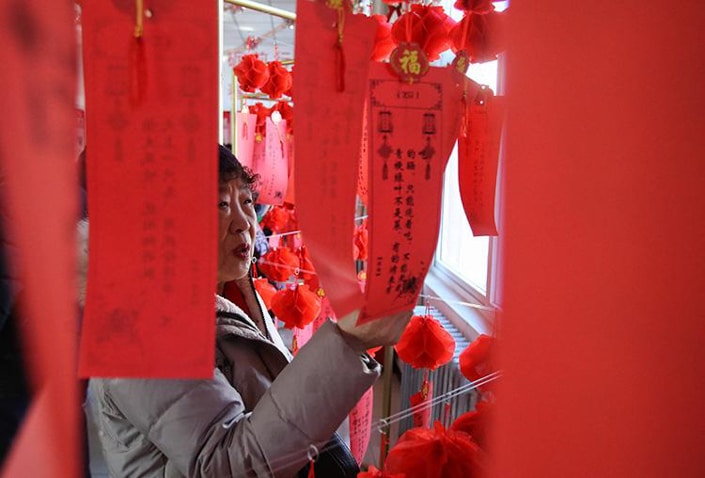
Guessing lantern riddles (猜灯谜, cāidēngmí) dates back at least to the Song dynasty, when scholars wrote riddles on slips of paper and hung them from lanterns. Today's riddles are still tricky and often rely on complex wordplay, which is why they're sometimes called "lantern tigers" (灯虎, dēnghǔ).
Some riddles point to a Chinese idiom (成语, chéngyǔ). Others point to a single character, where it helps to know common Chinese characters and stroke order.
That same appreciation for the written word runs through Chinese calligraphy, another tradition built on the beauty of characters.
Eating tangyuan (sweet rice balls)
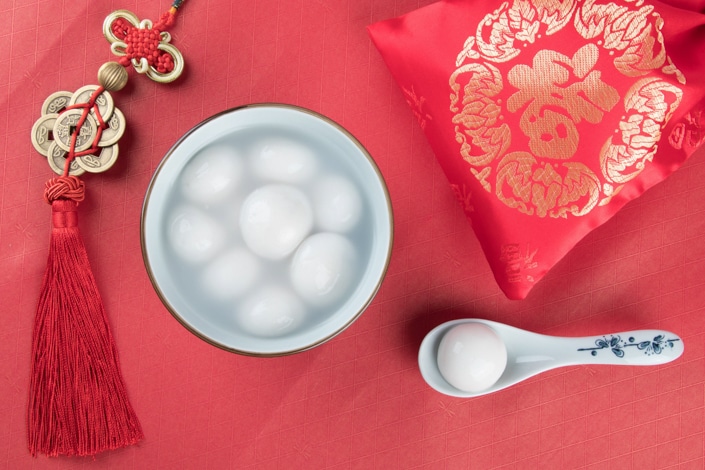
Another favorite tradition is eating tangyuan (汤圆, tāngyuán), sweet glutinous rice balls often filled with ingredients like black sesame paste. Their pronunciation echoes 团圆 (tuányuán, "reunion"), and their round shape symbolizes family togetherness.
In southern China they're usually called tangyuan, while a similar northern version is known as 元宵 (yuánxiāo). For more language-and-culture context on family, see our guide to Chinese proverbs about family.
Watching dragon and lion dances
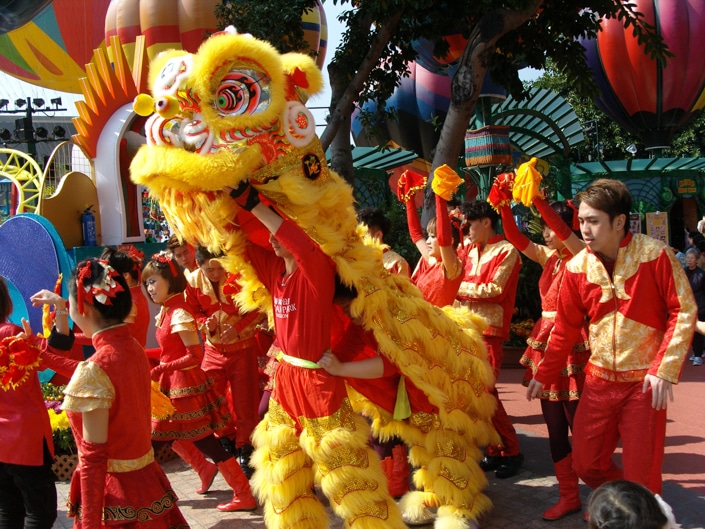
In some regions, dragon and lion dances are performed during the festival. Dragon dances reflect long-standing beliefs about Chinese dragons as powerful, benevolent, and auspicious creatures.
Setting off fireworks
Fireworks (烟火, yānhuǒ, also called 烟花, yānhuā) are common throughout the Spring Festival season. They're heard from the start of Chinese New Year right through to the Lantern Festival, which marks the end of the celebrations.

06 Where to experience the Lantern Festival
If you're in China during the Lantern Festival, set aside time to enjoy the celebrations. Most cities put on lantern displays, so you likely won't need to travel far.
Even outside China, you can often find Lantern Festival events in cities around the world. The festival pairs naturally with other lunar-calendar celebrations such as the Dragon Boat Festival and the Mid-Autumn Festival, which also light up the night with lanterns.
Looking for a gift for Chinese friends during the holidays? See our Chinese gift ideas.
Want to build real language skills while you're at it? Start with some basic Chinese words, or consider joining us to learn Chinese through immersion in Guilin.
07 Useful Lantern Festival vocabulary
The following terms will help you talk about the Lantern Festival in Chinese.
| Chinese | Pinyin | Meaning |
|---|---|---|
| 元宵节 | Lantern Festival | |
| 灯笼 | lantern | |
| 汤圆 | sweet glutinous rice balls (southern term) | |
| 元宵 | glutinous rice balls (northern term) | |
| 团圆 | reunion | |
| 猜灯谜 | guessing lantern riddles | |
| 灯虎 | "lantern tiger" (a lantern riddle) | |
| 成语 | Chinese idiom | |
| 烟火 | fireworks | |
| 烟花 | fireworks |
08 Lantern Festival FAQ
When is the Lantern Festival in 2026?
The Lantern Festival falls on Tuesday, March 3, 2026. It always lands on the 15th day of the first lunar month, so the Gregorian date changes each year.
What is the Lantern Festival celebrating?
It celebrates the first full moon of the new lunar year and marks the end of the Chinese New Year season. Themes of reunion, peace, and the return of spring are central to the holiday.
What food do you eat on the Lantern Festival?
The signature food is tangyuan (汤圆), sweet glutinous rice balls, known as yuanxiao (元宵) in northern China. Their round shape symbolizes family togetherness.
Is the Lantern Festival a public holiday in China?
No. Although it is widely celebrated, it is not an official public holiday in mainland China, so most people do not get the day off.
What is the difference between tangyuan and yuanxiao?
Both are glutinous rice balls, but they differ by region and method. In the south, tangyuan are typically filled by hand, while in the north, yuanxiao are made by rolling the filling in dry rice flour.
09 Final thoughts
The Lantern Festival is a bright, joyful close to the Chinese New Year season, blending ancient legend with living tradition. Whether you're guessing riddles, eating tangyuan, or simply admiring the lanterns, it offers a memorable window into Chinese culture.
Happy Lantern Festival!
10 Selected References
- Encyclopaedia Britannica: overview of the Lantern Festival, its date, origins, and traditions. View source →
- Encyclopaedia Britannica: history of the Han dynasty, the period in which the festival is thought to have begun. View source →
- Note: Festival dates and public-holiday arrangements can vary by year and region. Always confirm specific dates with an official calendar before planning travel or events.